Four Ensemble travel advisors break down what it really takes to plan the ultimate adventure.
An Expert’s Guide to Planning Your First African Safari Vacation
By Dave Lank | November 20, 2025
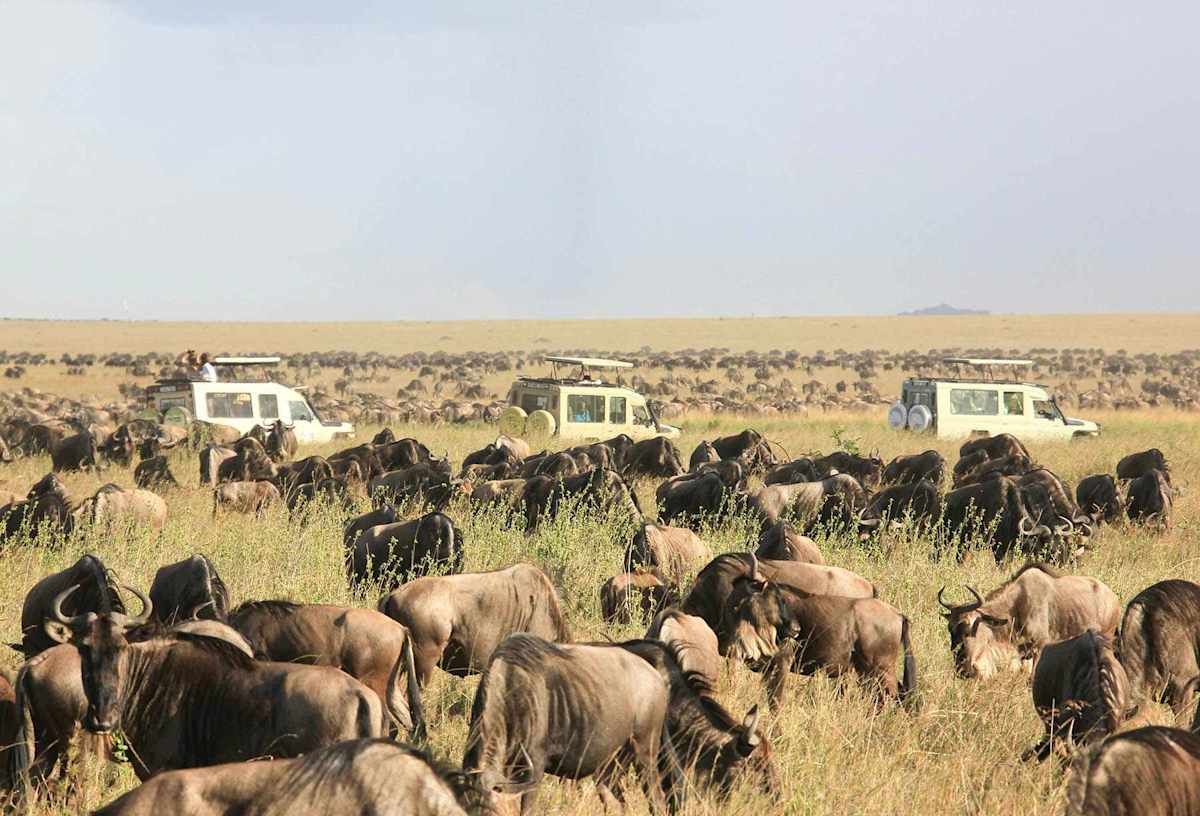
A 500-mile odyssey, the Great Migration of wildebeests in Tanzania remains the largest mammal movement on the planet.
Dawn Westveld/Unsplash
You’ve seen it most of your life: lions lounging in tall grass, elephants crossing a dusty plain in single file, herds of wildebeest plunging into a river. At some point, you decided you wanted to experience it for yourself — not through a screen with David Attenborough narrating, but in person, from the back of an open-top 4x4. And you’re not alone: For many travelers, an African safari sits at the top of their bucket list. Last year, global searches for African safaris doubled compared to figures from 2022, while the average budget for travelers increased by 25 percent. But when you’re ready to book, the romantic vision gives way to more practical questions: Which country? What time of year? And how much will it cost? Advisors who specialize in safaris field these questions constantly from first-timers. Here’s what four Ensemble travel advisors always tell their clients.
Work with a Travel Advisor
In Africa, expert guidance isn’t optional — it’s essential. “Even if you book all your other trips online, Africa is the one destination where you really want to engage a specialist so that you can benefit from all the first-hand knowledge we have,” says Christine Boecker, a Vancouver-based global safari specialist at TravelBoecker Adventures. From custom itineraries to exclusive stays, travel advisors deliver insider insight that would take hours of research to uncover. What surprises first-timers most? “The level of luxury one can find in the remotest corners of the bush,” she says, “and at the other extreme, the possibility of staying in a tent, no fences, and still being safe in the wilderness.”
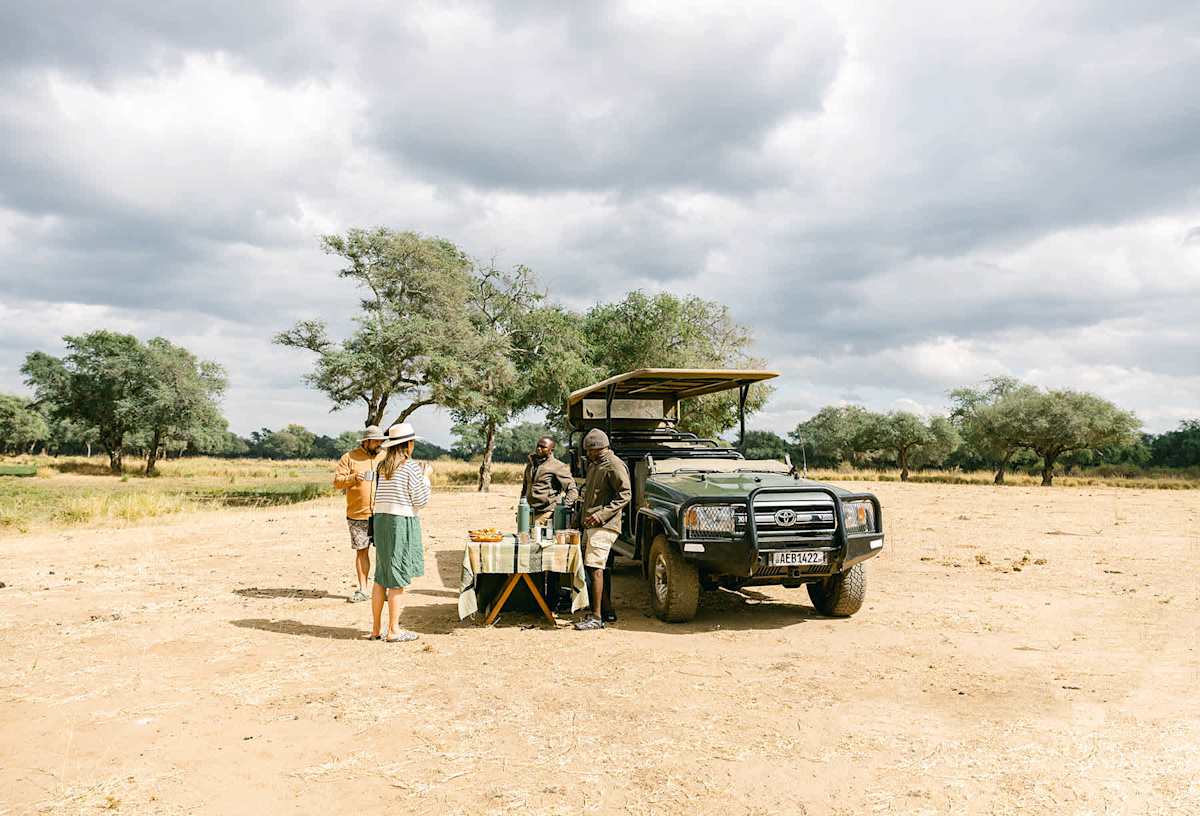
A private excursion with Zambezi Grande in Lower Zambia National Park.
Sam Vox
Decide Where You Want to Go
With a continent as vast as Africa, choosing your destinations wisely is key to an unforgettable safari. East Africa (Kenya and Tanzania) is known for the Great Migration — the annual journey of over a million wildebeest crossing the Mara River — and iconic landscapes like the Serengeti and Masai Mara. Meanwhile, southern Africa (Botswana, South Africa and Zimbabwe) offers different wildlife concentrations and camp experiences. Florida-based Diana Reuling, chief executive officer at Your Travel Concierges, helps clients narrow it down by asking what draws them most: “Gorilla trekking? Uganda or Rwanda. Migration? Tanzania and Kenya. Culture and wildlife? South Africa. Elephants? Botswana.” While the Big Five — lions, leopards, elephants, rhinoceros and Cape buffalo — remain the classic safari goal, knowing your priorities helps determine where to go. Boecker also asks clients about their comfort zones: “Do you need air conditioning and a properly plumbed bathroom, or are you comfortable sleeping on a stretcher bed with a bucket shower?” These answers determine the type of accommodation and overall safari style for you.
Book Early or Settle
The most consistent advice travel advisors have to give: don’t wait. “Clients should be prepared to book a safari at least a year in advance,” says Reuling. “Safaris are an intimate experience, and so most lodges are limited in their capacity,” she adds. “If travelers wait, they will not get the best dates to travel or the availability.” This is especially true for specific experiences. Edmonton, Alberta-based Megan Duncan, a travel consultant at Travel Gurus, notes that if you want to witness the Great Migration, you need to book around a year ahead. Book too late, she warns, and you’ll pay premium prices for whatever's left — or miss out entirely.
Plan your dream trip.
Expect Safari-Sized Price Tags
As with most bucket-list journeys, a safari is not cheap. According to Duncan, most travelers can expect to pay roughly $600 to $675 per person, per night in South Africa or Zimbabwe for mid-range luxury camps, $700 to $1,200 in Kenya or Tanzania, and $1,200 to $2,000 in higher-end destinations like Botswana. For travelers watching their budget, Chicago-based Ivonka Knight, owner of CIG Travel, a bespoke travel agency, recommends visiting during the shoulder seasons. “There are fewer crowds and the prices are about 35 to 40 percent less,” she says. Advisors, however, caution travelers against cutting corners on guides or choosing operators based solely on price. Boecker says that DIY booking can backfire and end up costing more: “If just one connection is missed, you can end up spending time online re-arranging the trip, instead of being out on a game drive, observing a family of elephants as they come down to the waterhole.”
Timing Is Everything
Seasonal timing not only affects what you’ll pay but what you’ll see. While Kenya’s Great Migration takes place between July and October, timing varies dramatically by region. “A good month in Botswana is the rainy season in Tanzania,” Boecker explains. The dry season concentrates wildlife around water sources, making for spectacular viewing, though the landscape can appear parched. The rainy season, meanwhile, brings lush landscapes and baby animals, but wildlife disperses across larger territories. Shoulder seasons — typically spring and fall — may not be peak-season perfect, but they still deliver unforgettable wildlife sightings. “No matter when you travel, an Africa specialist worth their salt will get you off the beaten path, even in the high season,” says Boecker.
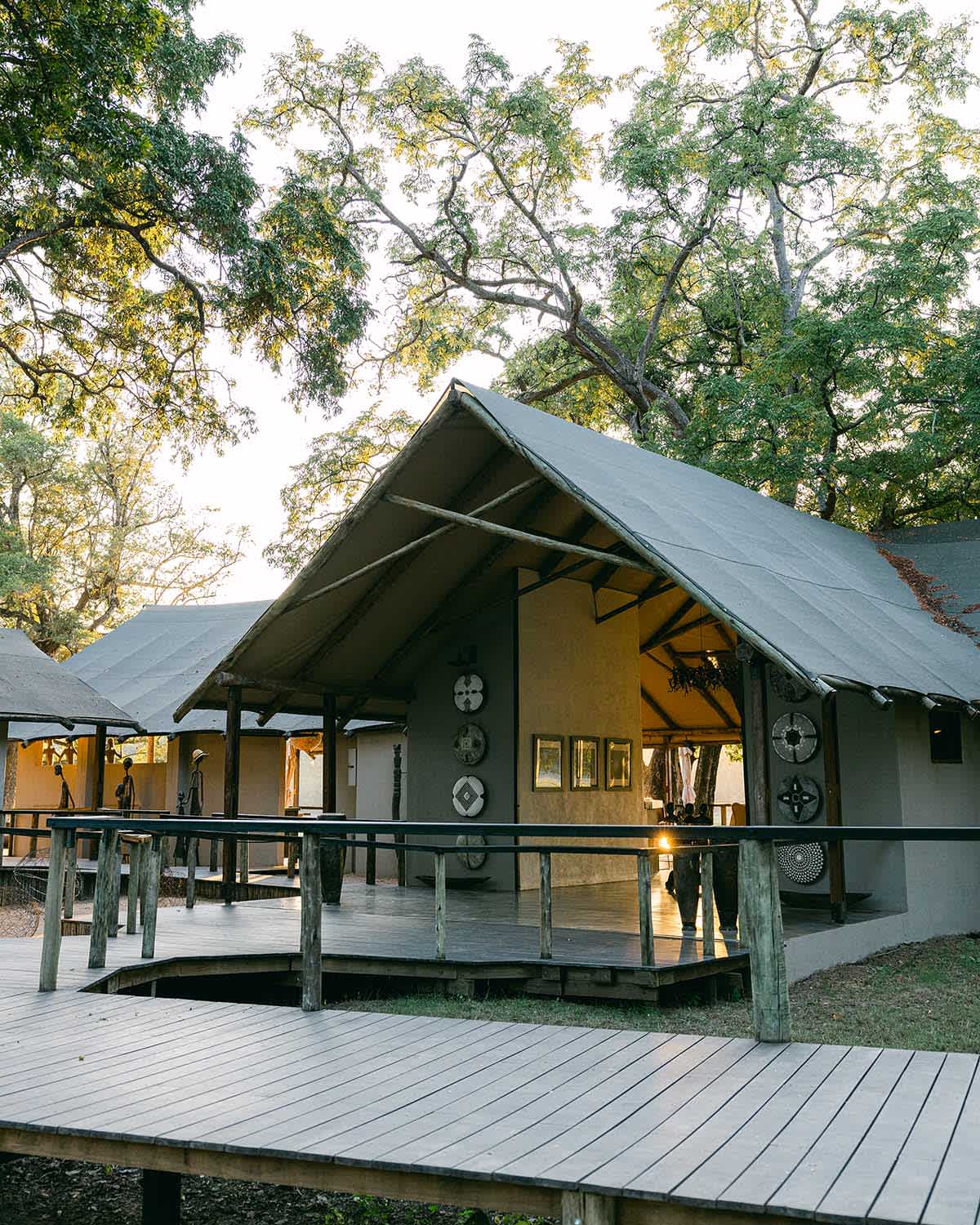
The elevated main buildings at Sungani Lodge in South Luangwa National Park, Zambia.
Sam Vox
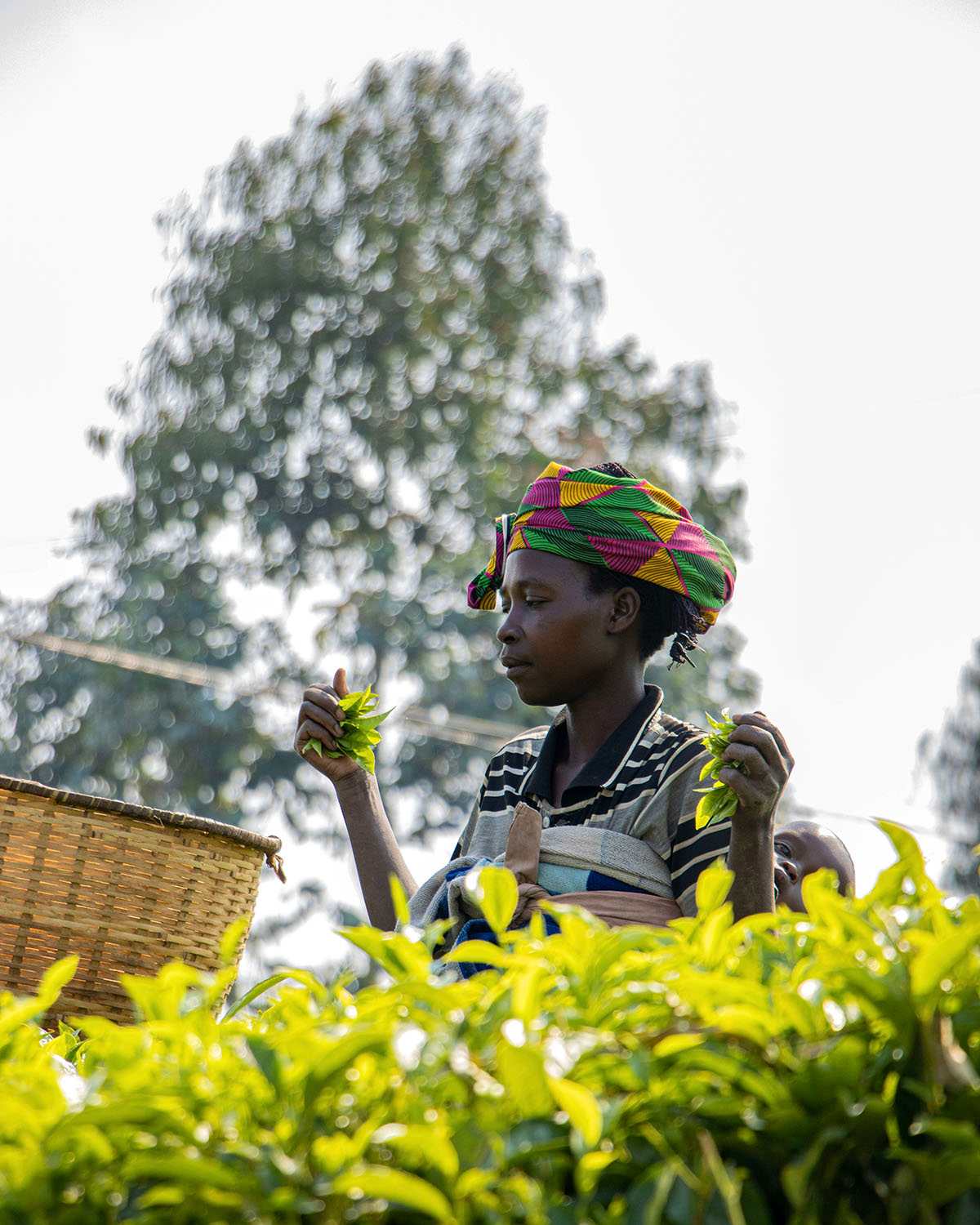
An African safari vacation can go beyond wildlife, including experiences like a tea plantation tour in Rwanda.
Tamrat Touloumon/Unsplash
The Right Guide Makes All the Difference
Your guide shapes your entire safari. For instance, Knight emphasizes matching guides with her clients’ interests: “Maybe you’re a bird person,” she says. “Seeing the Big Five, yes, that’s a bonus — but you really want your guide to be knowledgeable about the birds.” A good safari guide reads the landscape, anticipates animal behavior and explains what you’re seeing. They also know how to best position the vehicle for photographs and understand which animals you can approach closely. This expertise transforms an alert like “there’s a lion” into understanding the complex ecosystem playing out in front of you.
Don’t Try to Do Too Much
If there’s one common mistake travel advisors always see with safari itineraries, it’s trying to pack in too many locations. Boecker’s insider tip is simple: “Slow down. It’s not about seeing it all, but rather about immersing yourself in the slower pace of Africa.” For example, spending half your trip traveling between camps means less time watching wildlife. The romantic idea of sundowners — evening drinks while watching the sun set over the savanna — loses its appeal when you’re rushed. ✦
Explore More
An Insider’s Guide to South Africa: Our local expert reveals the diverse natural landscapes and thrilling wildlife encounters that await in South Africa, from wine country to the savanna. A Deep Dive Into Zambia’s Natural Wonders: In the African savanna to see its iconic wildlife for himself, writer J.R. Patterson finds that the animals, conservation and tourism are closely intertwined. Travel Experts Share Their Top Bucket List Experiences: Three pros share the top experiences in their destinations, from strolling along the Dominican Republic’s pristine beaches to touring temples beyond Angkor Wat in Cambodia. Follow Range on Instagram, Facebook and Pinterest. Sign up for the Range newsletter to receive expert advice, award-winning stories and the latest travel trends in your inbox.