Raw and remote, the Arctic retains an air of the unknown that’ll spark your spirit of exploration.
Why an Arctic Cruise Should Be on Your Bucket List in 2025
By Colleen Seto | January 28, 2025
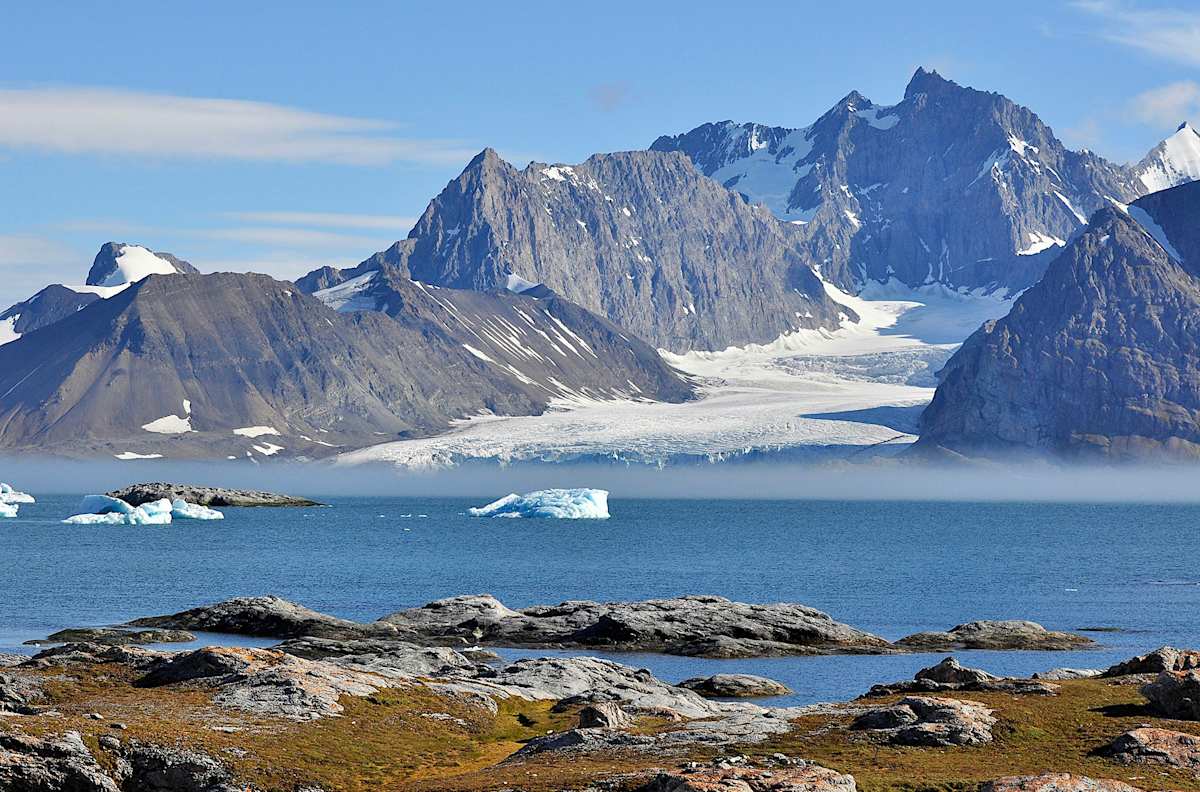
The archipelago of Svalbard in Norway.
Jacek Urbanski/Unsplash
Surreal ice formations, jagged snowcapped peaks and deep blue fjords make up vast stretches of the Arctic wilderness. Yet in this harsh, unforgiving environment, where half the land masses are covered in glaciers, a rare and delicate ecosystem flourishes. Between the awe-inspiring sight of polar bears ambling through the tundra and the friendly chatter of beluga whales, one-of-a-kind encounters with the wildlife that’s adapted to these conditions make it an increasingly popular destination — accessible almost exclusively by cruise ship. Cruise lines cater to aspiring Arctic explorers with itineraries to the Canadian High Arctic, Greenland, the Norwegian archipelago of Svalbard, and — during a short summer window when minimal sea-ice makes it passable — the North Pole itself. Each itinerary presents its own take on an Arctic expedition, but all showcase the majestic icescapes and stark beauty of the region, and the chance to spot resilient species including muskoxen, arctic foxes, reindeer, seals, walruses and migratory birds. An Arctic playground, Baffin Island is the biggest island in Canada and the fifth-largest in the world. Here, adventure-seekers can rock-climb the fjord walls of Clyde River and ski amidst the peaks of Auyuittuq National Park, marveling at the west face of Mount Thor, which, at 4,100 feet, holds the record as the world’s highest vertical cliff. For an otherworldly experience, hike the rocky tundra on Baffin Bay’s Devon Island. This desolate destination has earned the moniker “Mars on Earth,” as its conditions so closely resemble that planet’s frigid surface.
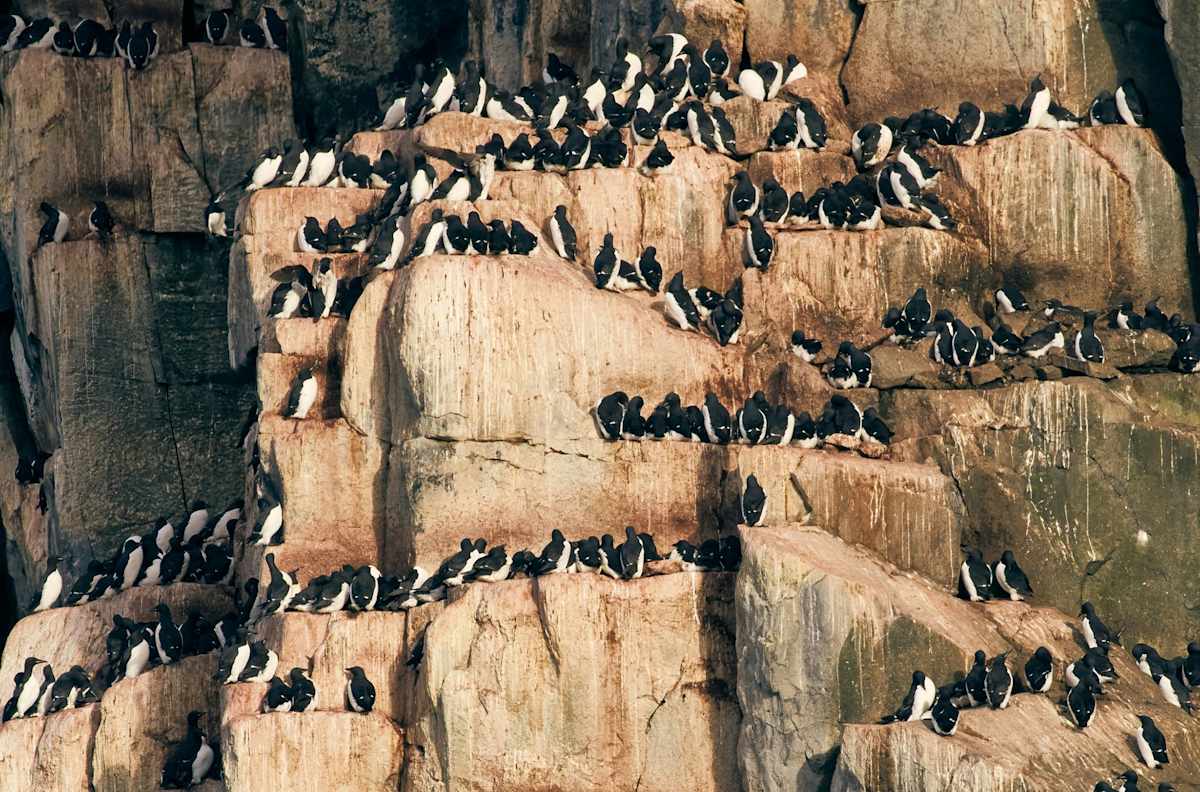
Seabirds in Svalbard.
Himanshu Saraf/Unsplash
The highlight of cruises along the west coast of Greenland is the Ilulissat Icefjord, a UNESCO World Heritage Site famed for its soaring icebergs. This is where the Sermeq Kujalleq glacier — one of the world’s most active glaciers — “calves,” with massive chunks of ice detaching themselves from the glacier and crashing into the freezing waters as icebergs. Between April and September, cruisers can also experience the Arctic phenomenon known as the “midnight sun.” At extreme latitudes, daylight can last a full 24 hours owing to the tilt of the Earth’s axis, giving you ample time to take in picture-perfect views and go for late-night hikes or paddles. And in winter, look for the aurora borealis, a.k.a. the Northern Lights, its dazzling green, purple and red ribbons dancing across the night sky. Winter nights just south of the Arctic Circle make for prime aurora-viewing because they’re long and dark, spared from the light pollution that makes simple stargazing a challenge in urban centers. Taking in the spectacular light show overhead, you can’t help but feel small next to nature — just one example of how the vastness of the Arctic somehow puts everything into perspective.
Plan an unforgettable cruise.
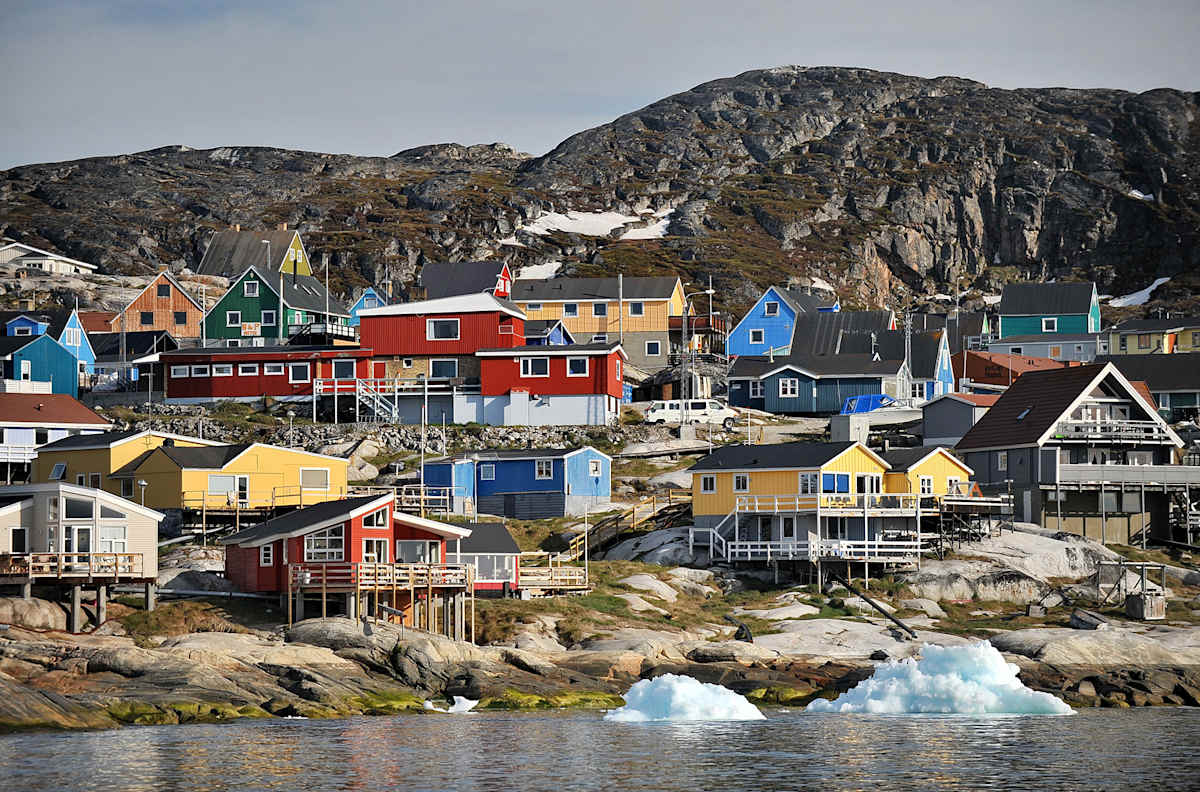
Ilulissat in Greenland.
Oleksandr Umanskyi/Adobe Stock
Adventure Canada
Take a Cruise Around Towering Icebergs Experience the remarkable beauty of Ilulissat Icefjord, renowned for its enormous icebergs. Ilulissat means “iceberg” — an apt name for this site at the outlet of the Sermeq Kujalleq glacier. A designated UNESCO World Heritage Site, Ilulissat Icefjord is the source of many of the icebergs in the North Atlantic. LOCATION: Ilulissat, Greenland DURATION: A full day FITNESS LEVEL: Mild HIGHLIGHTS: Visit the world’s fastest-calving glacier, which spills thousands of icebergs into the spectacular Ilulissat Icefjord every year. Marvel at the enormous icebergs on a hike along the boardwalk or cruise amidst them. Explore the charming town and don’t miss the remarkable Ilulissat Icefjord Centre.
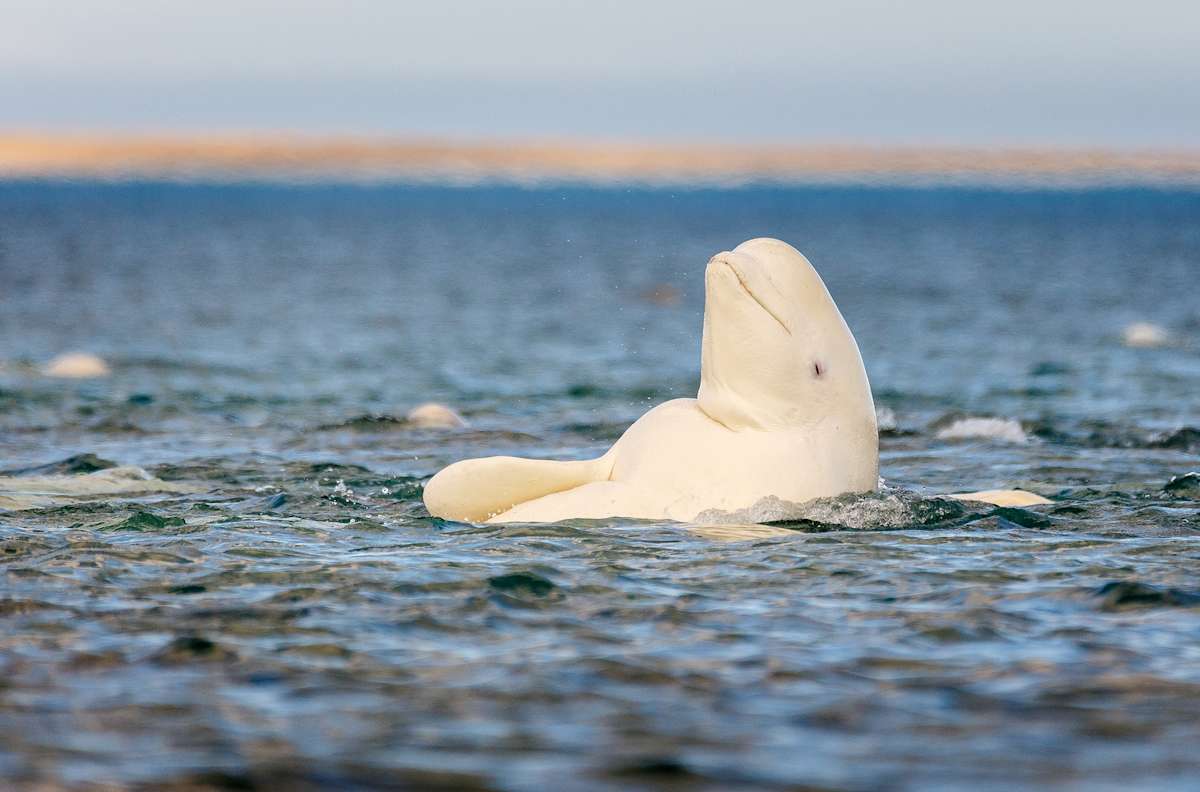
Beluga whale.
David Merron Photography/Getty Images
Silversea Cruises
Discover the Secluded Splendors of the Arctic and Greenland Cape Dyer is a remote wilderness lying at the southeast tip of Canada’s vast Baffin Island. It is located north of the Arctic Circle in the Canadian territory of Nunavut. Animals that roam these cold lands include arctic foxes, caribou and arctic hares.
LOCATION: Cape Dyer, Nunavut, Canada DURATION: Approximately 4.5 hours FITNESS LEVEL: Moderate GROUP SIZE: Approximately 8 to 12 people per Zodiac INCLUSIONS: Life jacket, parka, backpack and water bottle are provided. Boots and waterproof pants are available to rent. HIGHLIGHTS: If you’re lucky, you might spot one of the polar bears that populate the island. ✦