Looking for adventures just outside the French capital? These inspired day trips from Paris deliver everything from Baroque splendor to rustic simplicity.
Looking for adventures just outside the French capital? These inspired day trips from Paris deliver everything from Baroque splendor to rustic simplicity.
By Raavya Bhattacharyya | Updated: April 20, 2026 | Published: November 24, 2024
Museums, festivals and delicious food — there’s always a full slate of things to see, do and taste in the French capital. But don’t let the city’s charms keep you from exploring the towns and villages just beyond its borders. We asked local expert Xavier Bordedebat, vice president of sales and marketing of Lafayette DMC, to weigh in on the best day trips from Paris. Whether you’re looking for charming medieval towns, picturesque vineyards or opulent palaces, each of his great Parisian escapes can be reached in two-and-a-half hours — or less.
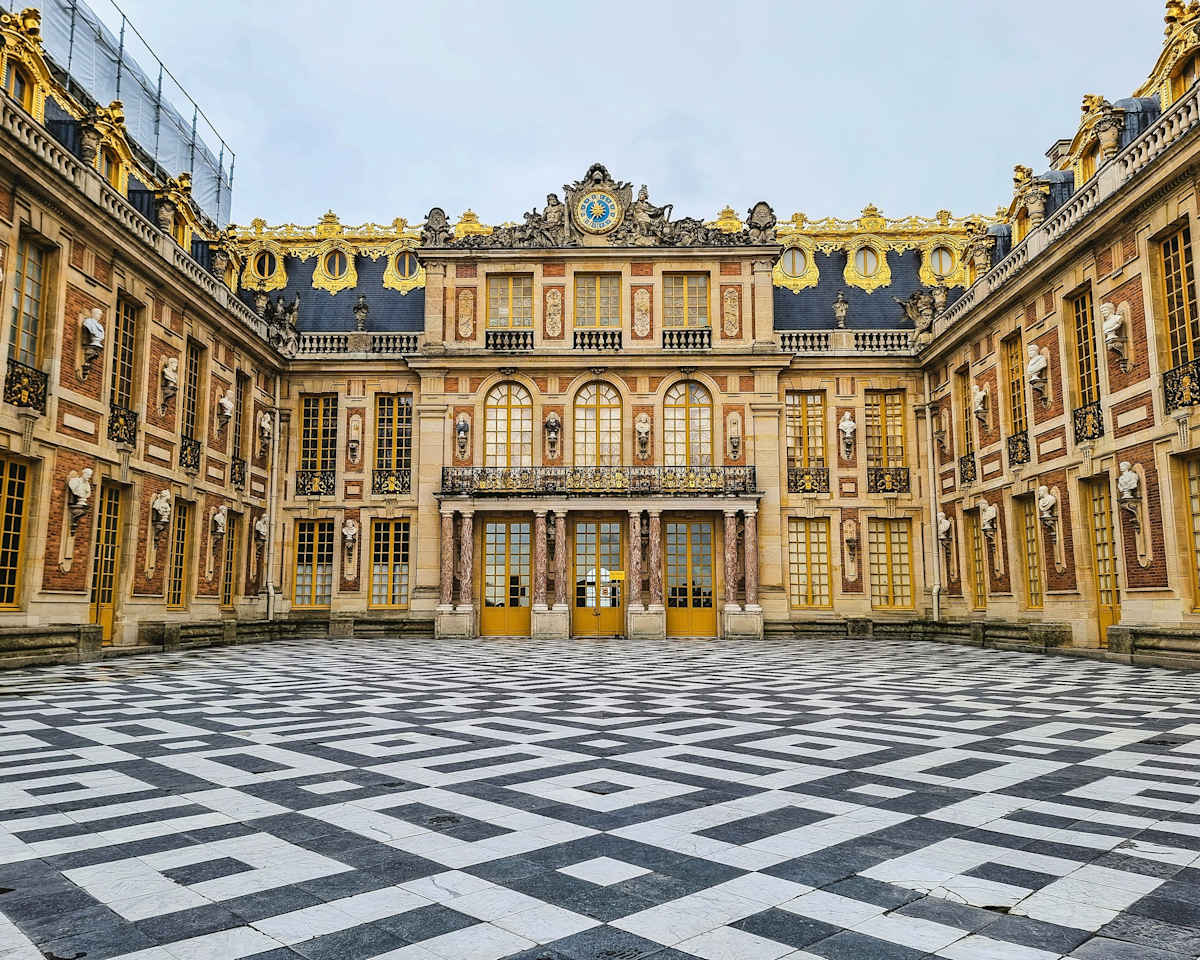
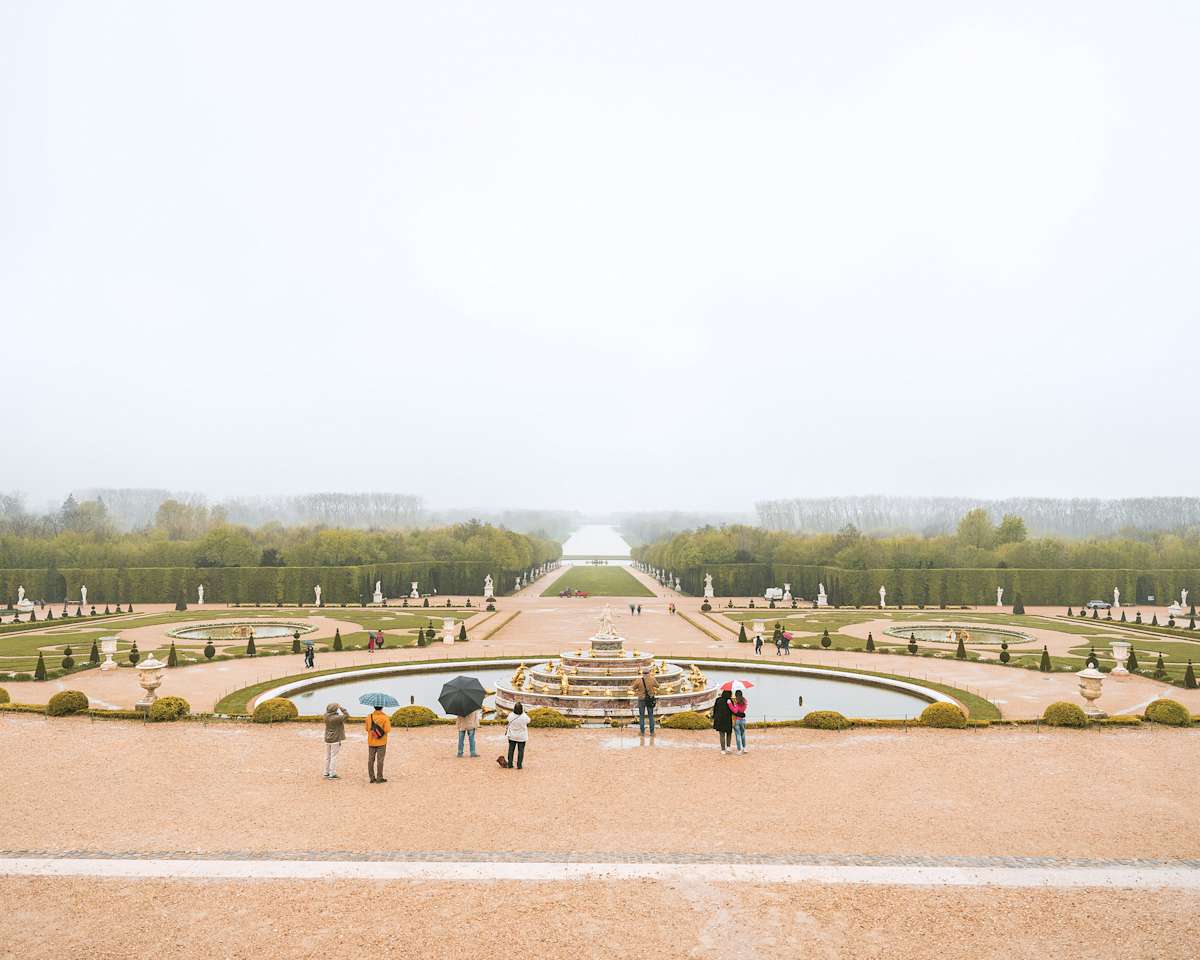
Just 12 miles southwest of the city lies a sprawling temple of Baroque splendor that makes an unforgettable day trip from Paris. “As the former royal residence of Louis XIV, Versailles offers a glimpse into French history and monarchy with its opulent palace, Hall of Mirrors, and royal apartments,” says Bordedebat. Packed with elaborate sculptures, lavish crystal chandeliers and marble decorations, Bordedebat says it’s a stunning showcase of the artistic achievements of the 17th and 18th centuries. Don’t miss the Opéra of Versailles, which he cites as a hidden gem within the palace. “One of its most remarkable features is the extensive use of wood, which was painted to mimic marble and gilded bronze,” he says. “This wood structure not only facilitated quicker construction and reduced costs compared to stone, but also provided superior acoustics.” After touring the Palace, explore as much of the 2,000-acre gardens as you can. If you have the time, check out the nearby Estate of Trianon, a complex of smaller residences that served as a retreat for past monarchs.
Plan your dream trip.
Our Ensemble travel advisors will design a one-of-a-kind vacation - just for you.
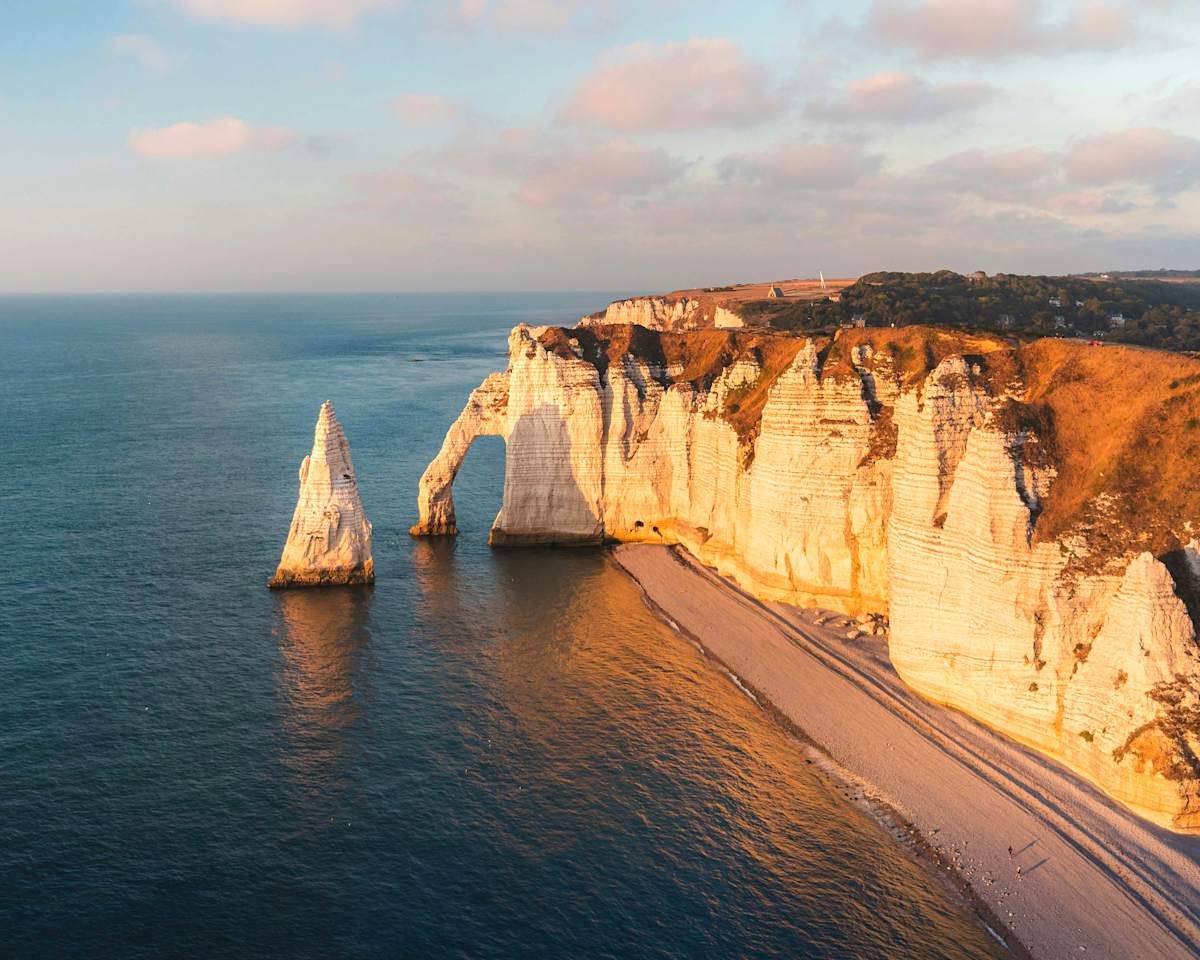
Perhaps best known as the site of D-Day, a turning point for the Allies during the Second World War, this picturesque region is one of the best day trips from Paris — even if you’re not a history buff. In fact, given its rich culinary traditions, it’s foodies who might appreciate this day trip most. “Normandy's cold waters produce excellent scallops, often prepared with butter, cream and white wine,” says Bordedebat, who recommends the local dish of Coquilles Saint-Jacques as the best way to savor the fresh harvest. Normandy is also the home of creamy Camembert cheese and endless apple orchards that ensure a steady supply of cider and apple brandy, all of which play an integral role in the region’s cuisine. Planning a picnic lunch while exploring Normandy's white chalk cliffs, green hills and medieval architecture? Fill a fresh baguette with Andouille de Vire, a traditional sausage known for its strong, smoky flavor, often enjoyed with mustard.
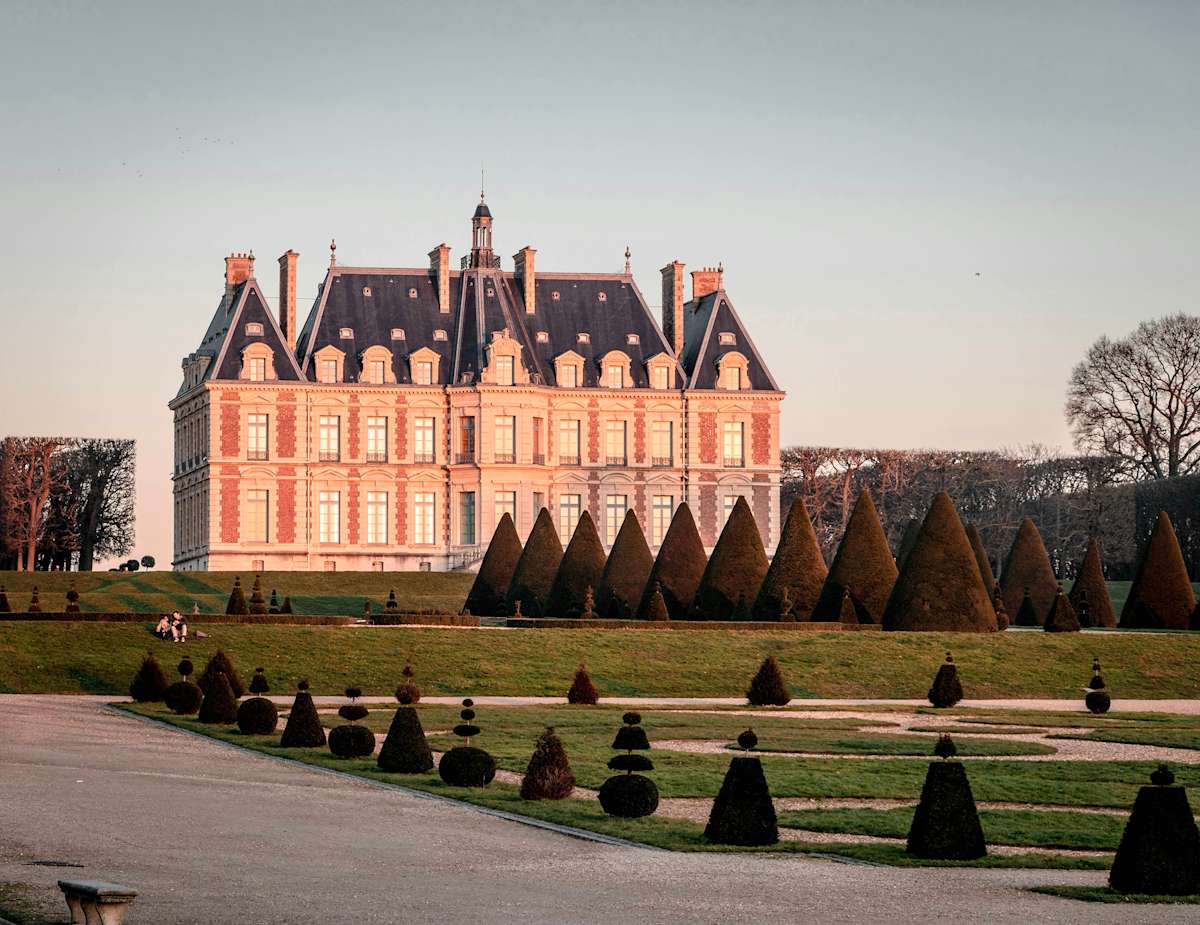
Japan doesn’t have a monopoly on cherry blossoms. In fact, there’s an historic park in Paris’s southern suburbs that celebrates the arrival of these pink blooms every April. According to Bordedebat, the month-long Cherry Blossom Festival in Parc de Sceaux gives the springtime tradition a striking twist. “This juxtaposition of delicate cherry blossoms against the backdrop of grandiose statues, fountains and meticulously manicured lawns offers a unique and picturesque experience,” he says. “Moreover, the festival often includes cultural activities, music and performances that celebrate both the beauty of the blossoms and the park's historical heritage, creating a distinctively elegant and immersive cultural event.” Even if your travel dates don't coincide with the Festival, Parc de Sceaux still makes an unforgettable day trip from central Paris, thanks largely to the Grand Canal that stretches for most of its length. “It was designed in the 17th century by André Le Nôtre, the renowned landscape architect behind the gardens of Versailles,” Bordedebat says. “It reflects the surrounding greenery, creating a serene atmosphere ideal for leisurely walks, picnics and enjoying the scenic beauty.”
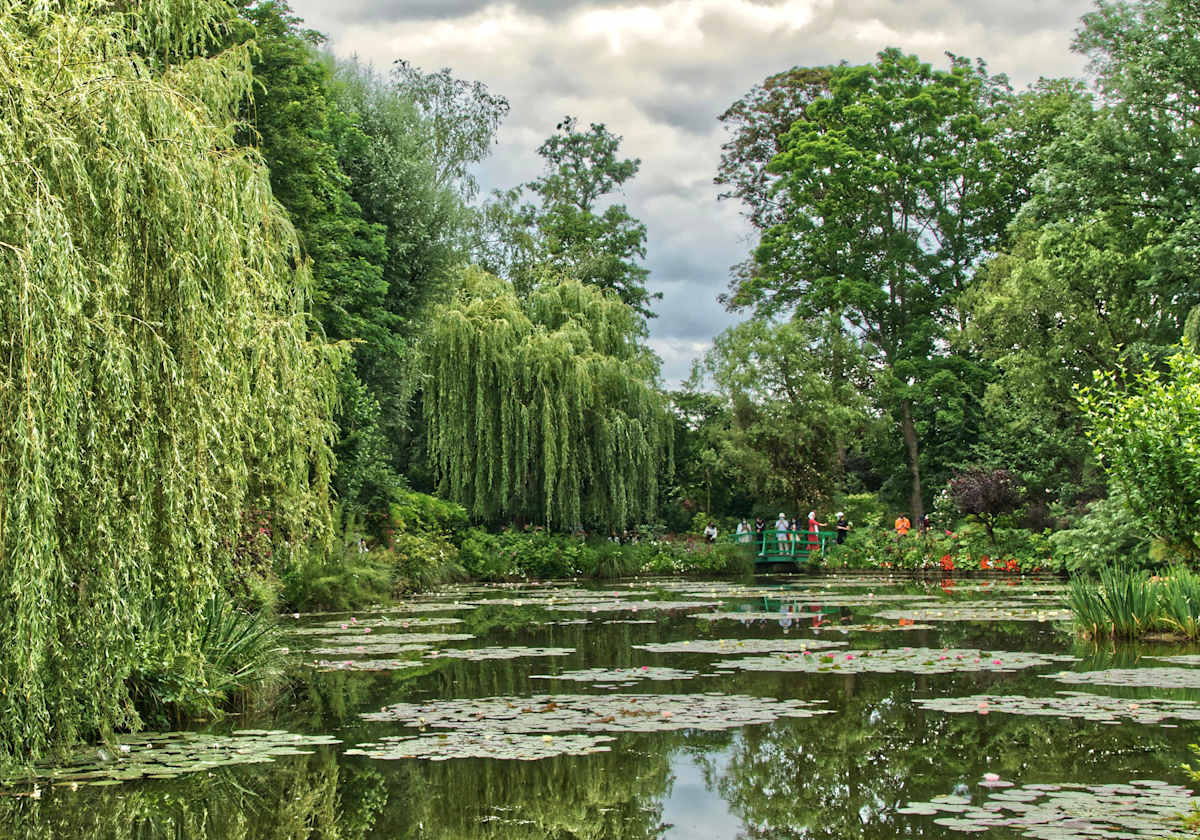
If Giverny feels like a living, breathing Impressionist painting, there’s a reason why: this commune on the right bank of the River Seine was once home to Claude Monet. It was here that the old master painted the likes of The Water Lily Pond, The Path Under the Rose Arches and The Japanese Footbridge, all of which feature his home and garden, now enshrined as a museum. “These gardens are a magnet for visitors because they offer an immersive experience of walking through Monet's living paintings, capturing the essence of his artistic vision and providing a peaceful retreat into nature's splendor,” Bordedebat says. “The quaint village ambiance and the opportunity to explore the house where Monet lived and worked make Giverny a delightful and culturally enriching excursion.”
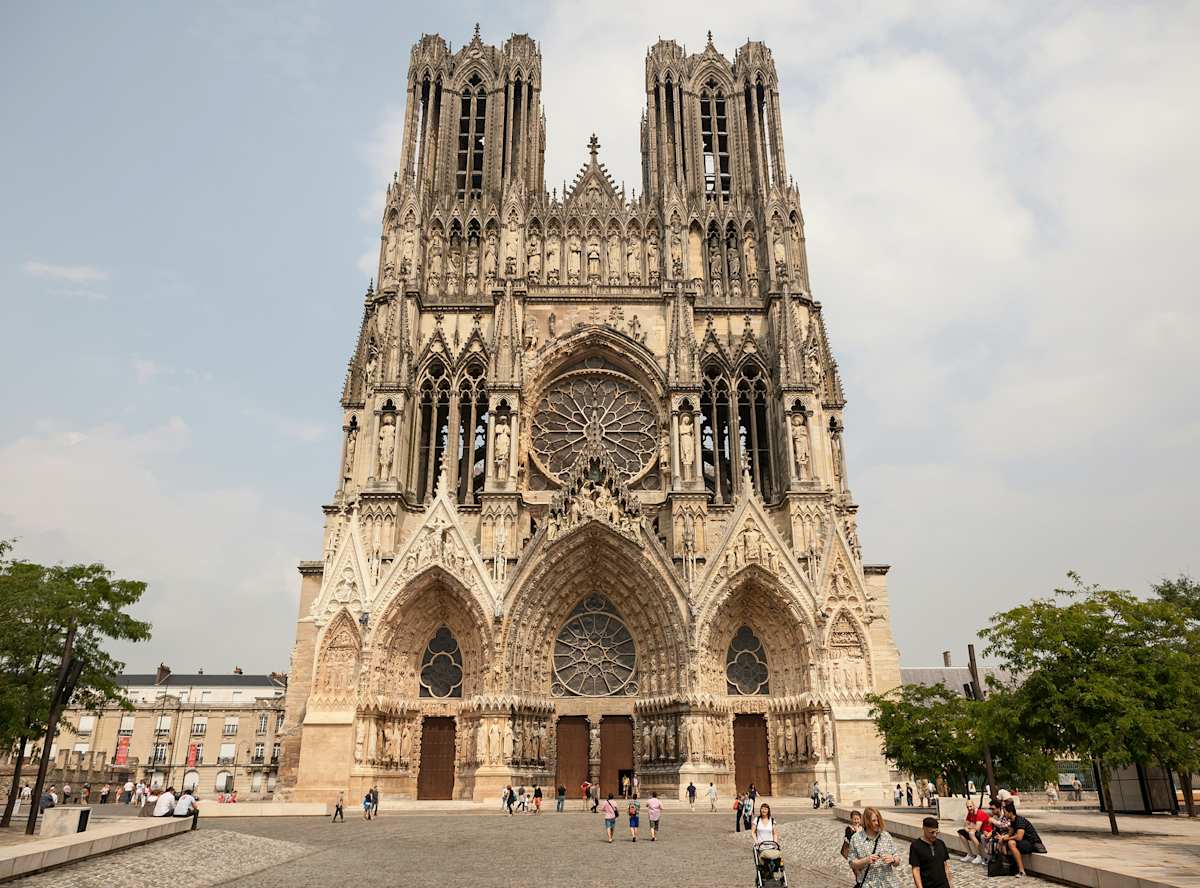
Situated at the heart of the Champagne region, Reims is widely known as the bubbly capital of France. Here you’ll find legendary producers like Veuve Clicquot, Taittinger, Laurent-Perrier and Ruinart, the latter of which, dating all the way back to 1729, is the elder statesman of the bunch. “Now, saying which one is the best is all a matter of taste,” says Bordedebat. “But each provides engaging and educational tours that enrich your understanding of sparkling wine.” After a tasting tour, plan for a picnic to soak up Champagne’s stunning scenery. Vineyards are the natural setting, and you’ll find plenty to choose from in the lush hillsides of Montagne de Reims Regional Natural Park. For something a little more mystical, Bordedebat suggests seeking out a section of the park known as Les Faux de Verzy, an ancient forest of twisted beech trees. Back in town, make it a point to visit Reims' Notre-Dame Cathedral, one of France’s most magnificent Gothic buildings, and the site of 25 royal coronations. A stroll through the downtown area reveals some striking Art Deco architecture: many of the structures here were built in the ‘20s and ‘30s after the city was razed in the First World War.
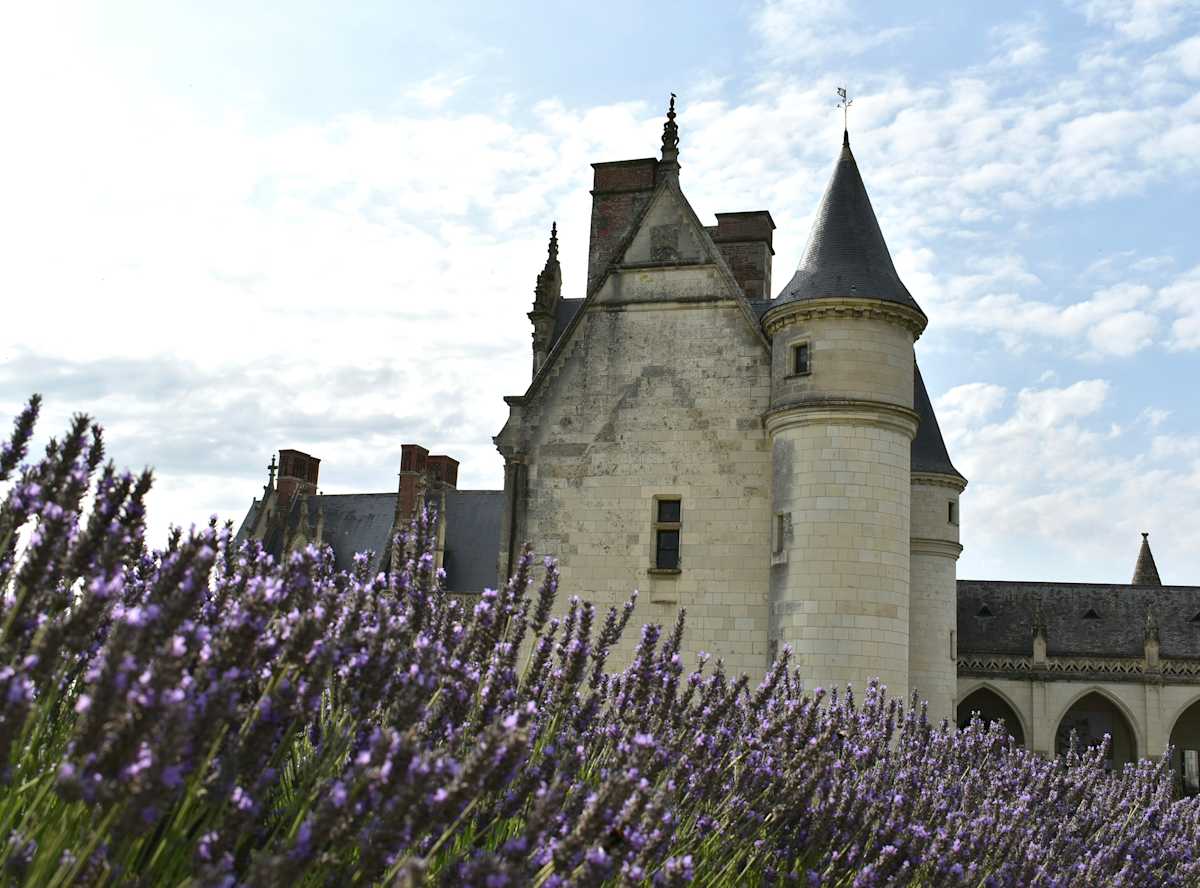
The French Renaissance is alive and well in Loire Valley, an hour-and-a-half train ride from the capital. Once a destination for France’s elite, these rolling hills are home to some of the country’s best-preserved 15th and 16th century chateaux, many of which are open to visitors. Pressed to choose a favorite, Bordedebat’s pick is the 440-plus-room Château de Chambord, on account of its “exceptional blend of Renaissance and medieval architecture, grand scale and rich history.” Afterwards, make the most of the Valley’s incredible outdoor recreation opportunities, from cycling the popular (and well-marked) Loire à Vélo bike trail to kayaking the Loire River and its tributaries. “Paddling along the waterways allows you to see the region from a different angle and discover hidden spots,” Bordedebat says, noting that the riverbanks are also ideal spots for observing local and migratory birds. “The Loire Valley is a haven for bird-watchers.” To round out your day, Bordedebat recommends a wine-tasting tour or even a hot-air balloon ride to take in every square mile of the magical countryside.
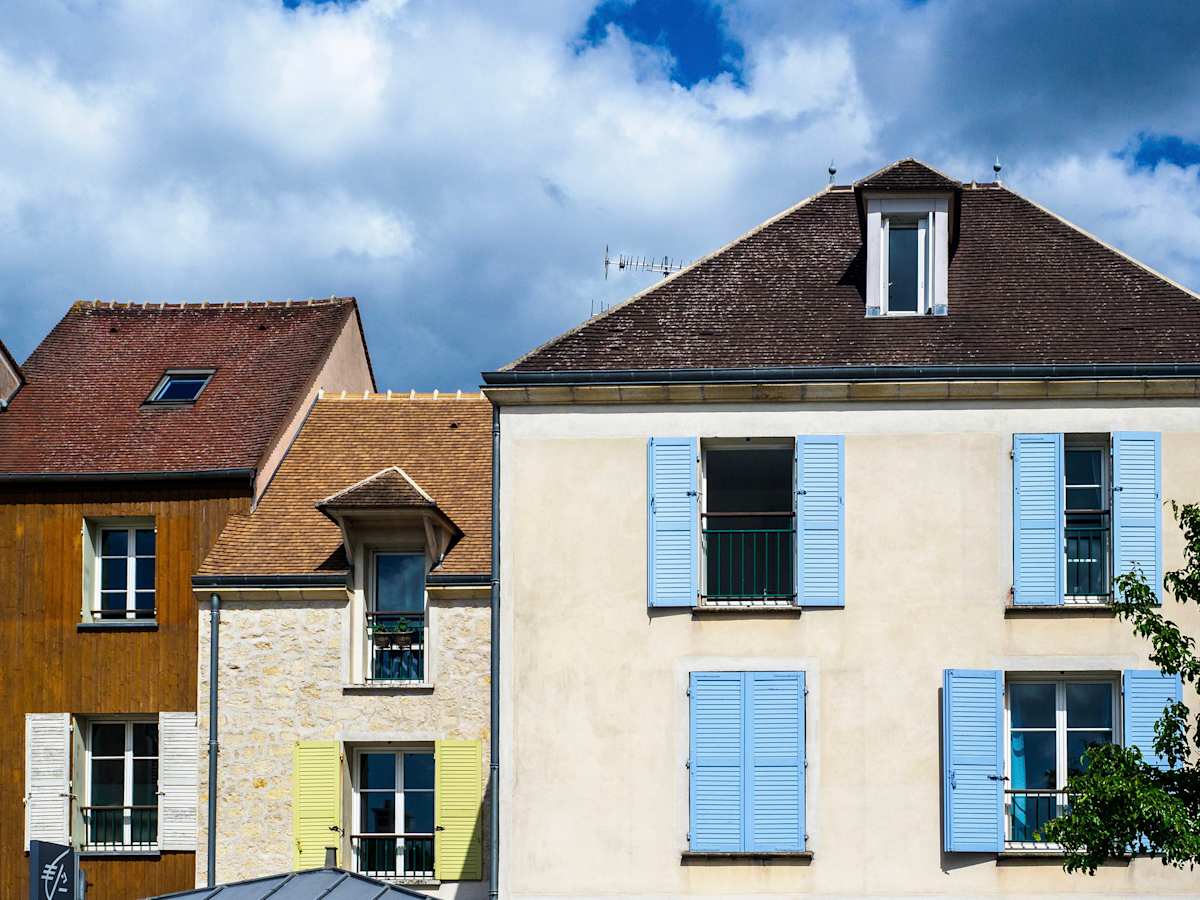
In 1890, Vincent van Gogh died in Auvers-sur-Oise at the age of 37. More than 130 years later, the famed Dutch painter continues to draw admirers to this picturesque commune northwest of Paris. Stop by van Gogh’s private residence — room no. 5 of Auberge Ravoux, an historic inn — to browse a collection of his paintings and letters. “The village retains much of its 19th-century ambiance, allowing visitors to walk in the footsteps of the renowned artist and visit nearby fields and riverbanks that inspired his art,” Bordedebat notes. Before calling it a day, consider checking out the house and studio of another famous Auvers-sur-Oise artist: Charles Daubigny, a landscape painter who helped pave the way for Impressionism.
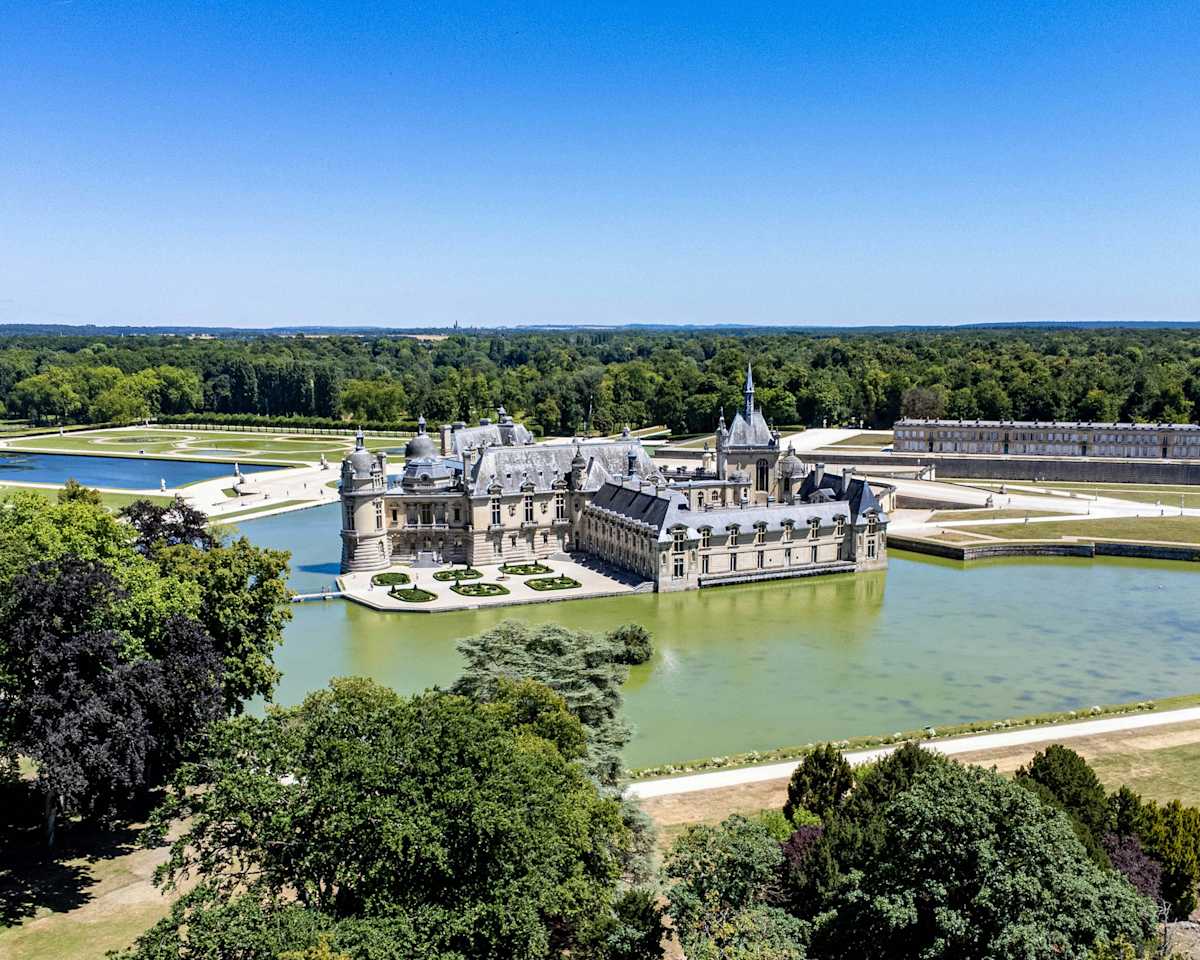
If Paris’s museums only served to whet your appetite for art and history, you’ll want to make the 25-minute train ride north of the city to Chantilly. It’s here you’ll find the opulent Château de Chantilly, with its delicate turrets, ornate balconies and symmetrical design looking straight out of a fairy tale. The magic continues inside at the Condé Museum, second only to the Louvre in terms of its antique art collection, including masterpieces by the likes of Raphael and Delacroix. Although it's easy to spend a full day among the artwork, Bordedebat suggests leaving time to discover the chateau’s grounds. “The expansive English-style gardens, featuring a picturesque lake and lush greenery, offer a peaceful retreat,” he says. ✦
Why France’s Most Revered Butter Is Worth Traveling For: A pilgrimage to Maison Bordier from Paris’ Left Bank to Brittany’s briny shores. Europe’s Most Beautiful Lakes: From a Scottish loch to an Alpine oasis in Germany, these five freshwater shores are worth planning a trip around. This Week-long Cruise Through Bordeaux is a Wine-lover’s Dream: Historic French villages, lush vineyards and plenty of wine and cheese make for perfect pairings on AmaWaterways’ AmaDolce. Follow Range on Instagram, Facebook and Pinterest. Sign up for the Range newsletter to receive expert advice, award-winning stories and the latest travel trends in your inbox.

OUR INSIDER
Xavier Bordedebat is the Vice President of Sales and Marketing at Lafayette DMC, one of France’s leading destination management companies and preferred partner of Ensemble. Bordedebat admits that he joined the tourism industry by chance, but his passion for exceptional service and the chance to share France’s beauty with travelers from around the world solidified his career path. "There’s so much to offer our customers,” he says. “It’s a good problem to have — a ‘champagne problem.'"
Contact your Ensemble travel advisor to learn more about the experiences available from Lafayette DMC.