At these iconic fish markets, selling seafood means serving culture — loud, proud and raw.
The Best Fish Markets Around the World
By Katie Sehl | November 3, 2025
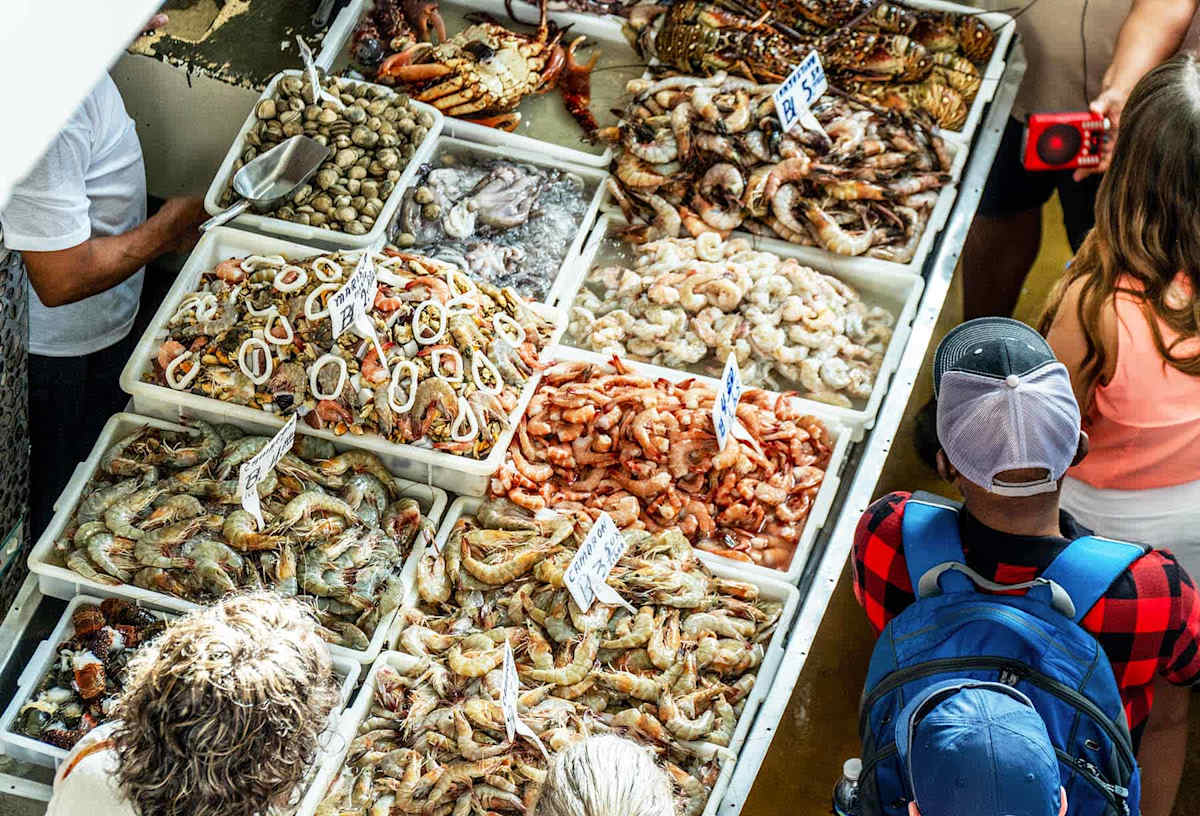
Mercado de Mariscos in Panama City, Panama.
Edwin Remsberg/Alamy
Panama City, Panama
Mercado de Mariscos As a country best known for its canal, it’s no surprise Panama’s capital is home to a market worthy of its waterway renown. The best way to whet your palate at this two-level complex — a short stroll from the historic Casco Viejo neighborhood — is with a cup of Panamanian ceviche, a spicy and citrusy mix of fresh catch, often corvina (sea bass), pargo (red snapper) or camarón (shrimp). Then cast your eyes — and appetite — over the main-floor fisheries with the aim of reeling in a mahi-mahi, cod, lobster or octopus to have cooked at one of the restaurants upstairs.
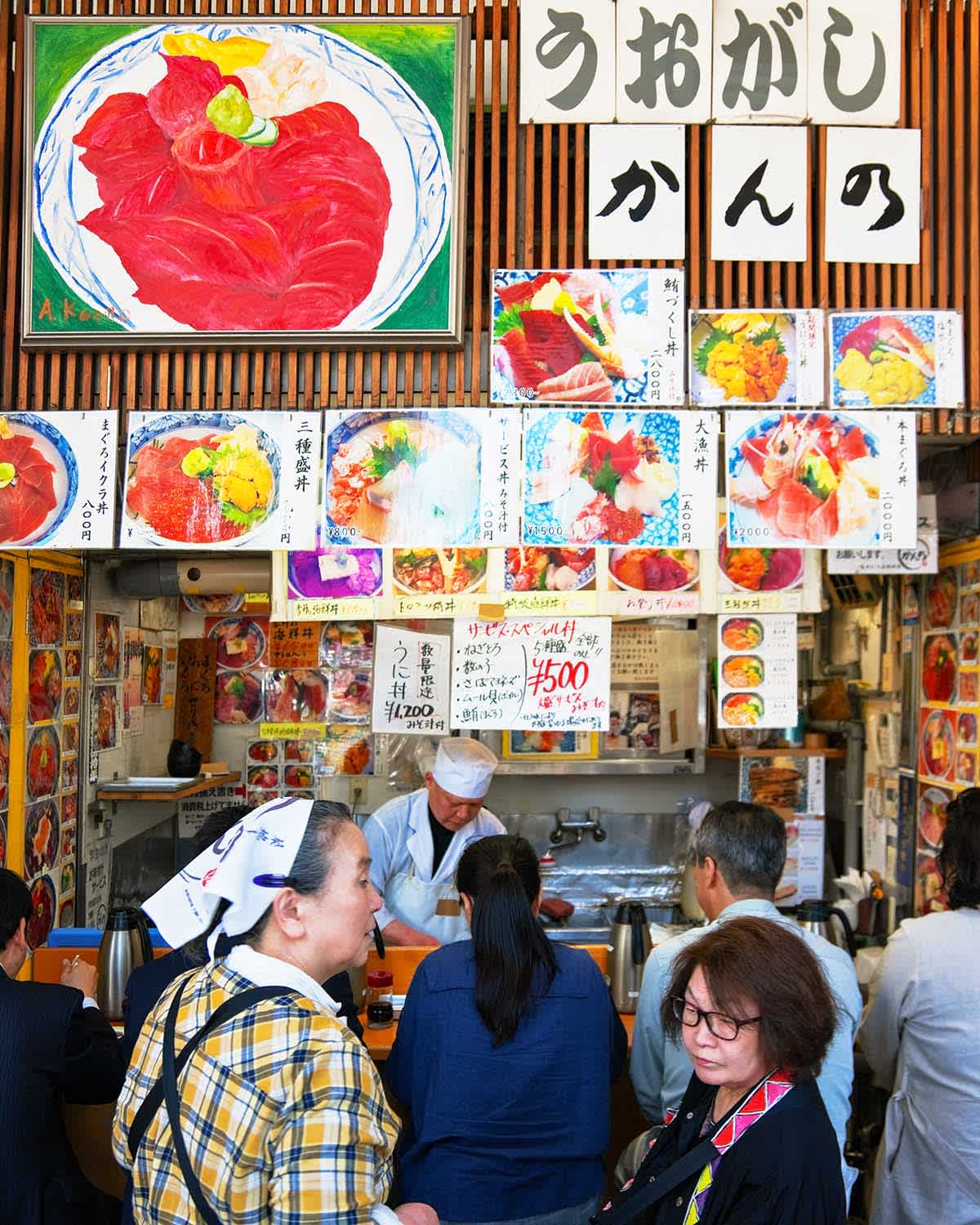
Tsukiji is one of Tokyo’s most famous markets.
B. Tanaka/Getty Images
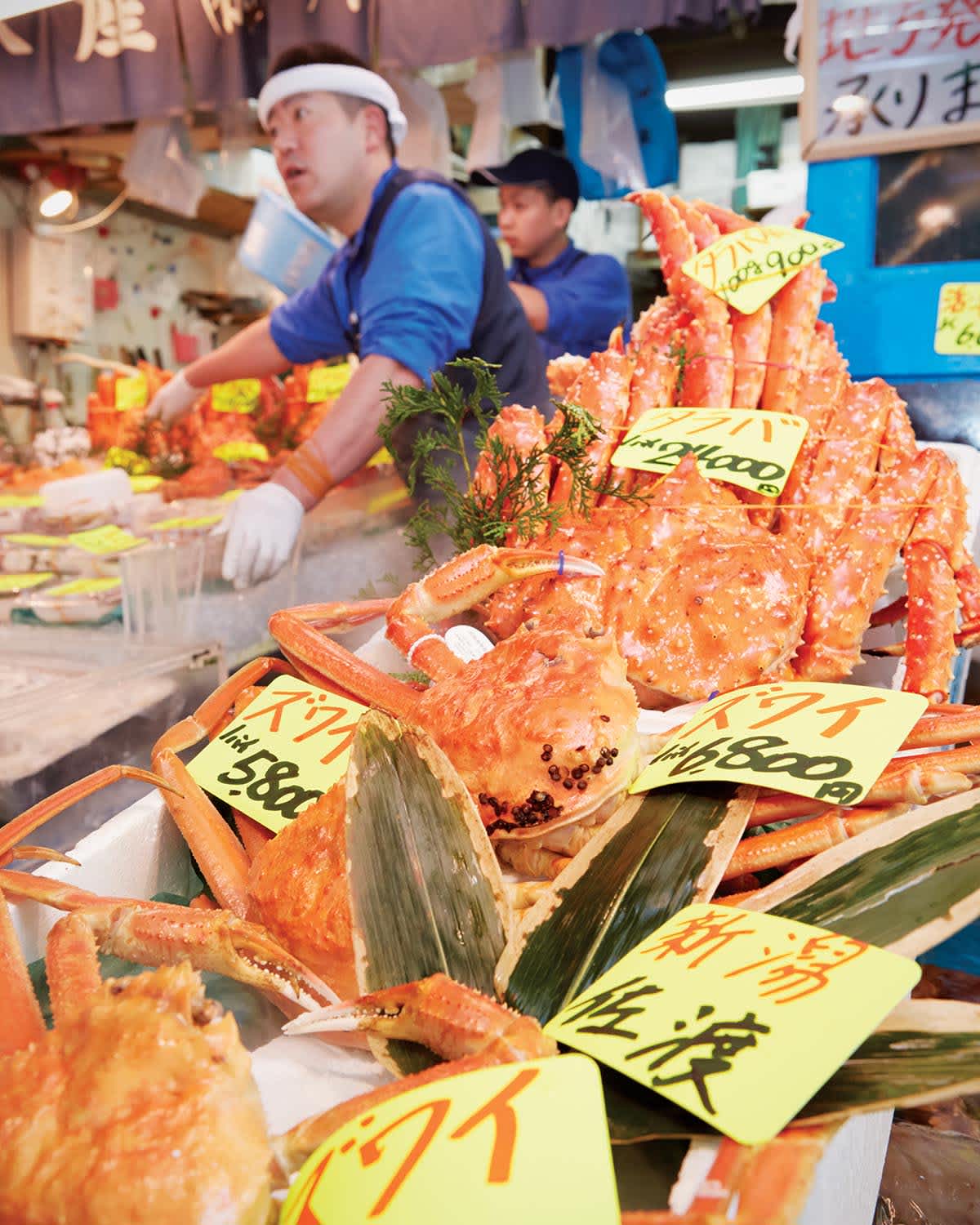
It specializes in a variety of items, including king crab.
Laurie Noble/Getty Images
Tokyo, Japan
Tsukiji Outer Market Once the world’s largest seafood market, Tsukiji shed a few pounds in 2018 when its wholesale operations relocated to Toyosu in Tokyo Bay, where a record-breaking 612-pound bluefin tuna sold for $3.1 million the following year. While the auction action now takes place at the new site, many vendors from the original market remain, among them tamagoyaki maker Shouro, green tea and seaweed supplier Jugetsudo, and samurai-sword-meets-knife maker Sugimoto. Of course, there’s fish, too, from omakase at Sushi Dai to scallop ramen at Tomizuru.
Plan your culinary adventure.
Hamburg, Germany
St. Pauli Fischmarkt Hamburg’s centuries-old Sunday market is more than just a place to buy Fischbrötchen (fish sandwiches) and bratwurst — it’s an experience. “Fish make you sexy” and other bawdy cries from the Marktschreier (market criers) bellow across the Elbe River as they auction their goods — mackerel, North Sea crab, kumquat, cacti — to the shyest bidders. It’s still dark — 5 a.m. in summer, 7 a.m. in winter — as early birds peck through the 70,000-strong crowd and night owls swoop down from the Reeperbahn to the old auction hall where beer flows and German pop blares till sunrise.
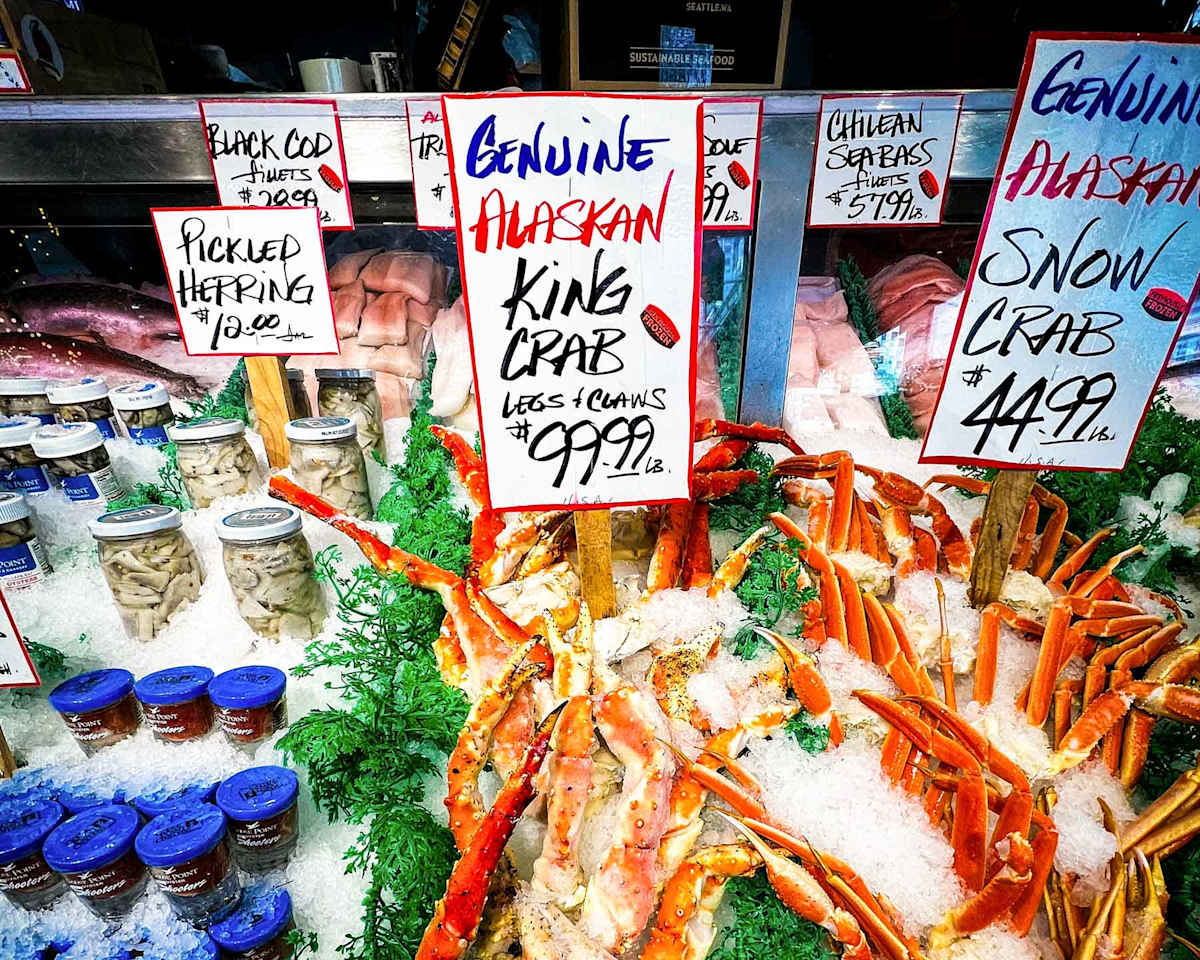
Pike Place Fish Market in Seattle.
Frankie Lopez/Unsplash
Seattle, United States
Pike Place Fish Market “Caution: Low Flying Fish” reads the sign as you approach this famed seafood shop where orange overall-clad fishmongers sling and sing orders like “Coho for Yoko” and “Black cod for Cho” across counters. Flying fish and cheeky customer service may be the draw here, but the market’s commitment to fresh, ethical and sustainable hauls of Copper River salmon, wild halibut and Dungeness crab are what keep shoppers coming back. That, and the nearby bronze-cast, life-size Rachel the Piggy Bank, which collects donations for the market’s foundation.
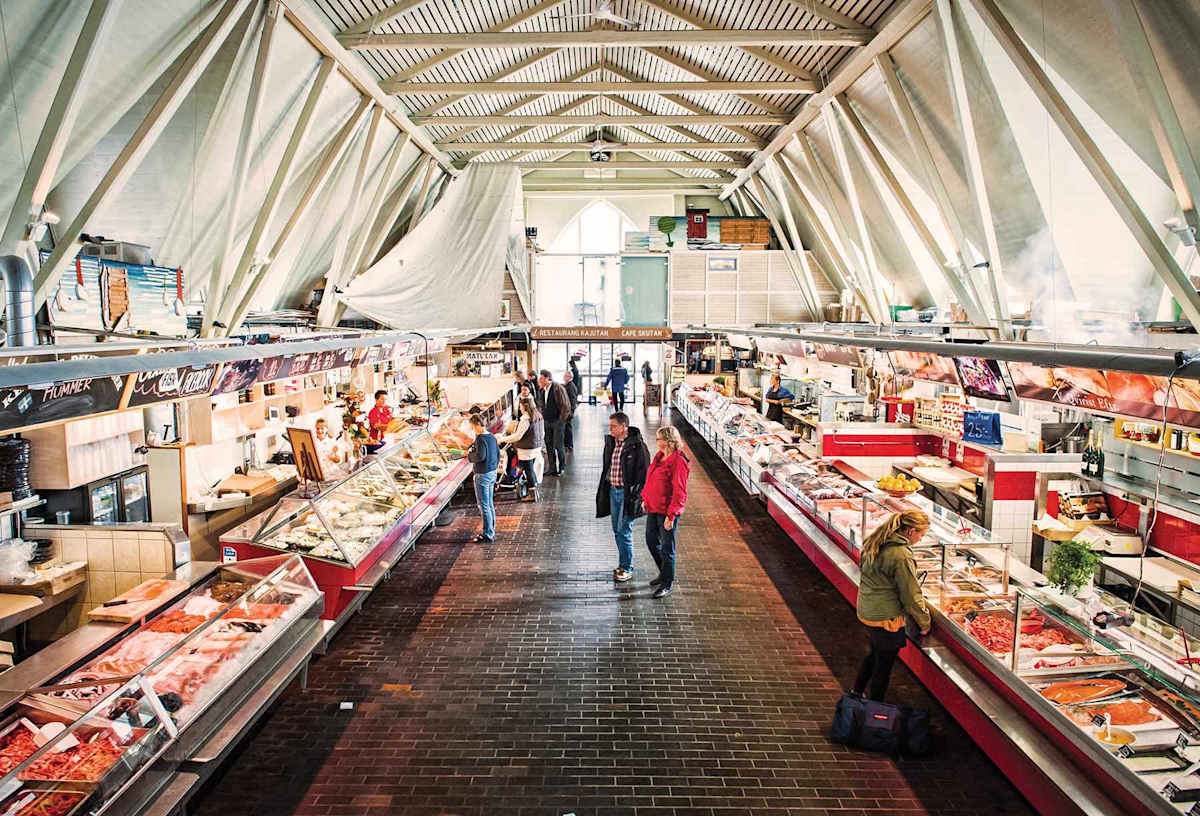
Feskekörka in Gothenburg, Sweden.
Lola Akinmade Åkerström/Geotraveler Media
Gothenburg, Sweden
Feskekörka No, this neo-Gothic building completed by city architect Victor von Gegerfelt in 1874 is technically not a place of worship. However, its Norse staves, arched windows and open nave earned it the nickname “Fish Church,” and so it was ordained “Feskekörka.” After a four-year renovation, the market reopened in May 2024 with 130-foot-long sales counters, three restaurants and a bar where schnapps — the local spirit of choice — is on tap. When the sun shines, patrons fill the pews of the outdoor Pråmenaden, a floating barge-like terrace in the Rosenlund Canal.
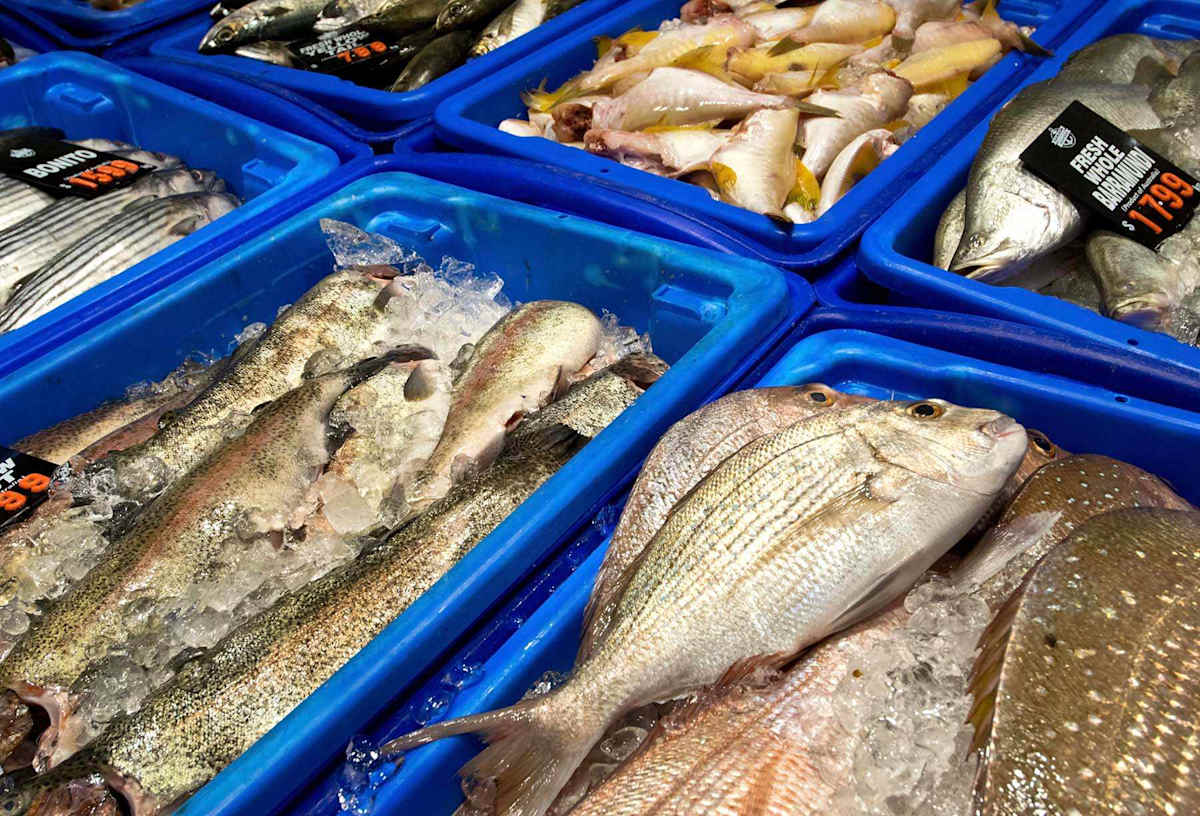
The Sydney Fish Market is set to open on January 19, 2026.
Václav Mach/Adobe Stock
Sydney, Australia
Sydney Fish Market Considered the city’s most significant harborside building since the Sydney Opera House, the new Sydney Fish Market at Blackwattle Bay will be the largest market in the Southern Hemisphere when it opens in early 2026. Its crowning feature — a scale-patterned roof that ripples like the bay itself — nods to the fishing industry with 400 shimmering panels and 594 timber beams. Beneath the wave, a mix of fish traders, cafes, bars, a flagship 330-seat restaurant by local celeb chef Luke Nguyen and a seafood culinary school are expected to lure in more than six million visitors each year.
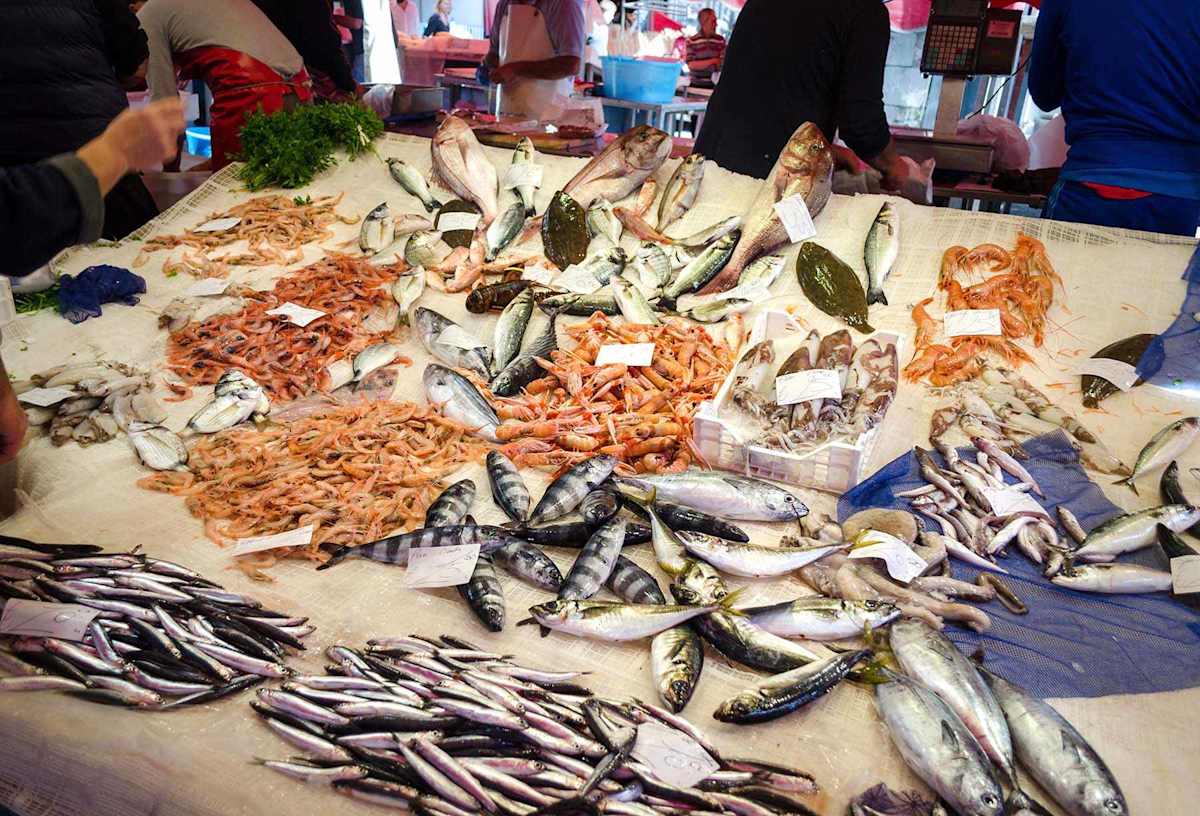
La Pescheria in Catania, Sicily.
Michal/Adobe Stock
Sicily, Italy
La Pescheria When in Catania, Sicily, do as the locals do and sling back a tray of oysters for breakfast. Every morning between Monday and Saturday, fishmongers spill onto the tangle of vias and piazzas under a sea of coral-colored umbrellas in the city’s historic center. Near the Piazza del Duomo, the Carrara-marble statue atop the rushing Fontana dell’Amenano looks on as marketgoers shuffle between buckets of shell-pink prawns and ice-packed troughs of sea urchin, silver sardines and meaty cuts of swordfish (alongside their hulking heads). Wash down the oysters with a seltz — soda water with a spritz of lemon and sea salt — and tuck away a salty panino alla Catanese stuffed with anchovy, tomato and basil for later. ✦
Explore More
72 Hours in Tokyo: Pack your appetite — there are more Michelin-starred restaurants in the Japanese capital than anywhere else on Earth. You Can Tour Celebrity Chef Nadia Lim’s Farm — Here’s What to Expect: Regenerative farming meets fine dining at Royalburn Station in New Zealand. Where to Eat in the World’s Top Cruise Ports: Before setting sail, fill your restaurant passport in cities like Vienna and Budapest. Follow Range on Instagram, Facebook and Pinterest. Sign up for the Range newsletter to receive expert advice, award-winning stories and the latest travel trends in your inbox.