With its rich Spanish and Aztec history, world-class museums and exceptional dining scene, Mexico’s capital city has something for everyone.
With its rich Spanish and Aztec history, world-class museums and exceptional dining scene, Mexico’s capital city has something for everyone.
By Simone Olivero | June 22, 2026
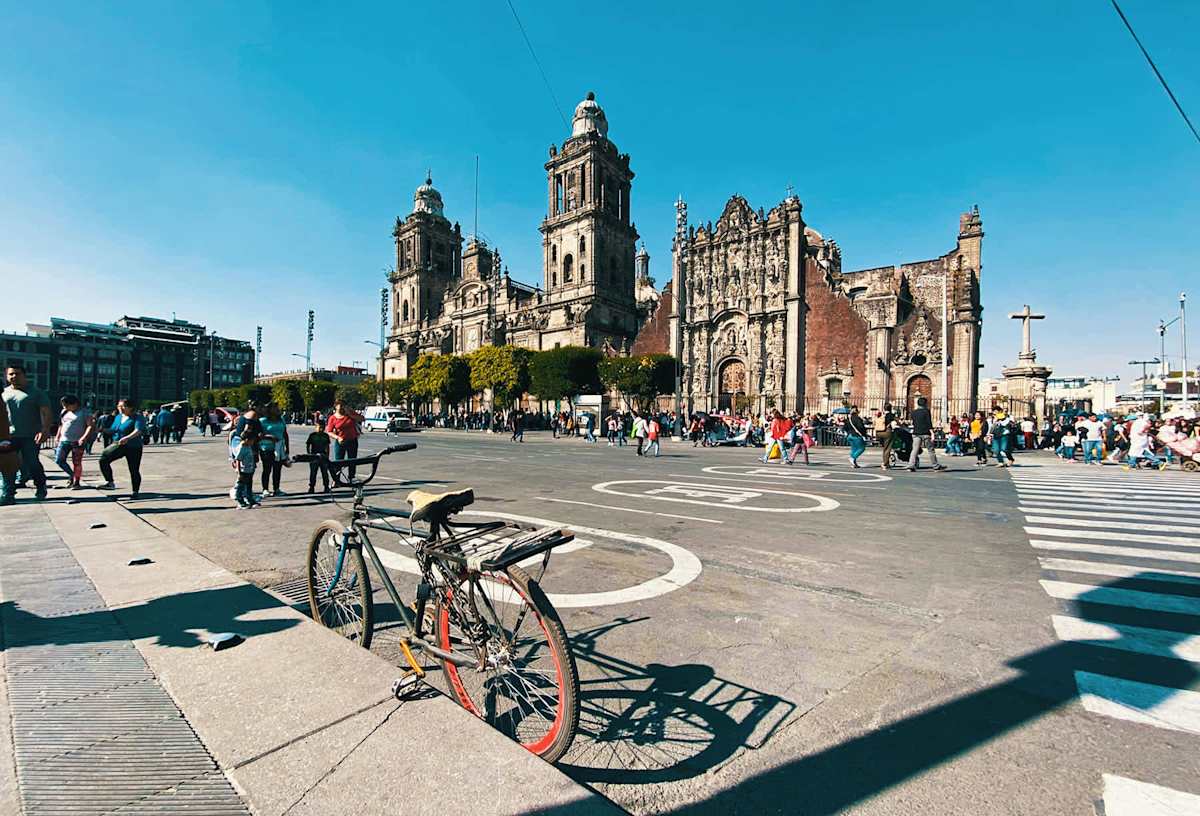
Spanish-colonial architecture and relics of Mexico’s Mesoamerican past combine in Centro Histórico, the beating heart of la Ciudad de México (CDMX). Here, you’ll get a front row seat to the Zócalo plaza, once a ceremonial square used by the Aztecs that’s now home to the Palacio Nacional and the Mexico City Metropolitan Cathedral, which dates back to 1562 and is one of the largest cathedrals in the Americas. Perfect for short stays, this neighborhood puts you at the center of the city’s iconic sights, such as the gold-roofed 19th-century Palacio de Bellas Artes, home to Diego Rivera’s controversial Man at the Crossroads mural; Plaza Garibaldi, a hotbed of mariachi culture (groups have been gathering and singing in this square since the 1920s) and colorful markets such as Mercado de Artesanías La Ciudadela, for lucha libre (Mexican wrestling) masks and sugar skulls.
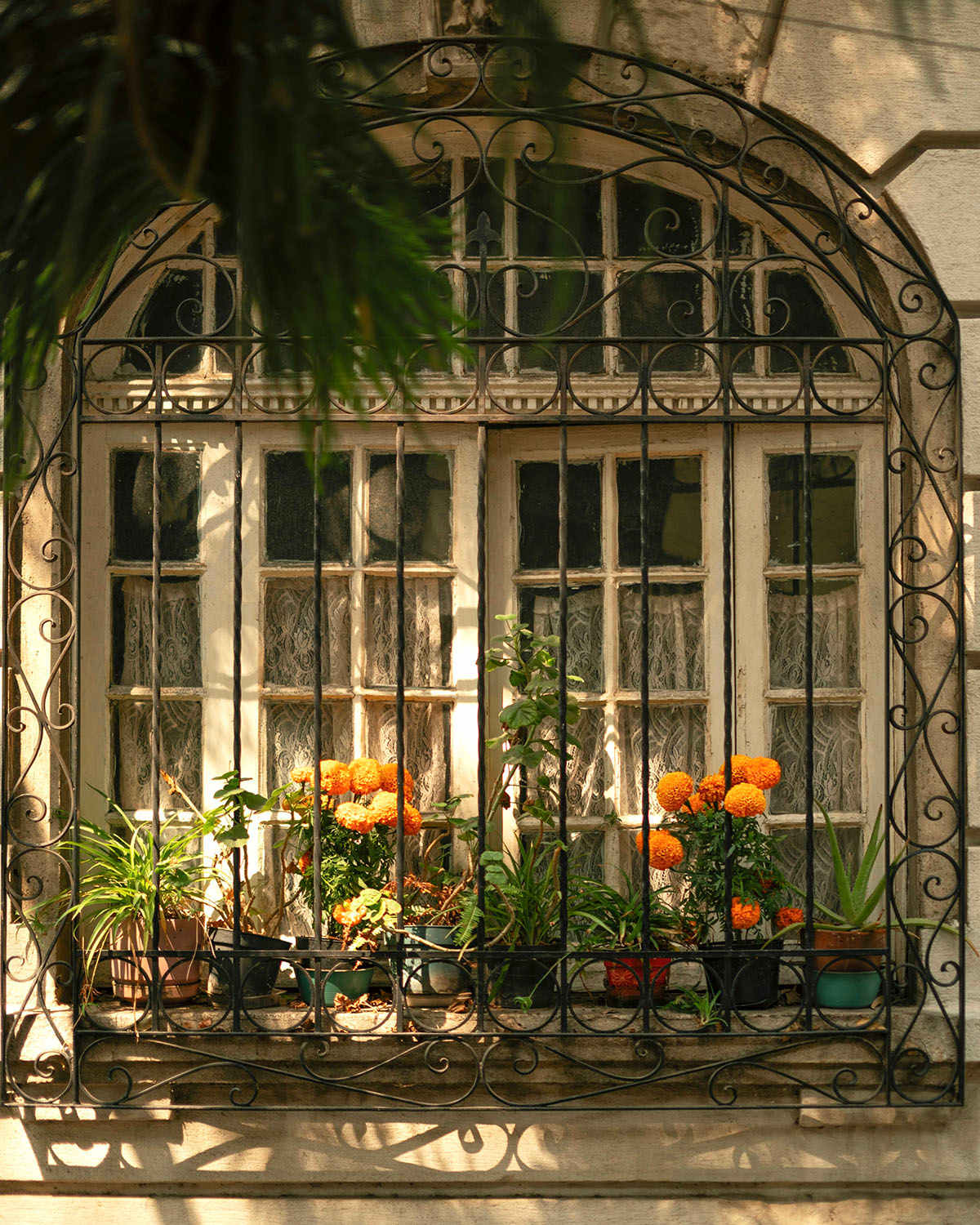
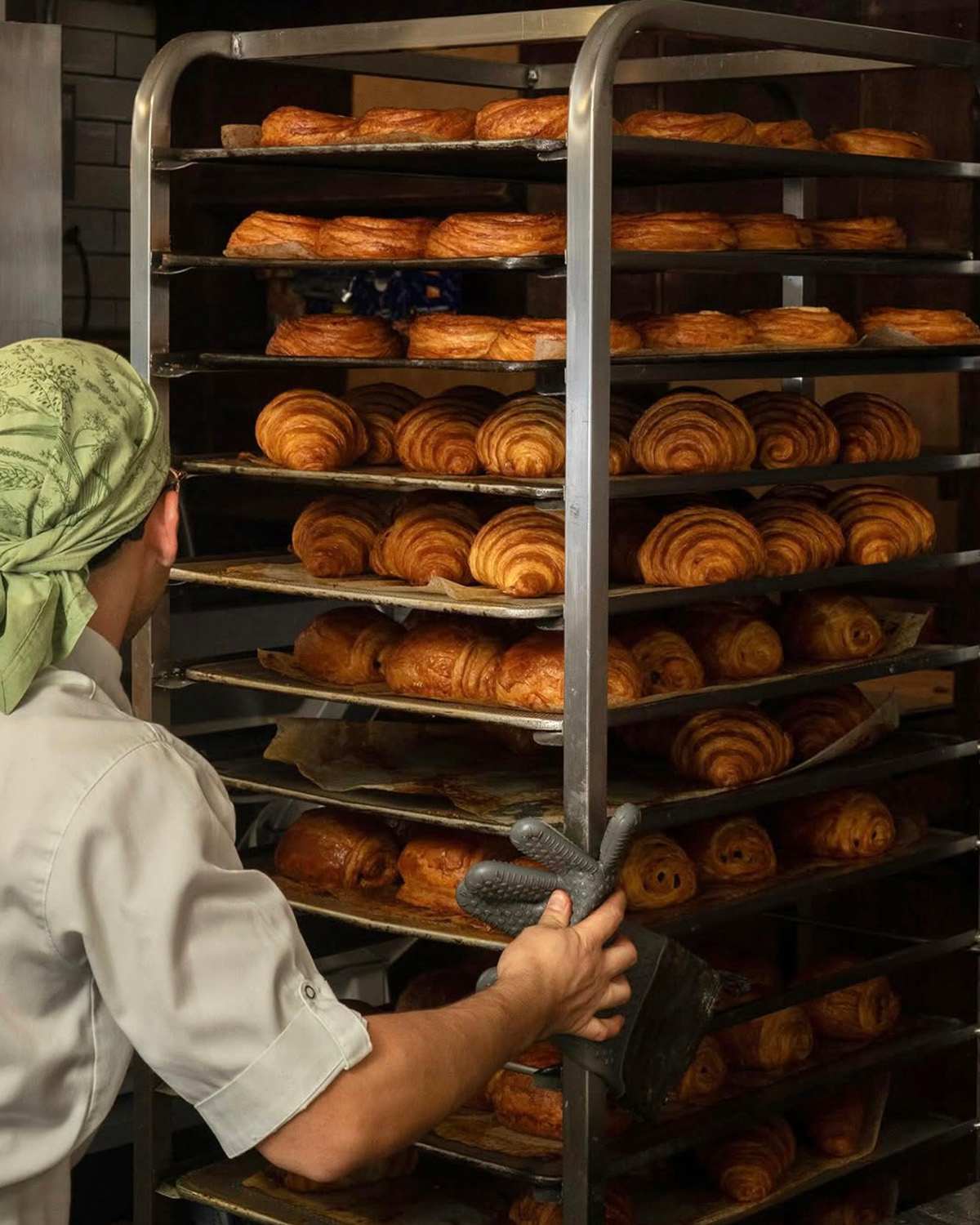
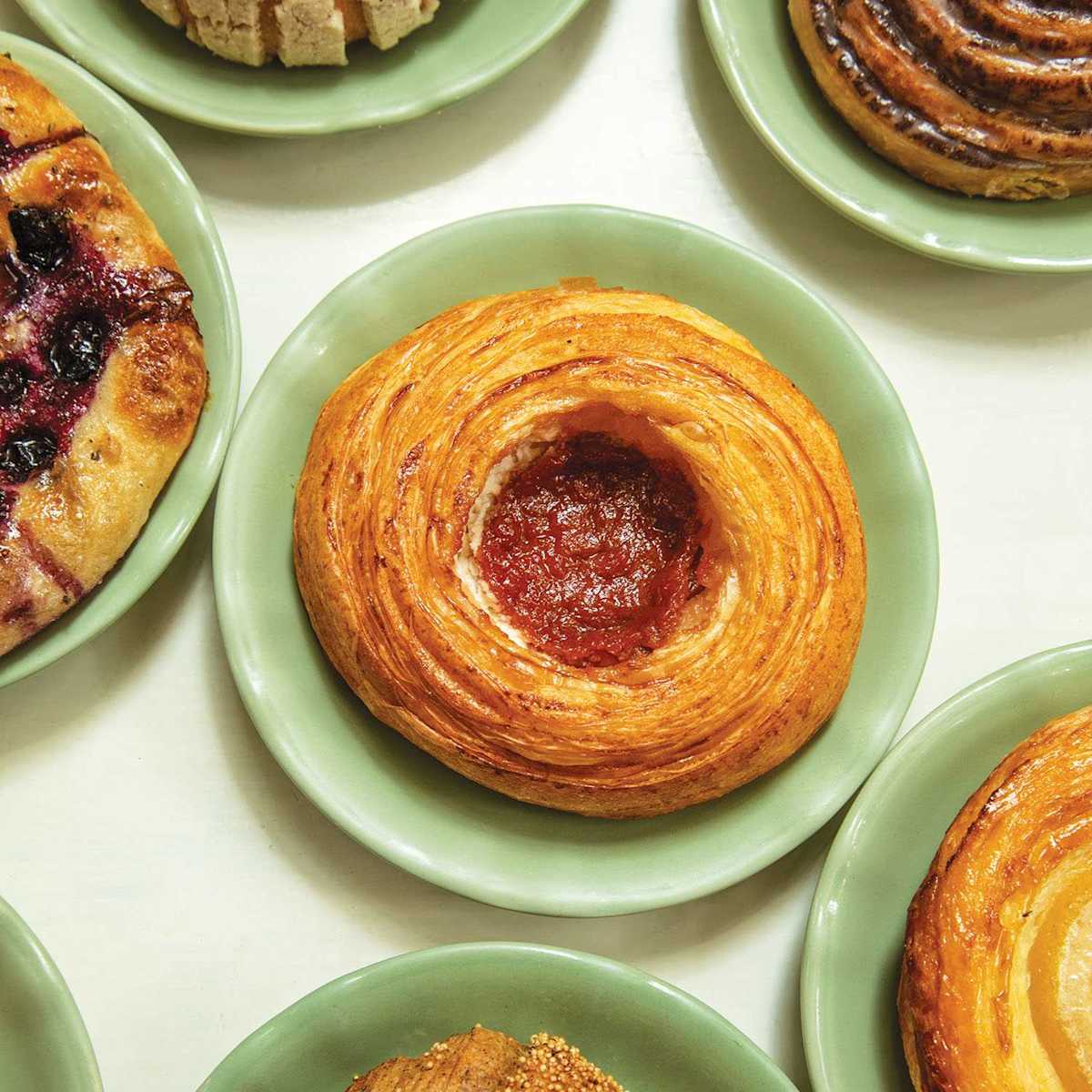
If you’re looking for a taste of Paris in Mexico City, head to the leafy streets of Roma Norte. Built in the late 19th and early 20th centuries, this trendy enclave just east of the sprawling Bosque de Chapultepec is designed for strolling, with wide boulevards and a heavy concentration of art deco mansions, many of which have been converted into small hotels, galleries and restaurants. Visit the quirky Museo del Objeto (MODO) and OMR, with contemporary installations from Latin American artists, during your stay. When the afternoon heat arrives, retreat to a shaded cafe for a well-executed espresso and pastry — Panadería Rosetta is a popular choice — or simply people watch while perched on the fountain wall at the Plaza Río de Janeiro. Charming restaurants, excellent takeout spots such as Taquería Orinoco and if-you-know-you-know street vendors like Jenni’s Quesadillas provide a wealth of dining options at every price point.
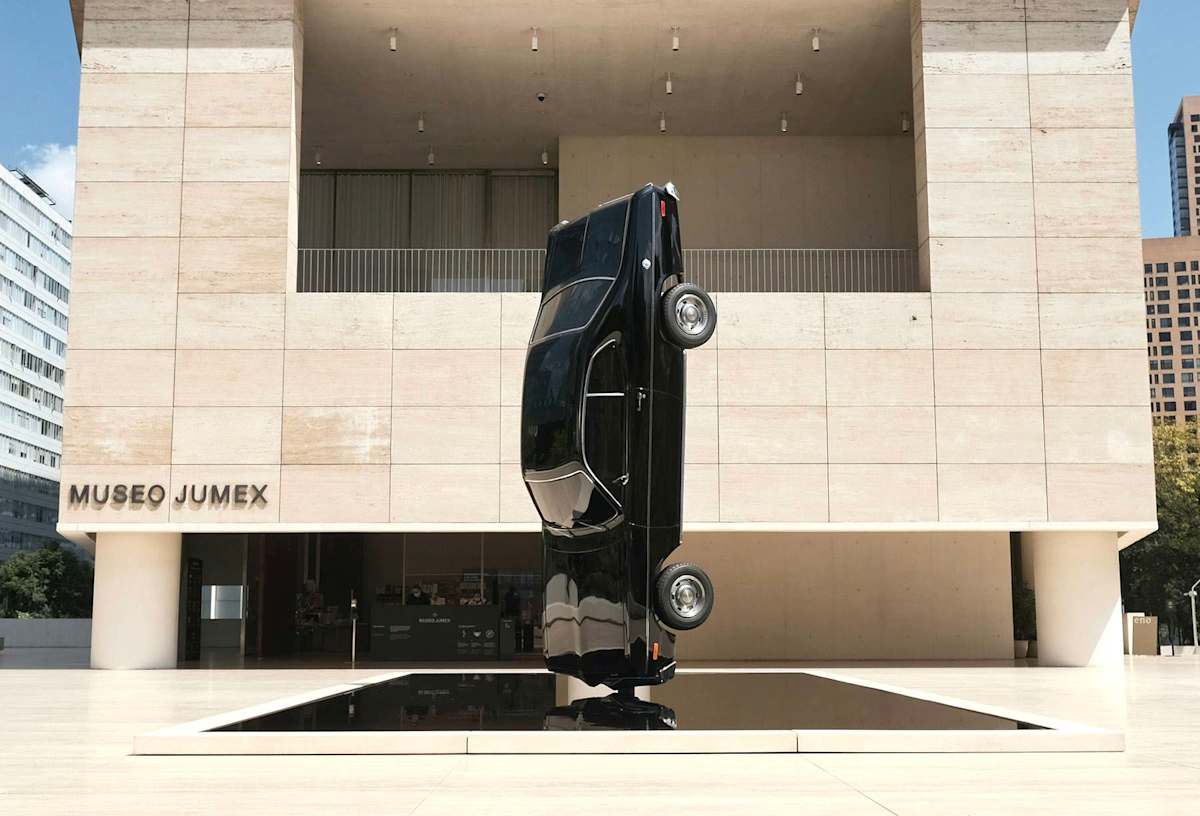
Known as the “Beverly Hills of Mexico City,” Polanco’s immaculate streets are lined with luxury shopping and upscale restaurants, including the city’s two Michelin-starred restaurants, Pujol and Quintonil. But the best reason to stay here is a visit to the Museo Soumaya, a windowless hourglass-shaped building coated in a shell of 16,000 mirrored hexagonal aluminum tiles. Founded by Mexican billionaire Carlos Slim, the private museum is free to visit and has a collection of more than 66,000 works, including the largest collection of sculpture casts outside of France by Auguste Rodin and the world’s largest holding of pre-Hispanic and colonial-era coins. For a contemporary fix, Museo Jumex, across the plaza, has one of the largest private collections of contemporary art in Latin America, with works by Andy Warhol, Jeff Koons and Damien Hirst.
Plan your ultimate adventure.
Our Ensemble travel advisors will design a one-of-a-kind, extraordinary vacation - just for you.
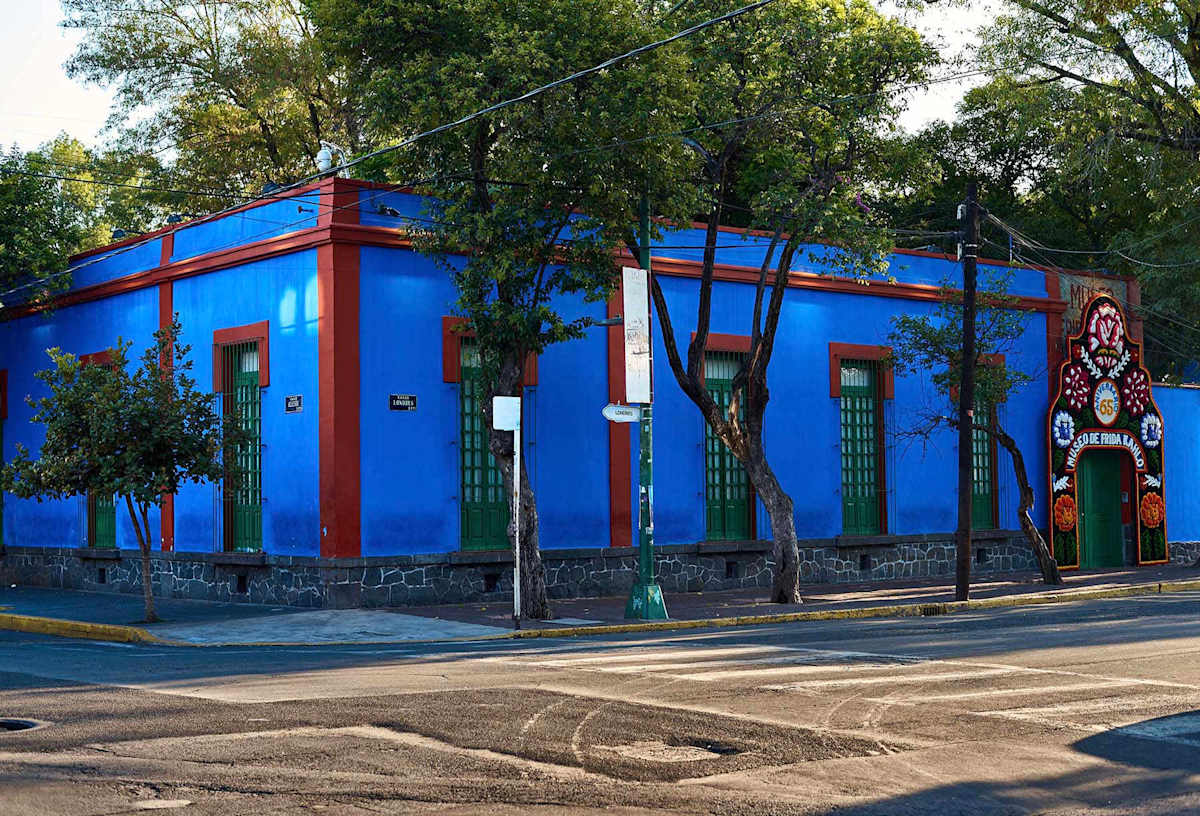
Fans of the Mexican painter can get a taste of where the artist lived by booking a stay in Coyoacán, just 30 minutes by car outside of the city center. It’s home to la Casa Azul, Kahlo’s famous Blue House — now the Museo Frida Kahlo — where she grew up and later died alongside her husband, muralist Diego Rivera. In 2025, Museo Casa Kahlo, or “Casa Roja,” opened a few doors down, highlighting the artist’s early life, family and upbringing. Wander the colorful, tree-lined cobblestone streets, well-manicured parks and visit landmarks like the 16th-century parish of St. John the Baptist, one of the oldest churches in Mexico. The bright yellow Coyoacán market is a great place to pick up souvenirs, like woven baskets and Mexican blankets, and sample iconic dishes like Tostadas Coyoacán: Crispy tacos piled high with topping such as octopus, cow’s tongue, chicken mole and more.
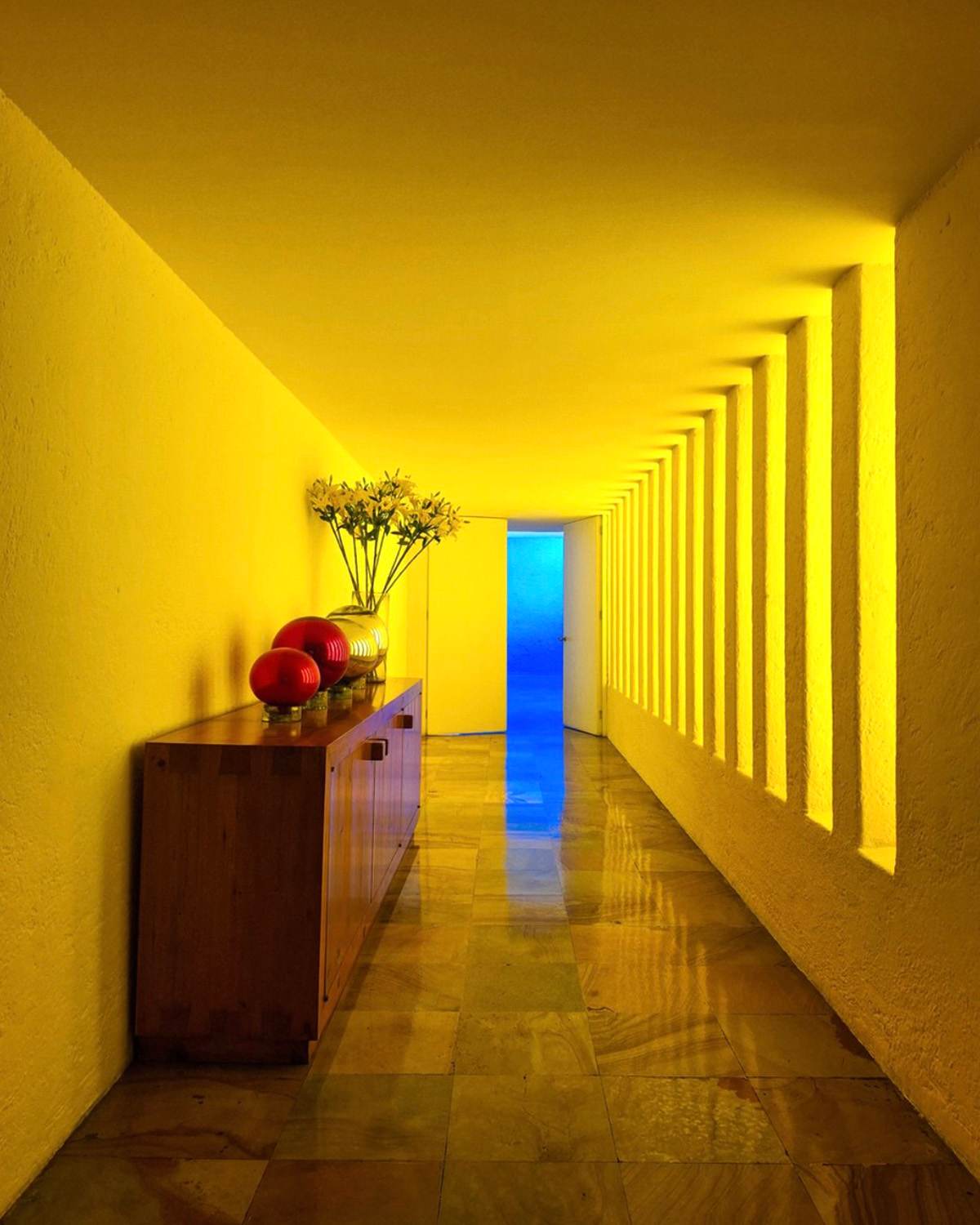
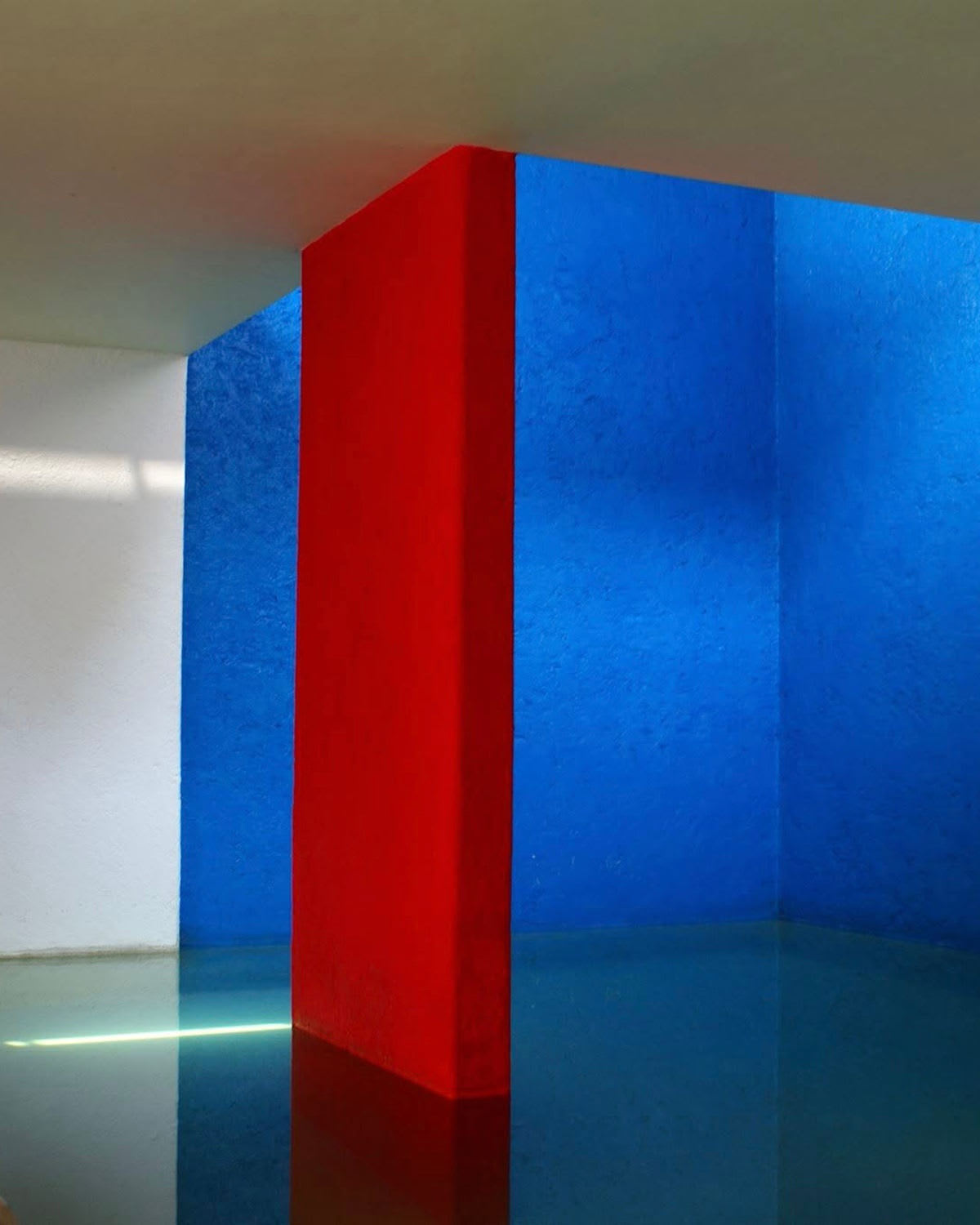
Translated as “the countess,” this classy neighborhood lives up to its name and is the perfect escape for those seeking a reprieve from the buzz of the capital. Don’t go in search of sights and souvenirs — here, you’ll find beautifully appointed boutique hotels, designer clothing stores, trendy restaurants and stylish sidewalk cafes, plus a large park with fountains and places to escape the afternoon heat. For a hit of culture, make a reservation at Casa Gilardi, a minimalist color-blocked home designed by Mexican architect Luis Barragán. Tours are operated by the current family in residence.
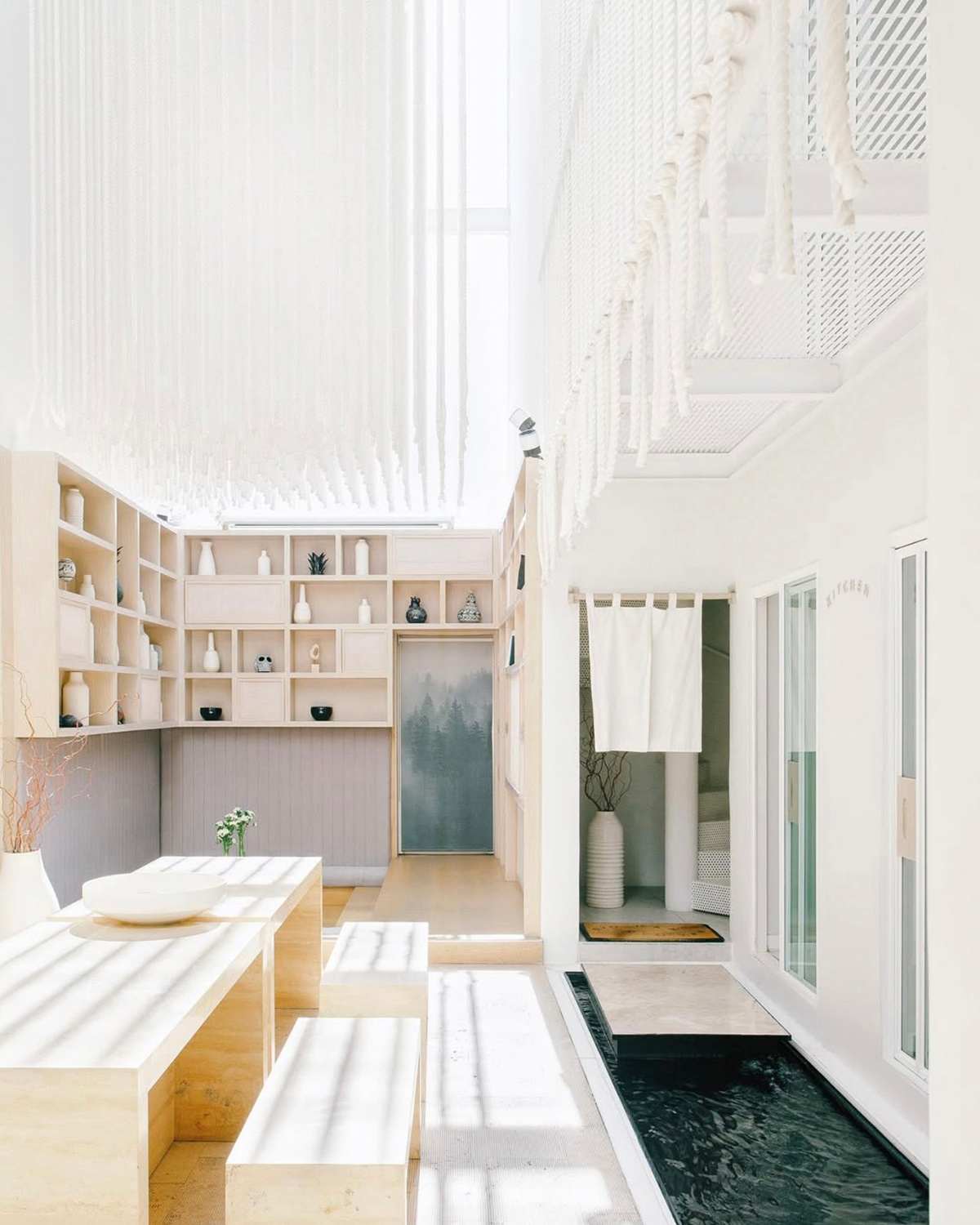
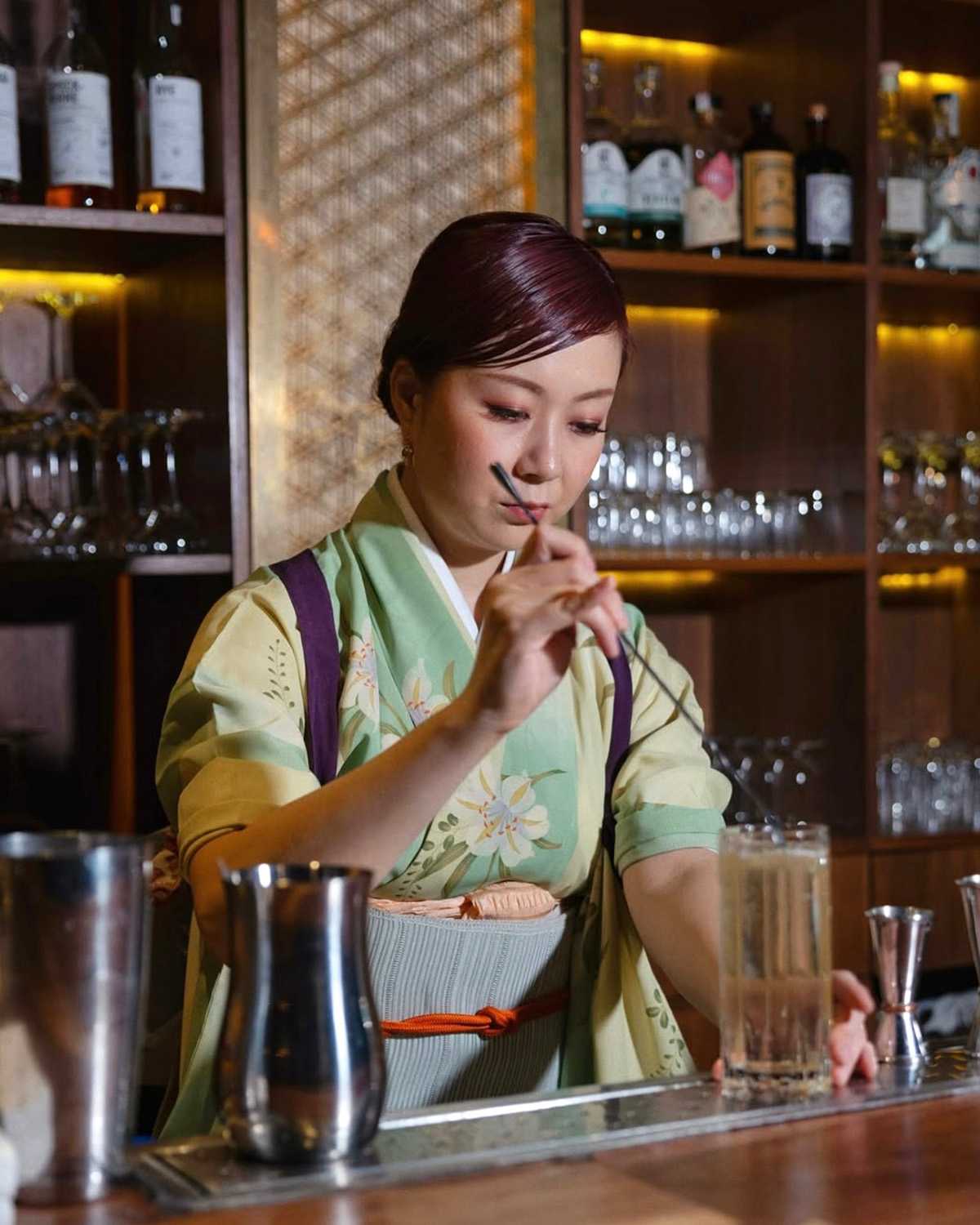
Considered a micro-hood, Little Tokyo offers some of the best ramen and yakitori on this side of the globe. A tiny pocket above La Reforma in Cuauhtémoc, this off-the-radar spot rewards visitors with cool, minimalist Japanese architecture, edgy vintage shops and a healthy selection of hip bars and music venues. Discover the quiet oasis of Ryo Kan, a Japandi-style hotel with a spa where you can get a massage or enjoy a rooftop soak in one of the tubs. Craft cocktail-lovers will relish in the after-dark scene, with underground bars such as Minos Sound Room beneath the Volga hotel or Tokyo Music Bar, which was recently recognized by The World’s 50 Best Bars.

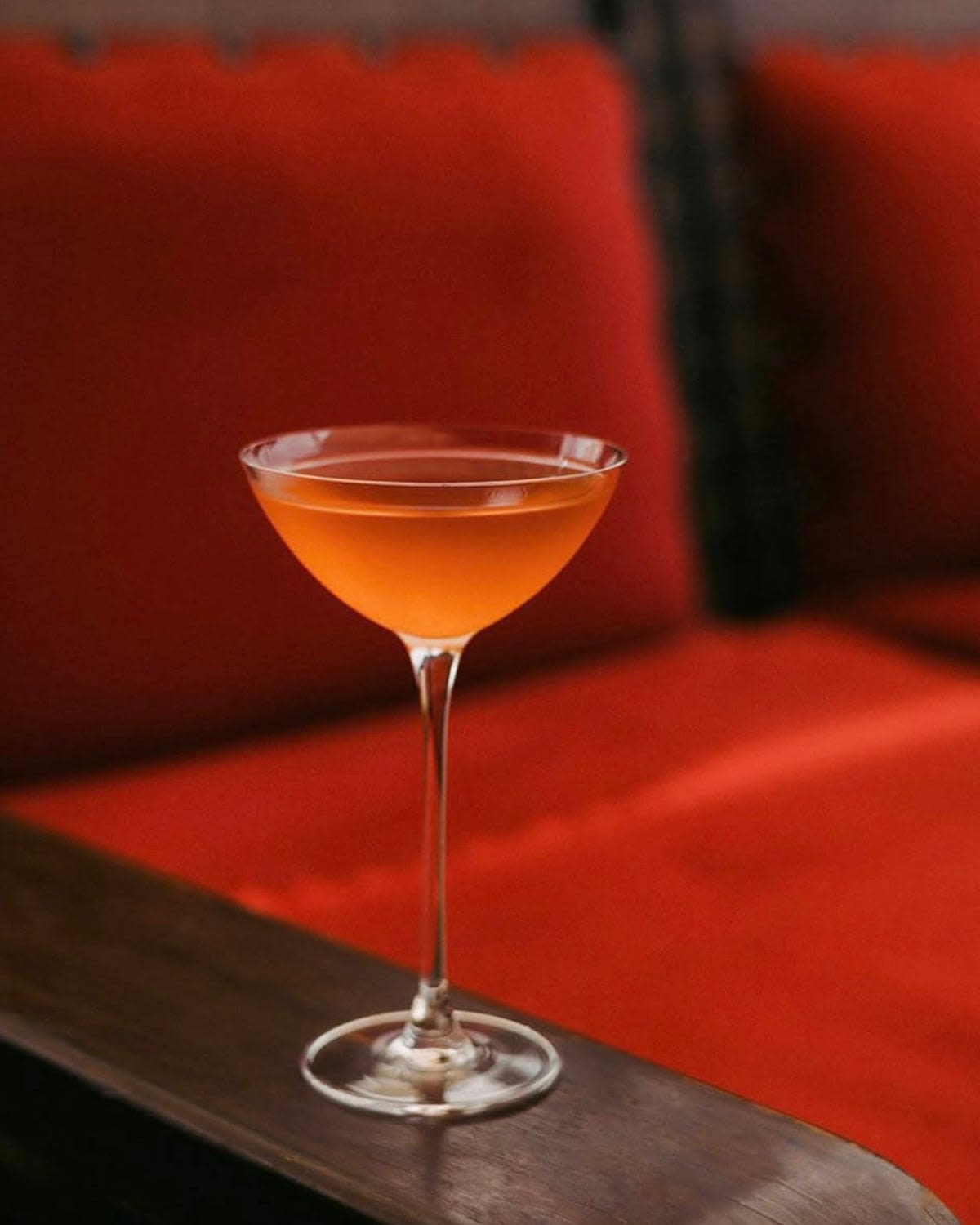
Night owls will want to stay in the heart of the action. Beginning in the 1950s, this area became a mash-up of bohemian bars and clubs filled with artists and writers, and exclusive dress-code-only venues frequented by politicians. Lacking the edge of a red-light district, Mexican painter José Luis Cuevas coined the nickname “Zona Rosa” (Pink Zone). The name stuck — and so did the vibe. Today, you’ll find a strong LGBTQ+ and Korean community and lots of nightlife on offer, from rowdy dance-until-you-drop clubs to prohibition era-style bars. In 2024, Handshake Speakeasy was named Best Bar in the World by The World’s 50 Best Bars. ✦