Amid the glow of new Michelin stars, the province’s deep culinary roots shine through.
A Taste of Quebec, with a Side of Stars
By Ivy Lerner-Frank | September 22, 2025
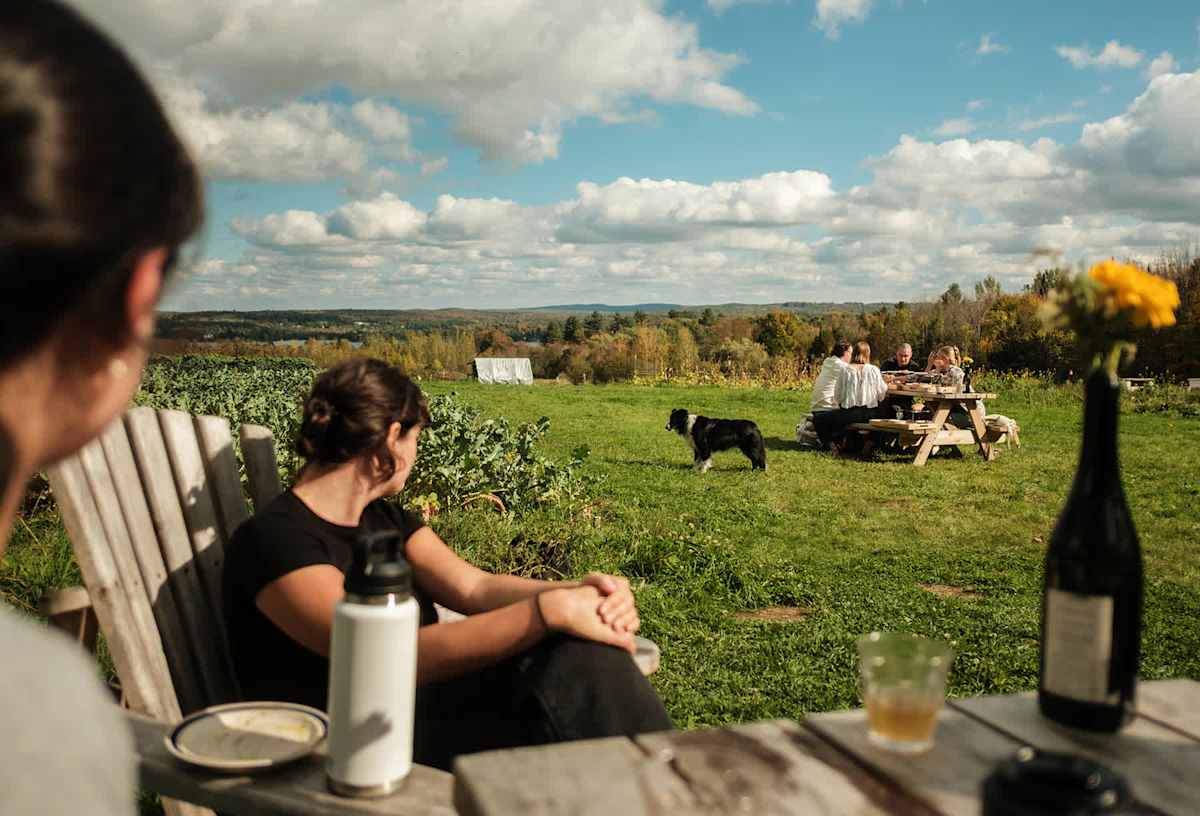
Overlooking Lake Memphremagog in the Eastern Townships, Parcelles farms vegetables for its own pastoral outpost and other top spots like Alma and Mastard. The farmhouse restaurant, run by Dominic Labelle, was recommended in this year’s Michelin Guide.
Emile Desrochesl
Patrice Demers and Marie-Josée Beaudoin are all smiles when guests arrive at Sabayon, their 14-seat restaurant in the working-class Pointe-Saint-Charles neighborhood they call home in Montreal. “We really are happy to see you,” says Beaudoin, the sommelière and welcoming front-of-house presence. The couple knows how hard it is to nab a reservation for their tasting menu or afternoon tea: Be ready the first Wednesday of the month, log in before noon, refresh on repeat, and when all spots vanish in under 20 seconds, hope for next time. “People wait months to be here,” says Beaudoin. “They deserve their perfect night.” The wait for a table has been long since Sabayon opened in August 2023, but it became even longer this May when the restaurant earned one of the province’s first Michelin stars. “It used to be just people from Montreal, Laval or Quebec City,” says Beaudoin. “Now it’s Boston, Washington, New York, Puerto Rico and Los Angeles.” The same goes for Tanière3 — a restaurant in Quebec City awarded two Michelin stars — as well as the province’s seven other one-star spots, three Green Star, 17 Bib Gourmand and 76 Michelin-recommended establishments.
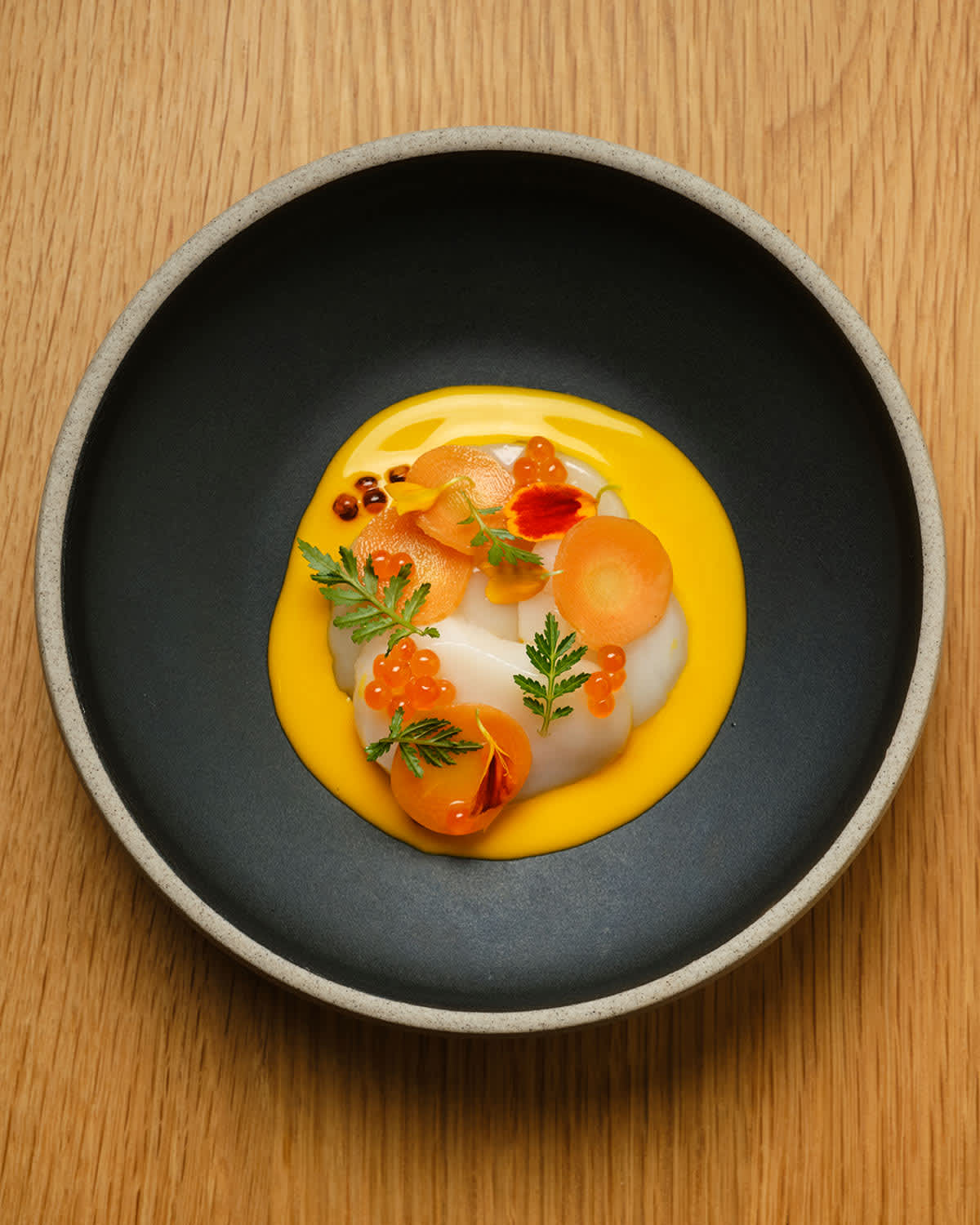
At Sabayon, an ode to orange starring Îles-de- la-Madeleine scallops.
Mickaël A. Bandassak
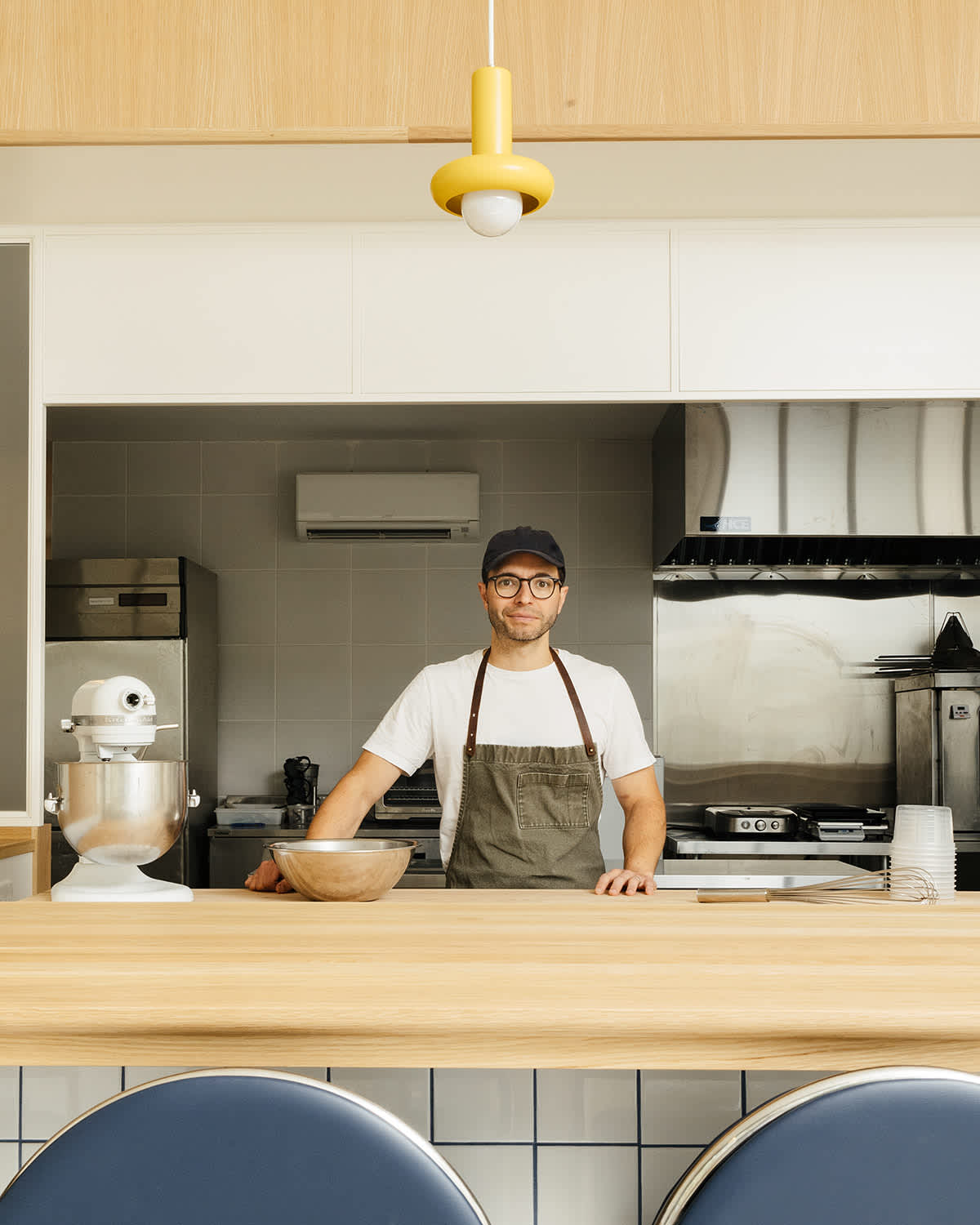
Chef Patrice Demers often tends the tiny kitchen solo.
Mickaël A. Bandassak
With Michelin’s arrival, the secret about the province’s vast culinary landscape — if it was a secret — is now officially out. “We always knew something extraordinary was happening here and it wasn’t getting the recognition that was warranted,” says Geneviève Vézina-Montplaisir, co-founder of Caribou, a Montreal-based magazine that’s covered Quebec’s food culture for the past decade. Almost half of all organic farms in Canada are found here, summer u-pick season is embraced with enthusiasm, and canning and preserving parties bring together people of all ages and backgrounds. “Here, it’s really about our land and our territoire,” says Vézina-Montplaisir. Terroir, the imprint of territoire on flavor, defines the culinary landscape far beyond the poutine- and maple syrup-themed paraphernalia found in downtown souvenir shops. Chefs like Demers and Simon Mathys, chef and co-owner of Montreal’s one-Michelin-starred Mastard, draw from the St. Lawrence River’s bounty, more than 1,900 miles of coastline, and a boreal forest twice the size of France — within a region marked by seasonal extremes and Arctic, maritime and humid continental climates. In search of local eel, Mathys has even waded into the frigid St. Lawrence River’s waters to try his hand at wrangling alongside eelers from his supplier, Les Trésors du Fleuve. “It’s a great Quebec product. I love making a bouillon with it or putting smoked eel on top of vegetables as a condiment,” he says. “But it was pretty cold pulling them out of the traps.”
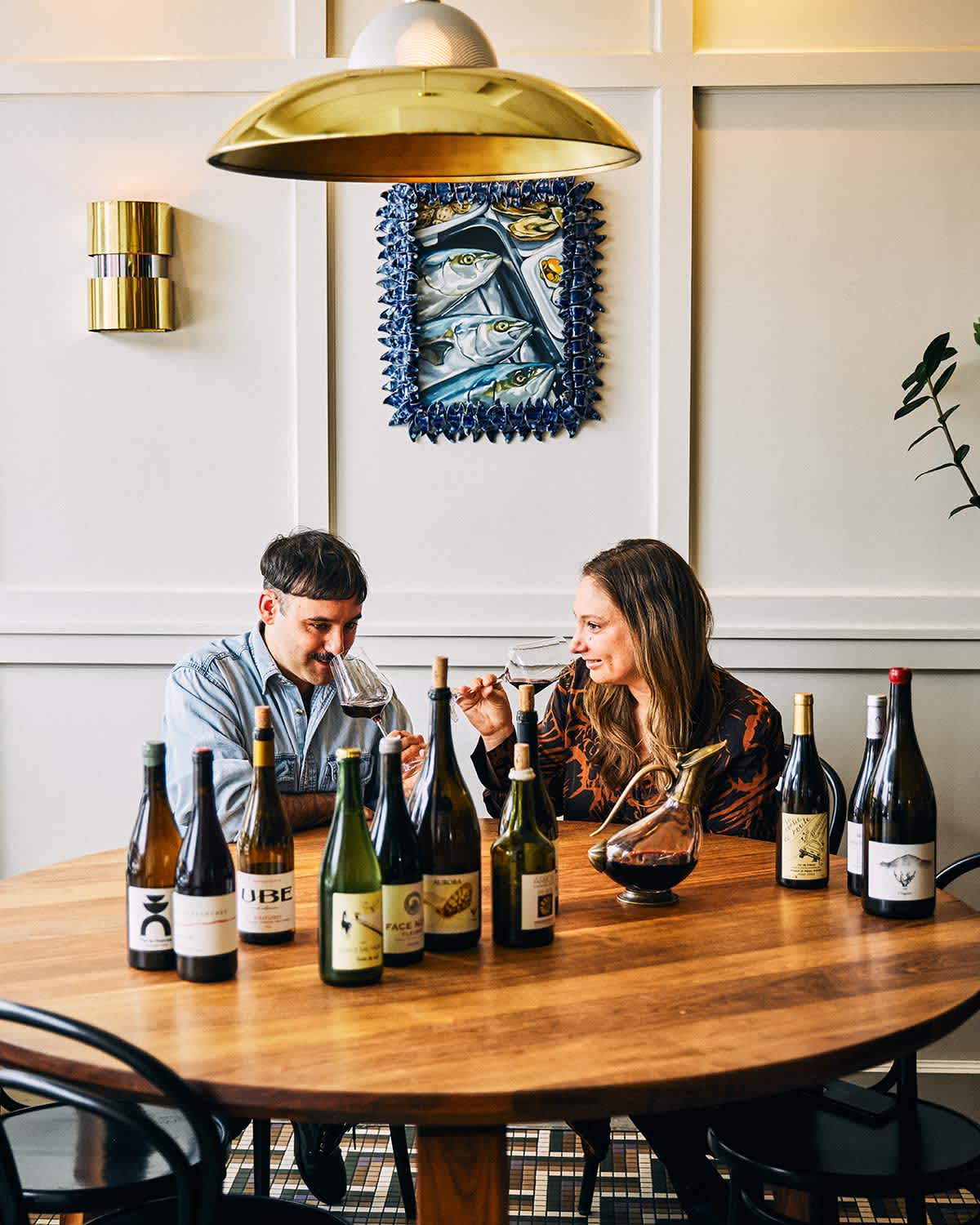
At Mon Lapin, co-owners and sommeliers Vanya Filipovic and Alex Landry let their noses do the talking.
Maude Chauvin
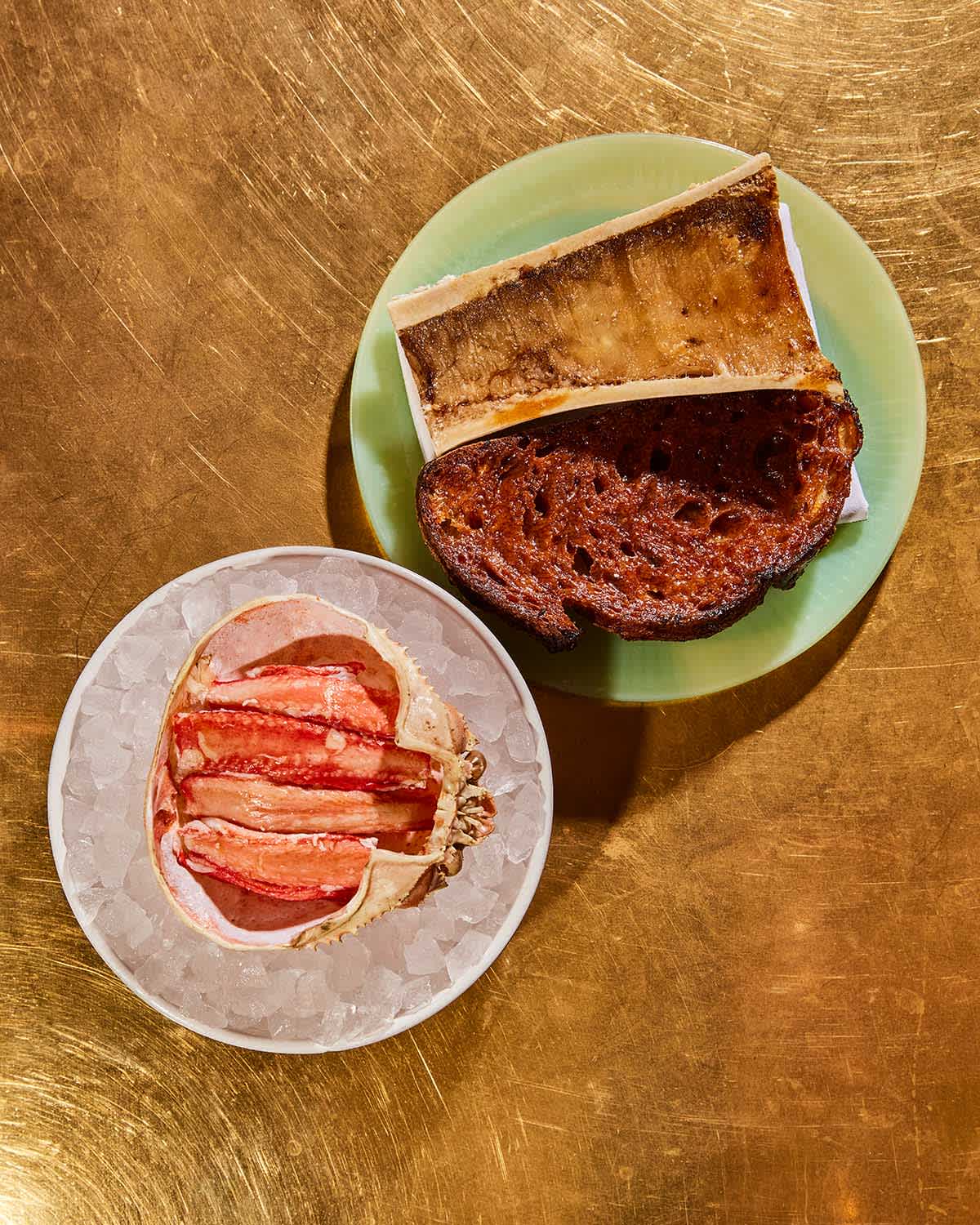
Snow crab with bisque-soaked toast and marrow.
Dominique Lafond
“We think of seasons and ingredients all the time,” says Marc-Olivier Frappier, who leads the Michelin-recommended kitchen of Montreal’s convivial Mon Lapin with Jessica Noël (catch their smoked-eel carbonara in the fall if you’re lucky). The chic Little Italy eatery, known for its daily menu and local focus, held the number-one spot on Canada’s 100 Best restaurant list in 2023 and 2024. On the menu, snow crab with a buckwheat sabayon may herald spring’s arrival, while a rhubarb sorbet celebrates May. In the depths of winter, the chefs serve comforting lamb neck with borlotti beans, followed by quince pie made with fruit preserved since the fall harvest. Nostalgic for Quebec’s rotisserie-chicken tradition — kept alive by a few remaining institutions like the wood-paneled Chalet Bar-B-Q and the ubiquitous St-Hubert chain — Frappier, Noël and their three partners opened La Lune down the street last December. Along with spit-roasted chicken and silky, flavorful guinea fowl — a Quebec specialty — the restaurant’s signature takes on classic dishes and sides like coleslaw and fries earned it a nod in Michelin’s Bib Gourmand. For dessert, strawberry sundaes and homemade maple sandwich cookies channel diner vibes with a Quebecois twist.
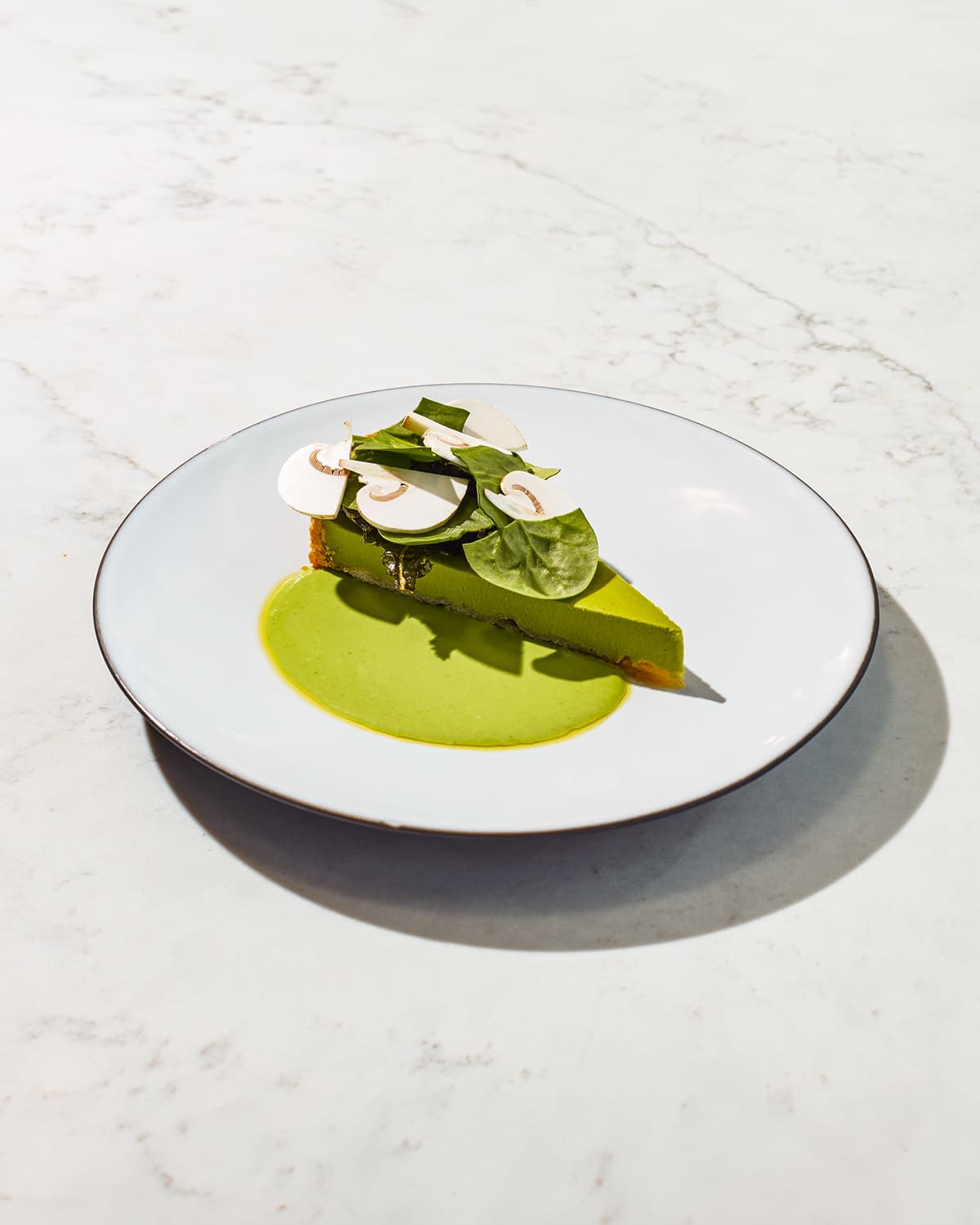
Once an open secret, Mastard’s seasonal lettuce tart with herb sauce has become a signature dish.
Philippe Richelet
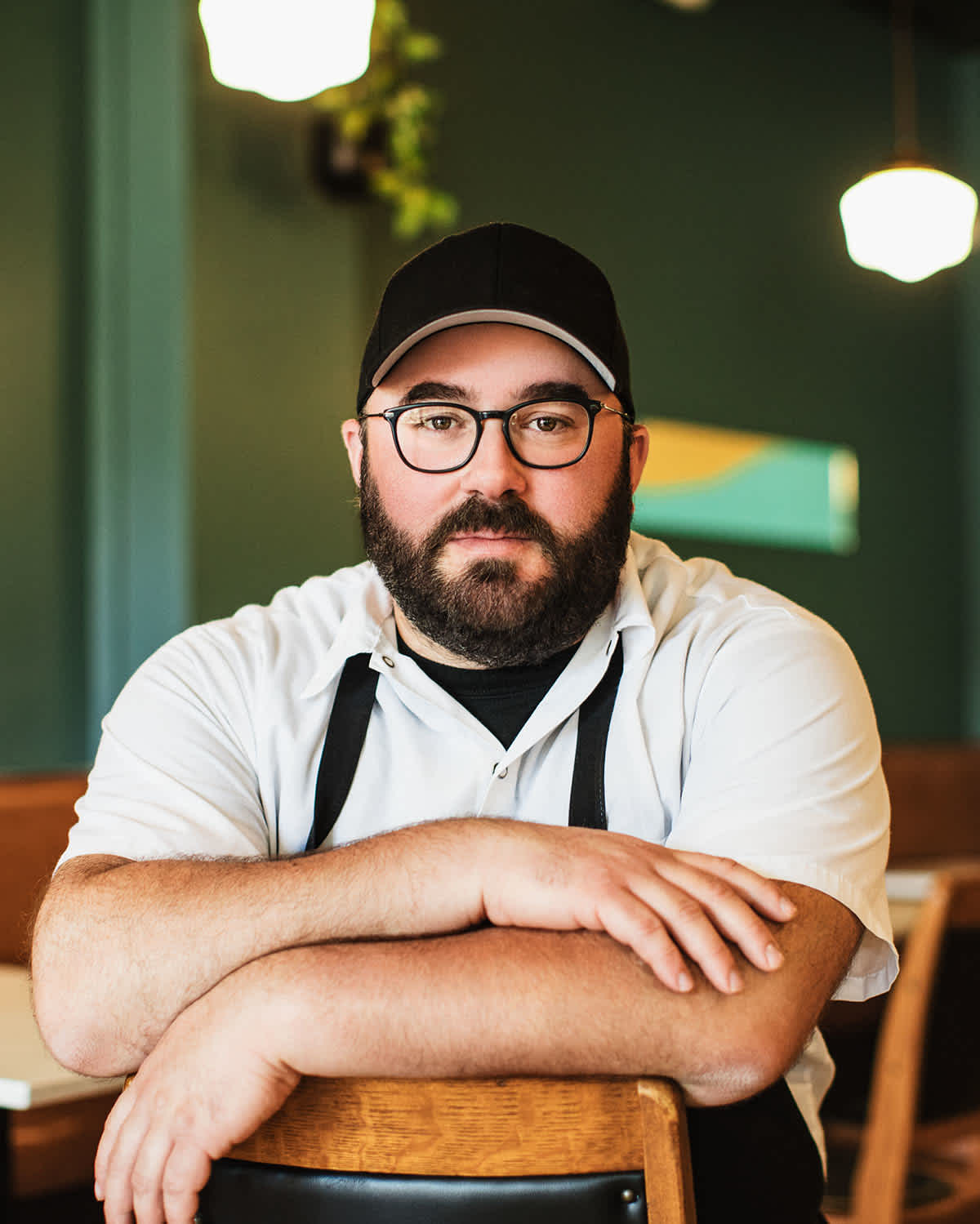
Chef Simon Mathys in his newly starred Rosemont dining room.
Philippe Richelet
In the riverside village of Kamouraska, famous for its steep monadnocks (rock hills) and riverine patchwork of farmland, Côté Est co-owner Perle Morency draws from generations of regional knowledge to shape her kitchen’s identity. “The Bas-Saint-Laurent is the cradle of Quebec cuisine,” she says. “We use age-old preservation techniques — salting herbs or smoking fish, for example — to make dishes that feel current.” Spring rolls are stuffed with minced pork, like her grandmother’s, and native surf clams, a seafood that wasn’t fished in the St. Lawrence until recently. They’re served with a bright plum jam that cuts through the richness like a sweet memory — preserved the old way, plated anew. Along the banks of the St. Lawrence, toward the Gaspé Peninsula, the Nordic-style gardens at the Jardins de Métis are the kitchen playground of Frédérick Boucher. Named a 2023 Chef of the Year finalist by Les Lauriers de la Gastronomie Québécoise, Quebec’s province-wide culinary awards, Boucher grew up in Price, on the Mitis River — a place that called him home after years cooking in France. In his kitchen, he celebrates what the environment offers by cooking with garden-grown flowers and herbs, working with local foragers and sourcing fish exclusively from the St. Lawrence. “I came back because I was familiar with the boreal forest, the maple and the diversity of seafood here — it’s what’s made us succeed in creating our own cultural identity,” he says.
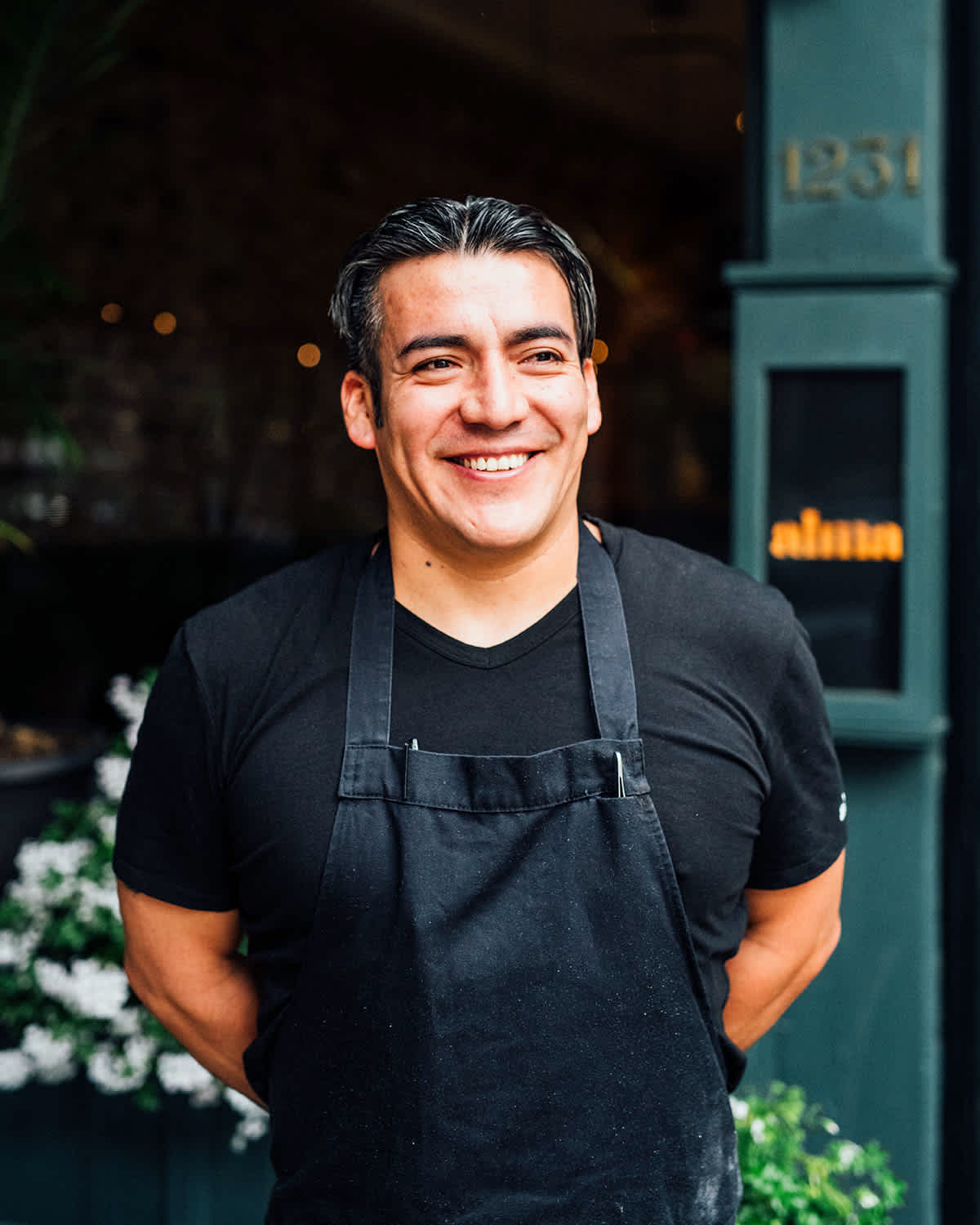
Chef Juan Lopez Luna outside his Outremont restaurant, Alma.
Two Food Photographers
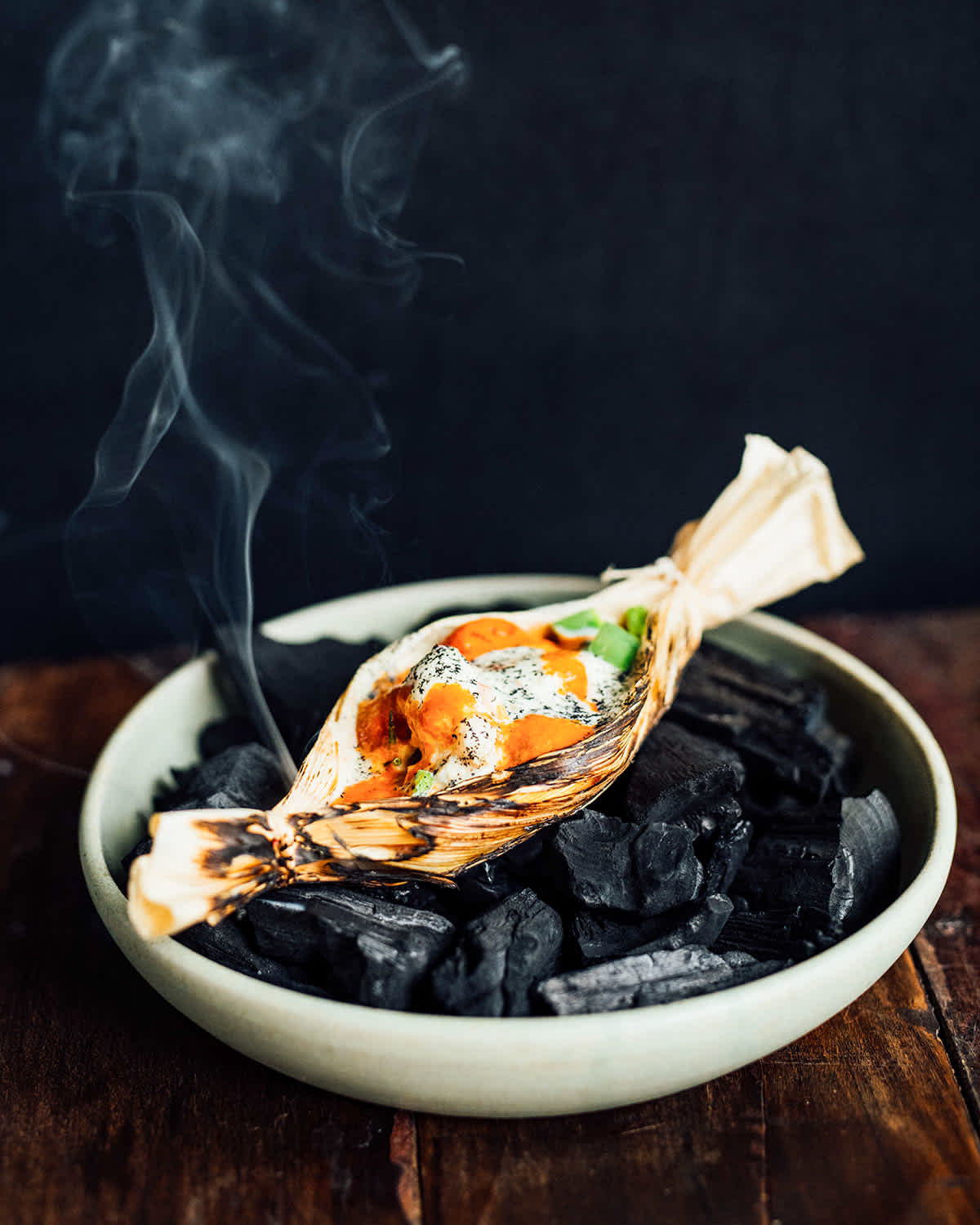
Mextlapique (a traditional corn-husked Mexican dish) meets Quebec lobster and sea urchin butter.
Two Food Photographers
Seafood also anchors the nine-course Mar y Montaña tasting menu at Alma, an intimate, 20-seat Mexican restaurant in Montreal’s stately, mostly residential, Outremont neighborhood. “You don’t have to serve French cuisine to highlight Quebec ingredients,” says Lindsay Brennan, sommelière, wine importer and life and business partner of chef Juan Lopez Luna. While rooted in the golden ancestral corn of Lopez Luna’s birthplace, Tlaxcala, Mexico, his cuisine is also influenced by the forests and cold waters of Quebec. As they explain on their website, “Alma sits at the intersection of these two halves — where they meet and come together. This isn’t a fusion. It’s a marriage.” This union won the couple the Culinaria Mexicana award for best Mexican restaurant outside of Mexico in 2025, along with a wave of new international visitors. From river eel to native surf clams and plum jam, Quebec’s chefs have known the ingredients for greatness have been here all along. You just have to wait for the right season to try them all. “People ask me when they should visit Montreal, and I ask them, ‘What do you love?’” says Mon Lapin and La Lune’s Marc-Olivier Frappier. “Come in April for seafood season. But if you’ve never experienced the cold, come in February — it will be just as crowded in the restaurant as in July.” Or better yet, come often, because here, every season has its feast.
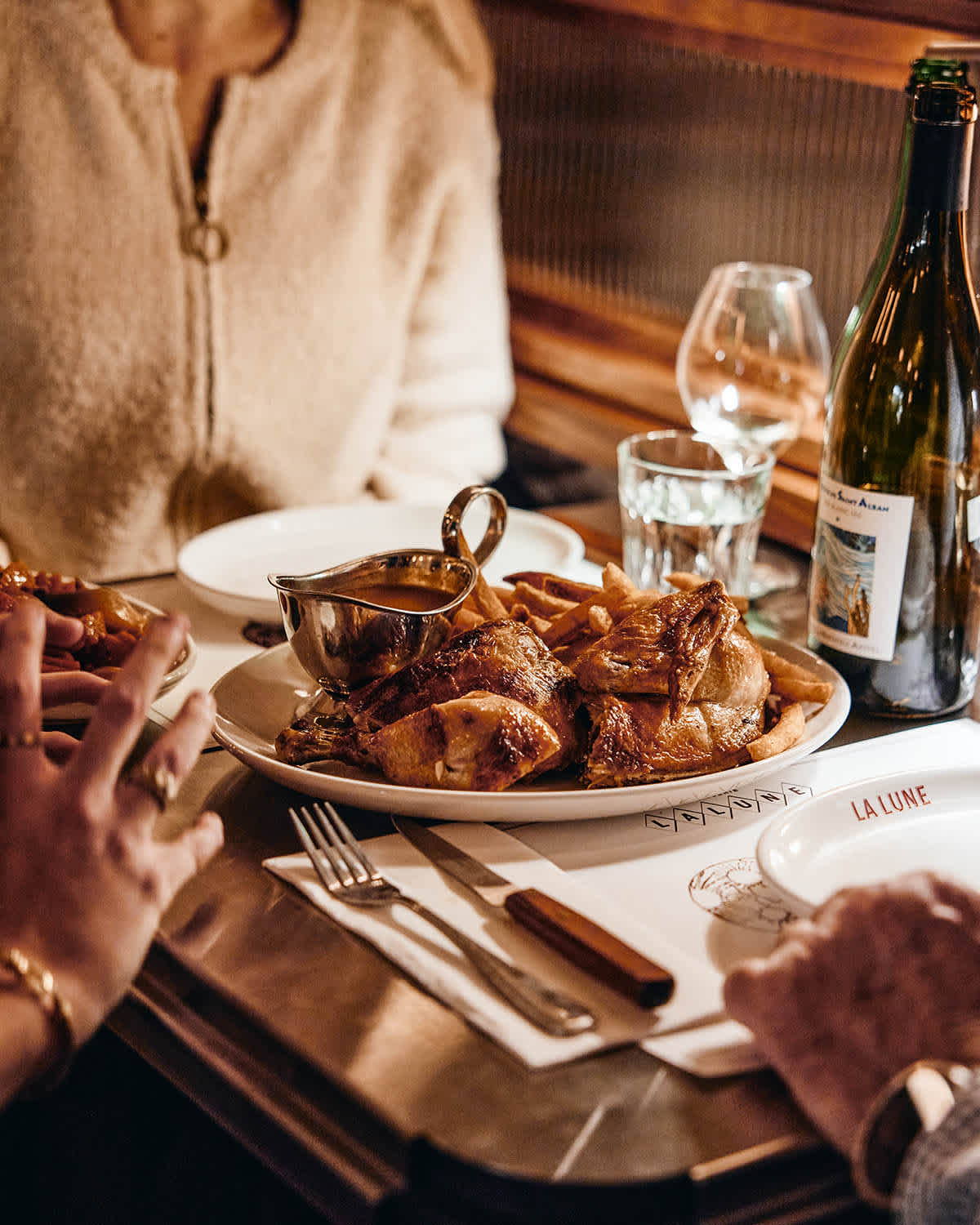
Golden rotisserie chicken, crispy fries and a deep respect for heritage are all part of La Lune’s secret sauce.
Dominique Lafond
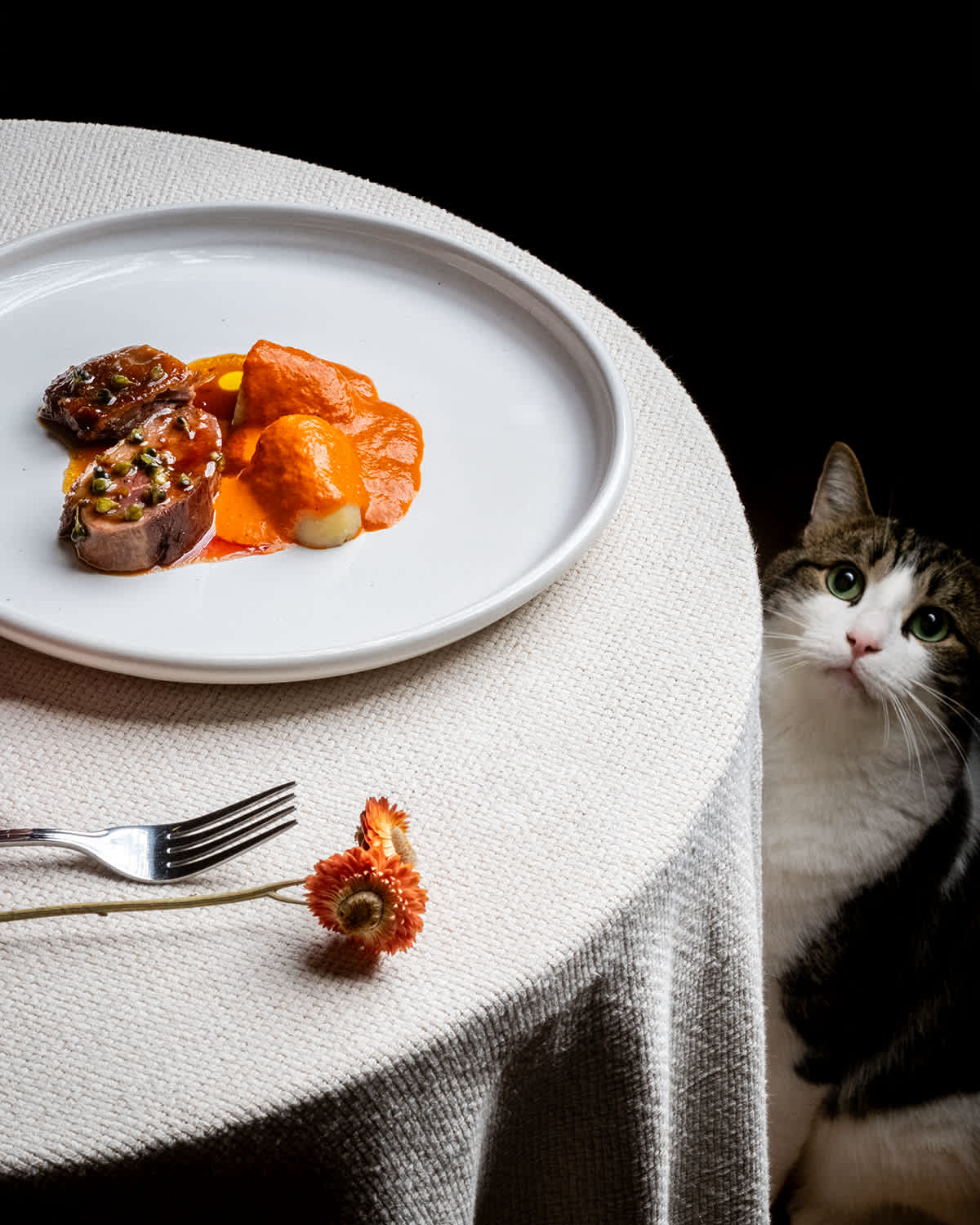
At Parcelles, the duck pen is moved to a fresh patch of grass each day to enhance flavor — just ask Tata the cat.
Emile Desrochesl
À la Carte
The ingredients inspiring the province’s most inventive dishes.
WILD CARAWAY SEEDS Gaspésie Sauvage, Douglastown Also known as meridian fennel, these aromatic seeds are prized for their peppery and anise-tinged flavor. “I’m crazy about them,” says Sabayon chef Patrice Demers. “I infuse them in caramel for a chocolate dessert with pecans.” BLACK BELUGA LENTILS Nature Highland, Baie-des-Sables “Our delicious little black beluga lentils from Gaspé hold their own against French Puy lentils,” says Côté Est’s Perle Morency. On the menu, they may be paired with traditional local salted herbs, wild boar, guinea fowl or seal. GOLDEN RASPBERRIES Ferme Bourdelais, Lavaltrie Only available for about a week in the summer, these soft and sweet berries are a perennial favorite in the kitchen at Mon Lapin. “We like to showcase them very simply, either as a mignardise or a garnish in our mille-fleurs de courgettes,” says chef Jessica Noël. WILD YELLOW STURGEON CAVIAR Pêcherie Sainte-Angèle, Bécancour Sourced from a family-run project that holds one of Canada’s few wild lake sturgeon permits, this gold-hued caviar adorns Alma’s zucchini flower and morel taco. “The brininess really complements the earthy and creamy components of the dish,” says Alma’s co-owner Lindsay Brennan. MELILOT (SWEET CLOVER) Gourmet Sauvage, Mont-Blanc “When I’m baking, I love using sweet clover essence as a substitute for vanilla,” says Caribou magazine co-founder Geneviève Vézina-Montplaisir. “Its unique fragrance is a standout in all my recipes, including crêpes.” HAKUREI TURNIPS Parcelles, Austin Chef and farmer Dominic Labelle supplies these white turnips to some of Montreal’s top restaurants, as well as to his own award-winning kitchen in the Eastern Townships. “In our climate, they’re one of the first crops to appear — and you can keep growing them throughout the season,” Labelle says. ✦
Explore More
How to Spend a Perfect Day in Quebec City: Go beyond the ramparts to discover a vibrant dining scene and modern cultural attractions. An Insider’s Guide to Haida Gwaii: Located off the coast of British Columbia, this archipelago is home to ancient customs and striking landscapes. The Best Things to See and Do in Vancouver: Canada’s preeminent West Coast gem is perfect for a pre- or post-cruise stay. Follow Range on Instagram, Facebook and Pinterest. Sign up for the Range newsletter to receive expert advice, award-winning stories and the latest travel trends in your inbox.