From the coast of Wales to the South Pacific, these astrotourism destinations are low on light pollution and high on clear skies.
From the coast of Wales to the South Pacific, these astrotourism destinations are low on light pollution and high on clear skies.
By Andrew Elkin | July 18, 2025
Since its founding more than 30 years ago as an organization to fight the “pernicious evil” of light pollution, Dark Sky International has created a network of protected spaces spanning more than 60,000 square miles of land and dark sky in 22 countries across six continents. These seven spots offer the best conditions for viewing the night sky.
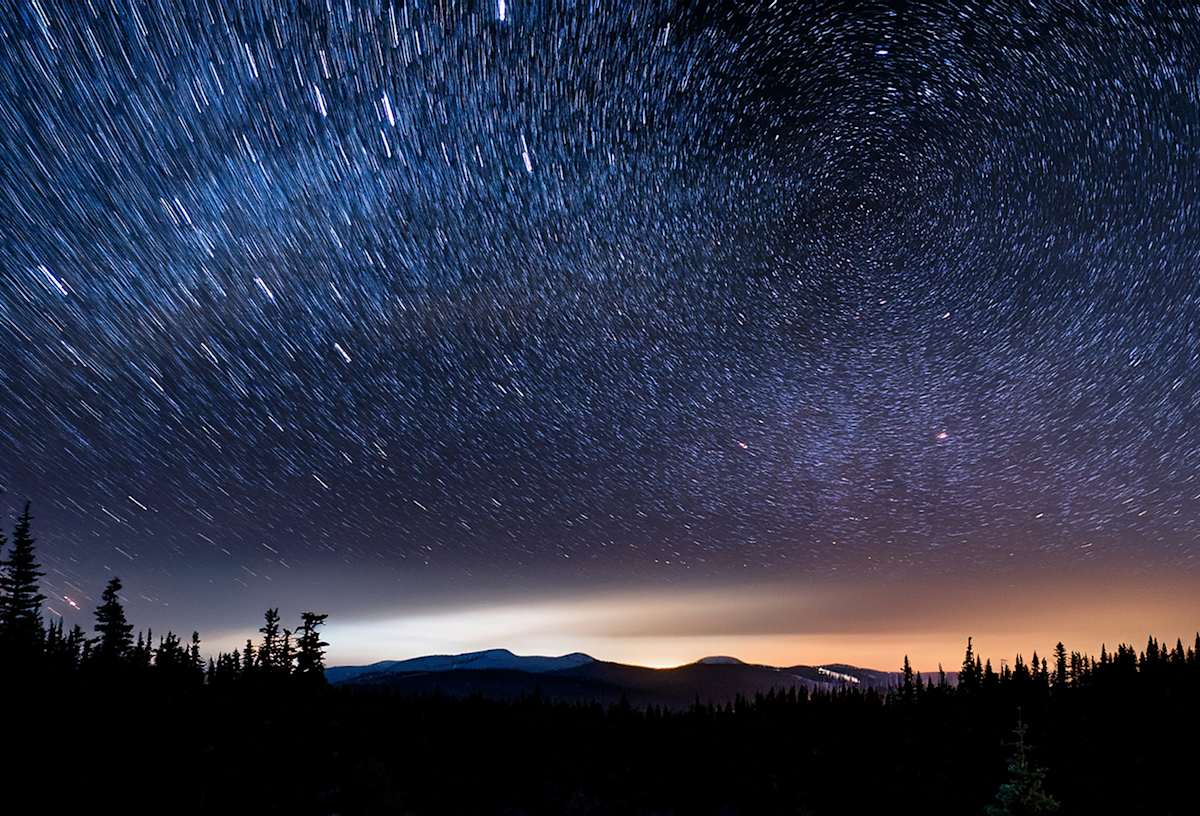
With an observatory perched atop the 3,600-foot peak, the world’s first International Dark-Sky Reserve (certified in 2007) is a destination for amateur and professional stargazers alike. Located in Quebec’s Eastern Townships, this 2,100-square-mile reserve encompasses two counties, the city of Sherbrooke and the Mont-Mégantic National Park. Minimal light pollution creates ideal conditions for observing the Milky Way, planets and deep-sky objects, and the Observatoire du Mont-Mégantic’s ASTROLab visitor center offers multimedia presentations, telescope observations and guided stargazing tours to take advantage of this unspoiled darkness. Visitors can also experience overnight astronomy packages, participate in star parties and enjoy hiking trails that lead to elevated observation points. Located 140 miles from Montreal, the reserve truly shines in August, when the spectacular Perseids meteor shower takes over the night skies.
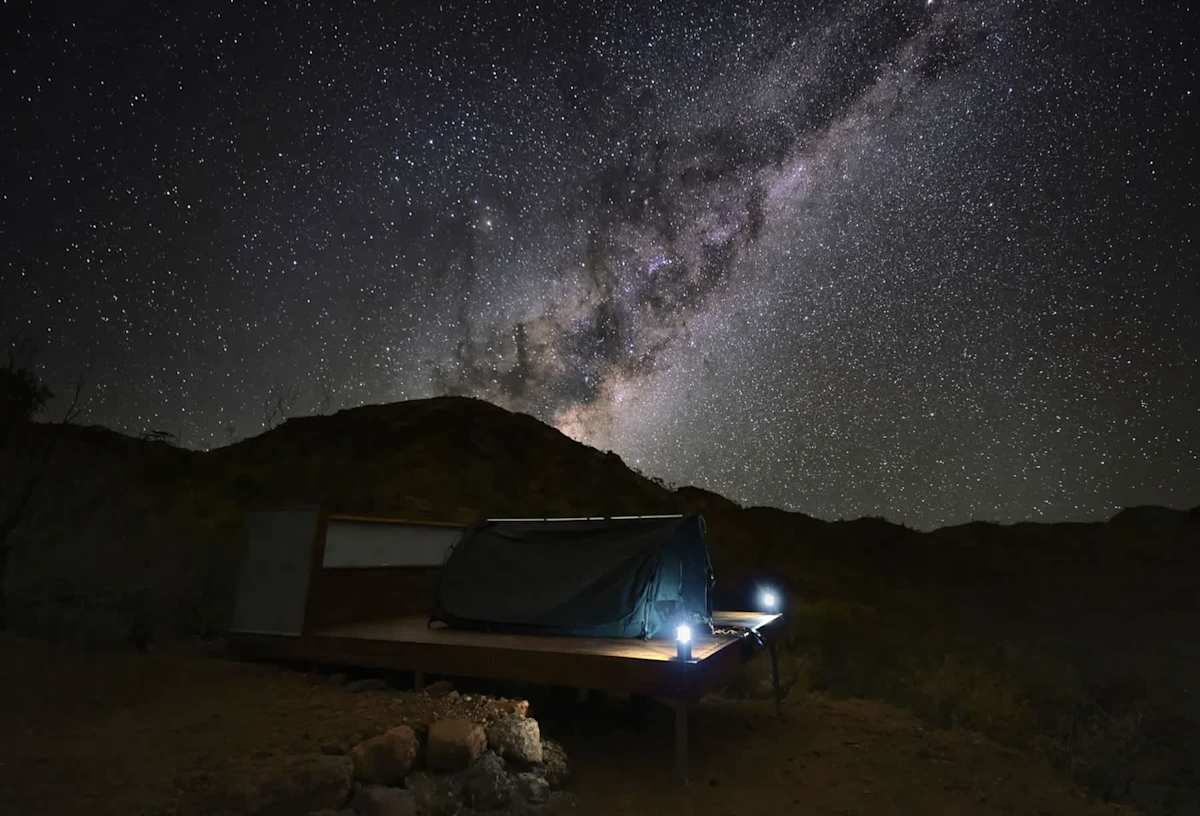
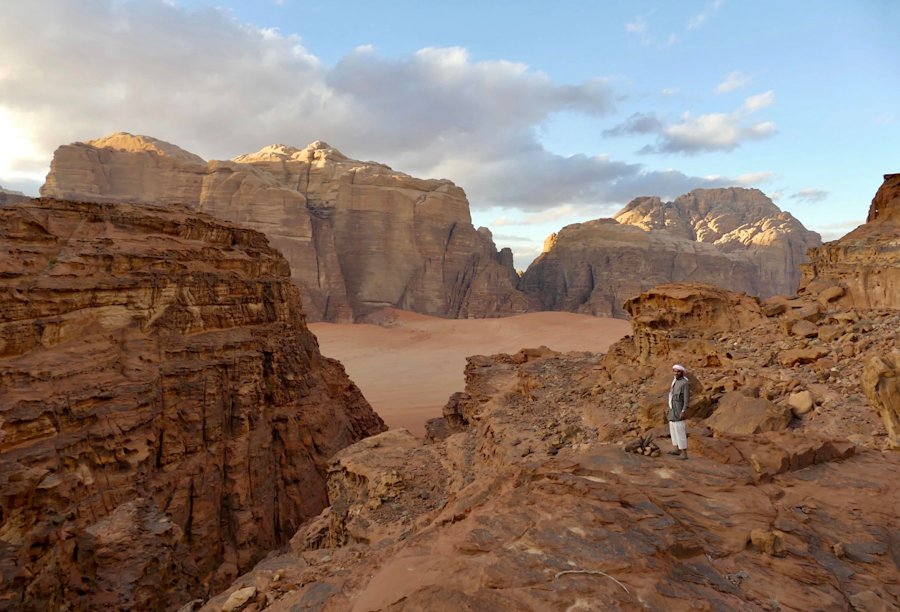
This 240-square-mile conservation area in South Australia’s Flinders Ranges is renowned for exceptional geological diversity and pristine dark skies. Also an International Dark Sky Sanctuary, it is home to six observatories and a wide variety of stargazing experiences, including the Ridgetop Sleepout, where astronomers can camp under the stars in a uniquely exposed and elevated location, as well as educational programs about indigenous astronomy traditions. By day, explore the geological features that reach back more than two billion years — and keep an eye open for local yellow-footed rock wallabies. By night, resident astronomers conduct stargazing sessions with high-powered telescopes that let visitors explore the Southern Hemisphere’s unique celestial features, including the Southern Cross, Magellanic Clouds and Carina Nebula. Accommodations at the sanctuary include eco-villas and camping facilities positioned to minimize light interference — and maximize visibility for astrophotography.
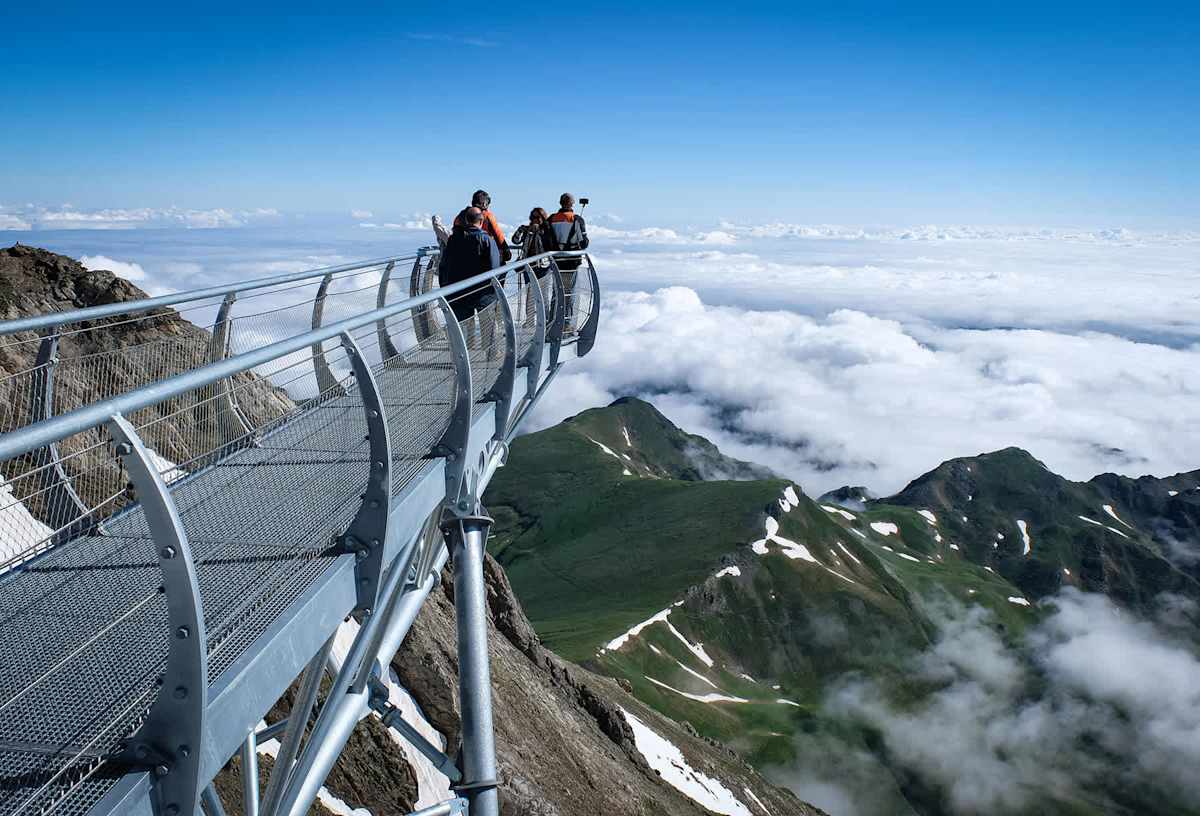
Rising more than 9,400 feet in the French Pyrenees, the Pic du Midi is as famous for its alpine skiing and mountaineering as it is for its dark skies. A unique combination of high altitude, stable weather conditions, protected dark skies and easy access via cable car makes the reserve an ideal location for both casual observers and serious astronomers. Some 1.5 million stargazers visit each year for unobstructed views of the planets, star clusters and galaxies. One experience at the historic Pic du Midi Observatory, established in 1878, allows visitors to stay overnight at the summit and observe the night sky through professional telescopes. The mountaintop complex also houses a planetarium, while interactive exhibits and guided night tours are hosted lower down the mountain at the Col du Tourmalet, a famous hilltop finish on the Tour de France.
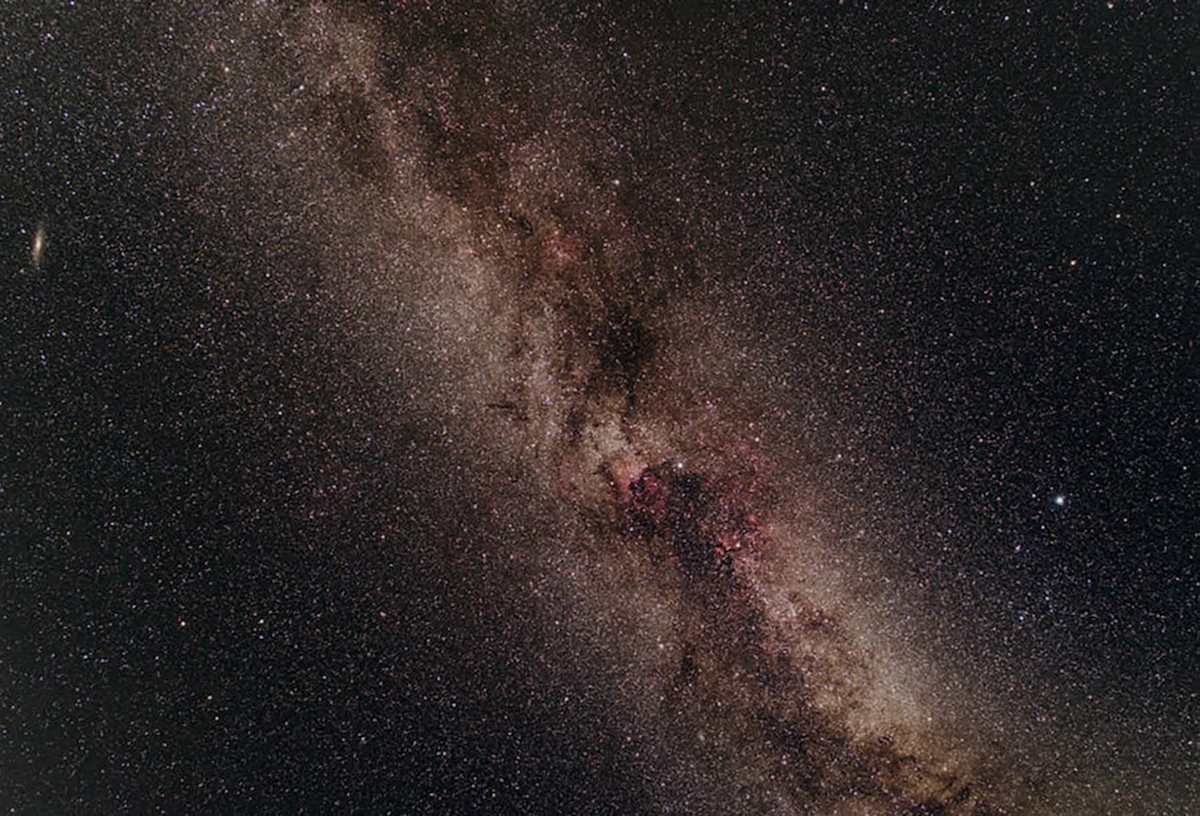
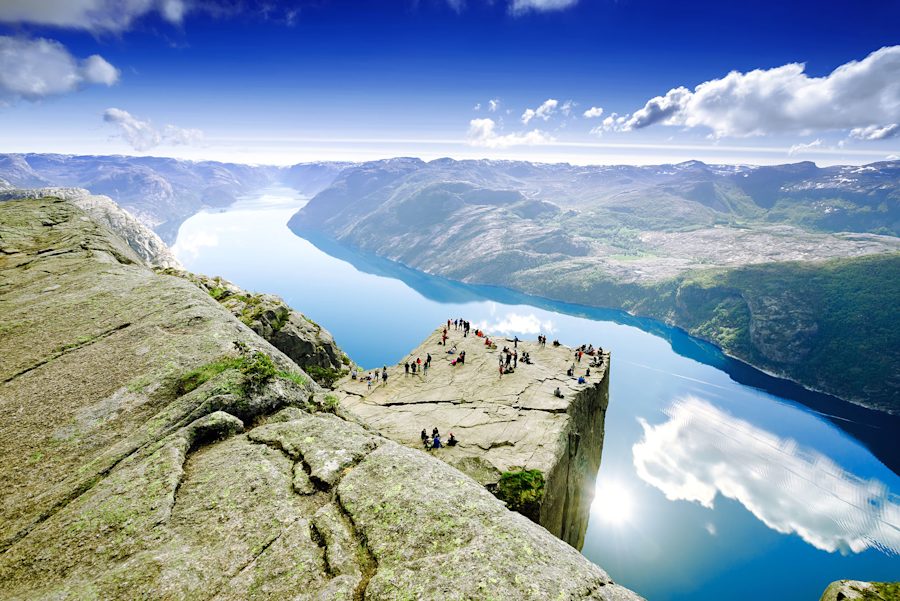
Those who know this secluded getaway come for peace, quiet and a break from the trappings of modern life. But Ynys Enlli’s isolation from mainland light pollution is what makes it an exceptional spot for observing Northern Hemisphere constellations, meteor showers and the Milky Way. Visitors to Europe’s first dark sky sanctuary can stay in traditional rental cottages while exploring local maritime heritage and monastic ruins on the so-called “Island of 20,000 Saints.” After dark, in the shelter of the island’s 575-foot mountain, resident astronomers conduct workshops on astrophotography and deep-sky observation. A strict limit on the number of visitors to this small island off the Welsh coast ensures there are enough experts to go around. Travelers to Ynys Enlli can also learn about celestial navigation techniques used by ancient mariners and keep watch over the local population of Atlantic grey seals.
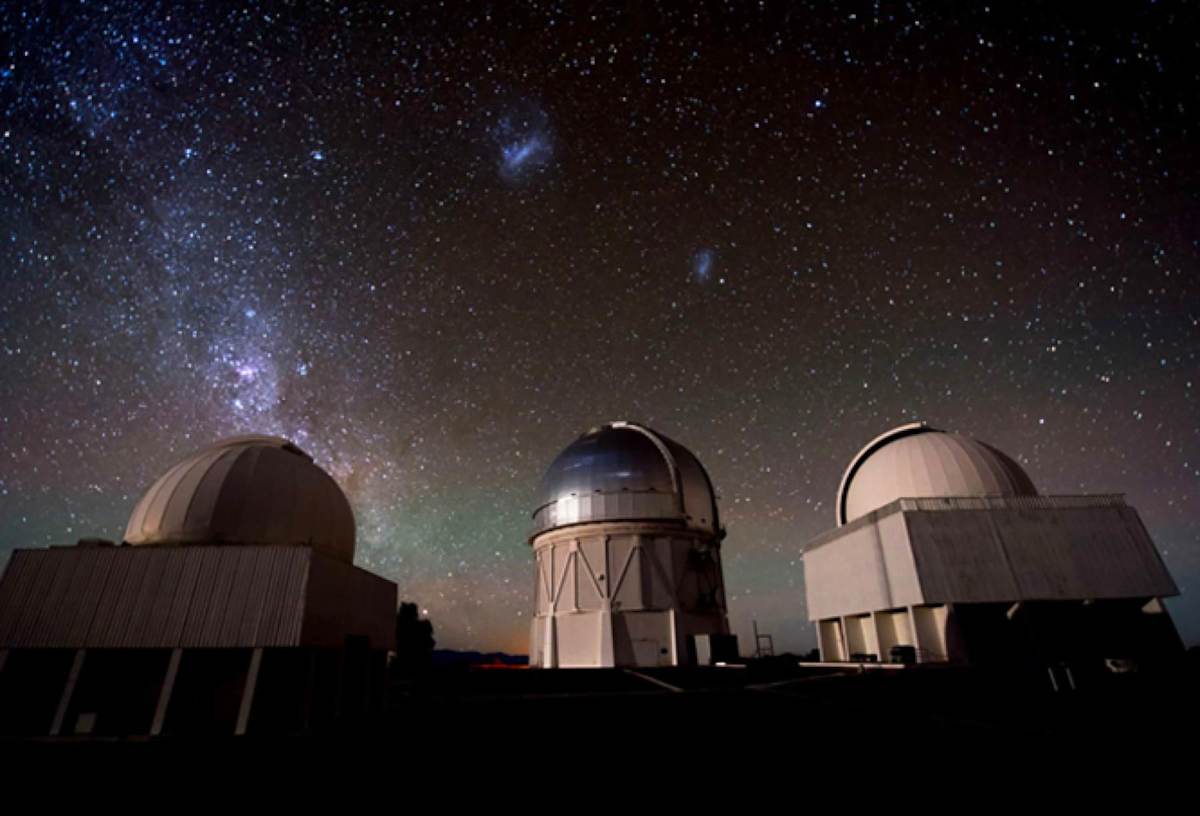
Located 310 miles north of Santiago, this sanctuary was the world's first International Dark Sky Sanctuary, named after Chilean Nobel Prize-winning poet Gabriela Mistral. The Elqui Valley's high altitude, minimal humidity and consistently clear skies create world-class conditions for astronomical observation. The sanctuary is home to four major international observatories including an AURA (Associated Universities for Astronomical Research) facility that hosts cutting-edge astronomical and geological research. Visitors can tour professional observatories, participate in public stargazing programs, and experience the clearest views of the southern sky found anywhere. Astrotourism in the Elqui Valley has caught on big-time, with many tour operators offering specialized trips along the Ruta de las Estrellas, while some local hotels feature private observatories or domed-roofed rooms.
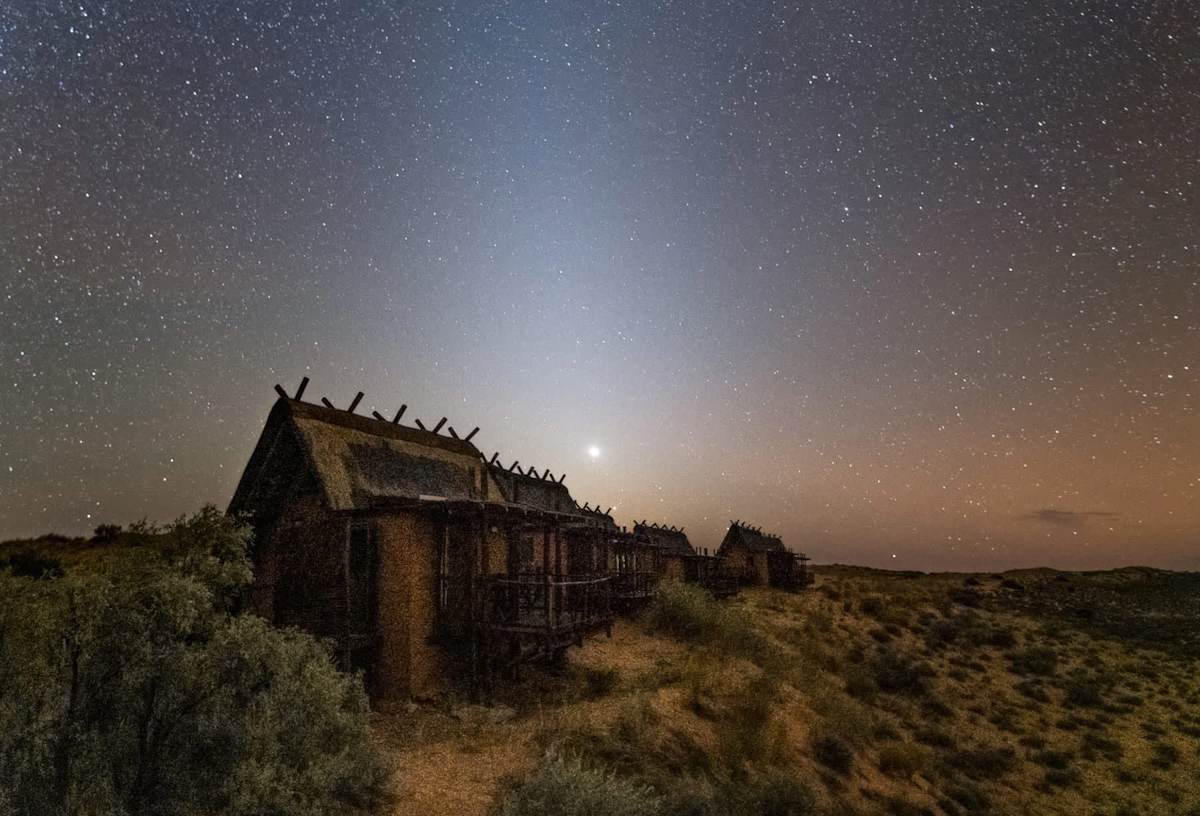
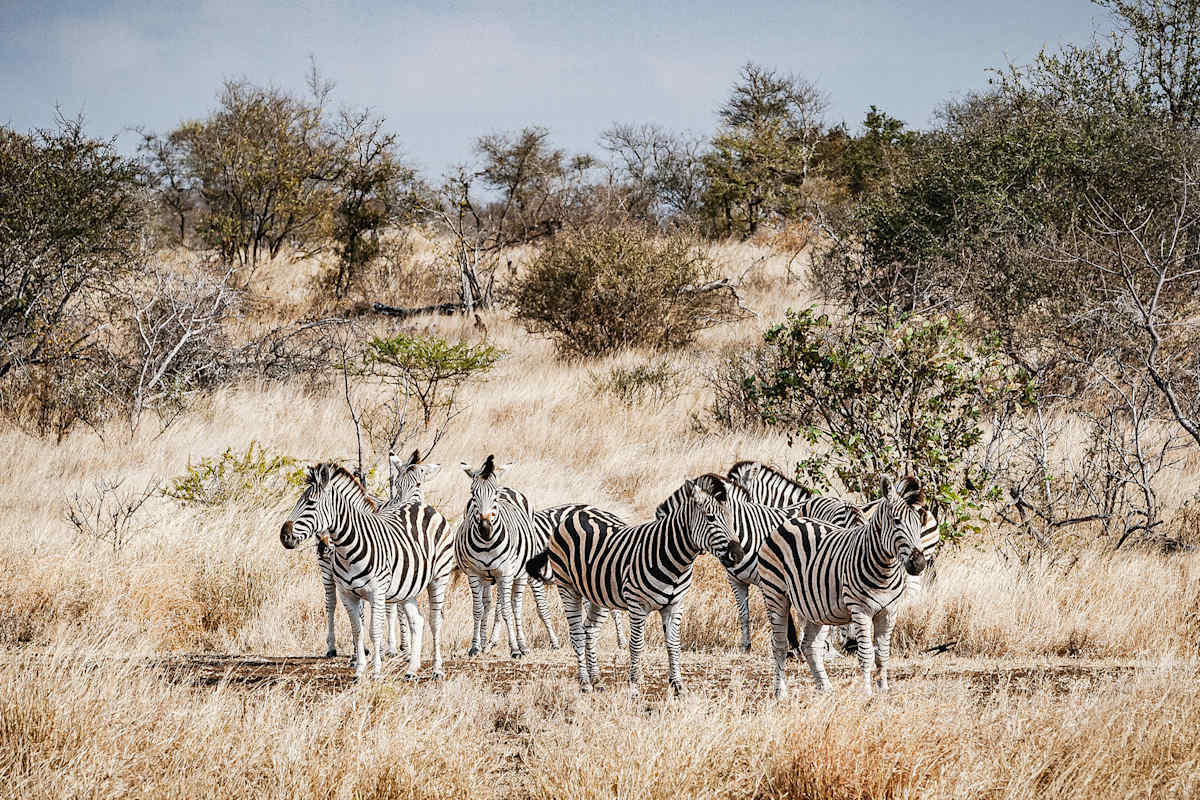
There’s stargazing, and then there’s stargazing in the African wilderness, where incredibly clear skies show off the constellations of the Southern Hemisphere sky and the southern Milky Way. This expansive park, a designated Dark-Sky Place, spans the border of South Africa and Botswana in the heart of the Kalahari Desert, where visitors can experience the traditional astronomy stories of the San people and indigenous navigation techniques passed down through generations. The park also offers guided night walks combining wildlife viewing and star spotting, as nocturnal animals emerge under the vast desert sky. Accommodations include traditional camps and luxury lodges designed to minimize light pollution.
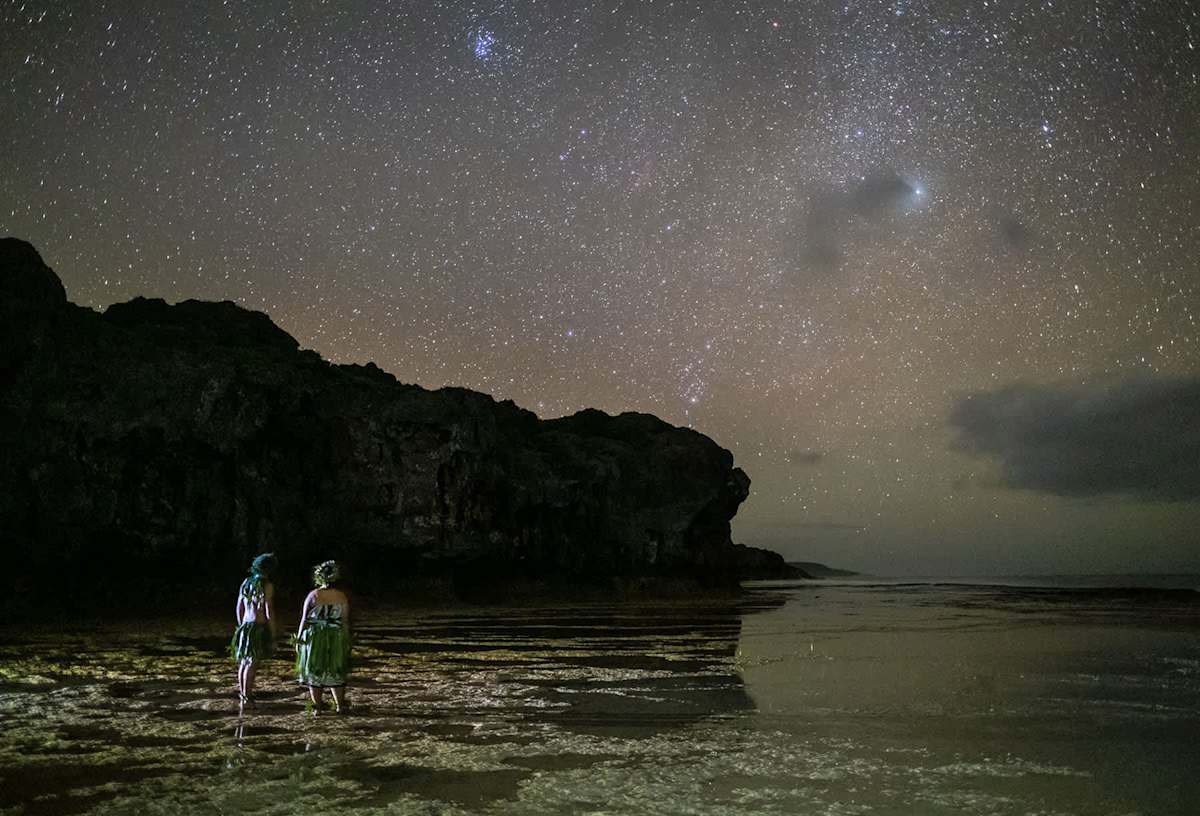
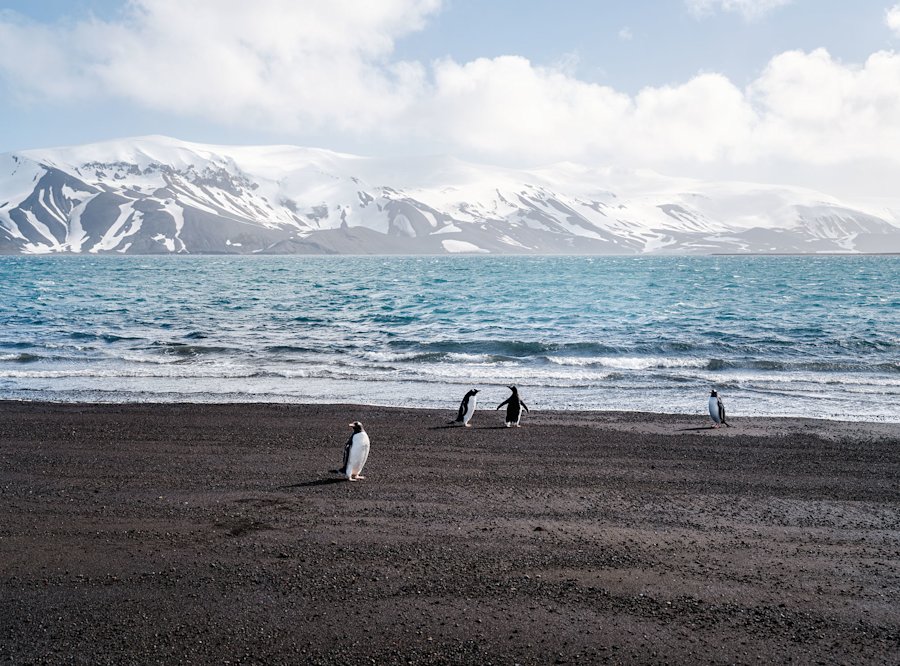
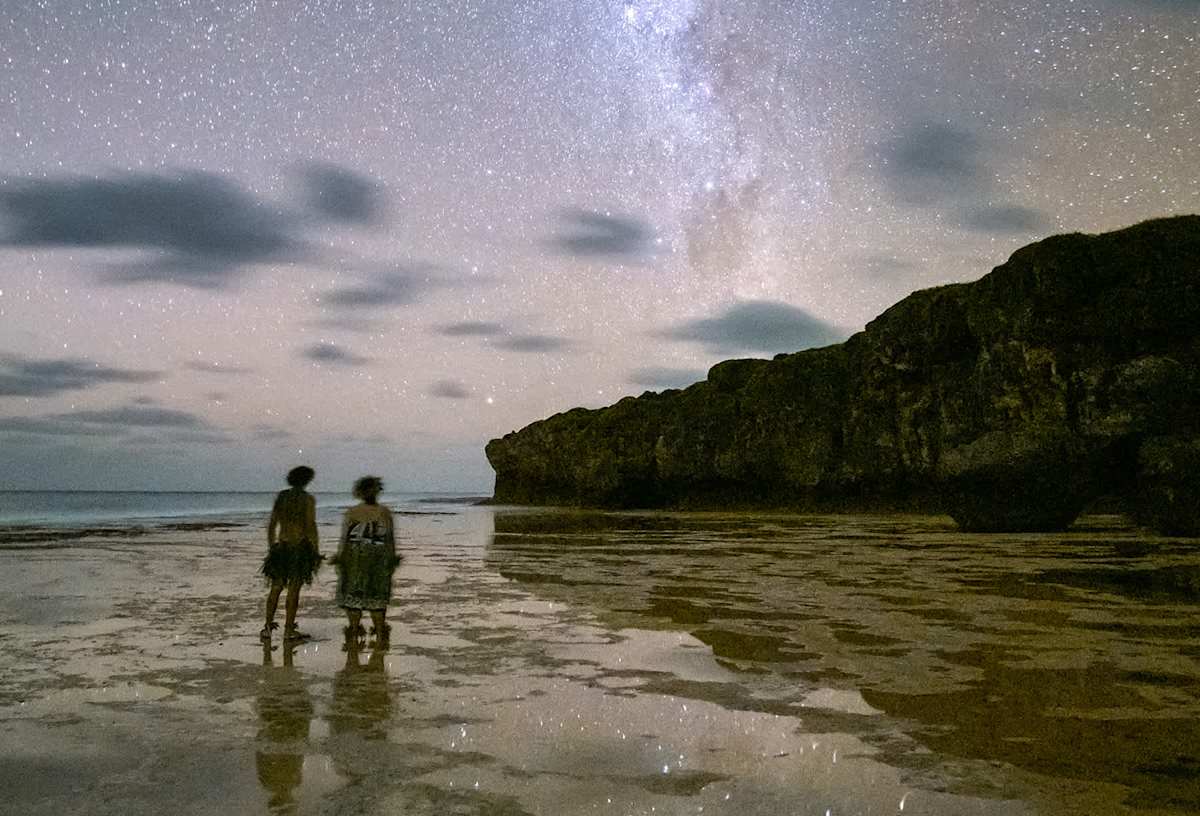
This tiny nation on a coral atoll in the South Pacific was the first country to be designated a Dark Sky Place, but it’s been a stargazer’s paradise since humans first arrived here. Situated some 1,500 miles from New Zealand, Niue experiences minimal light pollution across its territory and has unique equatorial sky views of both northern and southern hemisphere constellations. Visitors can experience beach stargazing and see the Milky Way reflected on calm Pacific waters. Local guides offer cultural astronomy tours — the stars and the night sky are deeply significant to the Niue way of life — with personalized attention due to limited visitor numbers. Sometimes Niuean elders themselves will explain the navigation techniques and traditional star knowledge used by Polynesian peoples for millennia. Traveling astronomers can stay at eco-lodges and private retreats, which are all designed to minimize light interference. ✦
New UNESCO Geoparks in 2025: These nine new parks around the world showcase places where nature, culture and conservation converge. Why Utah is the Ultimate Stargazing Destination: The world's highest concentration of certified International Dark Sky parks makes Utah a must-visit for astrotourism experiences. 7 Out-of-this-world Experiences in Southwestern Utah: In Utah’s southwest corner, ancient geology and pristine darkness combine to create landscapes that feel borrowed from another planet. Follow Range on Instagram, Facebook and Pinterest. Sign up for the Range newsletter to receive expert advice, award-winning stories and the latest travel trends in your inbox.