Perched above the Douro River and famous for its fortified wine, Portugal’s second-largest city wows with architecture, azulejos (ceramic tiles) and cuisine that speaks to the land and the sea.
How to Spend a Perfect Day in Porto, Portugal
By Lisa Kadane | December 24, 2024
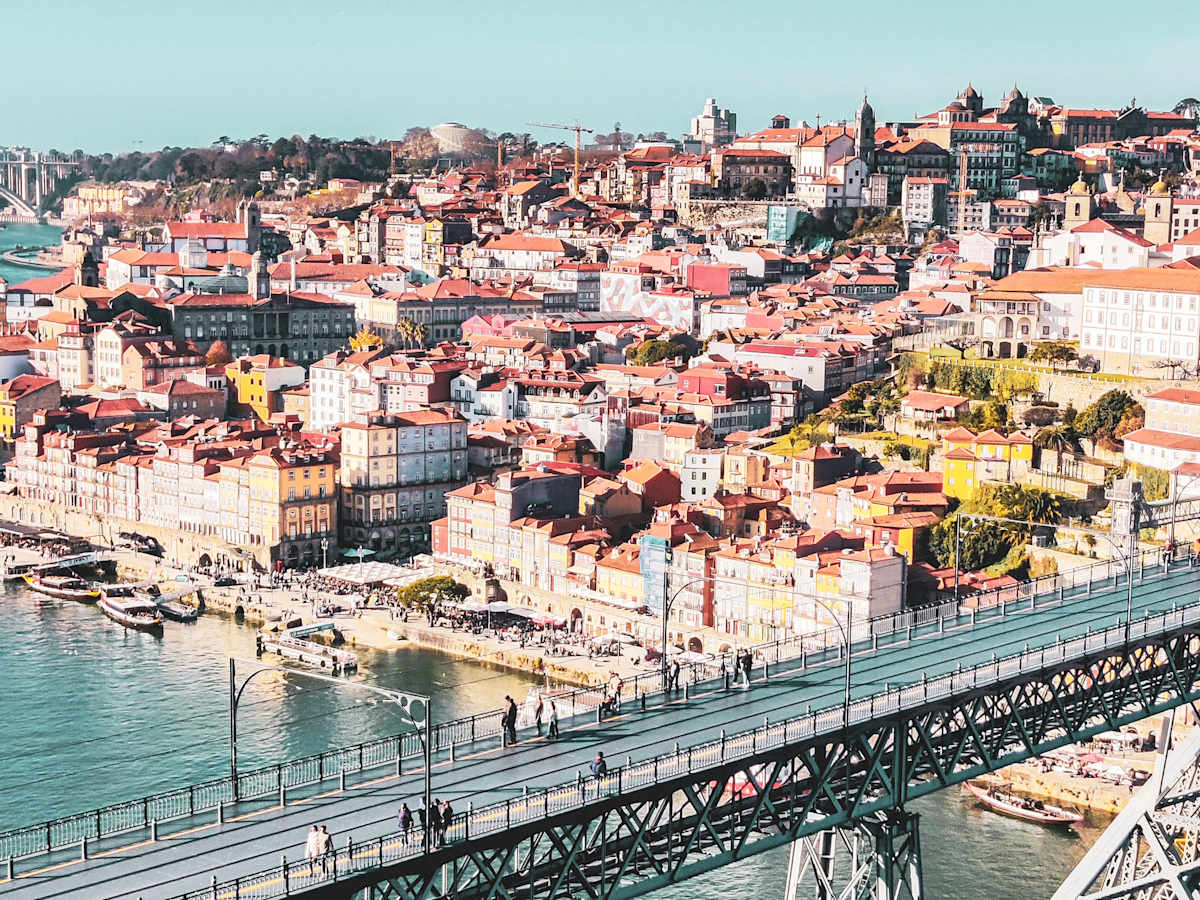
Porto, Portugal.
Renan/Unsplash
From the top deck of the iconic Dom Luís I Bridge that connects Porto and Vila Nova de Gaia, I look out over colorful buildings with red-tiled roofs that cascade down steep hills on both banks of the Douro, Portugal’s “river of gold.” From here, I have two choices: walk north into Porto’s historic center, a maze of cobblestone streets and churches that’s a designated UNESCO World Heritage Site, or stroll south into Vila Nova de Gaia, where port cellars line the river, aging the country’s famous fortified wine. I can’t go wrong. It’s my first visit to Portugal’s walkable second city, and I’m on a mission to find the best sweet pastries, savory sardines and refreshing port cocktails, plus as many azulejos — the glazed ceramic tilework that decorates churches, palaces and train stations — as possible.
Plan your dream trip.
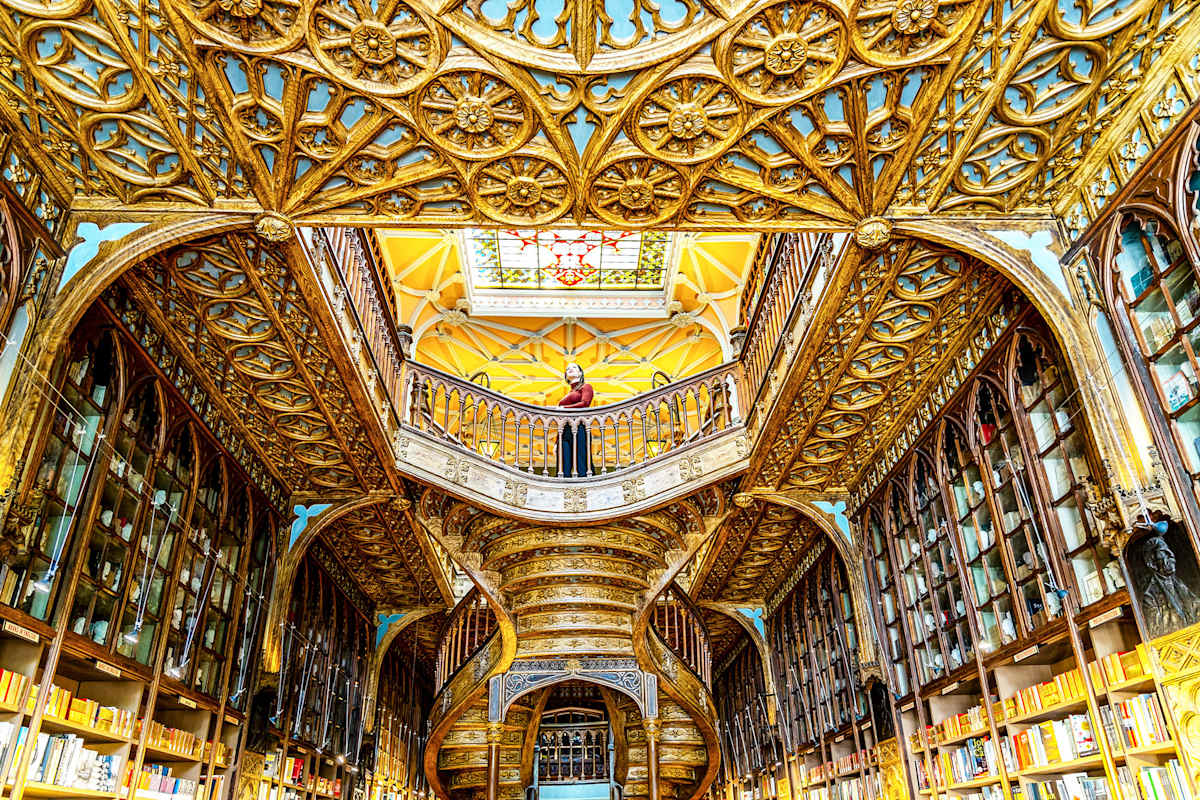
Livraria Lello’s striking stained-glass skylight reads Decus in Labore (Latin for “Dignity in Work”), a motto adopted by all bookstore staff.
Eunikas/Unsplash
Morning
I start the day with a cappuccino and two pastéis de nata from Manteigaria’s Rua dos Clérigos location, a short walk from my hotel on Avenida dos Aliados, the city’s main thoroughfare. These quintessential Portuguese tarts feature a creamy custard nestled inside a flaky pastry, topped with your choice of cinnamon or sugar. Fortified, I walk the short distance to Livraria Lello, which might just be the world’s most beautiful bookstore. The line outside speaks to its popularity: Visitors must buy an eight-euro ticket (which can be applied to the price of a book) and select a time to visit. But even if you don’t make a purchase, the bookstore’s spectacular neo-Gothic interior — in particular, the showpiece red staircase that spirals to a second level — is worth the price of admission. The Lello brothers, who opened the bookstore in 1906, envisioned it as a temple of art and science, with the staircase as the altar leading readers to ever more tomes upstairs.
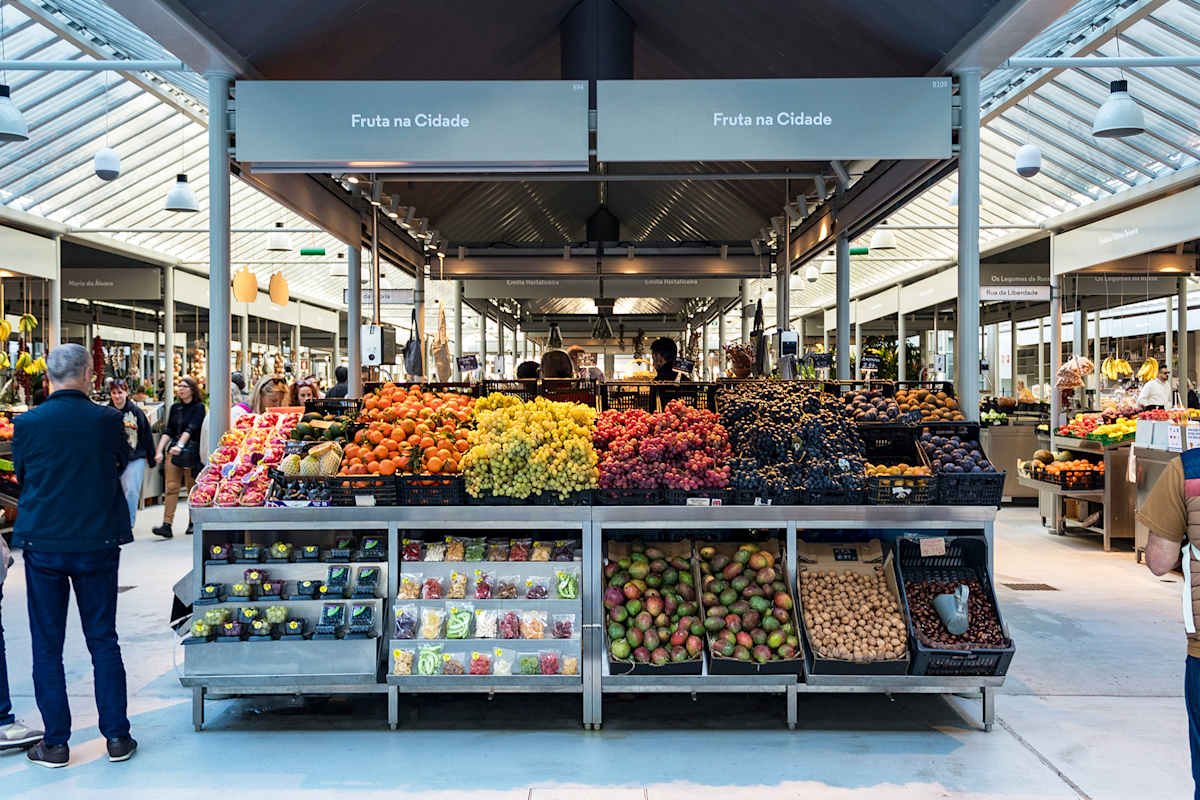
Make the produce, fish and cheese stalls of the newly renovated Mercado do Bolhão your first foodie stop.
Rui Alves/Unsplash
The morning’s main event is a three-hour introduction to Porto’s eclectic food scene with Secret Food Tours. I meet up with guide José Manuel Marques da Costa at the city’s 19th-century Mercado do Bolhão. The open-air complex reopened in 2022 after a major renovation, and the expansive space is filled with restaurants and merchants that sell everything from fresh-cut flowers to bottles of piri-piri sauce. Our group of six starts with slices of pão de ló (sponge cake), followed by tinned fish washed down with glasses of vinho verde (young wine). As we enjoy bites of salted codfish and baby sardines bathed in tomato sauce, vendor Ângela Marques, whose stall is part of Bolhão Wine House, explains that World War II was a boon for Portuguese sardines. The neutral country sold the tins of fish to both Axis and Allied troops to take to the front. Now, the colorful packages of small fish have become synonymous with Porto. The tour ends at Capa na Baixa, known for a local sandwich called Francesinha (which translates to “little French”), an over-the-top creation stuffed with sausage and green olive-studded ham slices, encased in gooey cheese and topped with a spicy gravy-like tomato and beer sauce. “The story is that someone from here went to France and had a ham and cheese sandwich, then thought of ways to improve it,” says Marques da Costa. It’s rich, savory and best eaten on an empty stomach. After our delicious tour, a few bites are all I need.
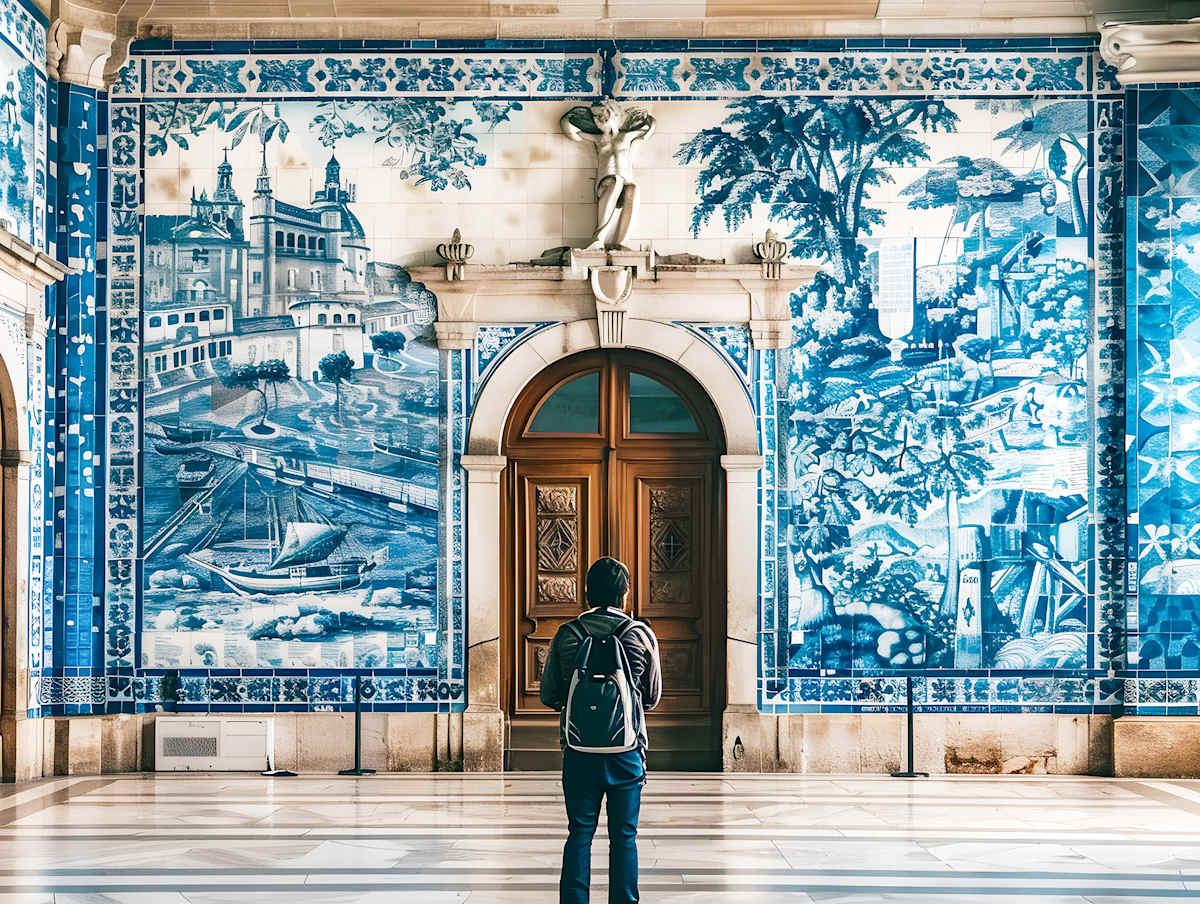
São Bento railway station’s entrance hall is azulejo central, featuring some 20,000 ceramic tiles.
Szalai/Adobe Stock
Afternoon
I decide to walk off the multi-stop lunch with a self-guided tour of the city’s azulejos. This artistic style was introduced by the Moors and came into its own in the 16th century. I find the motherlode inside São Bento railway station, in the heart of Porto’s downtown, also known as the Porto Baixa, where more than 20,000 ceramic tiles designed and painted by artist Jorge Colaço in the 1930s tell stories of transportation, farm life and historic battles. Not to be outdone, the entire exterior of the Chapel of Santa Catarina (a.k.a. the Chapel of Souls), a short walk northeast, is covered in azulejos that depict the lives of Catholic saints. As I stroll back toward the river, even more tiles await inside Igreja de Santa Clara, and, just down the street, in the cloisters of Sé do Porto, an imposing Romanesque, baroque and Gothic-style cathedral with sweeping views over the city’s red rooftops. Visually satiated, I make my way across the bridge to Vila Nova de Gaia’s WOW, a cultural district that opened in 2020, home to seven museums, plus restaurants, shops and a wine school. Inside Planet Cork, a museum dedicated to the inimitable material, I learn that cork trees only grow in Portugal, Spain and northwest Africa. Their bark is harvested every nine years (most famously for bottle stoppers), then it regrows, making cork a sustainable product that’s now being used for flooring, insulation, fashion and more. At the gift shop, I pick up a cork postcard to send home.
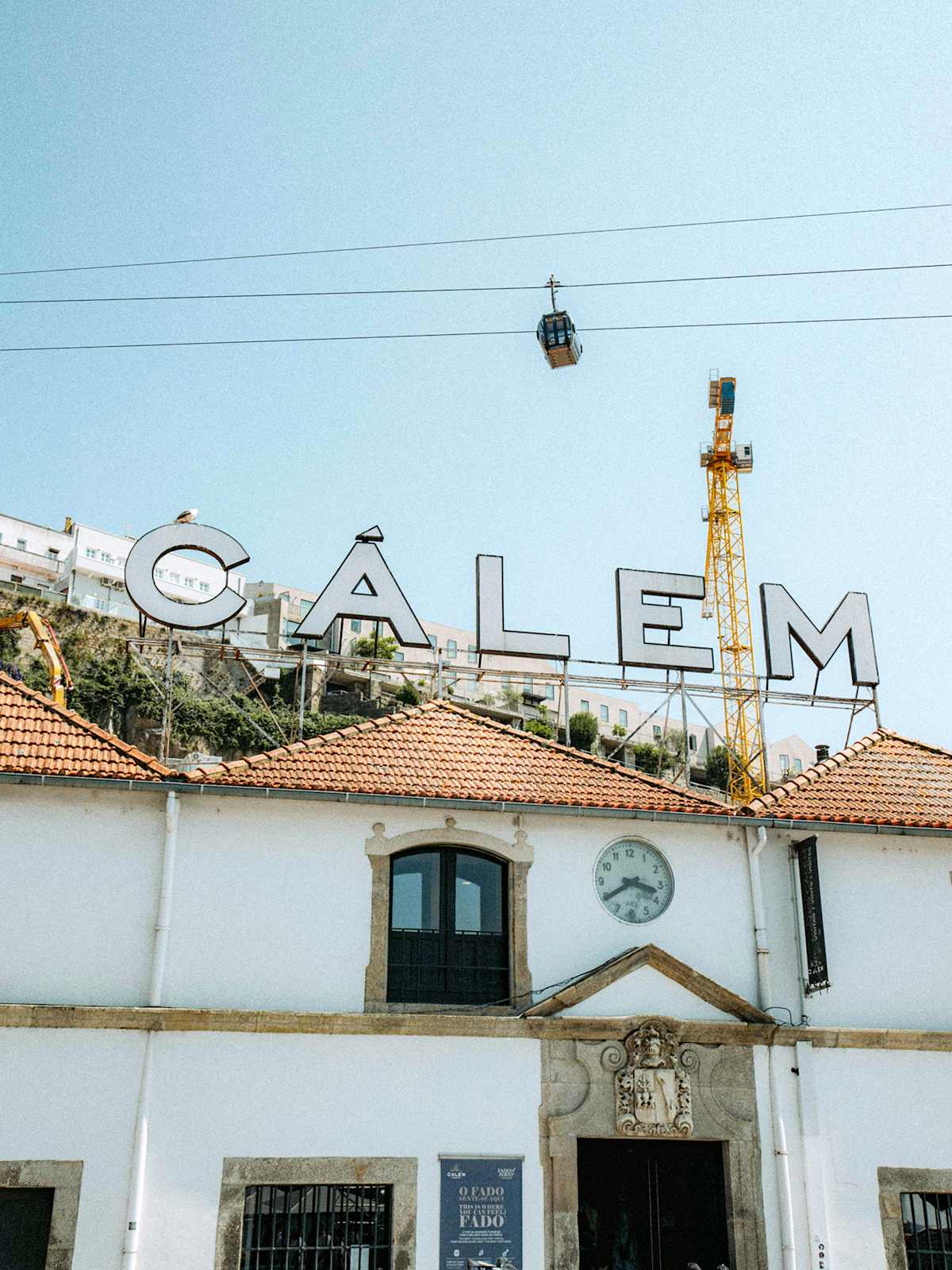
In operation for 165 years, Cálem is one of the world’s most recognizable port brands.
Corina Rainer/Unsplash
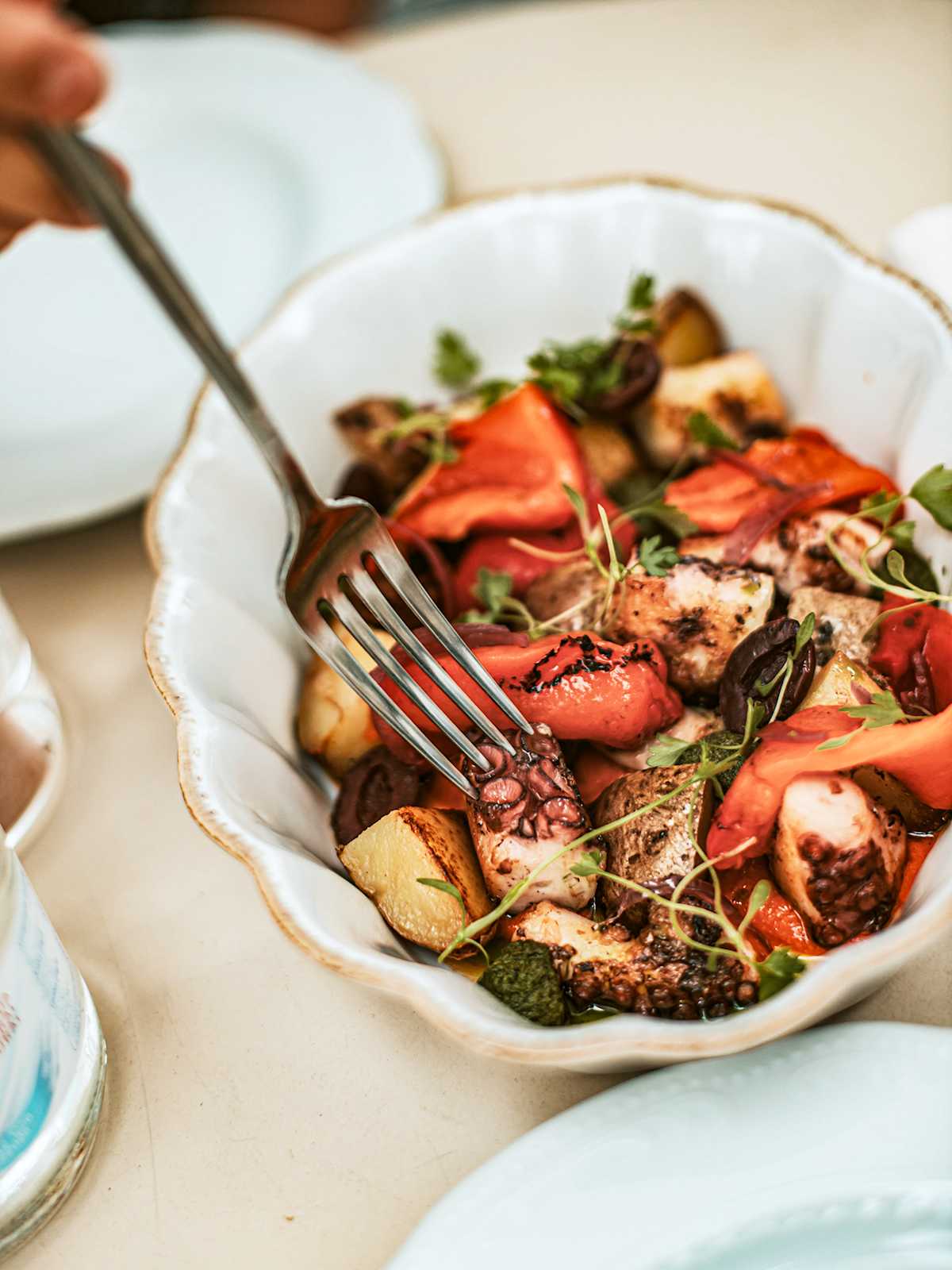
Tender octopus is paired with roasted peppers and romesco sauce at Alto Porto.
Courtesy of Alto Porto
Evening
As dusk nears, it’s finally time for a sampling of port, so I head down the street to Cálem, where operations manager José Bastos leads me inside the cavernous, granite-walled cellar. Traditionally, he tells me, wooden boats called rabelos carried barrels of wine from the vineyards of the Douro Valley down the river to Porto, where the wine was aged before being shipped to England. To prevent spoilage on the long journey, winemakers began fortifying it with brandy, and port was born. In the tasting room, I try a few styles including white port (it’s more golden in color) and a vintage ruby port, which is bottled young and matures in the cellars of its buyers. My favorite, though, is a 2002 Colheita tawny, aged in French oak for at least seven years before bottling. It’s paired with squares of dark chocolate, which bring out its cocoa, spice and dried-fruit notes.
Back on the Porto side of the Douro, I work my way up from the river to Porto’s highest point, the 246-foot-tall Clérigos Tower, for sunset. The baroque bell tower’s 225 steps lead to panoramic vistas with the river far below, and I watch the city lights twinkle to life. I take my time walking to dinner, wandering past Igreja do Carmo, another azulejo-wrapped church, then up Rua de Cedofeita, lined with tightly packed boutiques and bistros. At Alto Porto, in the Cedofeita neighborhood just west of Baixa, chef Igor Plakhin pairs Portuguese and European dishes with international flavors like wasabi and chimichurri. My grilled octopus arrives atop a bright romesco sauce — both the presentation, and the rich and tangy flavors are sublime. Even though I’m stuffed, I go for another slice of fresh bread topped with a spread of plum butter, olives, capers, anchovies and Parmesan. It pairs perfectly with a Porto Tonico, Porto’s answer to the G&T — two parts white port, four parts tonic and a twist of lemon. I take a sip, toasting my packed day in this storied city.
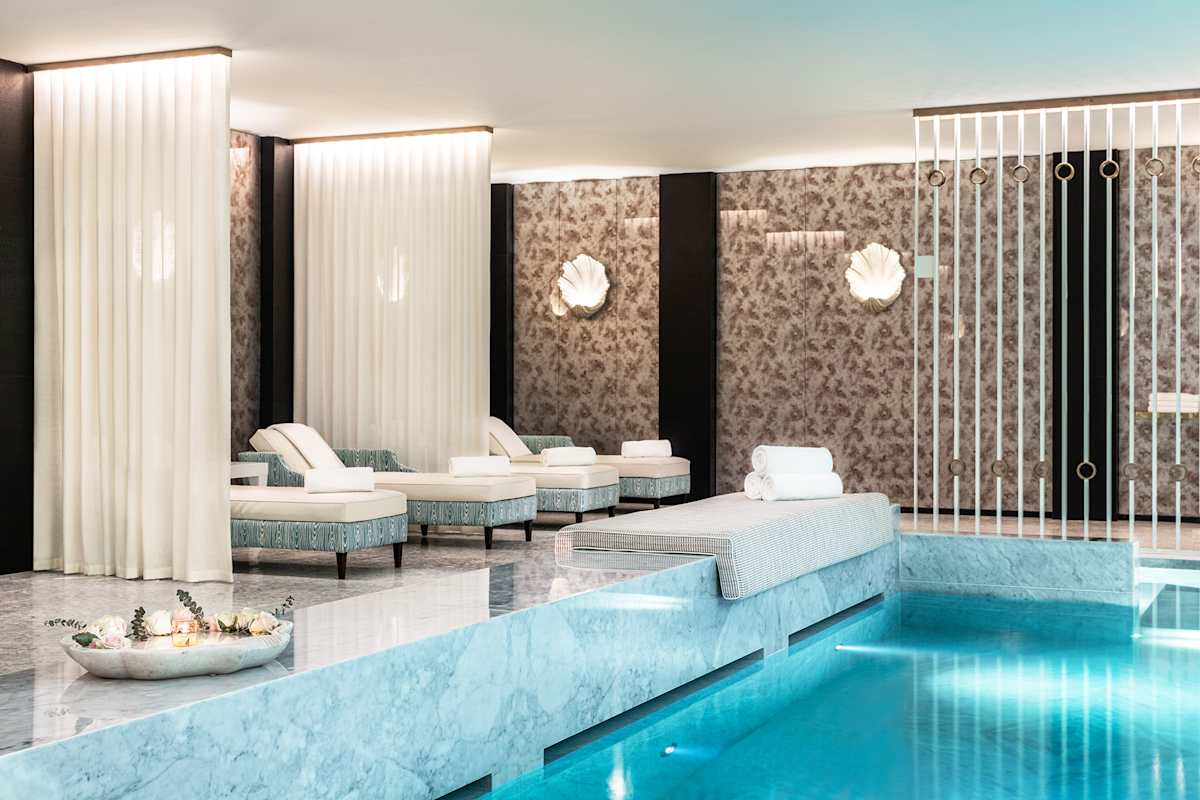
Maison Albar - Le Monumental Palace.
Courtesy of Maison Albar - Le Monumental Palace
Where to Stay
Maison Albar - Le Monumental Palace
Set steps from some of Porto’s most famous attractions, including the neoclassical Câmara Municipal do Porto (city hall), this five-star hotel has a library for unwinding, a spa for relaxing and the Michelin-starred Le Monument for dining on Portuguese-influenced dishes from French chef Julien Montbabut. The light-filled guest rooms are as inviting as the public spaces, with sitting areas, luxe bedding and marble bathrooms. ✦