After 35 years of innovation in travel, the pioneering founder of Toronto-based G Adventures remains focused on the future.
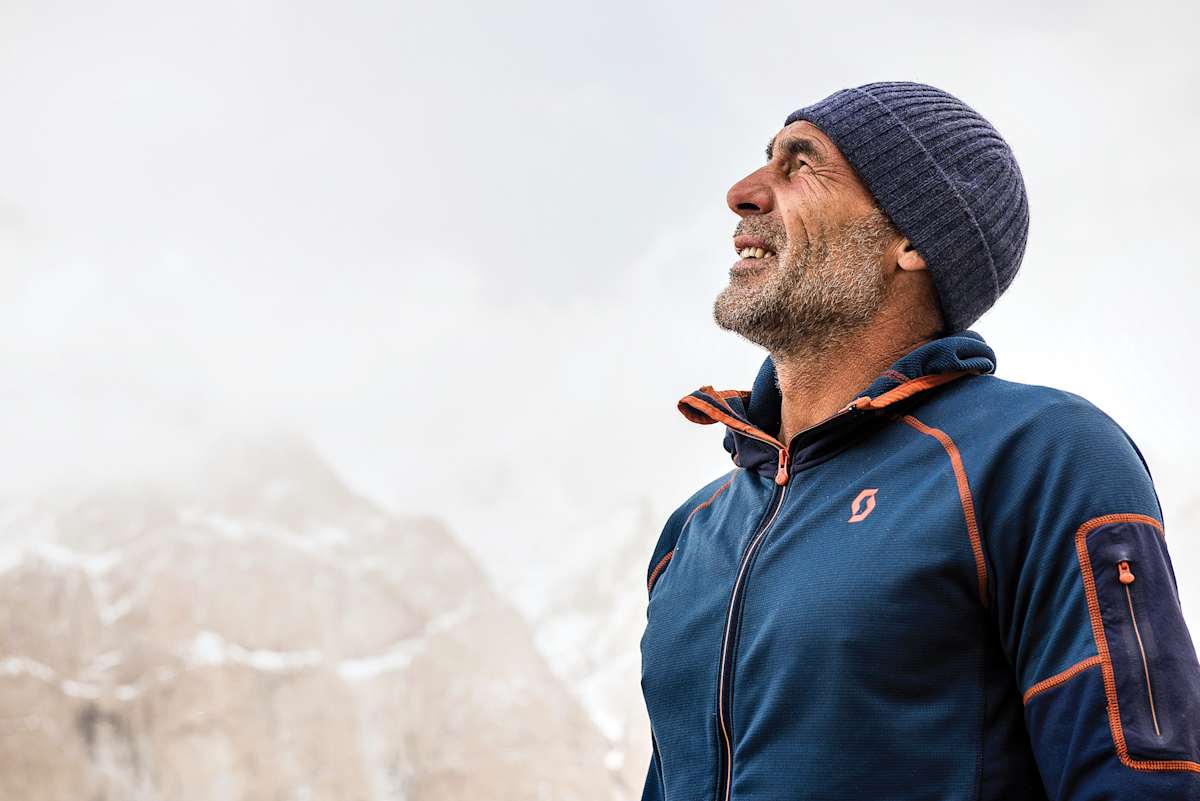
After 35 years of innovation in travel, the pioneering founder of Toronto-based G Adventures remains focused on the future.
By Robert Liwanag | May 20, 2025
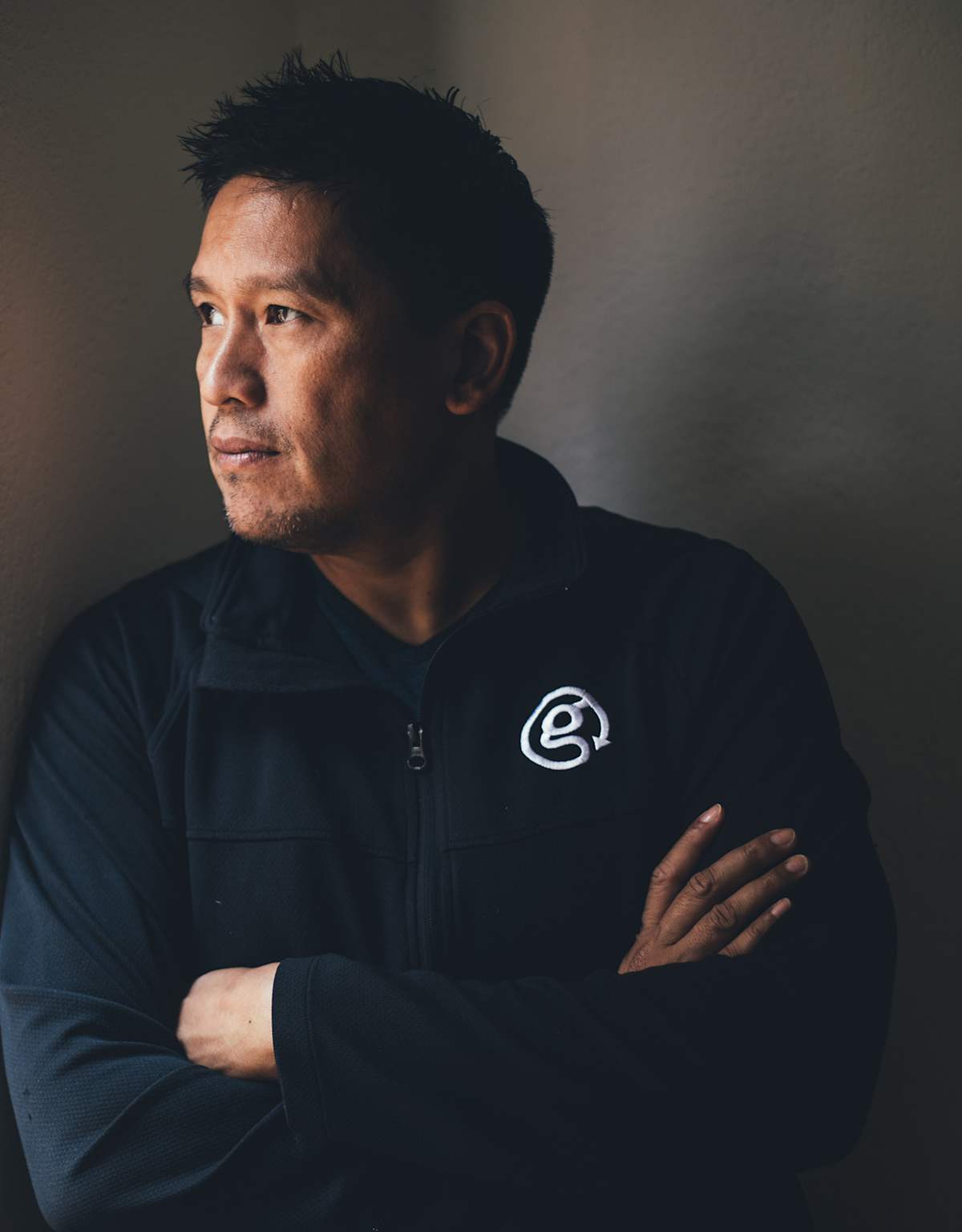
In 1990, while on a backpacking trip through Asia, Bruce Poon Tip had a lightbulb moment: He could combine his twin passions of adventure and entrepreneurship to foster the travel style he adored. His idea? Small-group tours of 12 people utilizing local transportation to explore less-traveled countries like Ecuador and Belize. “It was unheard of,” Poon Tip recalls. “No one was doing travel this way.” Over the years, what became G Adventures expanded its focus to support local guides, establish nonprofit organizations like Planeterra (which provides resources and training to local businesses) and offer affordable experiences that make expedition travel more accessible. This year will be G Adventures’ “most innovative” yet, says Poon Tip. Two newer additions to its line of travel styles include Geluxe, which blends active itineraries with luxury stays and elevated dining, and Solo-ish, group tours designed exclusively for solo travelers. This fall, the company will celebrate its 35th anniversary in Jordan, a longtime tourism partner, with an itinerary that starts and ends in Amman, including stops at landmarks like Petra and Wadi Rum, as well as the Dead Sea. “We’re 35 years old and I still feel we’re doing really cool things,” he says. “And that comes from a sense of community — the people behind me allow us to do extraordinary work.”
Start Planning Your Trip
Our Ensemble travel advisors will design a one-of-a-kind vacation - just for you.
Range: How do G Adventures’ newest offerings tap into the latest travel trends? Bruce Poon Tip: Geluxe came to be because we saw that mature travelers are now staying active longer. The oldest members of Gen X, for instance, turn 60 this year — they’ve been around the block and they want to visit unique destinations. Before, it was places like Peru and Costa Rica, but now you have people who want to go to Kazakhstan and Albania. Meanwhile, Solo-ish appeals to people whose travel partners aren’t as active or adventurous as they are. These days, more and more couples are taking the time to have separate vacations — and Solo-ish responds to that. R: What was the atmosphere around community-based tourism in the 1990s? BPT: Our first community projects began in 1996. What we didn’t know at the time was we were doing something that would later become more widely known as microfinance: We started businesses and gave locals the capital to run our tours and offer unique experiences to our customers. That same year, our brochure featured a coal miner from Bolivia — an elderly man with a beautiful, wrinkled face — and more than a quarter of our partners refused to stock it. I remember getting calls from folks saying, “People want to go on holiday; they don’t want to think about poor people.” Compare that to where we are now. R: What was G Adventures’ breakthrough moment? BPT: It was around 1995 when things changed. The rise of email and faster communication made it possible to think internationally. Prior to that, I used to go to libraries and look at world phone books just to see if there were other companies like us. The fax machine was an evolution, but the Internet was the real game-changer. That’s when we went from a guy running tours to building a multinational brand.
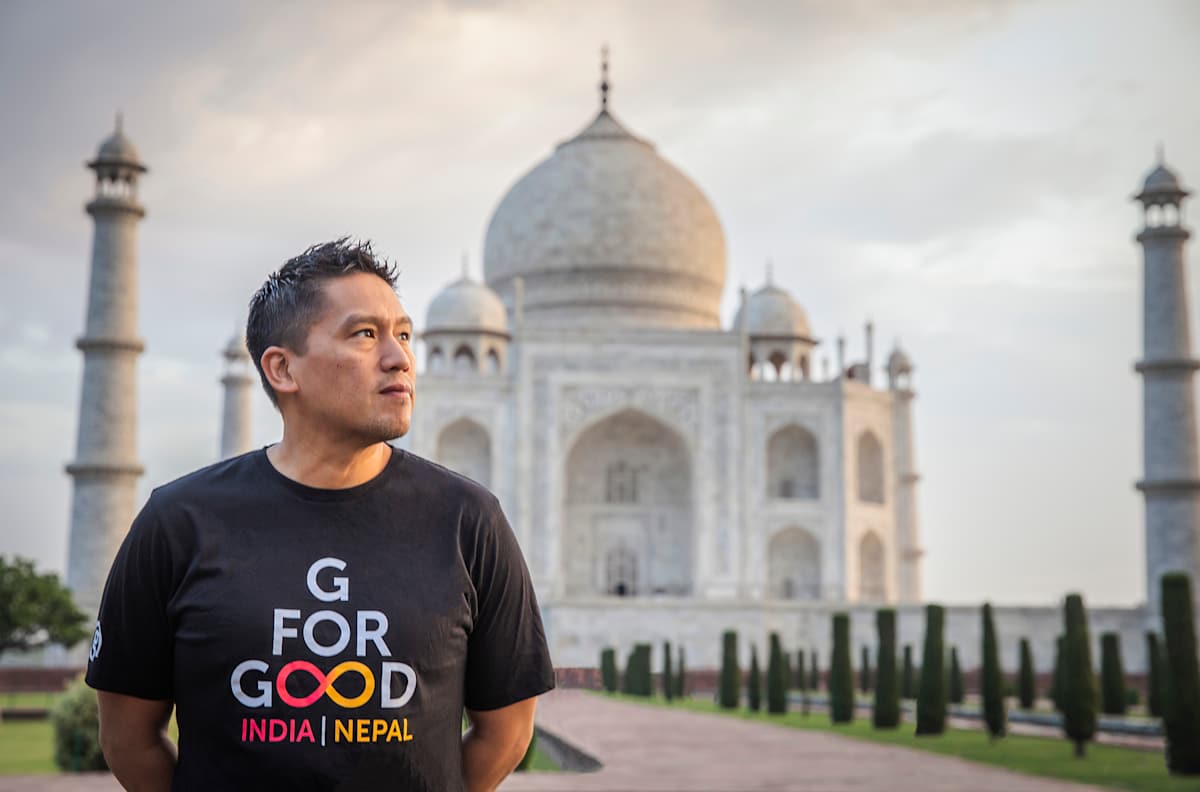
R: Which tech innovation excites you the most? BPT: We still don’t fully understand how artificial intelligence will impact travel, but it’s certainly going to change how people research destinations. With more information at their fingertips, people can be more purposeful, and that’s what we need: people who travel because they actually want to see a very specific country that matches their values. R: What’s next for sustainable travel? BPT: In the next five years, you’re going to see travel companies try to meet their 2030 climate goals, but the spectrum of sustainability is much wider than that. It includes visiting some of the poorest countries in the world and making sure their communities benefit from tourism. People often point to the environment and carbon emissions, but I hope that other side of sustainable travel gets more representation, respect and understanding over the next five years as well. R: After a lifetime of travel, how has it shaped the way you view the world? BPT: The world is at a very difficult precipice right now. For me, travel has always been a path to understanding my place in the universe and who I’m sharing this planet with. That common humanity is certainly something I’ve learned through traveling. It’s not something you can teach in school or through TV or on social media. R: Is there a destination you’d love to revisit? BPT: I can return to the Galapagos Islands over and over again, but one of the best trips I’ve ever taken was a journey along the Karakoram Highway, which follows the ancient Silk Road routes. It starts in Ürümqi, China, and extends all the way to northern Pakistan. I made that trip in the mid-’90s, and of course, Pakistan has been through a lot in the last 30 years. I would like to do that trip in a Jeep.
One item you never travel without “Wine gums. There are no good-quality wine gums except the ones from Canada.” A place that is still on your bucket list “When Russia invaded Ukraine, there was a lot of back-and-forth with Canada. Vladimir Putin retaliated by banning 200 Canadians for life from Russia. I’m number 197 on the list. I had canceled two trips to Russia before the invasion, and now I regret it because I’ll never be able to visit.” Most treasured souvenir “I collect ceremonial and religious masks and have a great collection from West Africa.” Most unexpected place discovered while traveling “Baños, Ecuador. It’s one of the most special towns.” Most memorable travel mishap “In the early ’90s, when Myanmar (then Burma) was closed, I snuck in but got arrested on my way out. I was sentenced to move to Yangon (then Rangoon) and serve seven years in prison, but I escaped.” Dream road trip route “I just had this conversation with Tony Wheeler, the co-founder of Lonely Planet. Route 66 in a 1967 Ford Mustang convertible — that’s the dream right there.” ✦