Heading to a destination higher than 8,000 feet? Here’s your guide to managing altitude sickness and staying healthy.
How to Prevent Altitude Sickness: 7 Practical Tips for Travelers
By Alyanna Denise Chua | August 12, 2025
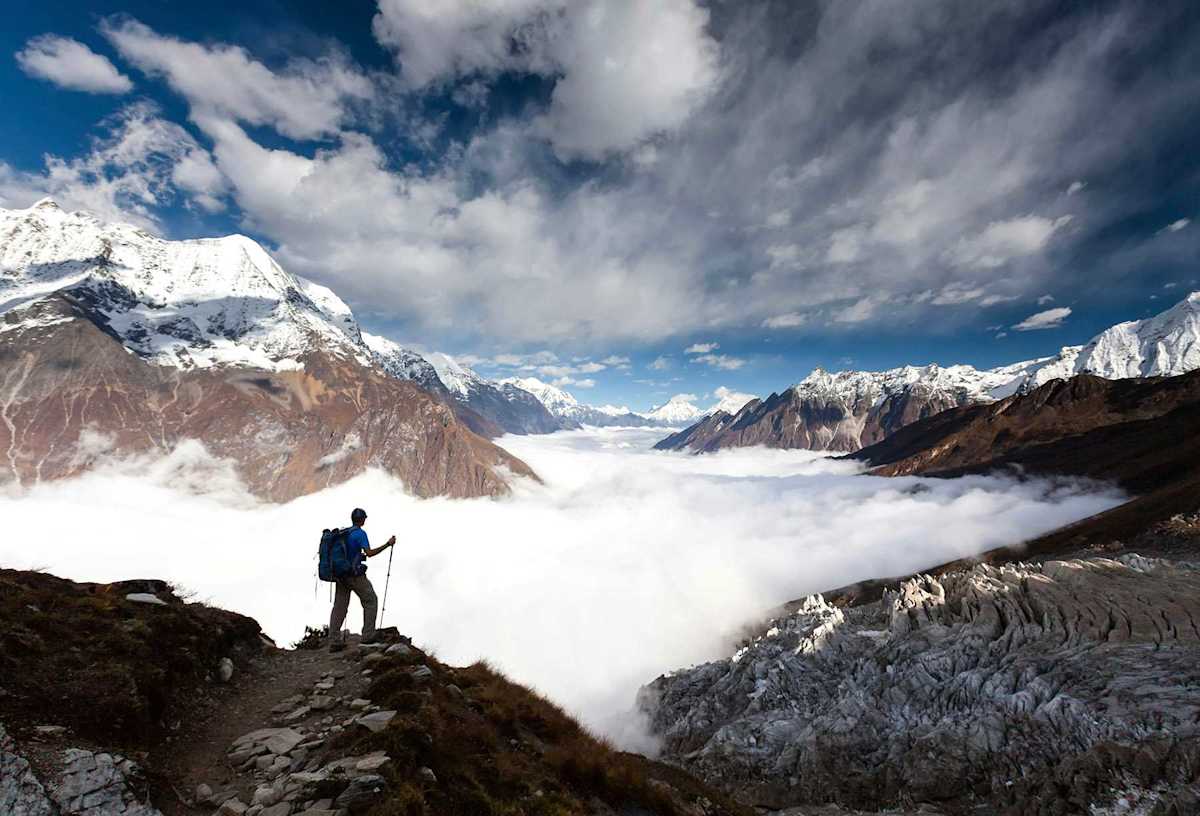
Altitude sickness is common for people who ascend to 8,000 feet above sea level and are not properly acclimated.
Getty Images/Unsplash
When traveling to high-altitude destinations — think Aspen, Colorado, or Quito, Ecuador — you might suddenly find you’re no longer in peak physical condition. Are nausea, fatigue or a nagging headache among your symptoms? Don’t rush to blame jet lag or the long hours at the airport — you may be experiencing altitude sickness. Once you travel to elevations 8,000 feet above sea level, the air gets thinner, and less oxygen makes its way into your body. This change can throw your system off, with symptoms including dizziness, shortness of breath and trouble sleeping. “Going to higher altitudes always makes people feel like they're out of breath more easily,” says Mariela Zamora, a lifelong resident and tour guide in Cusco, Peru, which sits 11,000 feet above sea level. “This is natural, and there is no way to avoid it.” The good news? Most symptoms often go away on their own after two to three days as your body acclimates. But with the right remedies, you can reduce their negative effects — or avoid them altogether. Read on to find out how to prevent altitude sickness.
Ascend Gradually
The faster you climb, the more likely you are to develop harsh symptoms of altitude sickness. Ideally, you should ascend a maximum of 1,640 feet per day. If you fly directly to a high-altitude destination, stay at that altitude for a couple of days before heading farther up. When possible, consider staying at an intermediate place as well. For example, if you’re traveling to the Rocky Mountains in Alberta, Canada, spending one or two nights in Banff can help.
Stay Hydrated
At higher elevations, dry air and low humidity dehydrates the body more quickly, which can worsen some symptoms of altitude sickness. While water is the best option, local remedies can provide relief, too. In Cusco, Zamora recommends the indigenous coca or muña tea. "Coca tea is very famous as an energizer,” she says. Traditionally, the Incas chewed on coca leaves to cope with thin air, while using muña plants as digestive aids and immune system boosters. “Muña tea helps mainly with digestion, which is very important, given that stomachaches are one of the most common symptoms of high-altitude sickness,” she adds.
Plan your dream trip.
Alcohol Is Off-limits
Alcohol and high altitude? They should never mix. Drinking alcohol at high altitudes can slow your breathing — which is risky in low-oxygen environments — and further dehydrate your body. Avoid alcohol before traveling to, and at least for the first few days of, your high-elevation adventure.
Avoid Large Meals
Thinking about eating a large meal at high altitude? Think again. You should eat smaller, easily digestible meals as early in the day as possible, Zamora advises. Food takes longer to digest in your stomach at high altitudes, so opt for low-protein, high-carb foods like oatmeal, bananas and sweet potatoes. If you absolutely need to have a big meal, make it lunch rather than dinner.
Take Frequent Breaks
If you’re focused on ways to prevent altitude sickness, the shorter the itinerary, the better. At high altitude, you may tire out more easily than usual due to reduced oxygen intake, so limit strenuous activities — at least for the first few days while acclimating. “More importantly, try to relax and not think too much about the altitude,” says Zamora.
Pack the Right Medicine
Over-the-counter medication like ibuprofen (Advil) or acetaminophen (Tylenol) aren’t just everyday pain relievers — you can use them to relieve altitude-related headaches, too. For added altitude sickness protection, however, talk to your doctor about acetazolamide, a diuretic that increases your breathing rate and helps you get more oxygen into your body.
Seek Aid for Severe Symptoms
If more severe symptoms develop — such as trouble walking, tightness in your chest, blurred vision and confusion — seek medical attention right away. These could be signs of high-altitude pulmonary edema or high-altitude cerebral edema, both of which can be life-threatening. Hotels located in high-altitude areas usually keep oxygen on hand in case of emergencies, but if symptoms persist, descend at least 1,500 feet while making sure you have someone to accompany you. ✦
Explore More
How to Conquer Motion Sickness on Your Next Cruise: Hoping to avoid feeling green on the waves? Check out these expert tips to keep your high seas adventure easy, not queasy. How to Stay Healthy on Your Next Trip: We went to the experts for tips on how to stay hydrated, get enough exercise and score a good night’s sleep no matter where you’re headed. 5 Ways to Come Back From Your Cruise Smarter: The learning opportunities on board your next cruise can be as enriching as any shore excursion. Follow Range on Instagram, Facebook and Pinterest. Sign up for the Range newsletter to receive expert advice, award-winning stories and the latest travel trends in your inbox.