On her fifth visit to one of the city’s most celebrated soba restaurants, our writer finds the handmade noodles as slurpable and satisfying as ever.
Why the Soba at Tokyo’s Kanda Matsuya Are Worth Traveling For
By Ivy Lerner-Frank | April 10, 2026
Kanda Matsuya has been open since 1884.
Courtesy of Kanda Matsuya
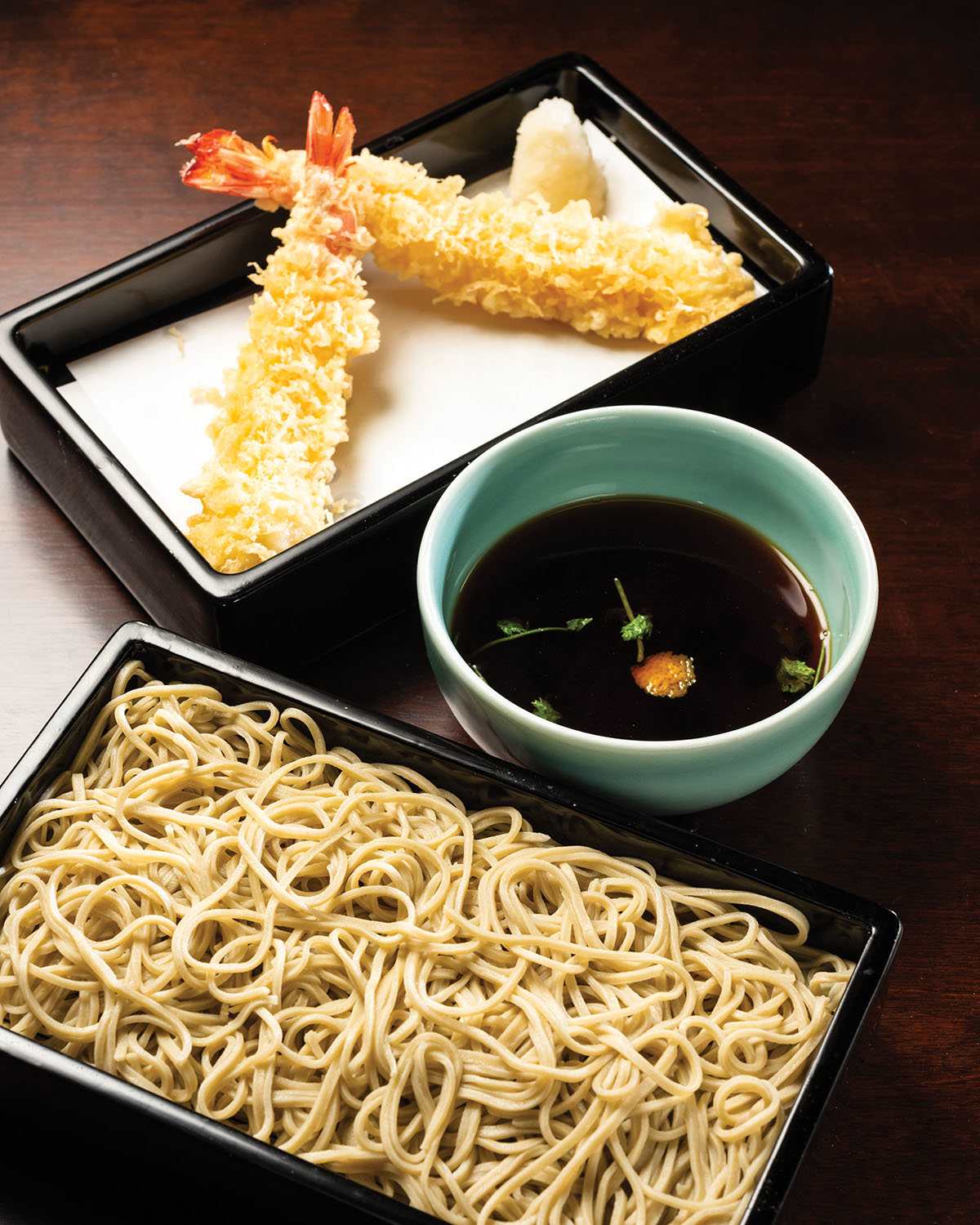
I had a refresher lesson in soba slurping before heading to Kanda Matsuya in Tokyo for the fifth time: Purse your lips and quickly pull the noodles in with a swift, audible swallow. This was preparation for a bright winter Saturday, when my fellow diners and I fell under the spell of the restaurant’s chewy, flavorful buckwheat noodles, handmade the same way since 1884. Eating noodles noisily in Japan is perfectly acceptable, but the appropriate response at Kanda Matsuya is reverence, not raucousness. Tokyo regulars and noodle-loving visitors alike, we’d all waited in line for the 11 a.m. opening, and our reward was at hand. Kanda Matsuya’s home is more than 100 years old, a traditional two-storey building with an antique grandfather clock that still ticks on the wall next to the glassed-in kitchen. A tall young chef kneads a fresh batch of buckwheat dough inside on a floured wooden board, bouncing as he moves, his paper toque bobbing. Long, low wooden tables with short stools furnish the room; eye-level dividers separate groups, and every one of the 60 seats is filled. Servers wearing face masks and patterned aprons bustle between the tables, instructing us to take tiny bites of dark miso between sips of beer while we decide what to eat. We flip through a dog-eared English-language photo menu in a plastic folder, contemplating the options. They’re straightforward: hot or cold soba, dry or in soup. It’s tenmori for me — cold noodles with prawn tempura.
Plan your culinary adventure.
The soba noodles arrive entwined on a bamboo mat, a centuries-old tradition; on the left of the tray lie two long, battered shrimp covered with panko, a mound of grated daikon alongside. Delicious. But now it’s all about the soba. Finely sliced scallions tumble into the tsuyu dipping sauce. A tiny nugget of yuzu peel floats in there, fragrant. I dip my noodles in the sauce, close my eyes and gently draw them in. Conversation slows to a halt. They’re perfect. Nutty, with bounce. And gone too soon. To start Don’t miss the silky yuba squares, dipped in soy sauce with a bit of wasabi, and off-skewer yakitori, with coarse salt and a dollop of mustard. Add dumplings Try the sobagaki, a meltingly soft buckwheat dumpling shaped like a plump leaf, floating in soba-yu, the broth the noodles have been boiled in. Where to try it Kanda Matsuya 1-13 Kandasudacho Chiyoda-ku, Tokyo ✦
Explore More
A Guide to Naoshima, Japan’s Art Island: From whimsical soaking tubs to installations from major masters, Naoshima Island is Japan’s go-to immersive art experience. Here’s how to make the most of your visit. Inside Kanazawa’s World of Traditional Crafts: Artisans in Japan’s epicenter of crafts are preserving traditional ways by reinventing them for modern life — and visitors have a role to play. The Best Things to Do in Tokyo at Night: From dining to dancing to singing, there’s something for everyone in this sprawling metropolis. Follow Range on Instagram, Facebook and Pinterest. Sign up for the Range newsletter to receive expert advice, award-winning stories and the latest travel trends in your inbox.