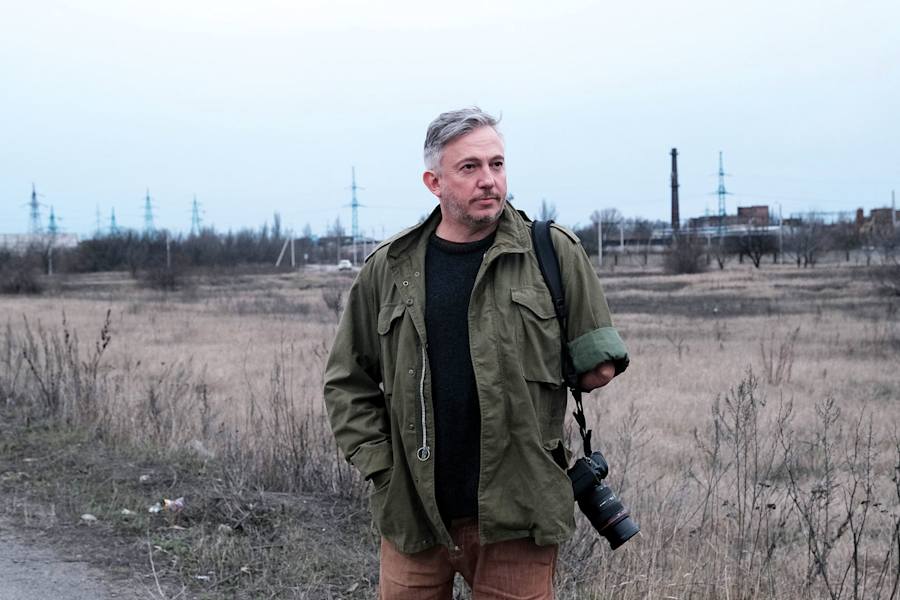
Oliver Steeds left behind journalism to highlight a different cause. Now, the British explorer is leading a mission to draw attention to — and protect — Earth’s last unknown: our oceans.
How Oliver Steeds Is Helping to Protect Our Final Frontier
By Dave Lank | February 3, 2025
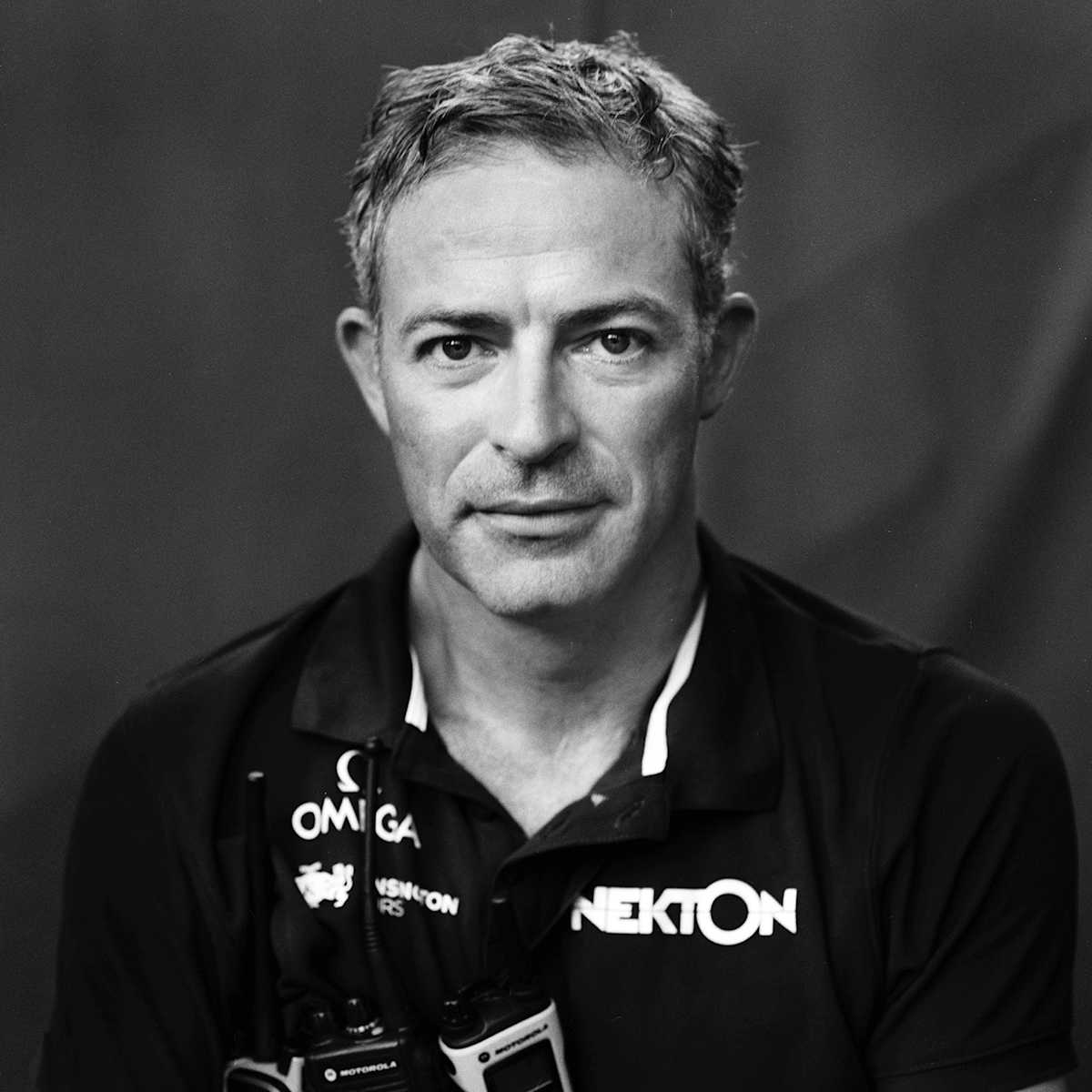
"At the moment, scientists have discovered about a tenth of what lives in the ocean," says Oliver Steeds.
Giles Duley for Nekton
From covering conflict zones to piloting submersibles in the ocean’s twilight zone, Oliver Steeds’ career charts an unconventional course. His years as a broadcast journalist for the likes of ABC, NBC and the UK’s Channel 4 led him to start reporting on the ocean, where he realized his true mission. So, in 2015, Steeds founded Nekton, a not-for-profit organization that conducts scientific research to protect and explore our oceans. Our knowledge of the sea is as shallow as the waters are deep: Scientists say that only 10 percent of marine life has been identified. Steeds’ team has already helped shed light on a new underwater ecosystem, and they’ve just dived into an ambitious project, Ocean Census, which aims to find at least 100,000 new marine species within the next decade. “I apply my skills as a journalist to drive scientific exploration,” says Steeds, “but also to deepen our cultural and societal awareness about ocean life, which makes all life possible on Earth.”
Start Planning Your Trip
Range: What’s the most challenging aspect of deep-sea exploration? Oliver Steeds: One thing is the pressure. Another is that it’s dark. But most of all, the sea is a mirror to the sky, so people are disconnected from it. That makes our work difficult, because there’s very little funding compared to its importance for planetary resilience. R: Tell us about the moment when you encountered a new ecosystem in Bermuda. OS: I was piloting a submersible on the Argus Seamount, about 330 feet below the surface, where no one had really been before. It was a forest of algae and corals, with six-foot black corals that were like the oak trees of this environment. It’s not every day you think that you’ve discovered a new forest. That was the basis of confirming the discovery of the rariphotic zone, from 425 to 1,000 feet (130 to 310 meters) deep — one of the largest ecosystems ever found on Earth. R: What do you hope Nekton’s work will achieve in the next 10 years? OS: At the moment, scientists have discovered about a tenth of what lives in the ocean. Through Ocean Census we will undertake the largest identification of ocean life ever mounted. We have about 50 major organizations in the alliance, along with scientists from more than 400 institutes, which we are coordinating in this global census to discover tens of thousands of species per year. R: You’ve explored oceans worldwide. Do you have a favorite coastal destination? OS: I love the Maldives. It’s made up of about 1,200 islands that are all the same height — none higher than four feet above sea level. Geologically, that’s extraordinary. It’s one of the few nations built entirely on coral. You’re also on the front line of the climate and biodiversity crisis. If it doesn’t all click and make sense to you there, nowhere else on Earth will do it. ✦