In Utah’s southwest corner, ancient geology and pristine darkness combine to create landscapes that feel borrowed from another planet.
7 Out-of-this-world Experiences in Southwestern Utah
By Dominique Lamberton and Range Editors | July 11, 2025
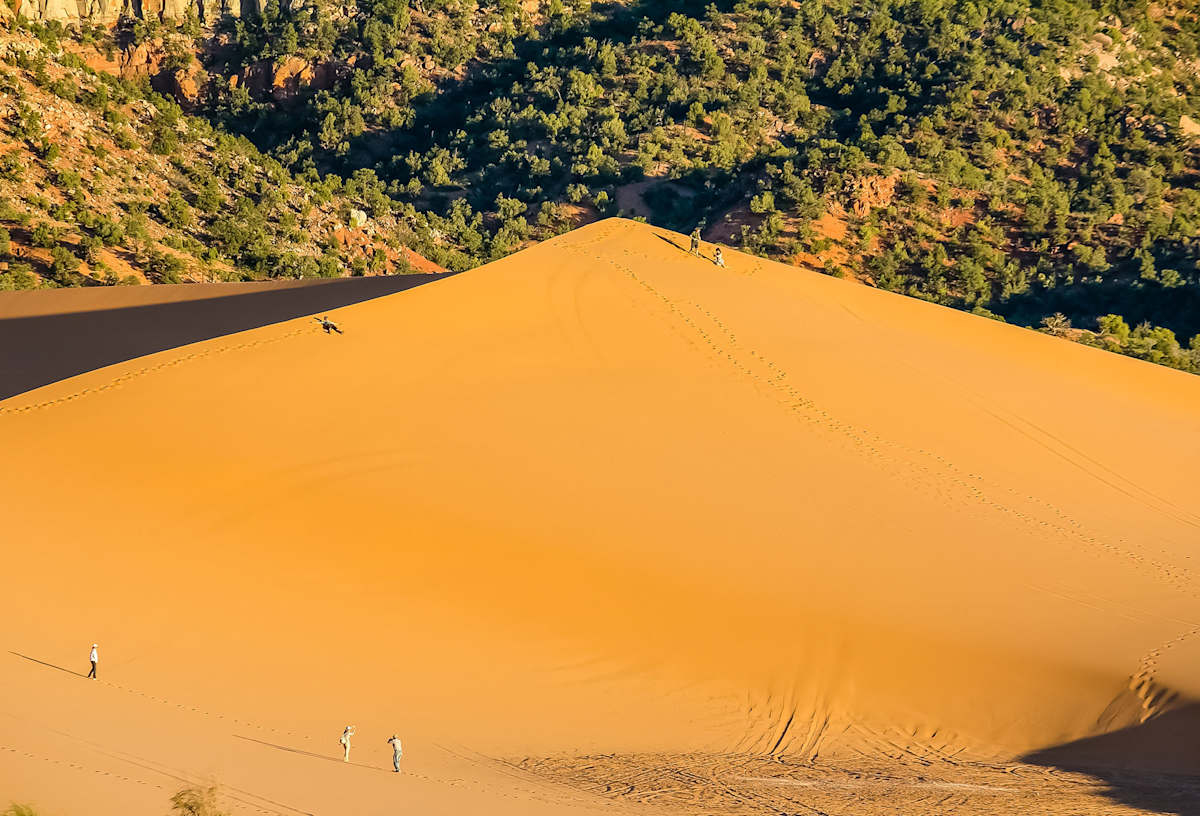
The Coral Pink Sand Dunes in Utah are between 10,000 and 15,000 years old.
Warren Price/Adobe Stock
Utah has long been known for its stunning landscapes. Now it’s attracting a growing number of stargazers, thanks to the highest concentration of Dark Sky-certified places in the world. The dramatic red rock formations of Southwestern Utah — carved by 300 million years of geological upheaval — serve as natural amphitheaters for some of the darkest skies in North America. Here in the high desert, you’ll find towering sandstone arches and sculpted canyons that frame the Milky Way's ethereal glow, while meteors flash over rock formations that predate the dinosaurs. Read on for a list of great places to see Utah by day, and to experience its pristine dark skies by night.
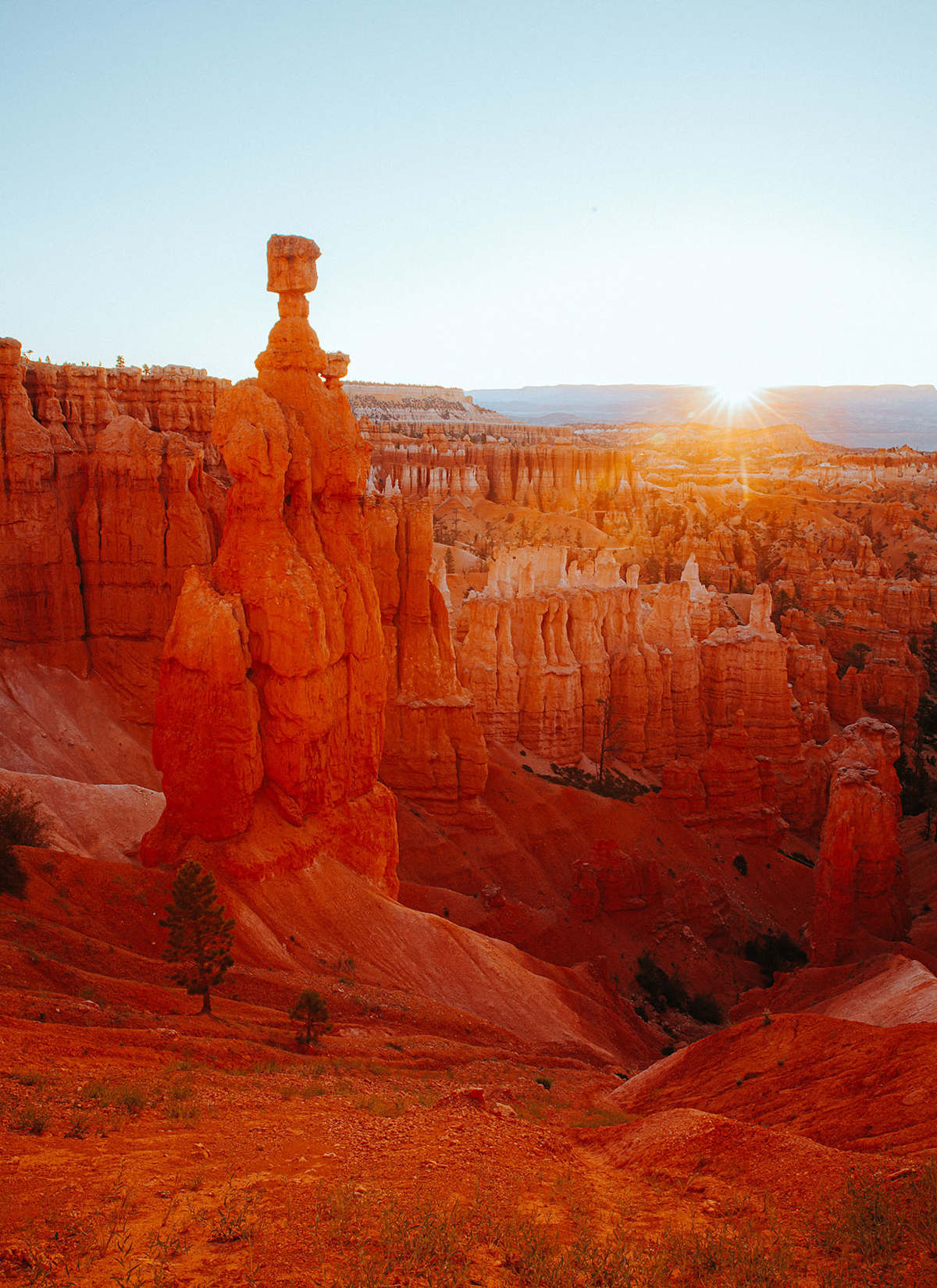
Bryce Canyon National Park is home to Thor’s Hammer, a famous hoodoo.
Jono Melamed
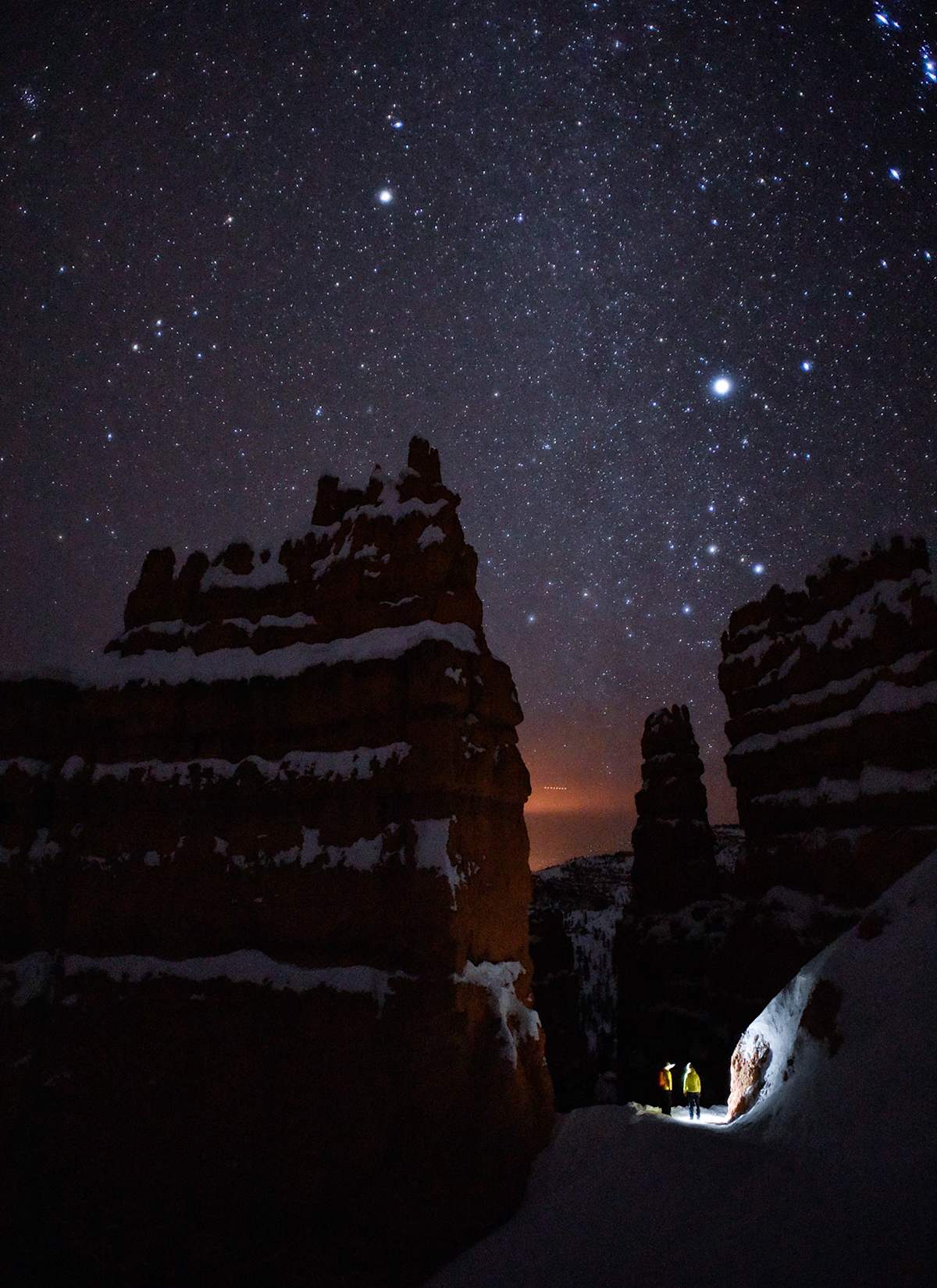
Look up during a Dark Sky hike in Bryce Canyon and behold thousands of stars.
Courtesy of Visit Utah
Near Bryce Canyon National Park
By Day: The Navajo Loop Trail Located on a high plateau at the top of the Grand Staircase at 8,000 to over 9,000 feet above sea level, Bryce Canyon National Park contains the largest concentration of irregular rock pillars, a.k.a. hoodoos, on Earth. Take the 1.3-mile Navajo Loop Trail into the mind-blowing Bryce Amphitheater and get up close to the park’s most famous reddish-orange hoodoo, the 150-foot-tall Thor’s Hammer. By Night: Full Moon Hikes The park is the ideal place to view Utah’s geological theater under starlit skies. All year long, join a ranger during the full moon for a one-to-two-mile hike through Bryce Canyon’s hoodoo-filled landscape, where the moonlight casts shadows amid the pillars, learning about our moon and the park as you go. Every June during the new moon, the Bryce Canyon Astronomy Festival offers special evening programs, telescope viewing and constellation tours.
Plan your ultimate adventure.
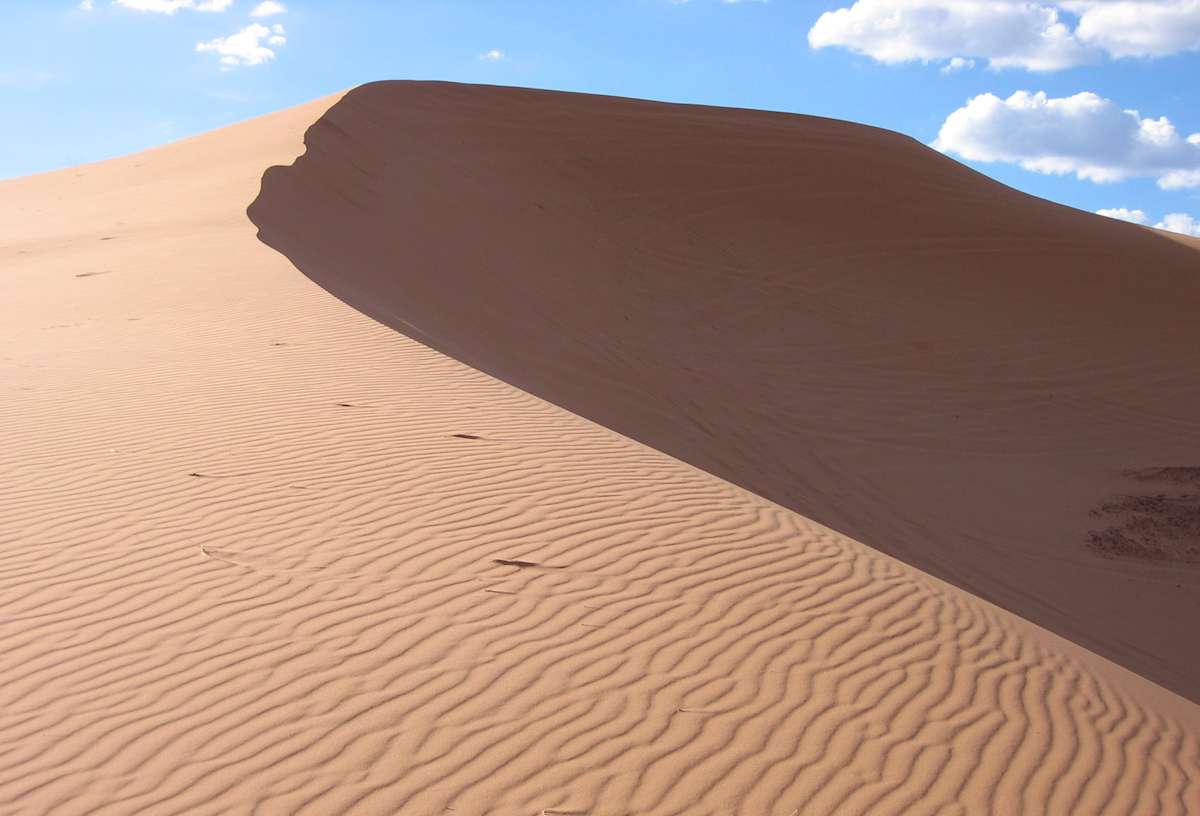
Due to strong winds, the Coral Pink Sand Dunes can move up to 50 feet each year.
Courtesy of Visit Utah
Around Kanab, Near the Arizona State Line
By Day: Coral Pink Sand Dunes State Park You’ll feel like a Fremen from Dune in this 3,730-acre state park, home to sprawling pinkish-orange sand dunes that are estimated to be 10,000 to 15,000 years old. Hike and play in the sandy ridges at your leisure (warning: traversing them takes a lot of effort!) or rent a sand board or sled at the visitor center to zip down the biggest slopes.
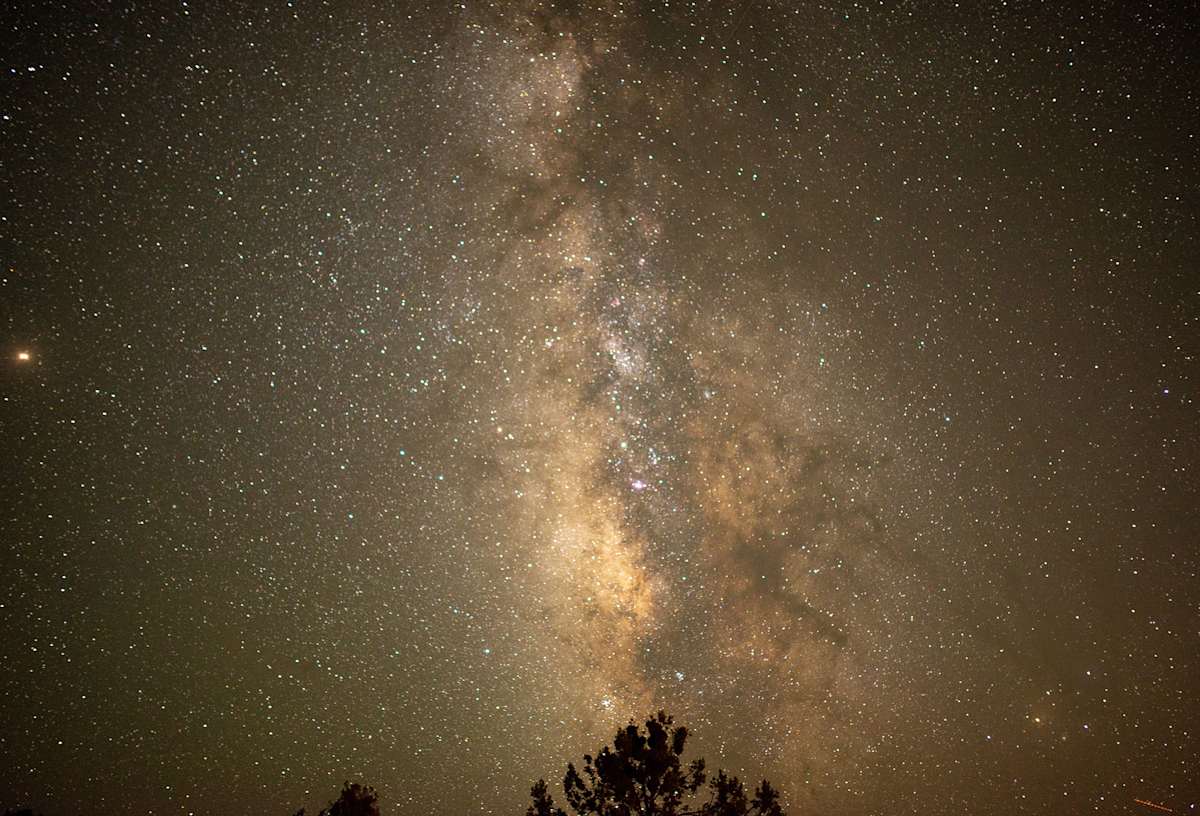
The Stellar Vista Observatory is situated in one of the darkest regions of the Colorado Plateau.
Jean Baptiste/Adobe Stock
By Night: Stellar Vista Observatory In Kanab, check out the Stellar Vista Observatory’s calendar to see if your visit aligns with one of its monthly star parties, held in locations like Coral Pink Sand Dunes State Park or in town at the edge of Jackson Flat Reservoir. The observatory also offers private night sky tours on demand, guiding guests on what’s visible on a given night and offering telescopic views of the moon, planets and distant galaxies.
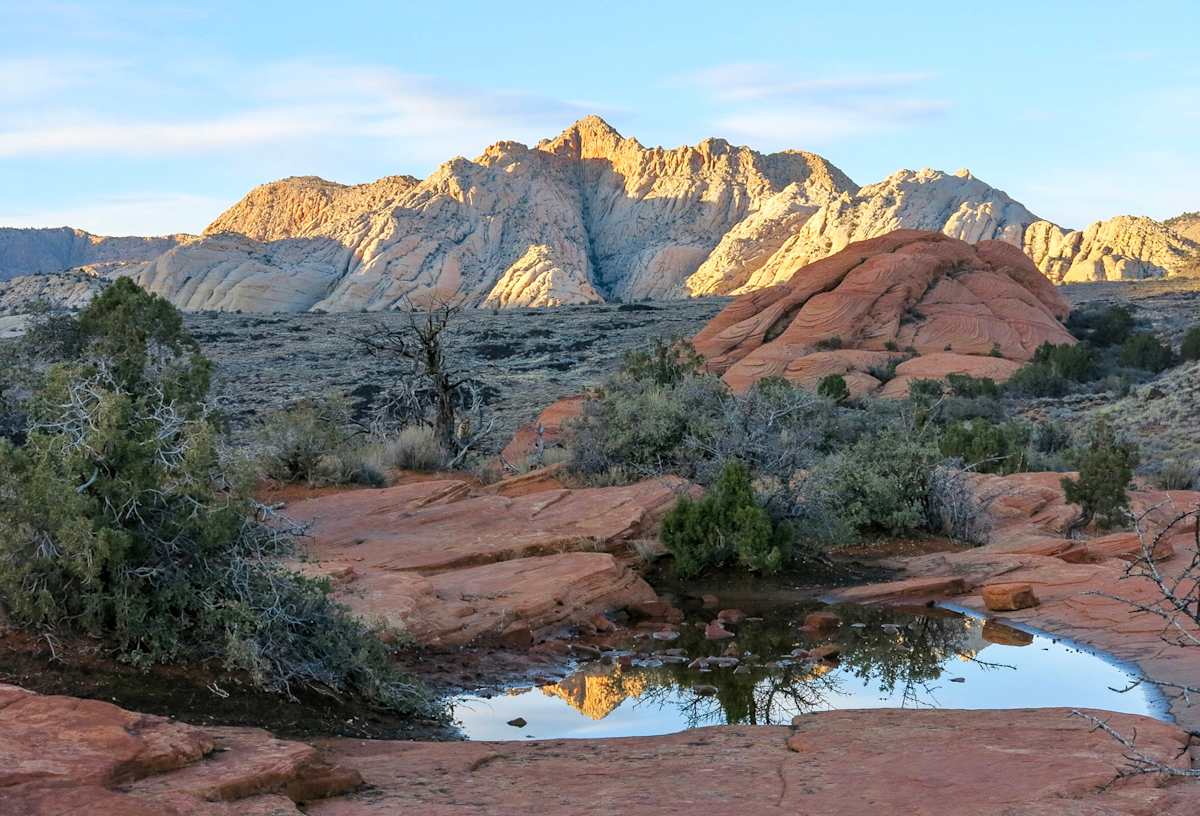
Many popular films have been filmed at Snow Canyon State Park, including 1969’s "Butch Cassidy and the Sundance Kid" and 1972’s "Jeremiah Johnson."
Courtesy of Visit Utah
Around Cedar City and St. George
By Day: Snow Canyon State Park Just a 15-minute drive northwest of St. George, this state park offers a similar landscape to Zion National Park with far smaller crowds. Hike its 38-plus miles of paths to see slot canyons, lava tubes, petroglyphs and sandstone cliffs, or explore it on horseback (the park is home to more than 15 miles of equestrian trails).
By Night: An observatory in Cedar City — or open-air theater The Ashcroft Observatory, located on a hilltop in southwestern Cedar City, opens its doors to the public every Monday, free of charge, for the opportunity to view constellations and other galactic features from its telescopes. For an entirely other type of spectacle, the Utah Shakespeare Festival, one of the oldest and largest Shakespeare festivals in North America, is held in Cedar City every year from June to October. Catch a play in the Engelstad Shakespeare Theatre, an Elizabethan-style open-air venue that allows audiences to take in performances such as Macbeth and As You Like It under Utah’s starry skies. ✦
Explore More
New UNESCO Geoparks in 2025: These 9 new parks around the world showcase places where nature, culture and conservation converge. A Journey through Kazakhstan, Where Old and New Collide: In the vast former Soviet republic in Central Asia, nomadic traditions and shimmering spires coexist in a wildly prosperous present.
Why Utah is the Ultimate Stargazing Destination: With its International Dark Sky Parks and otherworldly landscapes, Utah is the perfect place to gaze at the stars. Follow Range on Instagram, Facebook and Pinterest. Sign up for the Range newsletter to receive expert advice, award-winning stories and the latest travel trends in your inbox.