Whether you're sweltering under the sun in the Philippines, Japan or Italy, there's nothing like a shaved-ice dessert to beat the heat.
3 Shaved-ice Treats Worth Planning a Trip Around
By Dominique Lamberton | December 11, 2024
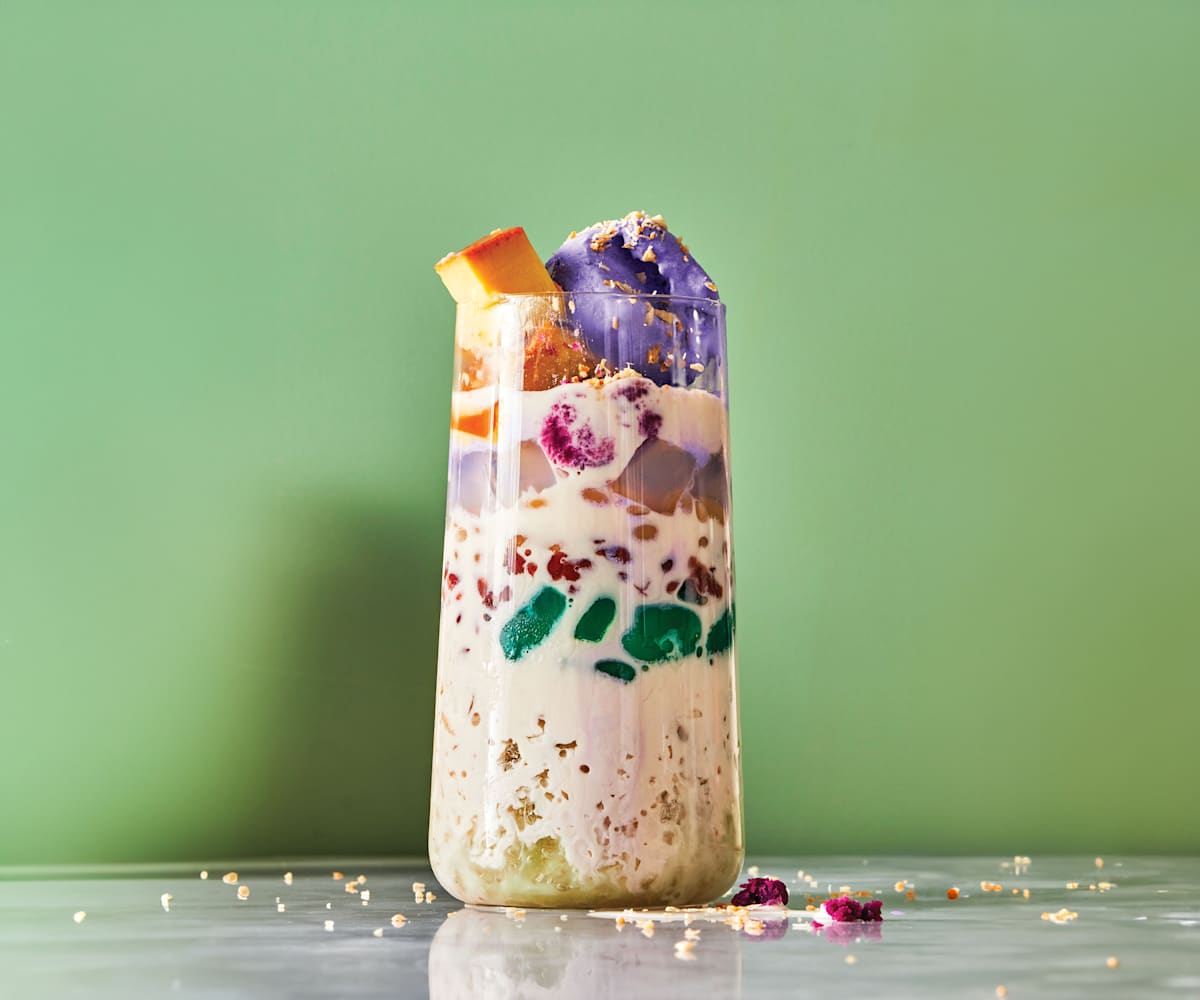
Halo-Halo from the Philippines.
Andrew Bui
Halo-Halo
Philippines
Halo-halo, which translates to “mix-mix” in Tagalog, is a mingling of colorful ingredients layered into a clear cup that results in the most delightful looking dessert. Its foundation is shaved ice and evaporated milk, and its beginnings can be traced to Japanese immigrants, who brought the dishes mitsumame and kakigōri (see below) to the country in the early 1900s. Filipinos made them their own, adding syrupy fruit, jellies, coconut and the obligatory topper of ube ice cream.
Where to try it: Milky Way Café, in Metro Manila, began as a dairy bar in the 1950s, so its halo-halo is crowned with a housemade scoop.
Plan your culinary adventure.
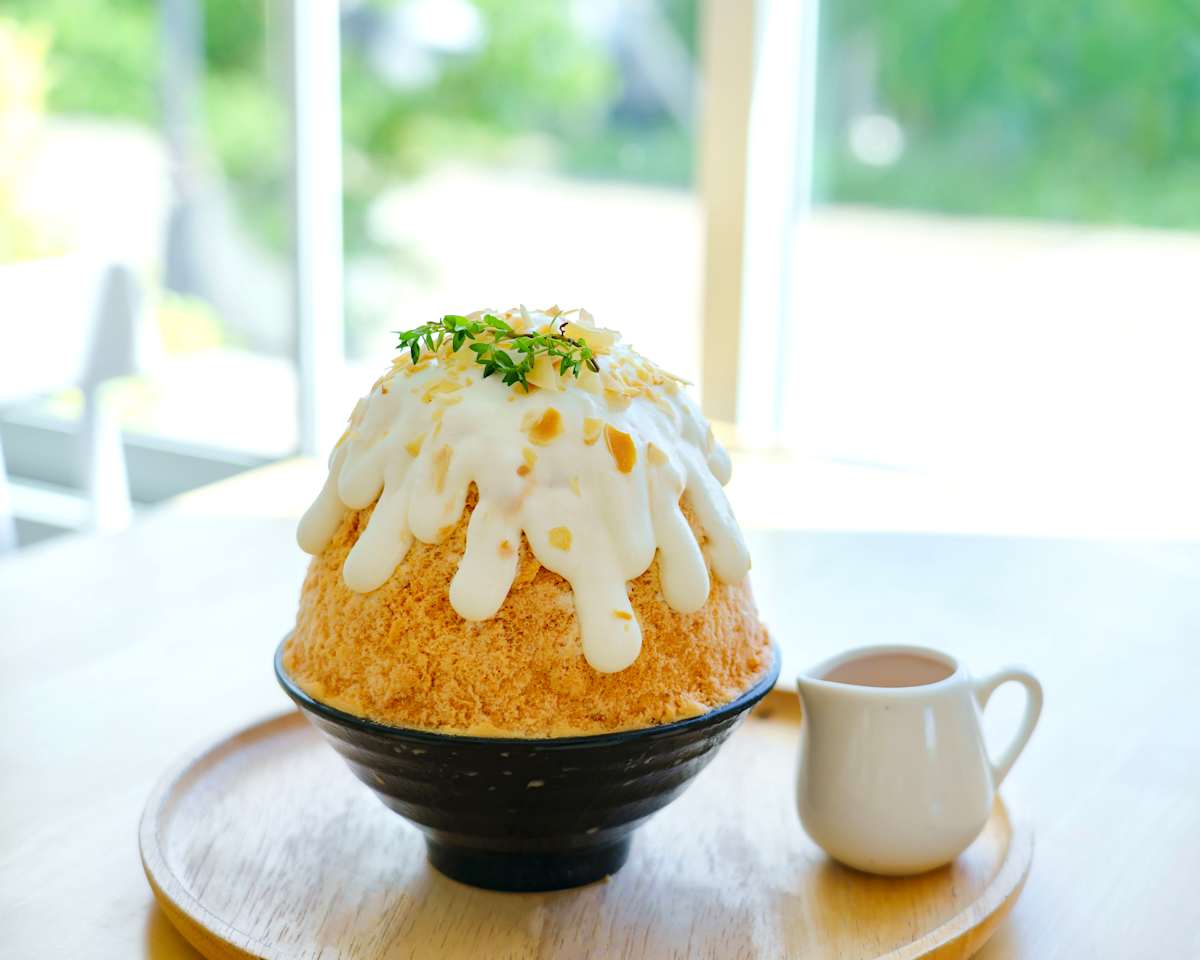
Kakigōri from Japan.
Picment/Adobe Stock
Kakigōri
Japan
A treat that dates back to the Heian period over 1,000 years ago, kakigōri was once reserved for the well-to-do, since it required sourcing natural ice blocks and keeping them frozen. Today, the finely shaved ice topped with flavored syrups, like matcha and melon, is big all over Japan.
Where to try it: Tokyo’s Azuki to Kouri takes kakigōri to the next level with its artful approach courtesy of pastry chef Miho Horio.
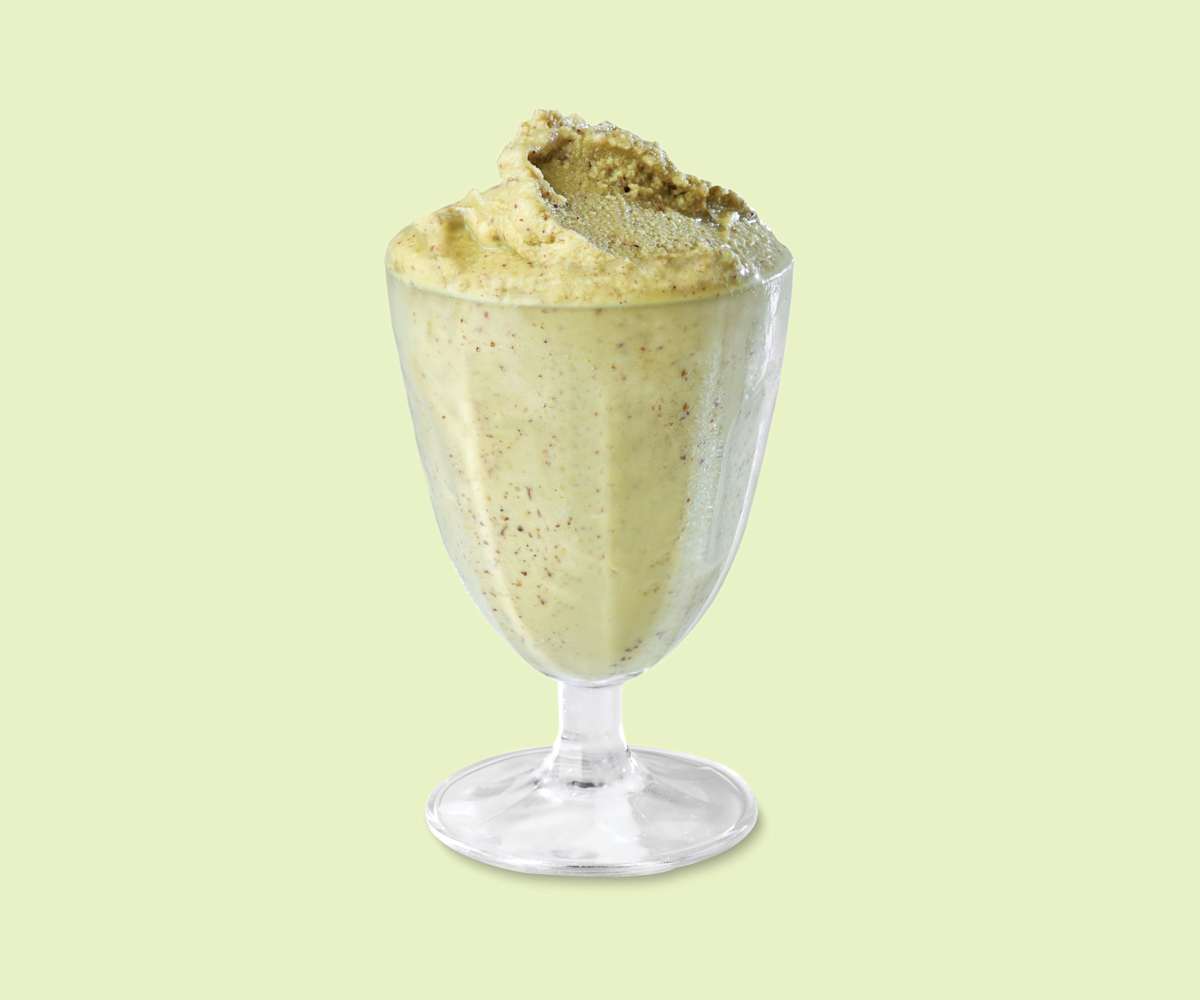
Granita Siciliana from Italy.
Italianfoodprod/Adobe Stock
Granita Siciliana
Italy
Like kakigōri, granita has been around for centuries: In the Middle Ages, men known as the nivaroli collected snow from Sicilian mountaintops, stored it underground, then brought it to the beaches in the summer, where it was grated and doused in lemon juice and sweet syrups.
Where to try it: Don Peppinu, with locations across Sicily, is known for its award-winning gelato and granita. Lemon is the traditional flavor, but almond is most popular. ✦