Paris, Rome and Barcelona are superstar cities, but they have the crowds to match. Here are five under-the-radar spots that offer a similar cultural experience, minus the jostling and long lines.
Escape the Crowds at These Alternative European Cities
By Lauren Ballem | March 21, 2025
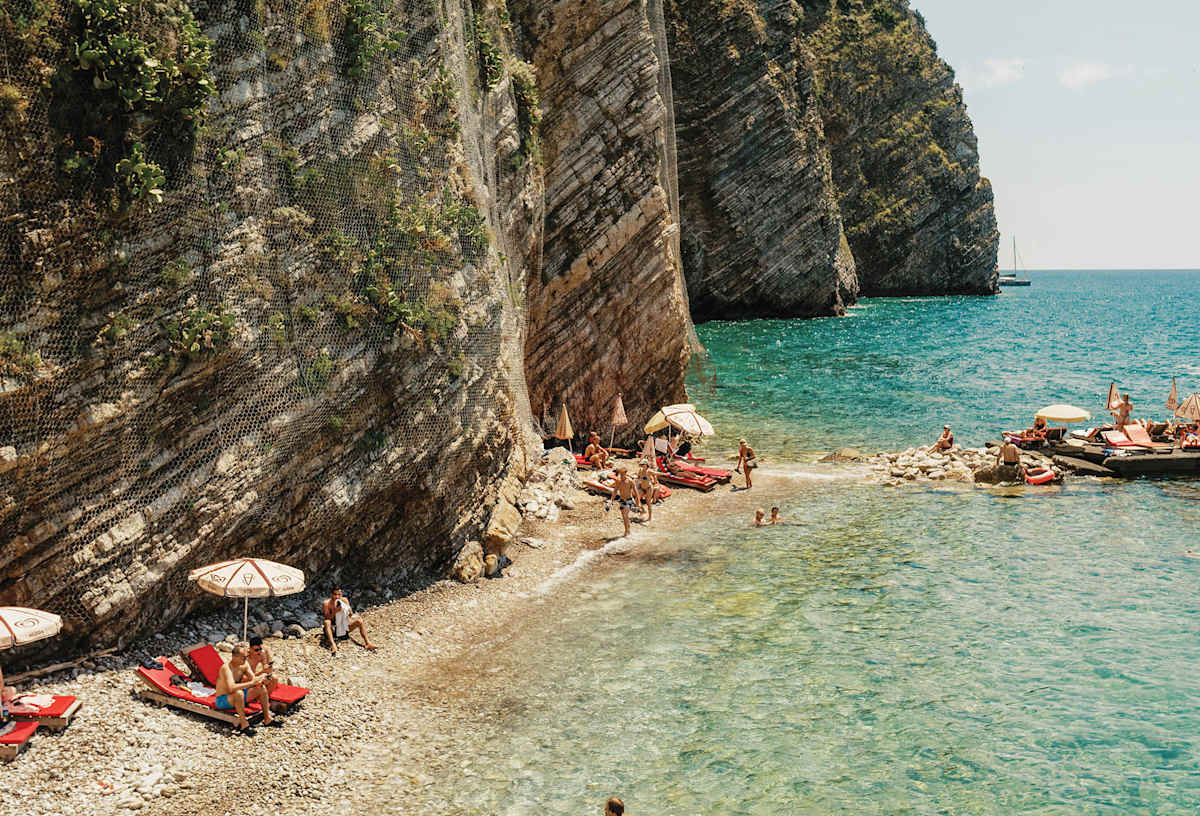
Sveti Nikola Beach, Budva, Montenegro.
Eirik Skarstein/Unsplash
As summertime approaches, Europe is once again at the top of travel wish lists. International tourist arrivals in 2024 rose seven percent over the previous year, and numbers continue to rise. Some European cities, meanwhile, are taking steps to ease the population pressure. Last year, Venice introduced a controversial entry fee for day trippers; Amsterdam put a limit on permits for souvenir shops to save space for bookstores and cafes and preserve local character; and some officials are strictly regulating short-term rentals. But fear not: Europe is chock-full of less-visited locales that serve up food, art and culture galore, not to mention extra room to move. It’s an if-you-know-you-know situation, and you’re about to: Here are five alternative European destinations to consider this summer.
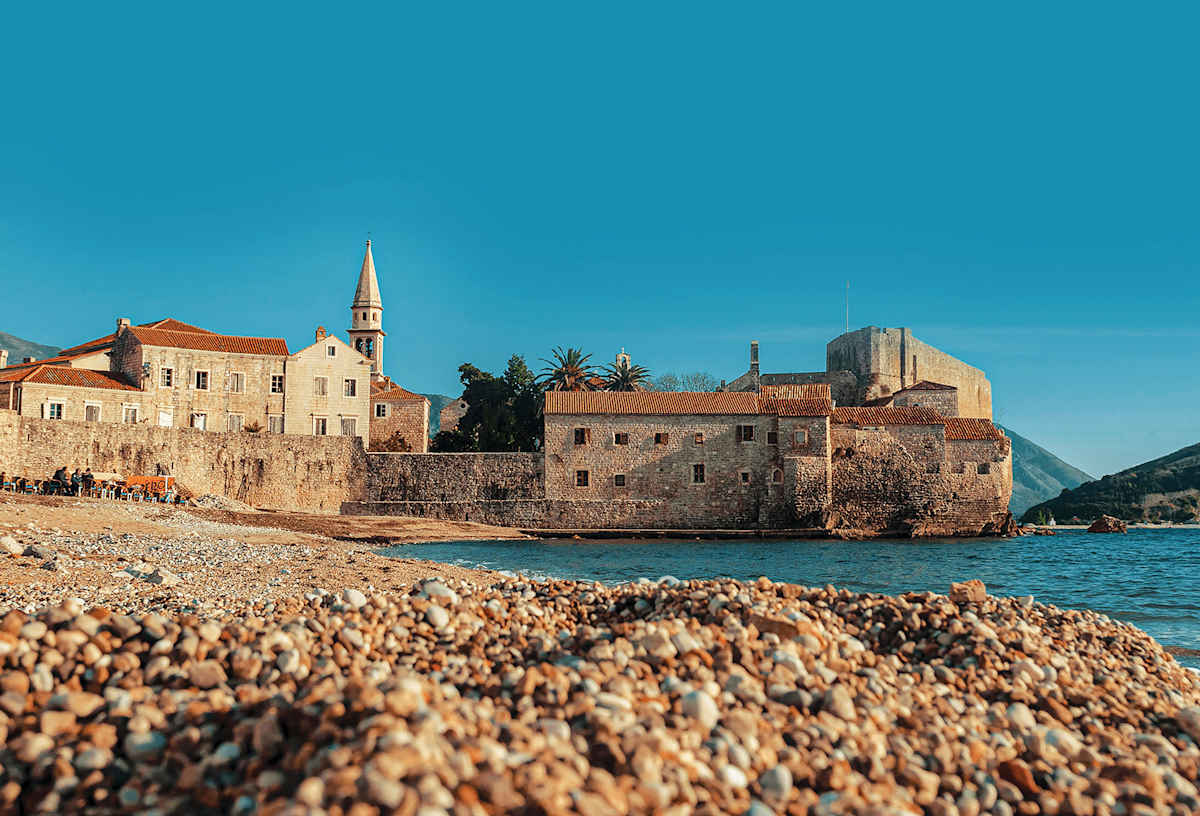
Old Town Budva.
Ender Vatan/Unsplash
Plan your dream trip.
Budva, Montenegro
INSTEAD OF DUBROVNIK Medieval neighborhoods, sandy beaches, a bumping nightlife and terra-cotta rooftops set against the turquoise Adriatic — this small coastal town has it all, minus the crush of tourists. “Budva is home to 35 beaches and a stunning walled city,” says Vancouver-based travel advisor McKenzie McMillan. “It easily matches the historic sites of Dubrovnik, but also rivals any Croatian destination for a contemporary experience, with beach parties, alternative pubs and classic nightclubs that attract some of the world’s best DJs.” Budva’s Old Town, Stari Grad, is enclosed by Venetian walls and the Citadela, where you’ll find sweeping views of the sea framed by mountains, along with a restaurant and library of mysterious artifacts.
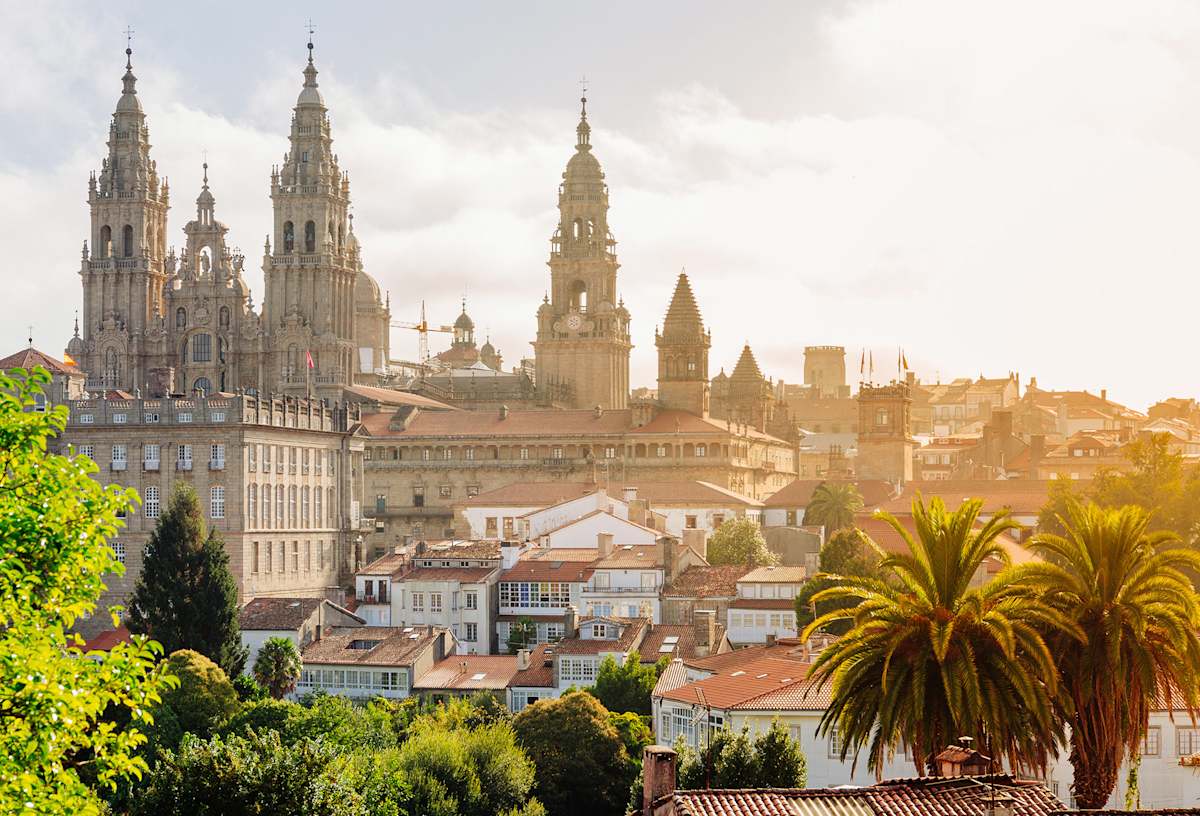
Santiago de Compostela, Spain.
Ronnybas/Adobe Stock
Santiago de Compostela
INSTEAD OF MADRID Northwest Spain is at the very top of Diana Hechler’s list. The travel advisor based in Larchmont, New York, suggests heading north from Madrid by car into the Galicia region toward its capital, Santiago de Compostela. The town dates back to the ninth century and is the culmination of the Camino de Santiago Catholic pilgrimage. “It takes a little effort to get there, but these places are definitely not on the typical tourist itinerary,” Hechler says. On your way there, make a stop in Astorga to gaze up at an episcopal palace designed by Gaudí. Hechler also touts the city’s surrounding regions: “There are terraced hillsides and beautiful canyons as you wend your way down the side of the mountain toward the river, passing vineyards and little bodegas where you can sip wine.”
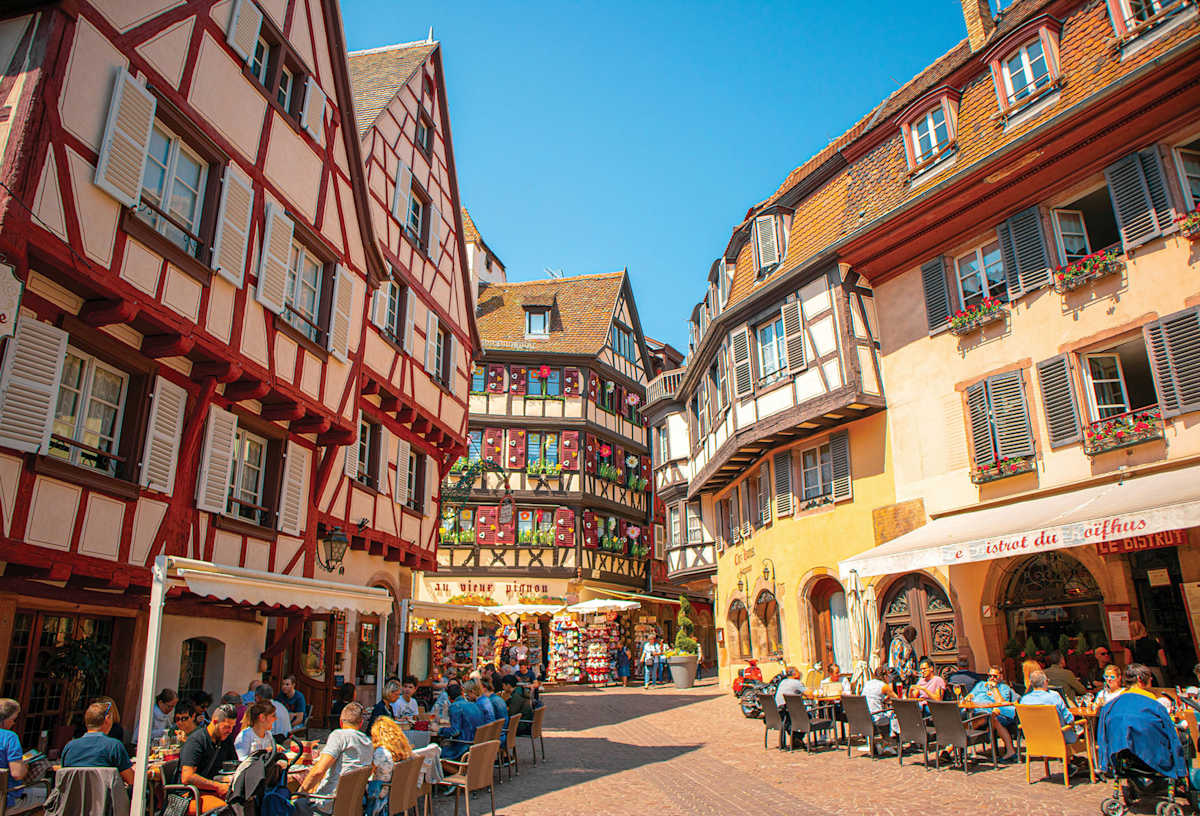
Strasbourg, France.
Chan Lee/Unsplash
Strasbourg, France
INSTEAD OF PARIS Paris may be a shimmering international city, but Michelin-starred restaurants, proximity to wineries along the Alsatian wine trail and a laid-back vibe make the capital of the Grand Est region a must-visit, says Hechler: “You’ve got half-timbered houses, French food and wine, beautiful country hotels and vineyards all around.” The gothic cathedral, completed in 1439, is the sixth-tallest church in the world — spectacular views are a given. Other treasures await inside, like an astronomical clock with a mechanical rooster and animatronic apostles. Colmar, a short train ride away, is an easy day trip with its placid canals, French-meets-German architecture dating to the 15th century and annual wine festival in late July.
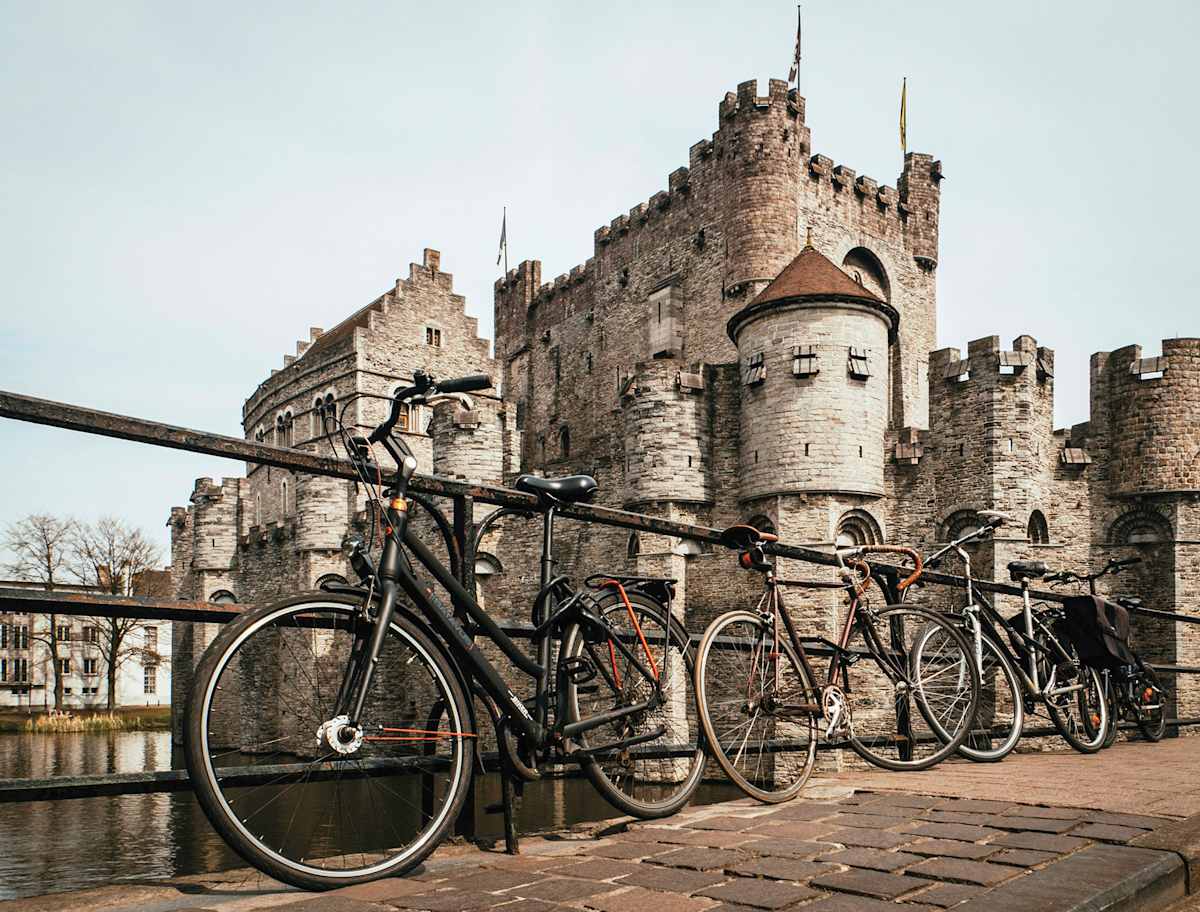
Ghent, Belgium.
Flo P/Unsplash
Ghent, Belgium
INSTEAD OF AMSTERDAM This city has plenty of peaceful canals, and a more easygoing pace for its many pedestrians and cyclists. “Amsterdam is a bustling city, while Ghent is more like a serene waterside town,” says Alli Allen, an Atlanta-based travel advisor. Like Amsterdam, Ghent has a vibrant art community, a youthful vibe (thanks to its university) and a food scene starring Belgian staples, abundant fine-dining options and renowned artisanal praline shops: “You’ll find waffles, chocolate and famous beers,” says Allen. While tulips and gabled houses scream Amsterdam, Ghent is known for its gardens and beautifully preserved medieval architecture, including the 12th-century Gravensteen Castle and the city’s 14th-century belfry.
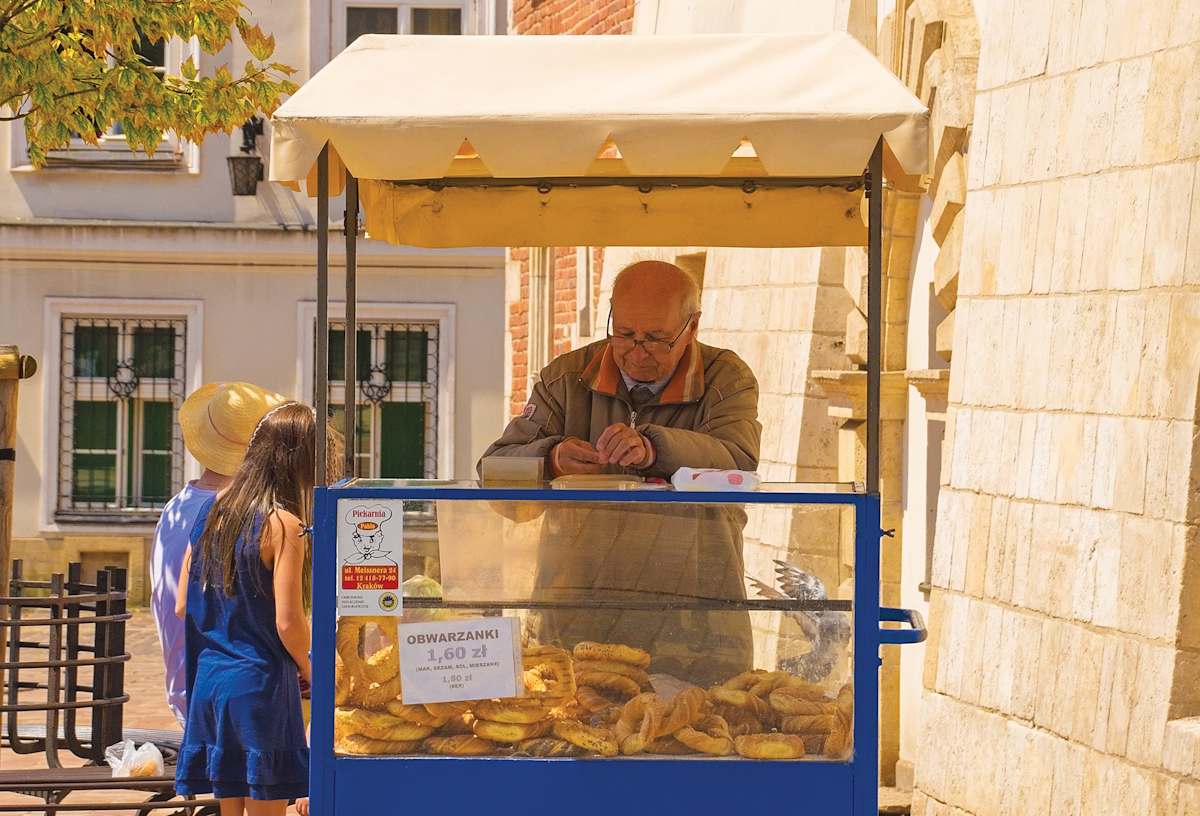
Obwarzanek Krakowski Vendor.
Dragoncello/Getty Images
Kraków, Poland
INSTEAD OF PRAGUE Rushing rivers, stunning architecture, a rich cultural scene — Kraków has all of Prague’s appeal with a more intimate ambience, says Allen. The Old Town is a designated UNESCO World Heritage Site, and its medieval market square, Rynek Główny, is the largest in Europe. “Compared to Prague, Kraków’s Old Town has a more relaxed feel. You can enjoy its quaint streets without feeling crowded,” Allen adds. Kraków also has many museums, castles and markets to discover. Pack your appetite and snag an obwarzanek krakowski from a street vendor — Poland’s version of a bagel is braided, boiled and sprinkled with salt or seeds — or snack on pączki (sugar-dusted Polish doughnuts) and, of course, pierogi-loaded plates. ✦