The culinary capital of Emilia-Romagna combines Romanesque grandeur with leafy parks, lively trattorias and epicures who treat every meal as an occasion.
How to Spend a Perfect Day in Parma
By Jessica Huras | January 11, 2026
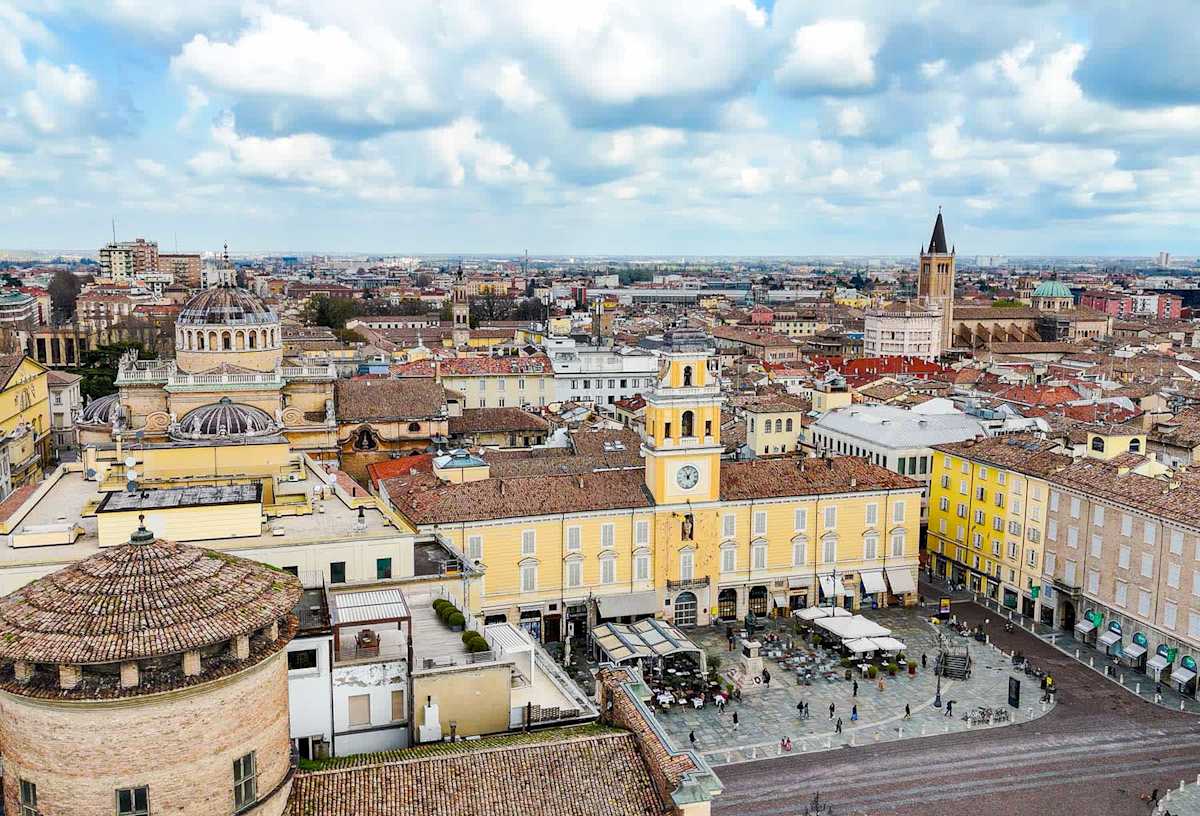
Piazza Garibaldi, the city’s main square, from above. Below it lies an ancient Roman forum.
Guven Ozdemir/Getty
Parma may be best known for cheese and ham, but its appeal runs far deeper than the deli counter. Situated in the heart of the Emilia-Romagna region, midway between Milan and Bologna, Parma is often overlooked in favor of its flashier neighbors — and that’s exactly its advantage. Life moves at an unhurried pace down wide, walkable streets, past landmarks that are rarely crowded. Here, food sets the daily rhythm — one measured in courses, not hours. Eating is approached with the same reverence as music or art: every bite rooted in history, every sip a reflection of the surrounding countryside. And, like a good meal, Parma is a city that invites you to linger, to slow down and savor each moment and every mouthful.
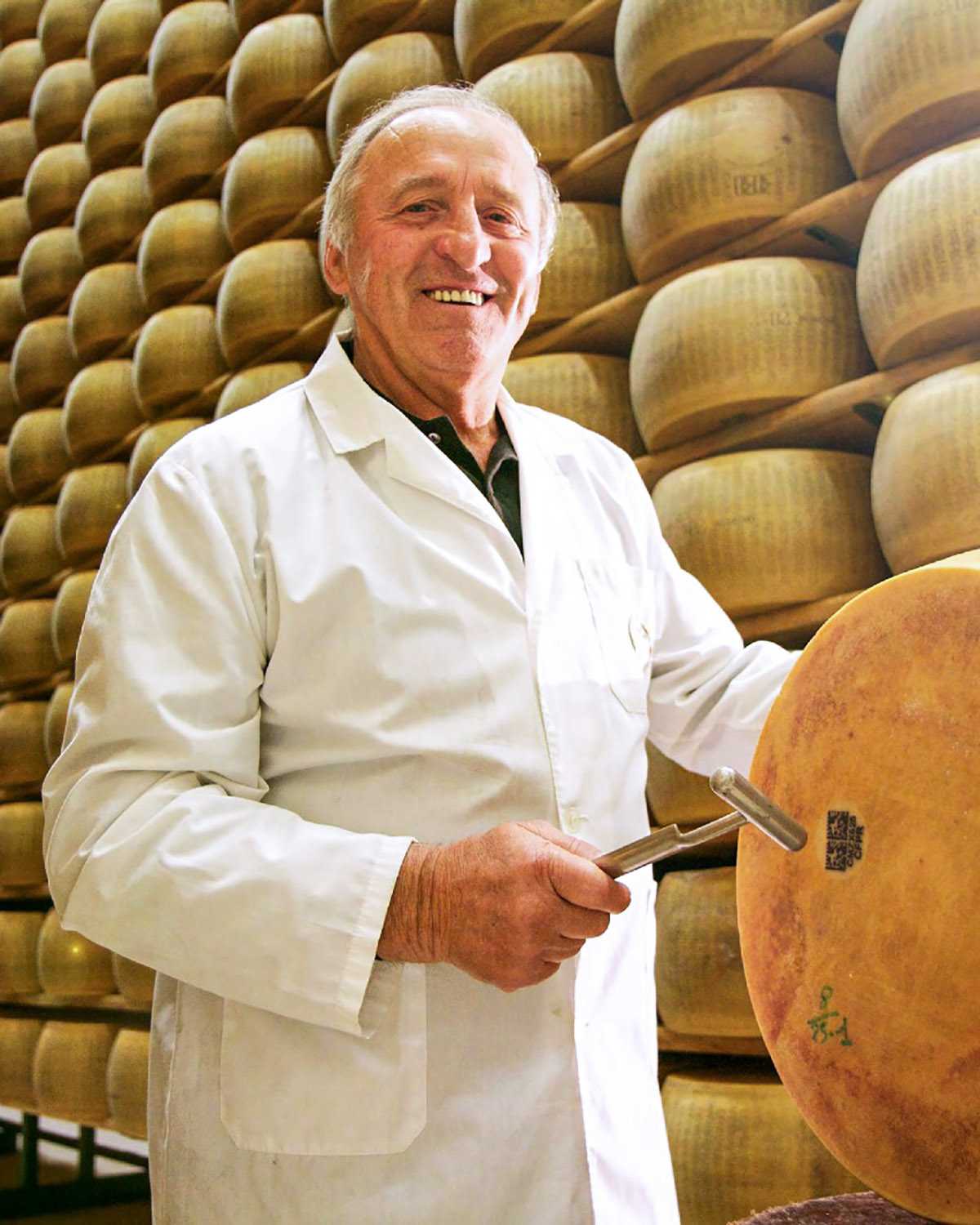
In the aging warehouse at Azienda Agricola Bertinelli, owner Gianni Bertinelli taps into a centuries-old cheesemaking tradition.
Azienda Agricola Bertinelli
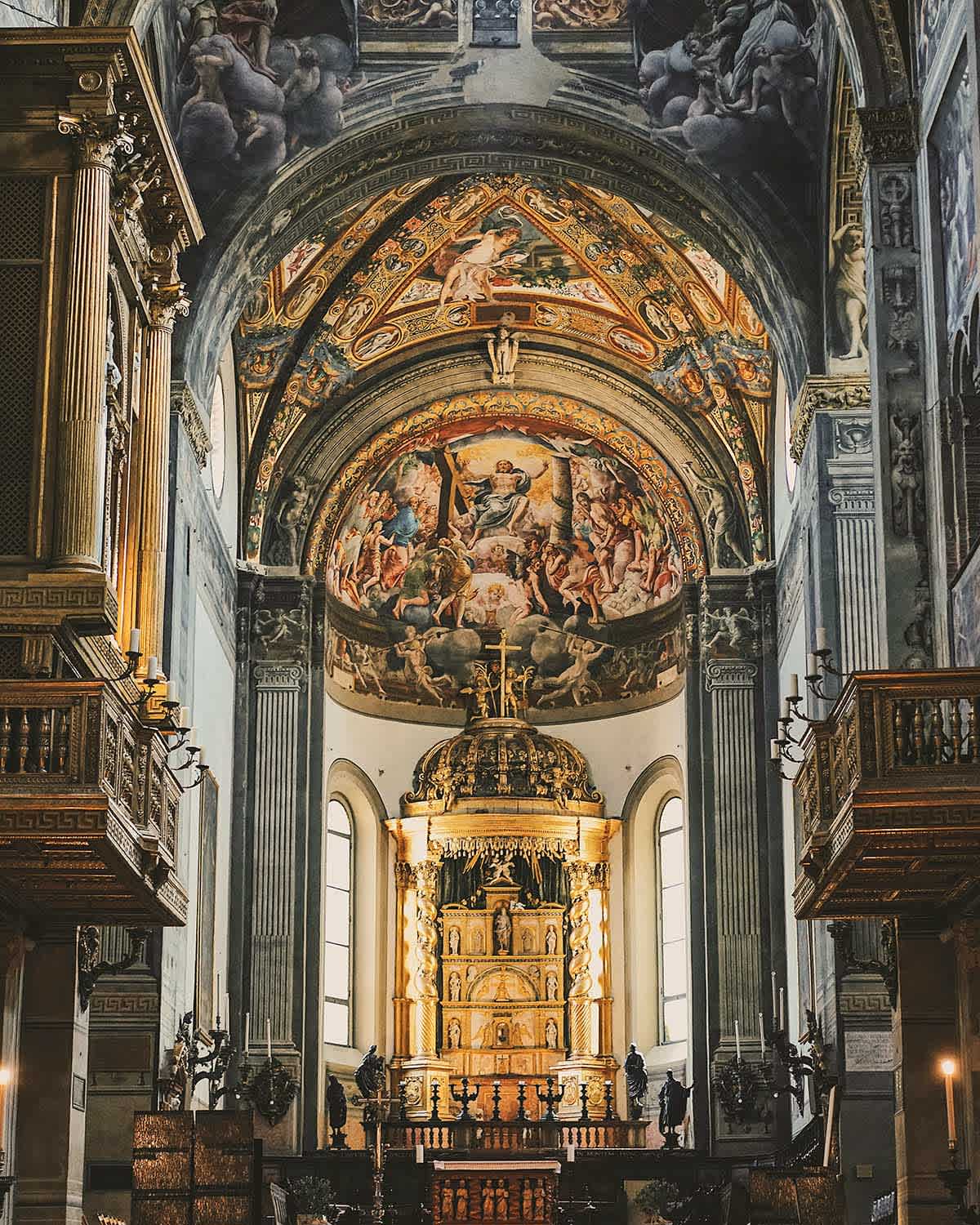
From the nave, the frescoed ceiling of Cattedrale di Parma seems to open into a sky of angels and clouds.
Wen Chen/Unsplash
Morning
It’s barely 8 a.m. when I arrive at Azienda Agricola Bertinelli, a family-run dairy farm and Parmigiano Reggiano producer located a short drive from Parma’s city center. The day is only beginning, but inside the caseificio (cheese factory) the air is already thick with the sweet scent of milk. Ilaria Bertinelli, whose family has run the dairy farm since 1895, hands me a blue cap, smock and shoe covers before leading me onto the production floor. Steam rises from copper vats the size of hot tubs as cheesemakers plunge paddles into bubbling milk, coaxing the curds to take shape. The company grows its own feed, raises its own cattle and produces every wheel of its Parmigiano Reggiano on site, then serves it in the adjoining restaurant, Hosteria. Only a handful of dairies still run on this “farm-to-fork” model, as Bertinelli calls it. “We believe that Parmigiano Reggiano is a lifestyle — not just a product,” she says. In the aging room, thousands of wheels are stacked floor to ceiling, each stamped with a dairy code and date. This isn’t your grocery-store Parmesan. Like Champagne in France, true Parmigiano Reggiano can only come from a designated region in northern Italy, encompassing Parma and surrounding areas. At the restaurant, I taste the results — nutty 12-month, creamy 24-month and crystalline 36-month wedges — paired with a glass of Lambrusco, a light, sparkling red wine (another regional specialty). It’s only 9:30 a.m. and I’m starting to share Bertinelli’s conviction that Parmigiano Reggiano is a way of life. Belly full, I make the 20-minute drive to downtown Parma. In Piazza Garibaldi, the city’s animated main square, locals idle over cappuccinos and cornetti at shaded café tables while scooters buzz past the ochre-hued Palazzo del Governatore, its clock tower chiming on the hour. I walk a few blocks north to the Cattedrale di Parma, its sculpted Romanesque facade rising with solemn grandeur. Inside, Antonio da Correggio’s 16th-century fresco of the Assumption of the Virgin fills the cathedral’s soaring dome, draw ing clusters of tourists who look skyward. Next door, the 13th-century Baptistery — an octagonal masterpiece of pink Verona marble and intricately sculpted portals — remains a centerpiece of the city’s skyline and a touchstone of its long artistic legacy.
Start Planning Your Trip
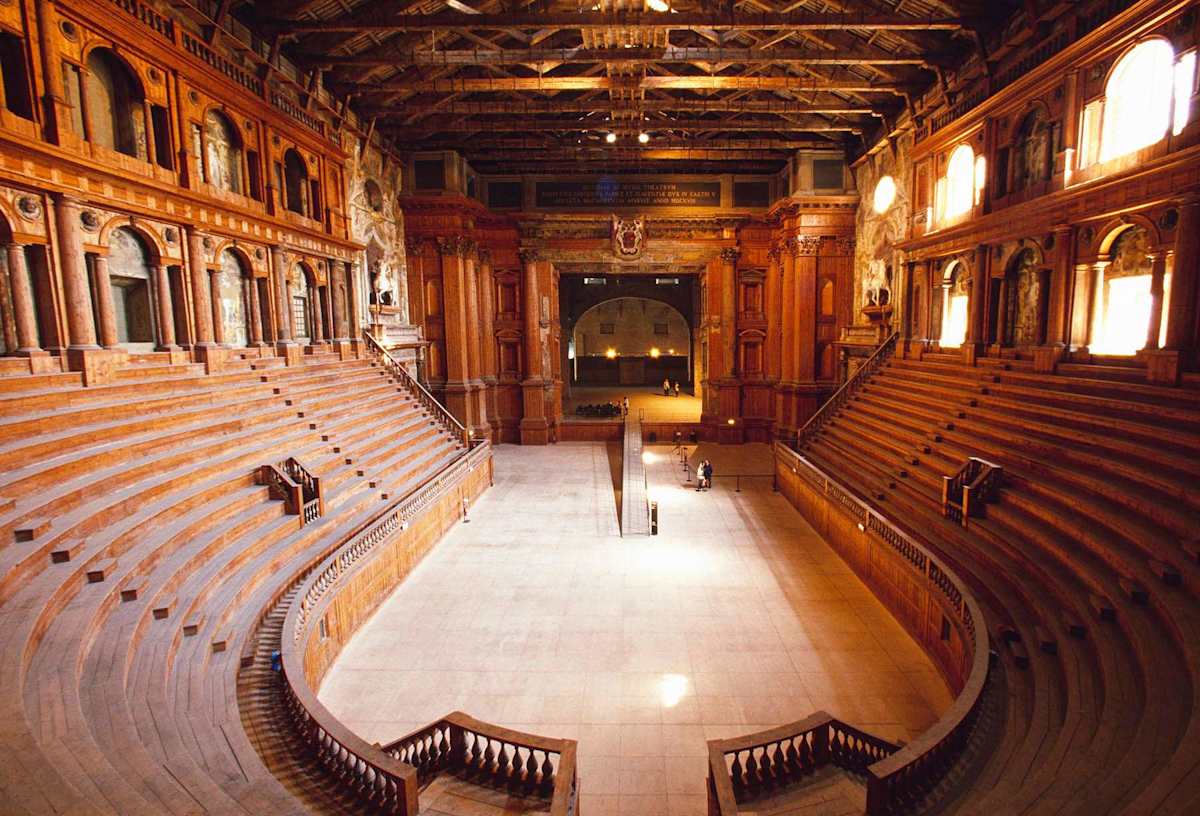
Teatro Farnese once hosted plays, pageants and even mock naval battles on a flooded stage.
Atlantide Phototravel/Getty Images
By lunchtime, the fullness from my atypical breakfast of cheese and wine is starting to fade, so I head to Pepèn, a no-frills sandwich shop tucked just off Strada della Repubblica. Inside the wood-paneled space, customers crowd shoulder to shoulder, waiting for their turn to place an order at the glass counter. I go for the hearty house specialty, the Spaccaballe: savory roast pork layered with mayonnaise, ketchup, lettuce and tomato on a crusty roll. For the adventurous, Pepèn also serves the panino pesto di cavallo crudo, a local favorite made with raw horsemeat and grilled zucchini. I take my sandwich outside to the cluster of bistro tables lining the sidewalk. Fortified, I head to the 16th-century Palazzo della Pilotta, a sprawling former palace that now holds four of Parma’s most important museums and cultural institutions. Inside, I make my way through the Teatro Farnese, a remarkable baroque theater completed in 1618 for royal ceremonies and lavish court performances. Crafted almost entirely from wood and stucco to resemble marble, it was nearly destroyed during World War II. What stands today is a meticulous reconstruction, faithful to the original design — an amphitheater of pale timber arches and tiers that feels at once monumental and fragile. A visitor beside me raises her phone, panning to capture the improbable sweep of the place. Admirable, though I doubt any photo or video could do it justice. I continue into the Galleria Nazionale, housed within the same complex, for a definitive look at Italian art from the Middle Ages through the 18th century. Highlights include works by the influential, mononymous 16th-century painter Parmigianino, as well as La Scapigliata, a haunting, unfinished portrait attributed to Leonardo da Vinci. Craving something sweet, I head to Gioelia Cremeria for a midafternoon gelato. Now an international chain with outposts in six countries, the original shop opened in Bologna, just an hour’s drive from here. With a scoop of pistachio in hand, I stroll over to Parco Ducale, Parma’s elegant public park. Once the private retreat of the city’s dukes, today it’s a laid-back expanse of fountains, gravel paths and chestnut trees where university students stretch out on the grass and couples walk hand in hand.
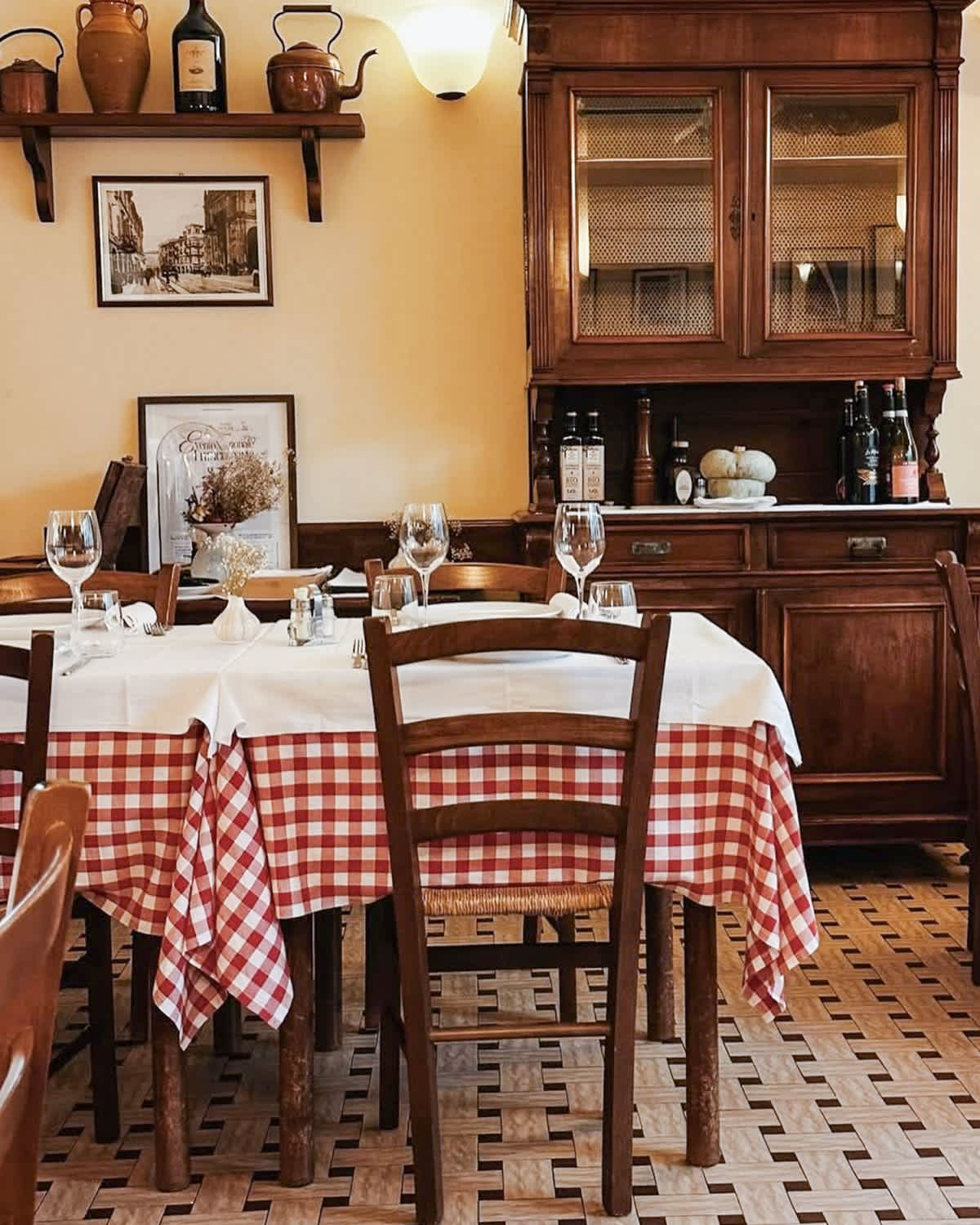
The checkered tablecloths at Trattoria Ai Due Platani.
Ai Due Platani
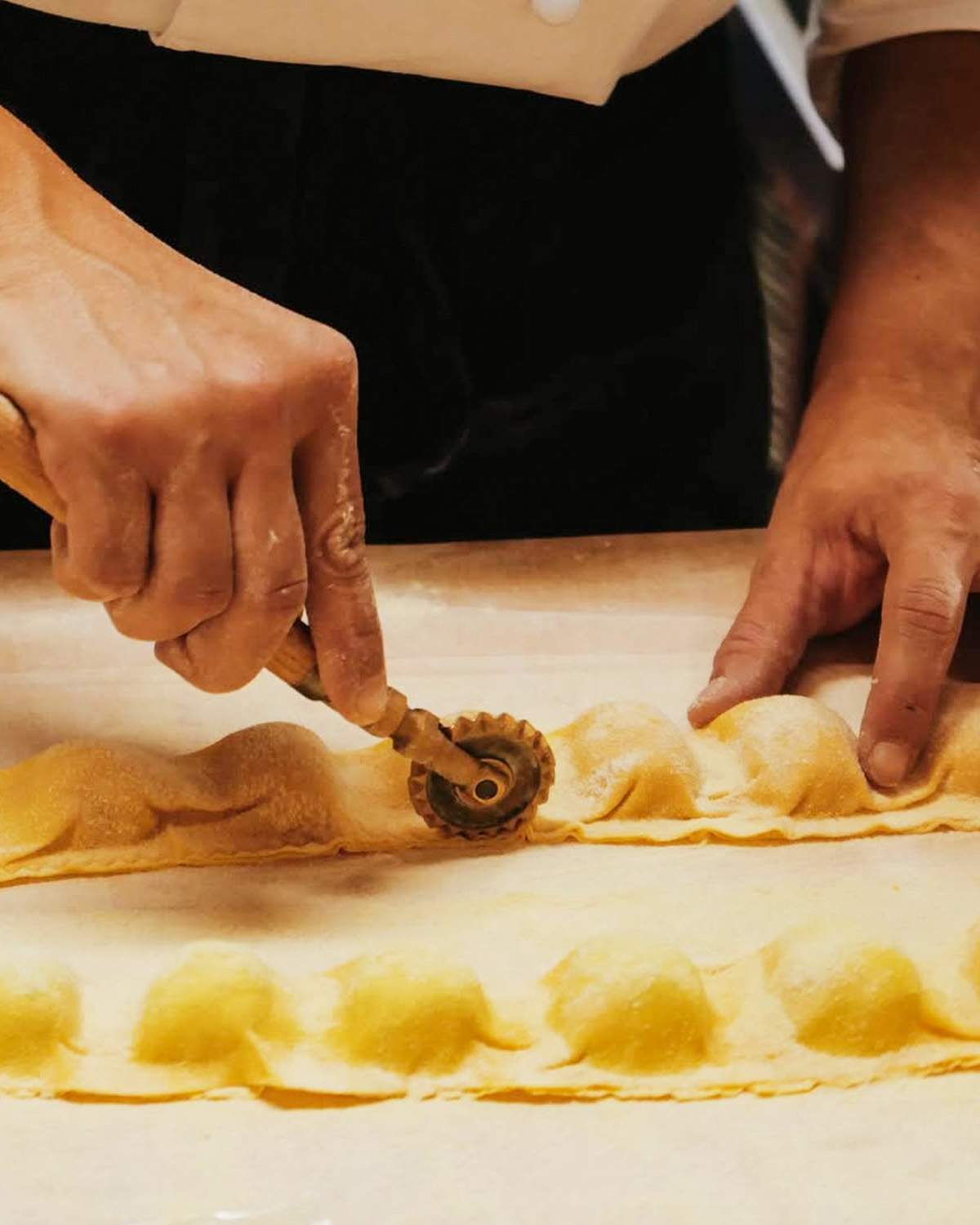
Handmade tortelli are served plump with seasonal fillings.
Ai Due Platani
Evening
Pre-dinner stroll complete, I make the short drive to Ai Due Platani, a beloved trattoria in the hamlet of Coloreto. The dining room is classic countryside: checkered tablecloths, shelves lined with cookbooks and wine, and trays of fresh pasta paraded from the kitchen with casual confidence. I start with torta fritta — salty, crispy dough squares begging to be draped with delicate ribbons of local ham, which arrive on another plate — then move on to a Parma classic: tortelli di erbetta stuffed with ricotta and greens, then finished with butter and a dusting of Parmigiano. Back in downtown Parma, I end the night at Vineria Giramondo, a cozy wine bar pouring organic and natural wines that offer a taste of Emilia-Romagna’s terroir. At night, it’s dim and welcoming, with bottles stacked on shelves that climb up to the ceiling. I sip a final glass of Lambrusco and snack on more Parmigiano — because in Parma, days begin and end with cheese.
Where to Stay: Set just outside Parma’s historic center, Grand Hotel de la Ville offers a modern base with easy access to the city’s cultural and culinary highlights. Rooms are sleek and understated, with warm wood finishes and plenty of natural light. There’s an on-site restaurant and bar, but the real draw is the location: peaceful and well-positioned for exploring both the city and its surrounding food region. ✦
Explore More
A Local’s Guide to Visiting the Pompeii Ruins: From ancient temples to spectacular hikes, Pompeii offers a journey through time like no other. Here’s how to make the most of your visit. The Most Beautiful Lakes in Europe: From a Scottish loch surrounded by verdant hills to an Alpine oasis in Germany, these five freshwater shores are worth planning a trip around. This Mediterranean Island is Ideal for a Multigenerational Family Vacation: Between its unspoiled nature reserves and sun-dappled coastlines, Sicily proved the perfect escape for photographer Chiara Zonca, her husband, parents and mother-in-law. Follow Range on Instagram, Facebook and Pinterest. Sign up for the Range newsletter to receive expert advice, award-winning stories and the latest travel trends in your inbox.