Get the most out of your Mexico City escape with sunny skies, vibrant festivals and unique culinary experiences.
Get the most out of your Mexico City escape with sunny skies, vibrant festivals and unique culinary experiences.
By Simone Olivero | June 29, 2026
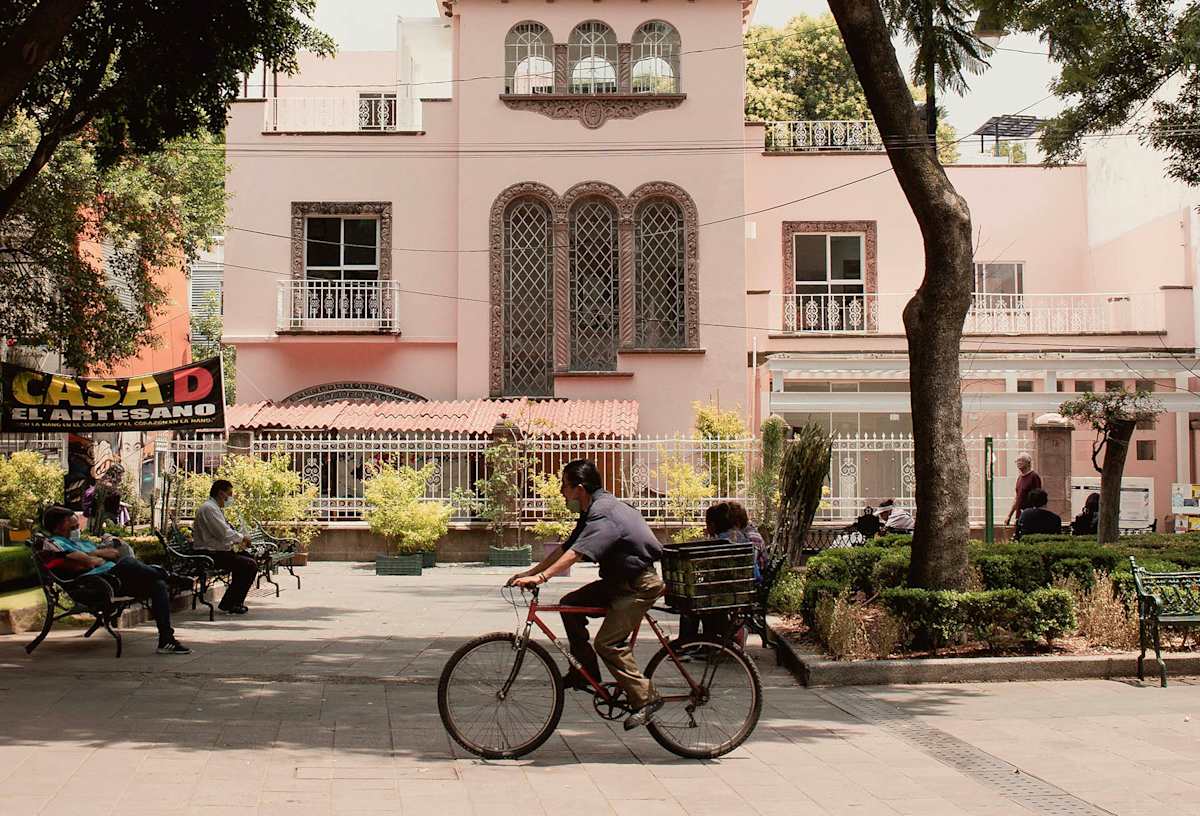
There’s a lot to love about Mexico City. What it may lack in beaches, it more than makes up for with its cool urban culture. Foodies will love pulling up to one of the Michelin-starred restaurants or hitting the streets for a decadent array of homemade quesadillas, tacos and tamales. If you love architecture, the city’s history puts Aztec relics from the city’s time as the capital of Tenochtitlán side-by-side with Spanish colonial mansions and abstract contemporary structures. But it’s the historic neighborhoods and sprawling green spaces that capture the hearts of locals and visitors alike. Comfortably perched 7,350 feet above sea level, the city has a lovely subtropical climate that makes visiting any time of year a great idea. Read on to learn when a visit makes the most sense for you.
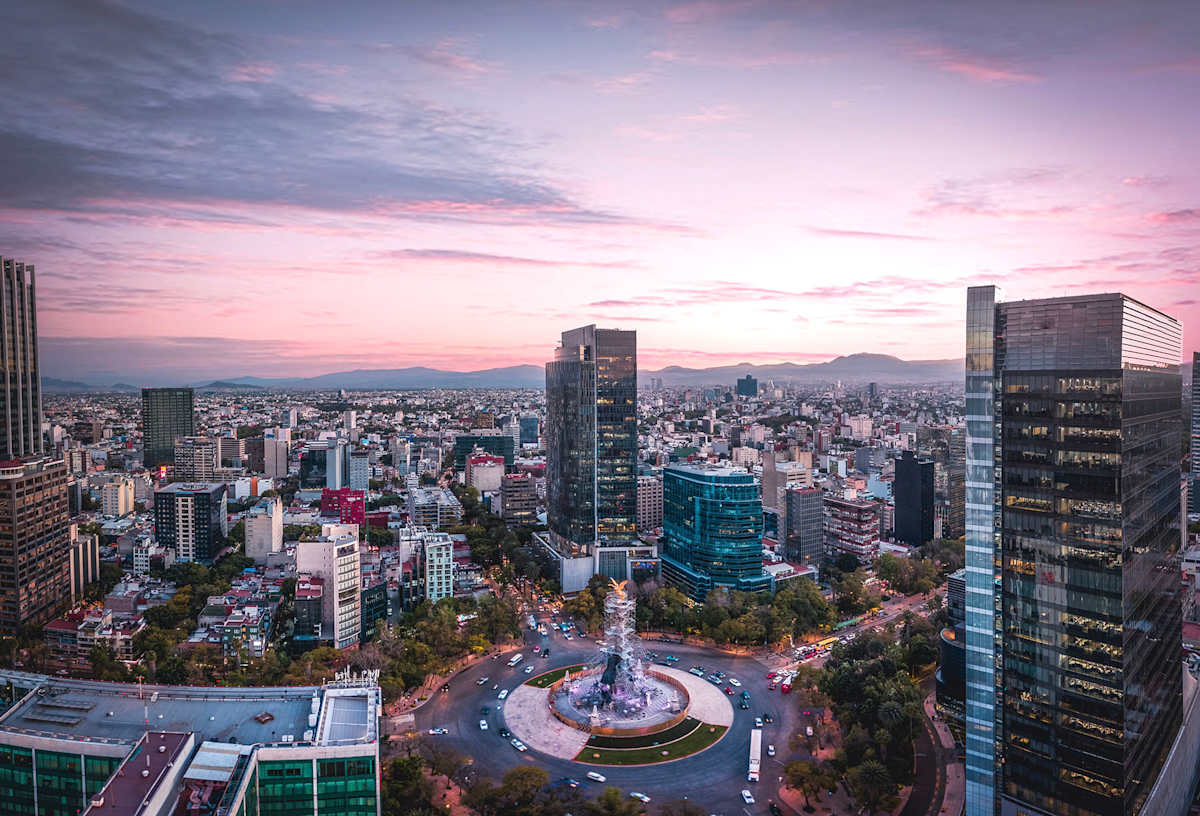
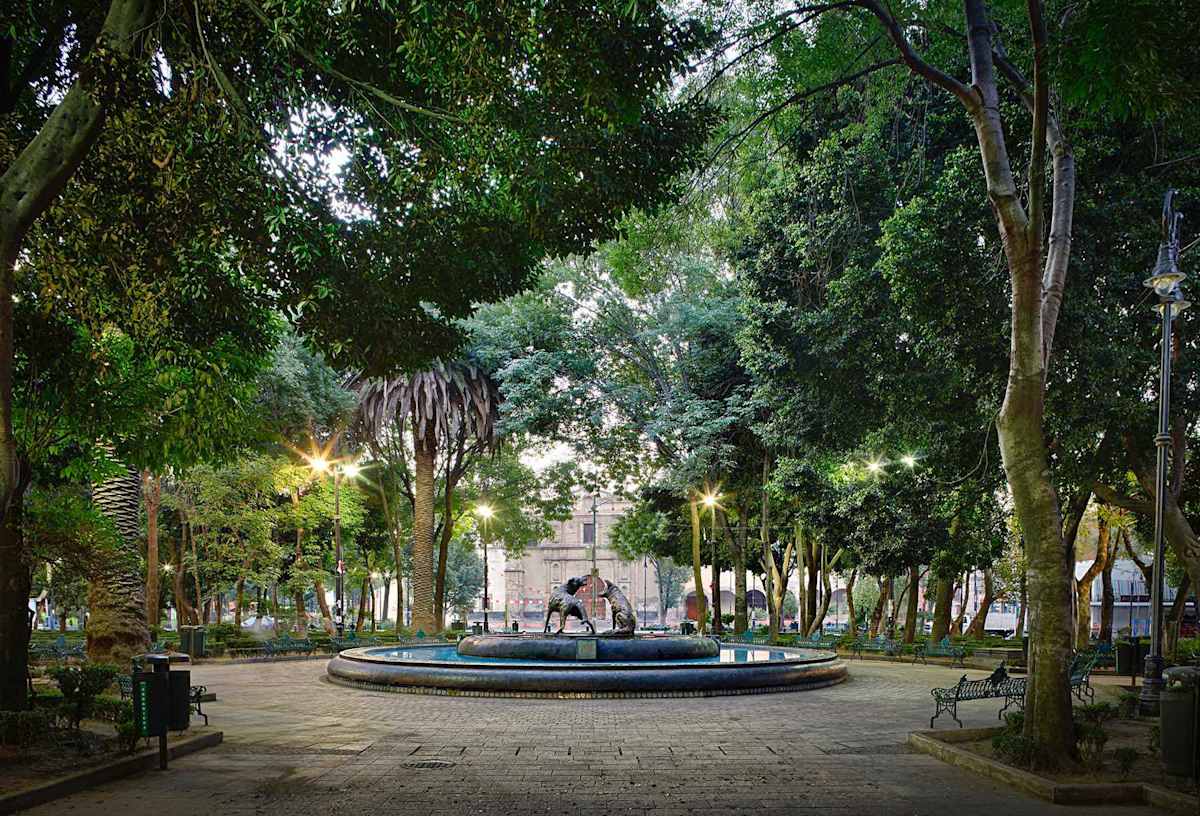
There’s a reason dry season is one of the best — and busiest — times to visit Mexico City. Bright blue skies and jacaranda trees dripping with purple blooms make this the season to see the city at its most magnificent. From December to April, average daily highs hover around 72°F (22°C), with only about 2.7 inches (70 mm) of rain falling over 25 days, allowing for unrushed breaks on café patios, outdoor meals at street stalls and lots of lingering in the many parks and gardens. Just keep in mind that with high season comes higher prices for flights and accommodations. The dry season is also a great time to check out nearby Aztec sites like the canals of Xochimilco, a UNESCO World Heritage borough where you can book a ride on a colorful gondola-like trajinera (boat) and experience a floating party alongside mariachi bands and food vendors selling esquites (Mexican street corn) and micheladas (beer mixed with lime, salt and seasonings). A day trip to the nearby pyramids of Teotihuacán, an ancient Mesoamerican city dating back to 100 BCE, reveals the Pyramid of the Sun, one of the tallest pyramids in the world, the Pyramid of the Moon and the Temple of Quetzalcoatl. If a stroll is more your speed, Bosque de Chapultepec, a 1,700-acre green space rivaling New York City’s Central Park, is located in the west end of the city, with lush botanical gardens, walking trails, a lake where you can rent boats and a zoo with pandas, giraffes and more.
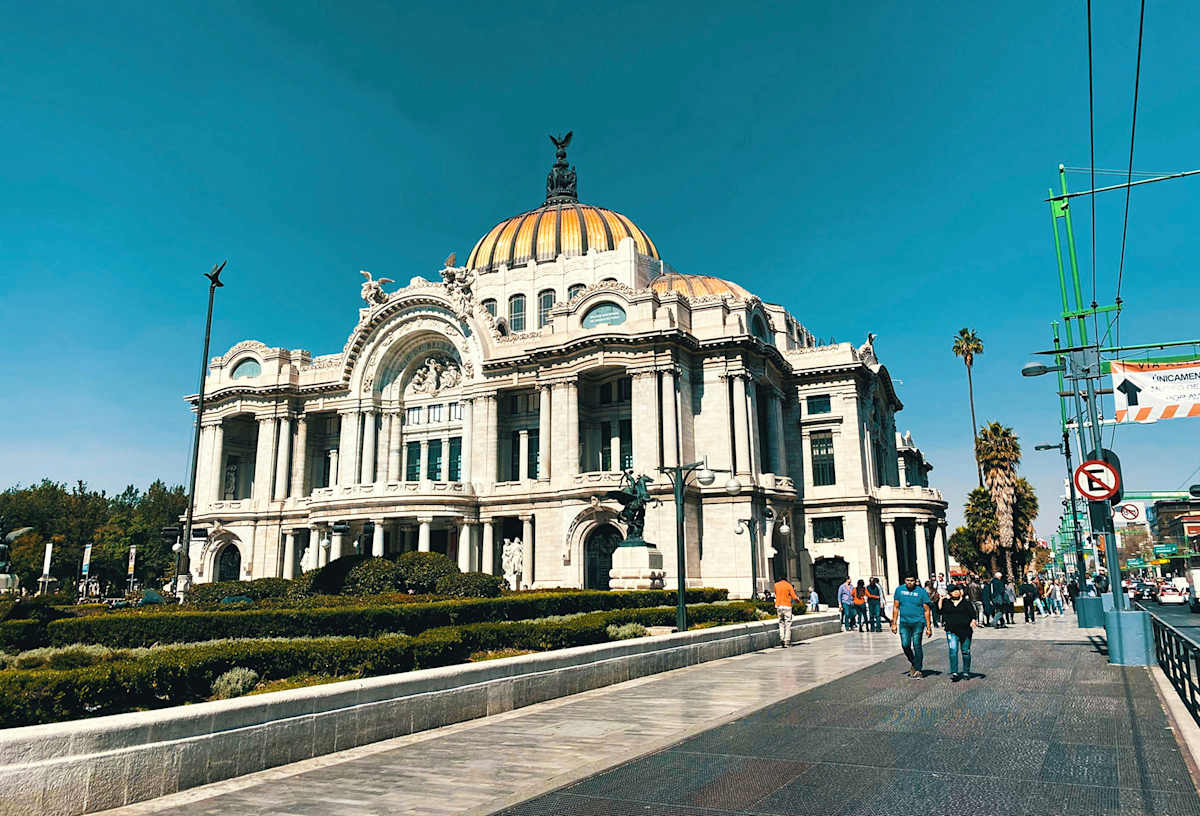
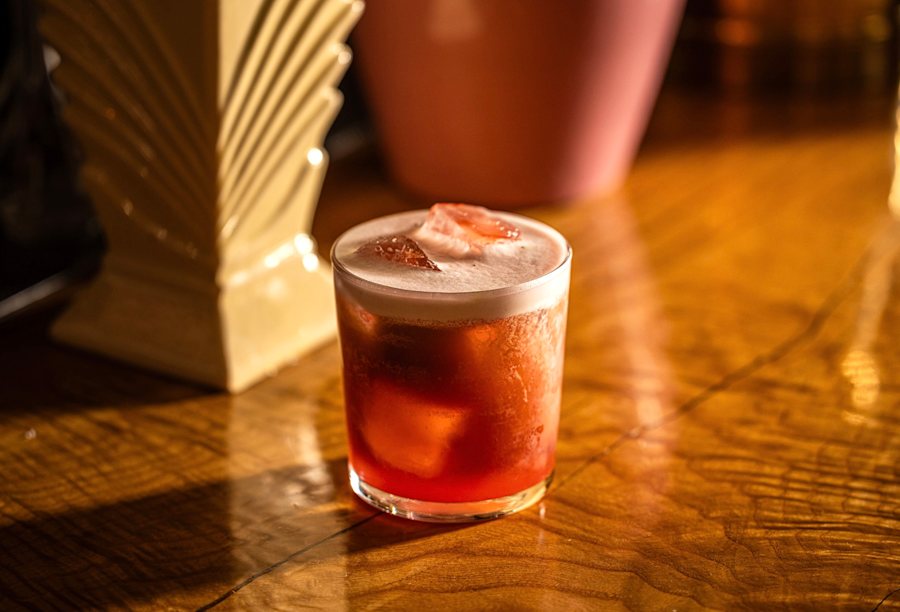
If crowds aren’t your thing, avoid traveling to Mexico City during the high season (December to April), or when there’s a major festival like Semana Santa (Easter) or Día de los Muertos (early November). Between May and September is Mexico City’s wetter season, but most days that only amounts to a short, heavy pour in the late afternoon or evening — the perfect excuse to dip into a mezcaleria for a leisurely tasting of the distilled agave beverage. During this time, you will also enjoy cheaper flights, easier bookings at the top restaurants and more availability at some of the more exclusive boutique hotels.
Plan your culinary adventure.
Our Ensemble travel advisors will design a one-of-a-kind vacation - just for you.
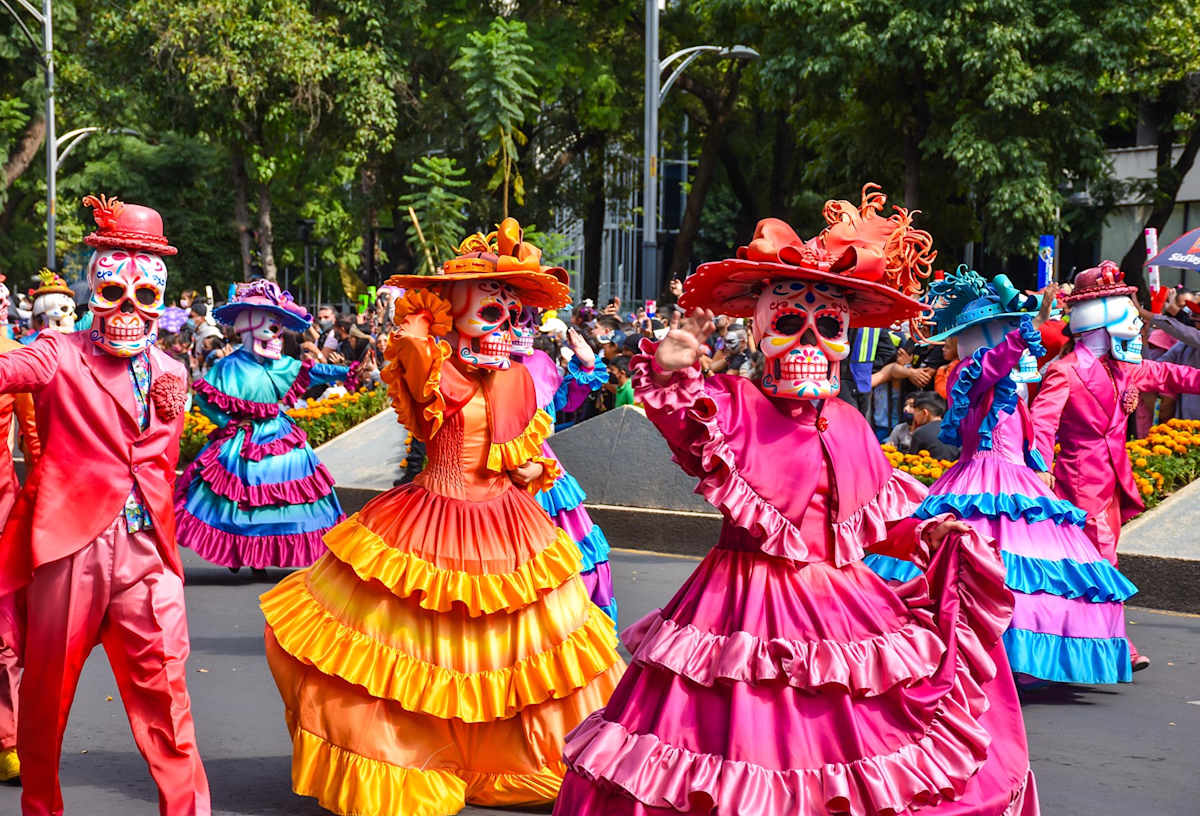
One of the biggest annual celebrations in Mexico is Día de los Muertos (Day of the Dead) and the city puts on one of the best shows around. Inscribed on the UNESCO Intangible Cultural Heritage list, the celebration takes place on either November 1 or 2 each year. The tradition has both Catholic and Mesoamerican roots — a time to joyously welcome back the spirits of loved ones with colorfully decorated ofrendas (altars) featuring photos, candles and food beloved by the deceased, strands of marigolds and pan de muerto (a sweet bread with bone shapes). Perhaps the holiday’s most recognizable symbol is La Catrina, the elegant female skeleton conceptualized by lithographer José Guadalupe Posada in the early 1900s. For a week, the city becomes a fiesta (party), with a Grand Parade featuring handmade floats and costumed dancers, a massive altar in the Zócalo plaza, performances in Xochimilco and beautiful displays in the doorways of most storefronts and restaurants.
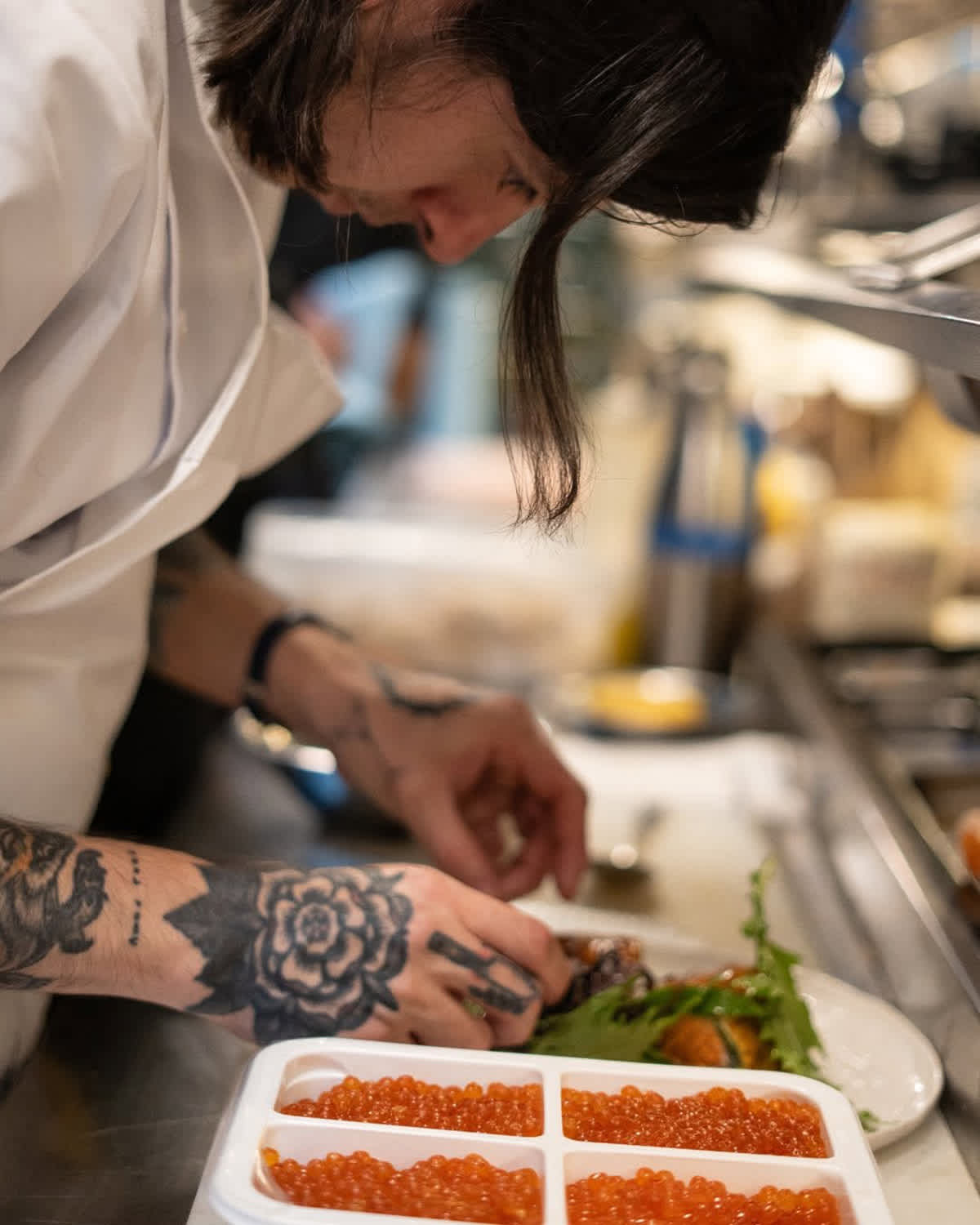
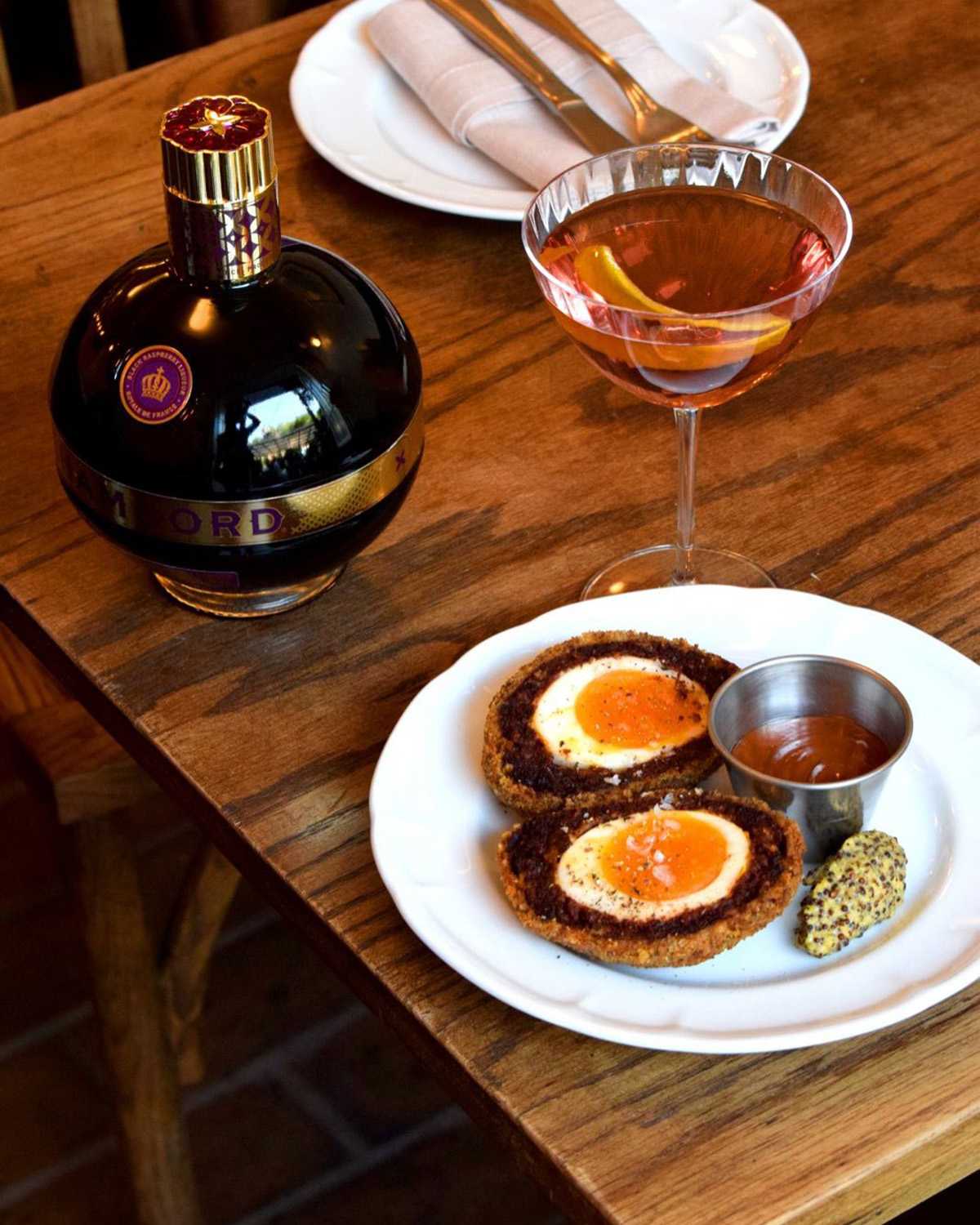
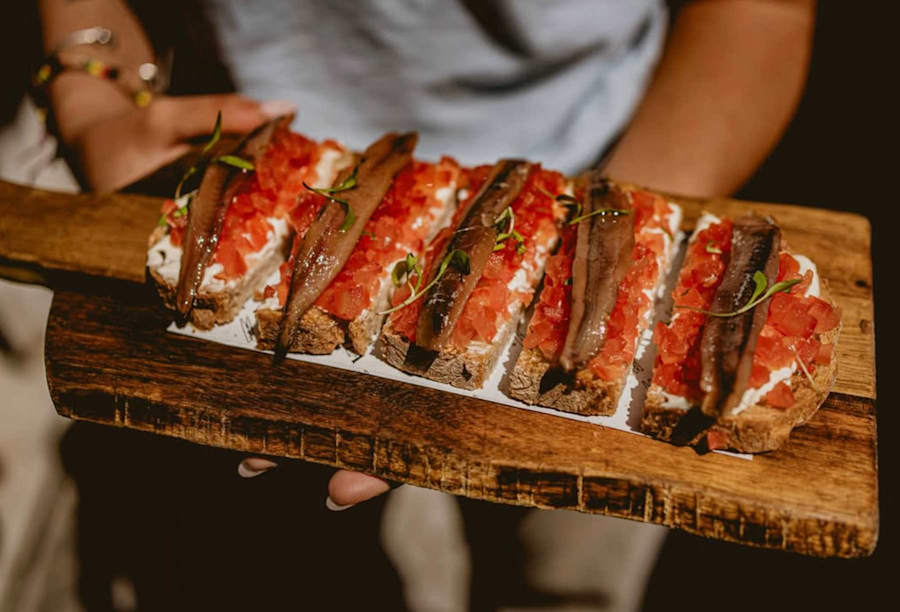
If your tastebuds are setting the agenda, plan your trip in late November during A Qué Me Sabes. The 10-day festival launched in 2020 to help support the local restaurant industry during the pandemic and has continued each year since to celebrate the city’s exceptional culinary scene. Roughly translated in English to “what it tastes like,” the event features exclusive menus at some of the city’s top restaurants and bars, along with culinary-themed activations such as chef takeovers, flavor tours and masterclass cooking demonstrations. ✦