Colombia’s remarkable biodiversity has made conditions ripe for native fruits, leading to a new language of taste and technique for the country’s top chefs.
How Colombia’s Native Fruits Are Inspiring a New Era of Cuisine
By Simon Bajada | July 8, 2026
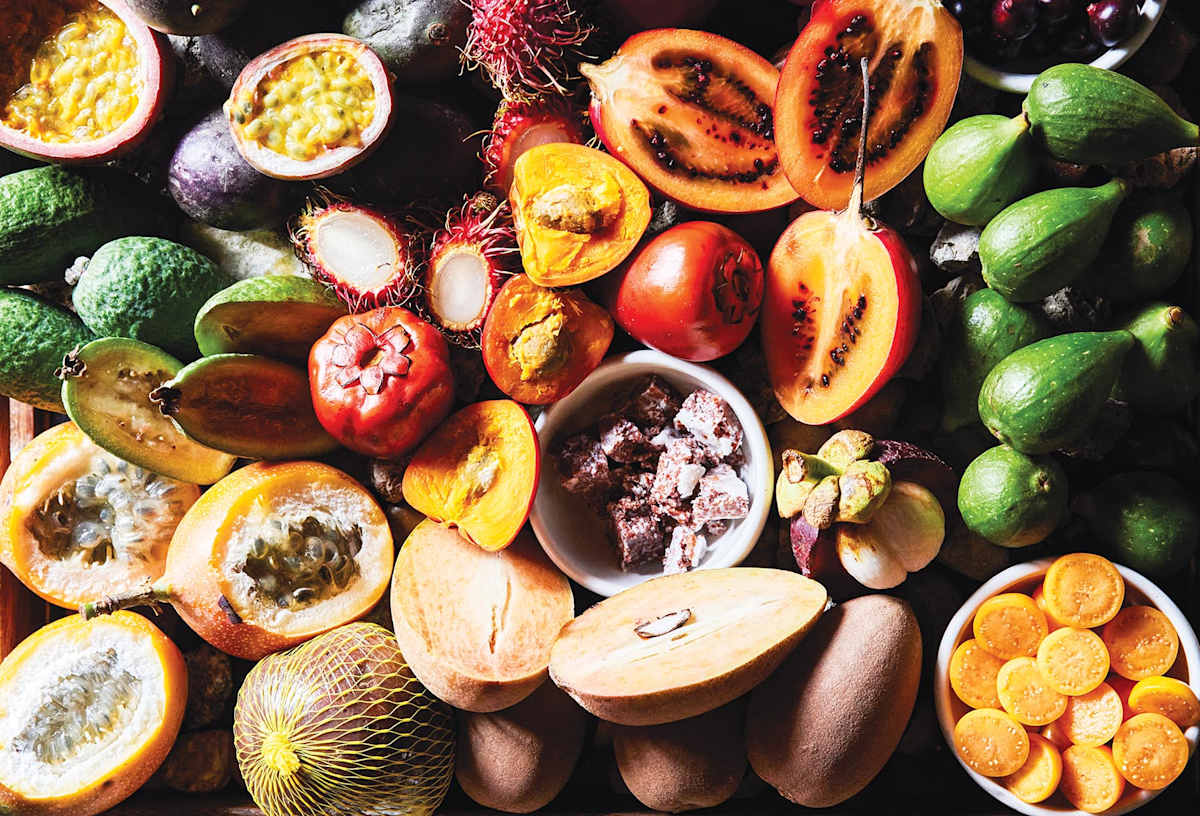
Native Colombian fruits including feijoa, lychee and tamarillo.
Simon Bajada
“If you were to eat two different Colombian fruits every day for three years, you’d never try the same one twice.” Inside the calm, contemporary dining room of El Chato, located 8,660 feet above sea level in Bogotá, environmental engineer and fruit researcher Gian Paolo Daguer, a.k.a. el señor de las frutas (“the lord of the fruit”), speaks about the spread in front of us. His words dissolve into the thin air as I stand transfixed by the kaleidoscope of color and form. On the table, more than 30 Colombian fruits, including feijoa, borojó, varieties of passion fruit, a kind of lychee and tree tomato (tamarillo) are arranged like precious artifacts. Some I recognize, most I do not. Three years. The number is just as intoxicating as the aroma rising from the table. This rainbow display is a visual representation of Colombia’s biodiversity — according to Daguer, there are more than 2,000 native fruits. The country offers a sensory universe that even veteran botanists struggle to fully grasp. For Daguer, an author devoted to documenting and promoting native and rare Colombian fruits, it’s a lifetime’s work — and still only in its infancy. Colombia stretches across tropical lowlands, arid deserts and glacier-capped Andean peaks — mountains that soar higher than 16,000 feet. Along the Pacific coast, dense mangroves and swamps — some of the wettest places on Earth — keep much of the region wild and sparsely inhabited. But it’s the Andean heartland, with its diverse ecosystems, volcanic soils and “eternal spring” climate that feeds the nation. Here, fruit doesn’t just grow, it thrives, spilling out onto market stalls and into kitchens across the country with effortless abundance.
Plan your culinary adventure.
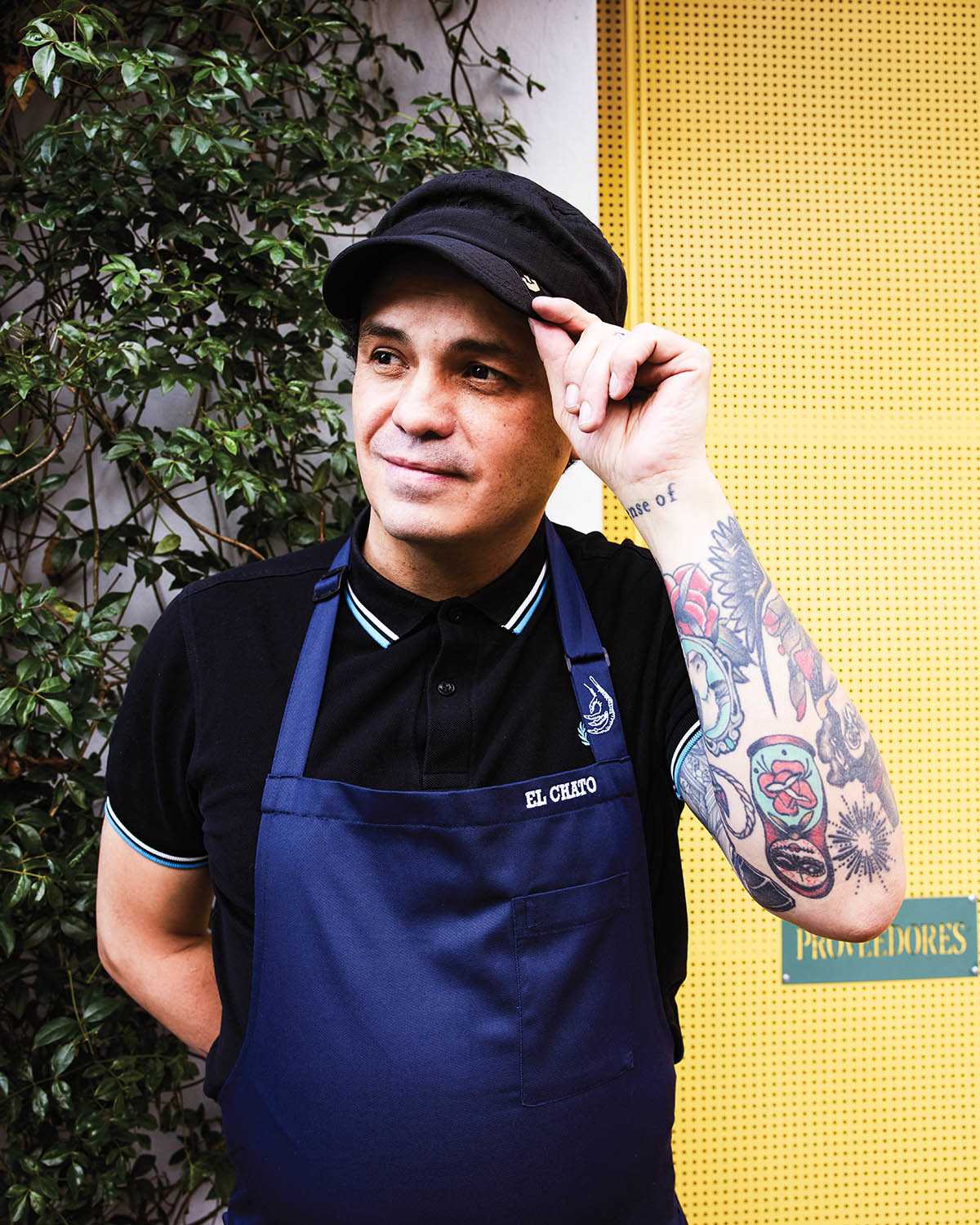
Chef Álvaro Clavijo.
Simon Bajada
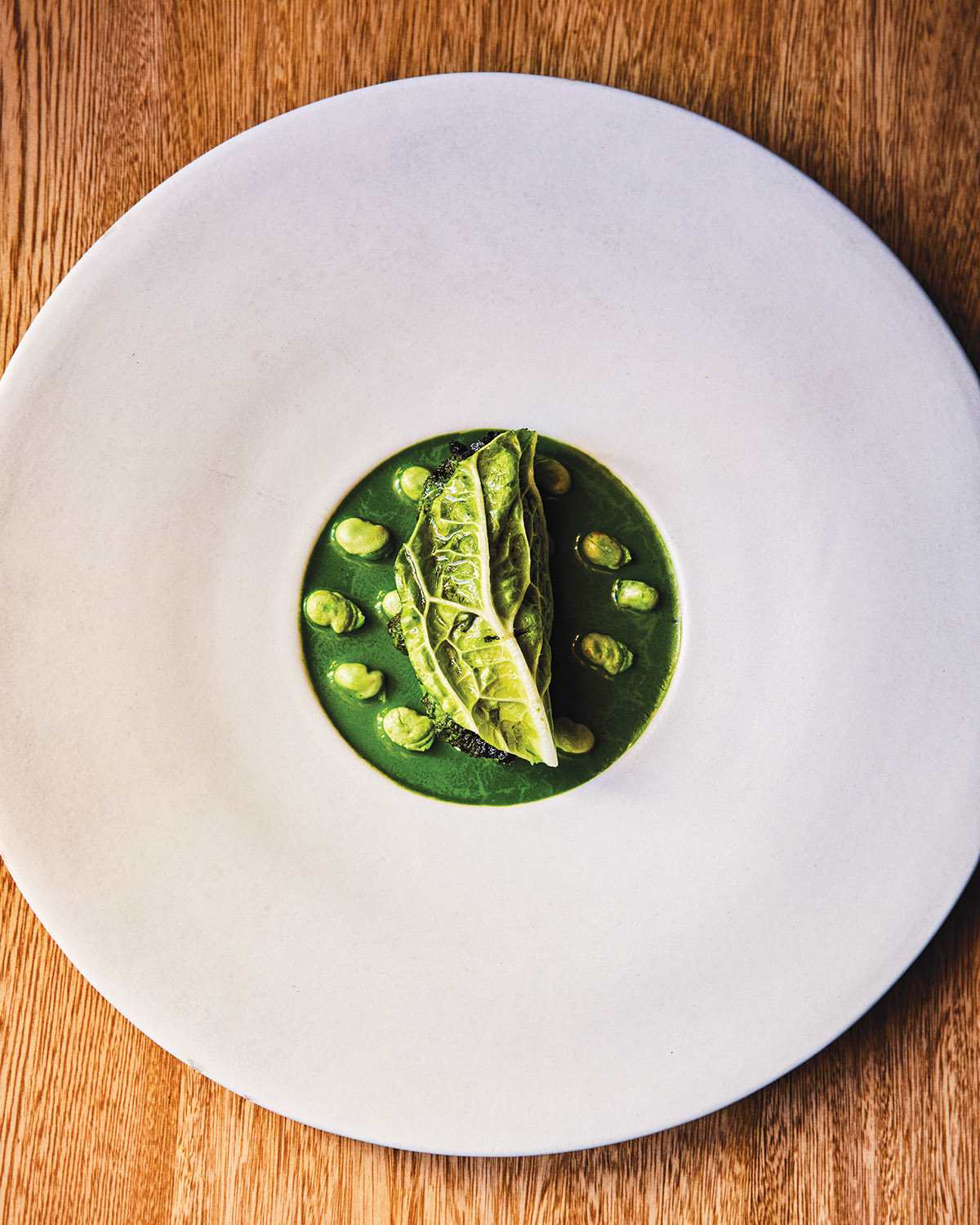
El Chato's vibrant chicken and cabbage dish.
Simon Bajada
Fruit is woven into everyday life. Where a North American might reach for coffee or a European for wine, Colombians pour juice — fresh, vibrant, ever-present. Breakfast, lunch or a midafternoon pause: There’s often a glass of lulo or guava juice within reach. Fruit salsas — bright, sharp and spicy — accompany meats and, in the Amazon, fish. On the Caribbean side of the country, fruit vinegars season slow-cooked stews. Across coastal regions, fermented drinks and wines emerge from mango, tamarind and star fruit. Yet for a new generation of Colombian chefs, fruit is more than tradition — it’s an opportunity to experiment and create bold new flavors. Álvaro Clavijo, one of Colombia’s most internationally recognized chefs, has spent years unlocking these opportunities at El Chato, which placed first on Latin America’s 50 Best Restaurants list in 2025. Clavijo is known for elevating overlooked Colombian ingredients, but increasingly his focus is on fruit. Working closely with Daguer, Clavijo has built a menu that feels like a translation of Colombia’s biodiversity. “Experimenting with fruit has taken time and patience,” he tells me. “But now we understand how to get the best from each of these ingredients.” Clavijo’s discoveries feel almost alchemical. Add acid to the intensely astringent mamoncillo and it transforms into something spicy, lively, entirely new. Cook earthy and prune-like borojó slowly with onions and it deepens into a rich, umami-laced sauce. Clarified fruit juices become dynamic building blocks for the kitchen to use at will.
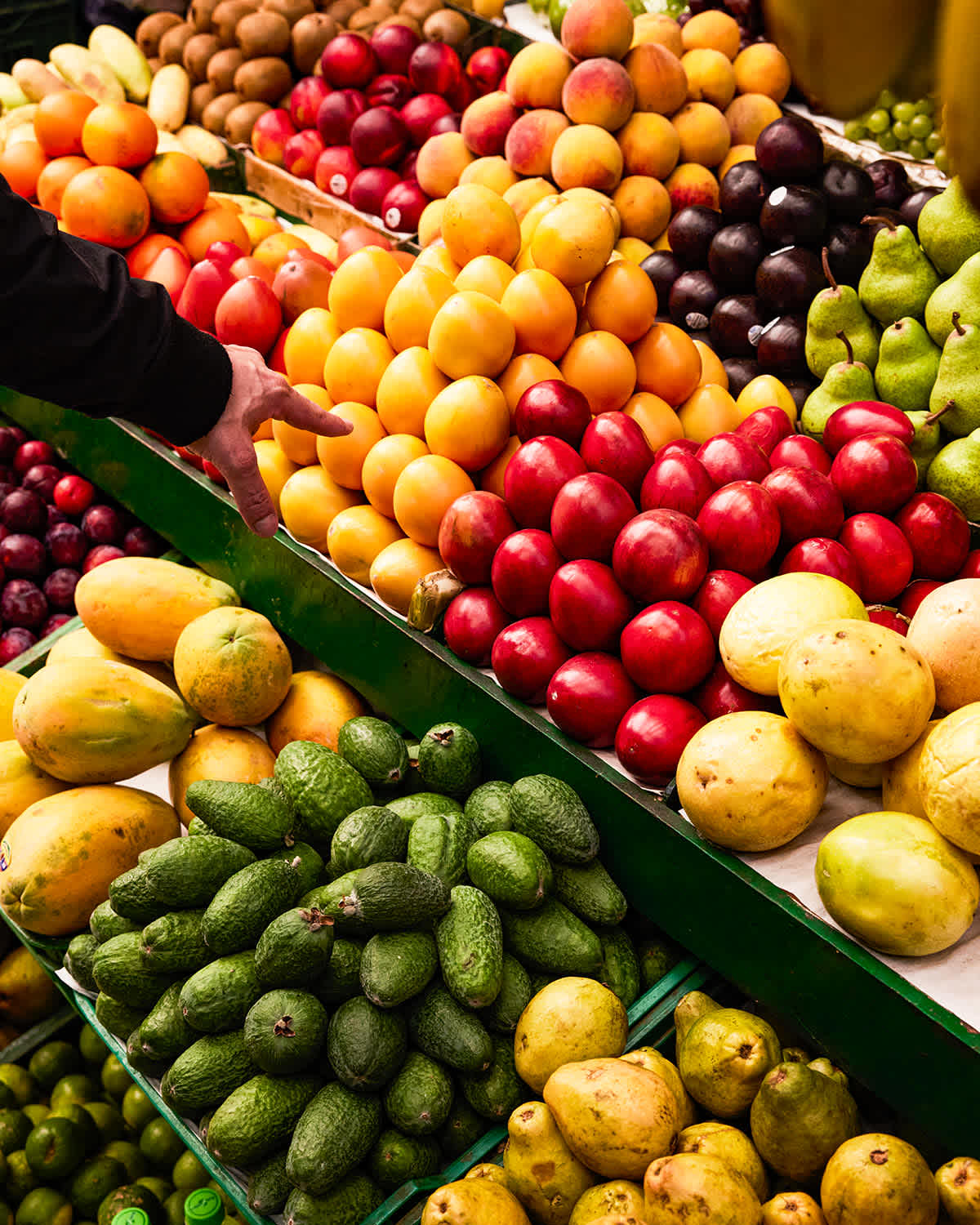
A colorful display at Bogotá’s Paloquemao fruit market.
Simon Bajada
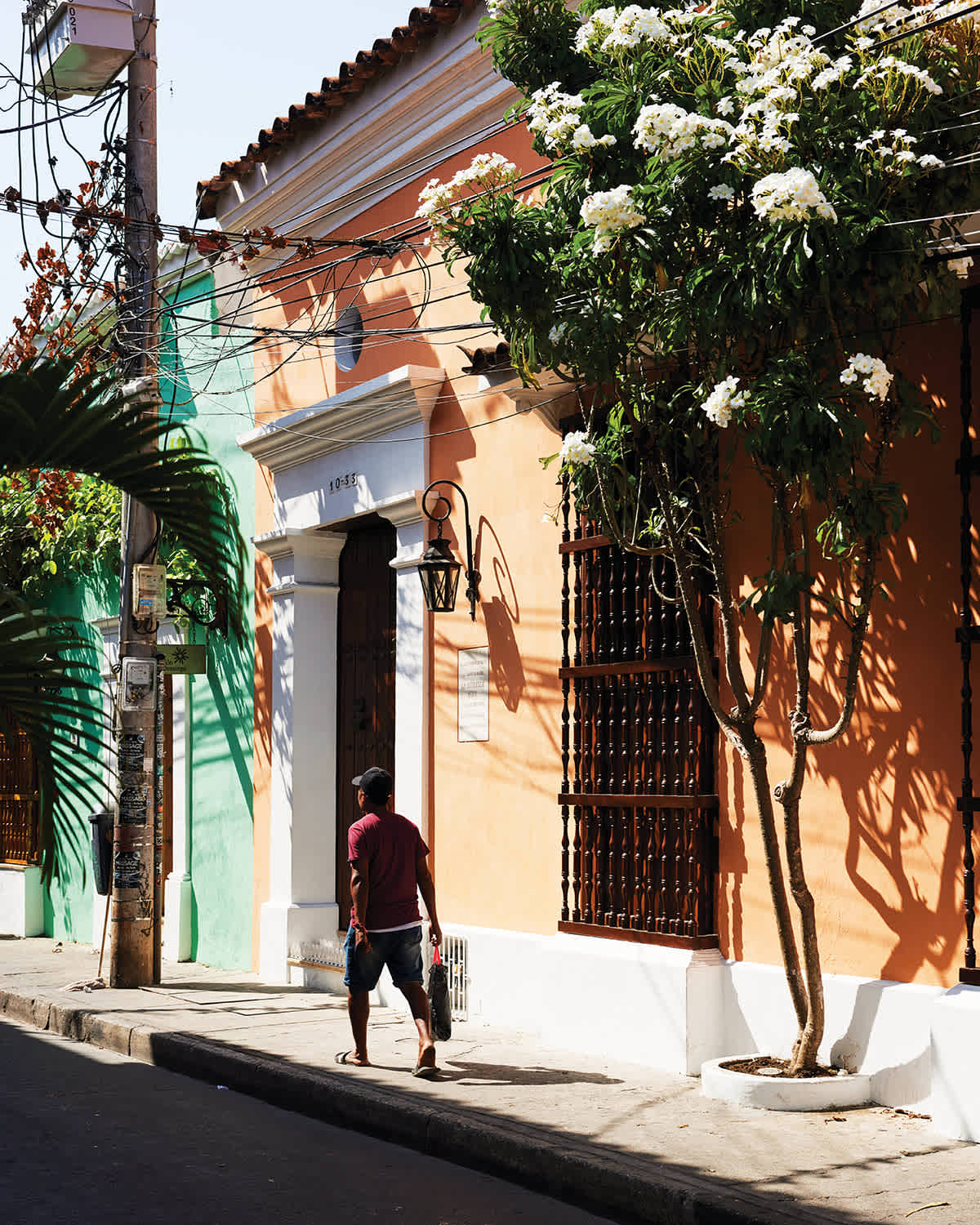
Cartagena's picturesque Getsemaní neighborhood.
Simon Bajada
On a recent trip to Denmark and Italy, Clavijo developed an interest in vinegar. After returning home, he read the ingredients on a Colombian bottle, which simply stated: fruits. “What fruits?” he wondered. This prompted him to start distilling. One result is a vinegar made from gulupa, a wild passion fruit that mysteriously evokes flavors of tonka bean — nutty, vanilla-rich, with a flicker of spice. Even the drinks at El Chato echo Colombia’s biodiversity. A vermouth infused with guava, herbs and almond leaves is mixed with local wine, balancing the sweetness of a spectacular dessert made from the sharp and citrusy lulo fruit. Before each course, a small presentation arrives — raw ingredients laid out in the middle of the table, which helps diners comprehend the different elements in the dishes they’re about to taste. Almost always, fruit plays a role, like the chontaduro (peach palm fruit) that accompanies crab and plantain. “It’s endless what we can create with these fruits,” Clavijo tells me. “I might even start a fruit-vinegar company.” Continuing on my fruit journey, I head to the Colombian Caribbean. Just a 90-minute flight away, yet worlds apart, Cartagena unfolds along the coast in a wash of color and heat. Palm trees sway lazily above Spanish-style facades painted in sun-faded blues, yellows and pinks. Life spills into the streets, where palenqueras, Afro-Colombian women from San Basilio de Palenque, the first free African community in the Americas, artfully balance baskets of fresh fruit on their heads, and street vendors sell cold, freshly mixed juices to tourists and locals alike.
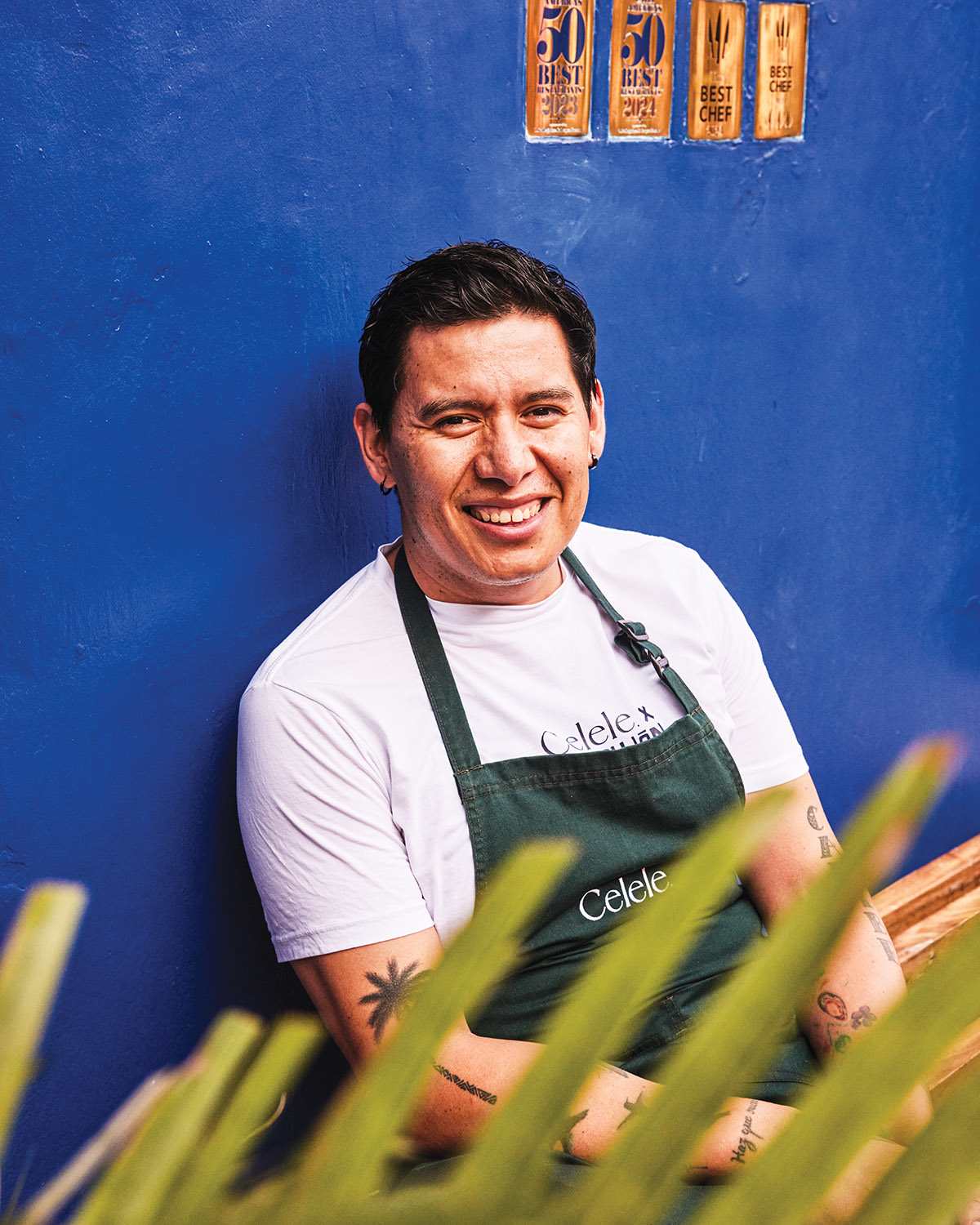
Chef Jaime Rodríguez in front of Celele.
Simon Bajada
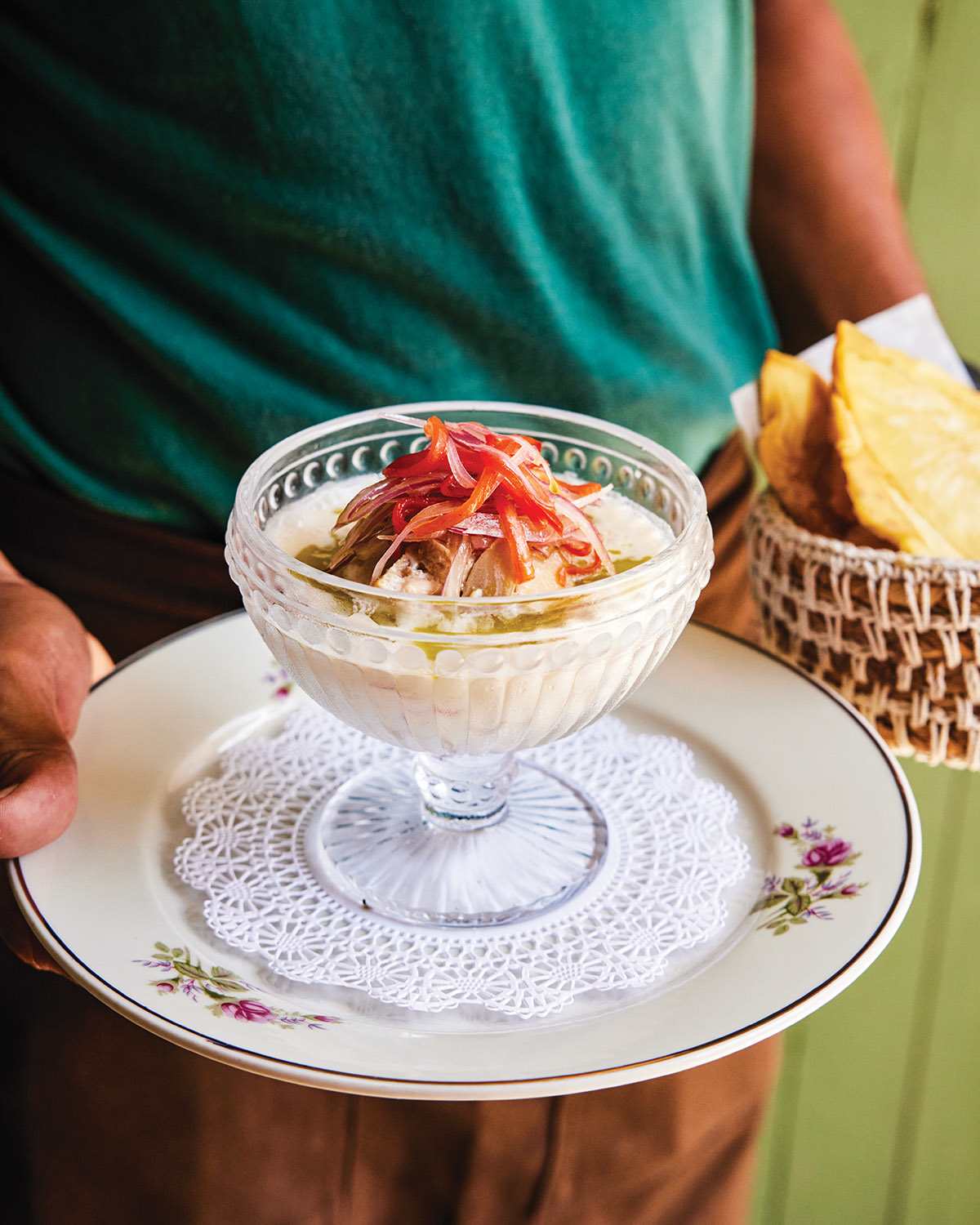
Snail ceviche, made with coconut milk and breadfruit, from Rodríguez's Ahito.
Simon Bajada
Celele is my first stop. Here, cultural and culinary research is translated into a refined dining experience known for inventive plating, Indigenous Caribbean ingredients and always-evolving seasonal menus (in 2025, Celele placed 48th on the World’s 50 Best Restaurants list). When I arrive, I find chef-owner Jaime Rodríguez sitting in front of the restaurant’s cobalt facade and we jump right in. He tells me about visiting the market in Muzo, Boyacá, as a child, where he would buy 10 different fruits from a selection of at least 60 — rose apple, feijoa and sour guava were some of his favorites. For Rodríguez, who’s also behind Cartagena’s more casual Ahito Bistro Popular Colombiano, fruit isn’t an accent, it’s the foundation. “The world of fruit is as important as the plant world, and in many ways even more expansive in its possibilities,” he says. His confit hen proves the point: banana flesh brings sweetness, while the banana peel contributes caramel notes and a crisp texture. The peel is also used for texture in a mille-feuille dessert. In Celele’s Caribbean flower salad, which resembles a piece of art more than it does food, cashew appears in multiple forms — pickled cashew fruit, whole nut and a silky cream — each expression revealing something different but coming together to make a truly memorable dish. As I devour the art, I spot Rodríguez in the open kitchen, beaming in my direction. I give him a big thumbs-up. Later, seeking refuge from the late-afternoon heat, I take a seat at El Barón, in the shadow of the Cartagena cathedral, for a cocktail. Founder Juan David Díaz and bar manager Diana Paola “Luna” Orellano treat fruit like gold. The more exotic soursop, corozo and golden berry become extracts, liqueurs and infusions. Pineapple is distilled into the Rosarito cocktail, which combines mezcal, cilantro, lime and spicy bitters. The discarded skins are reborn as a delicate flavored water for another cocktail. Nothing is wasted. Rodríguez joins me for a drink. Just as I’m about to ask whether he thinks there are still discoveries to be made in a country whose ingredients he’s revered for more than a decade, he sips his cocktail and freezes. “What’s in this?” he asks, hurrying off to consult Díaz and Orellano. I think I have my answer.
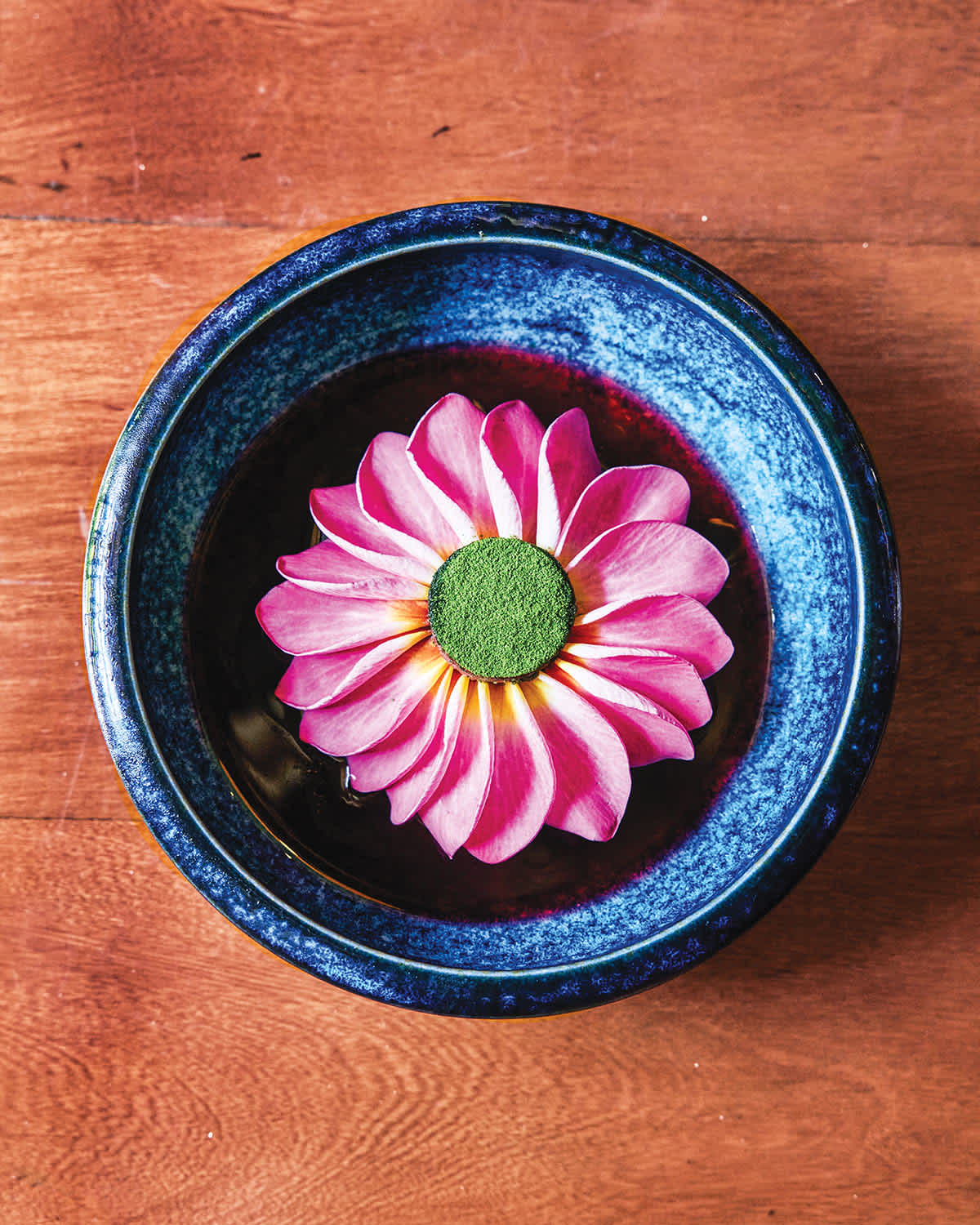
Celele’s escabeche (fish marinated in vinegar) topped with pink petals.
Simon Bajada
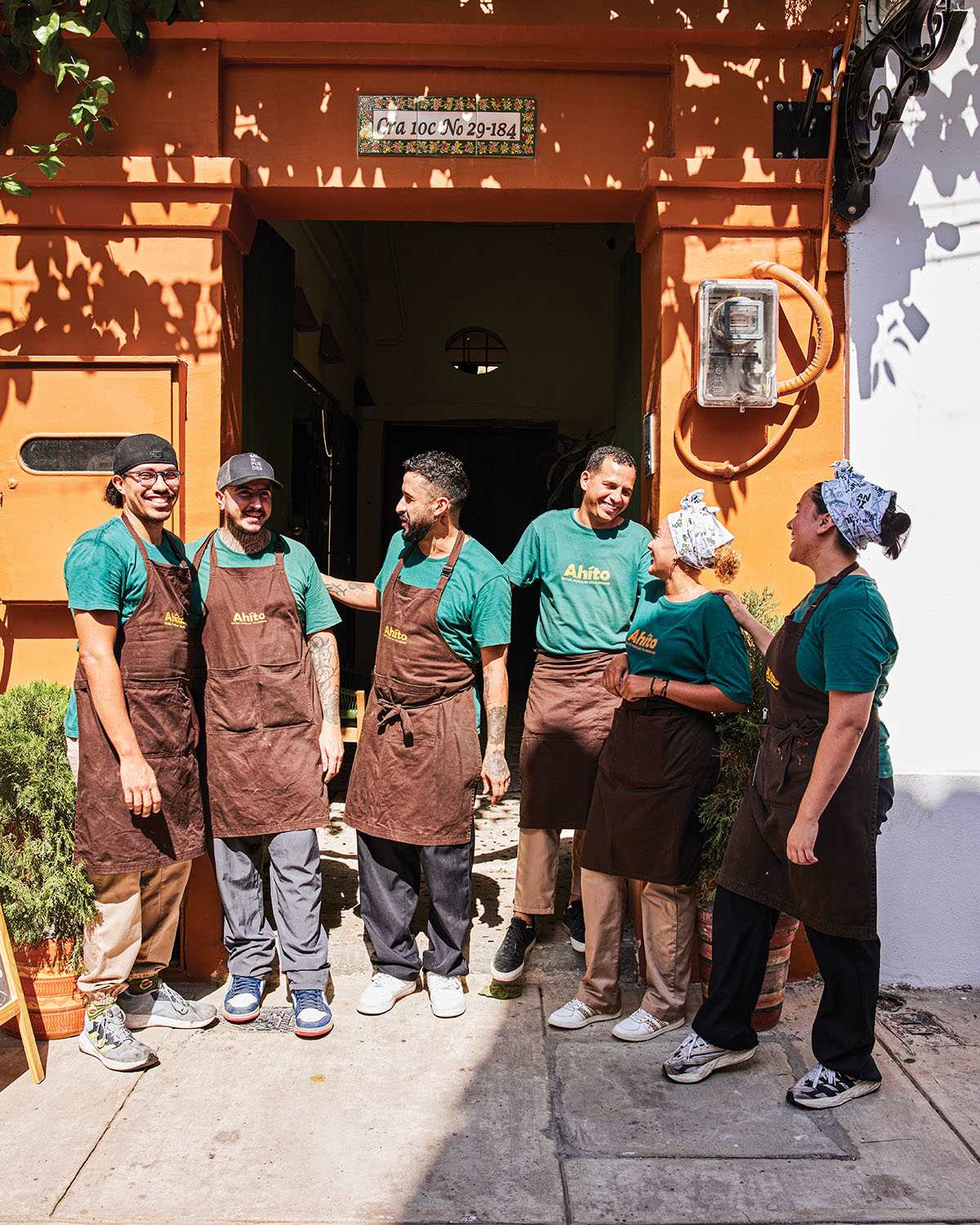
The staff of Ahito.
Simon Bajada
Must-try Fruits
Wander through any market, from Bogotá’s high-altitude Plaza de Mercado Paloquemao to those in Caribbean coastal towns, and you’ll encounter fruits you might never have seen before. Here are some to look for: LULO Sharp and citrusy, like lime softened by pineapple. It’s delicious whirled with milk and sugar. GUANÁBANA (SOURSOP) Creamy and perfumed, a blend of strawberry and banana with a whisper of acidity. Try it fresh or in a smoothie. FEIJOA Floral and cool, reminiscent of guava crossed with mint — it’s lovely as a jam or in desserts. BOROJÓ Earthy and deeply complex, often described as chocolate meeting prune with a fermented edge. Borojó is great blended into milk due to its chocolate notes. UCHUVA (GOLDEN BERRY) Bright and tart, bursting like a tiny sun on the tongue. Eat it fresh and find it in cocktails. ZAPOTE Rich and custard-like, with notes of sweet potato and caramel. Zapote is truly memorable when eaten fresh at its ripest. ✦