Once defined by scarcity, Korean cuisine has captivated the world. Writer Renée S. Suen travels to Seoul to trace its evolution — and meet the chefs balancing tradition and innovation to shape where it goes next.
Once defined by scarcity, Korean cuisine has captivated the world. Writer Renée S. Suen travels to Seoul to trace its evolution — and meet the chefs balancing tradition and innovation to shape where it goes next.
By Renée S. Suen | July 21, 2026
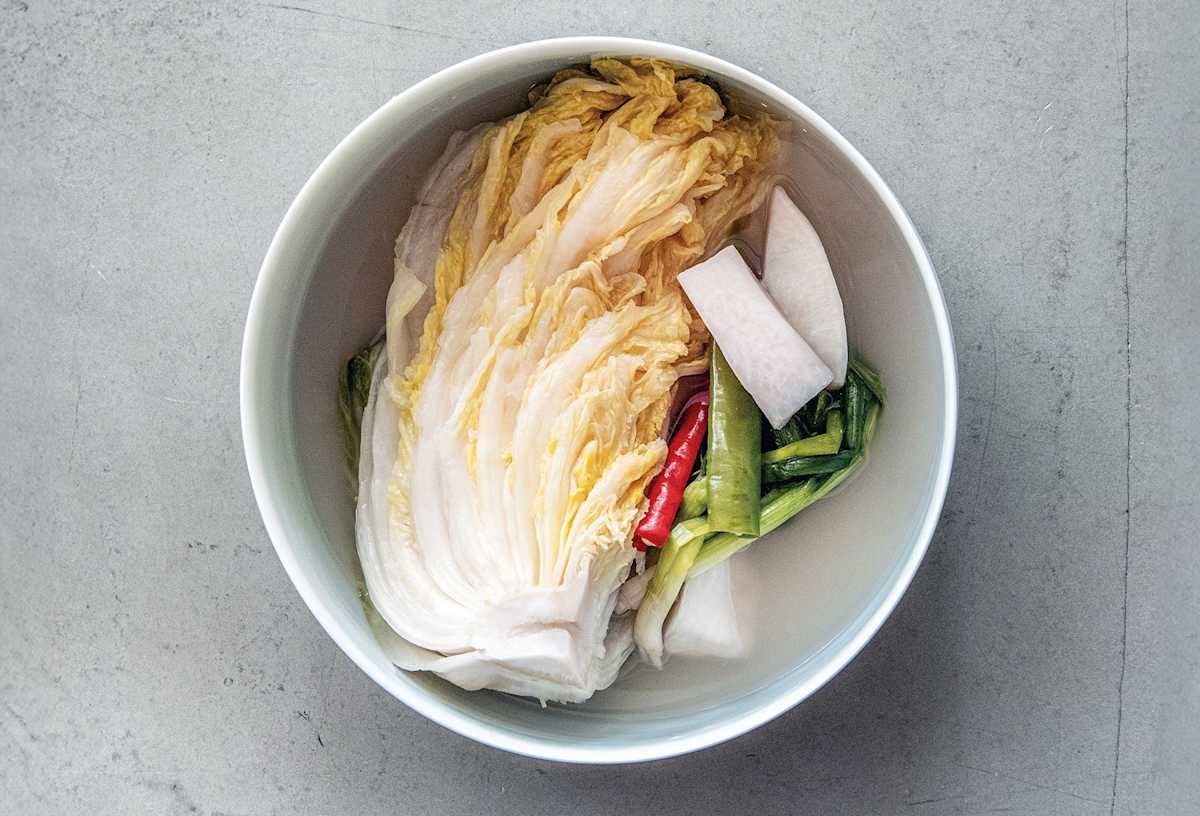
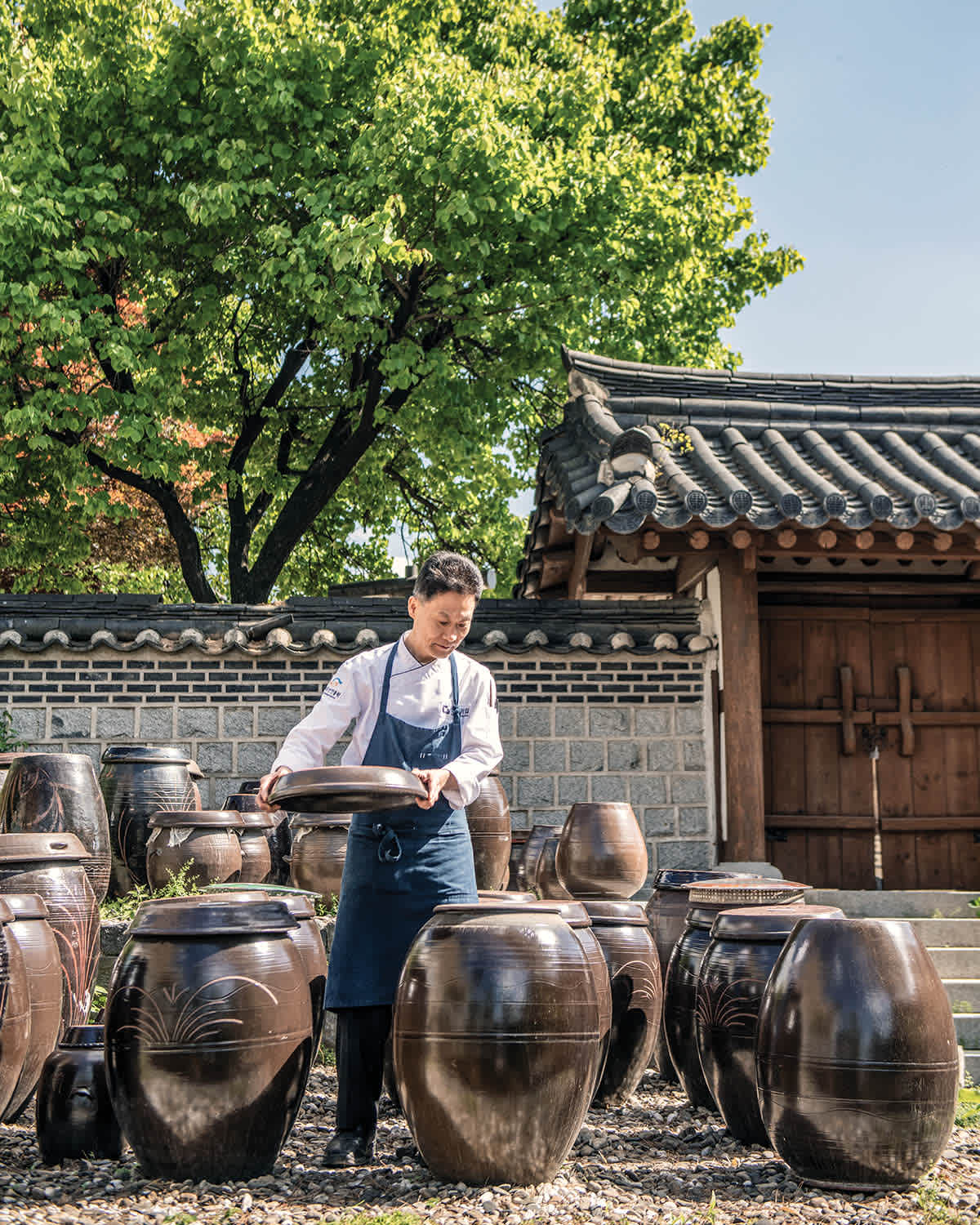
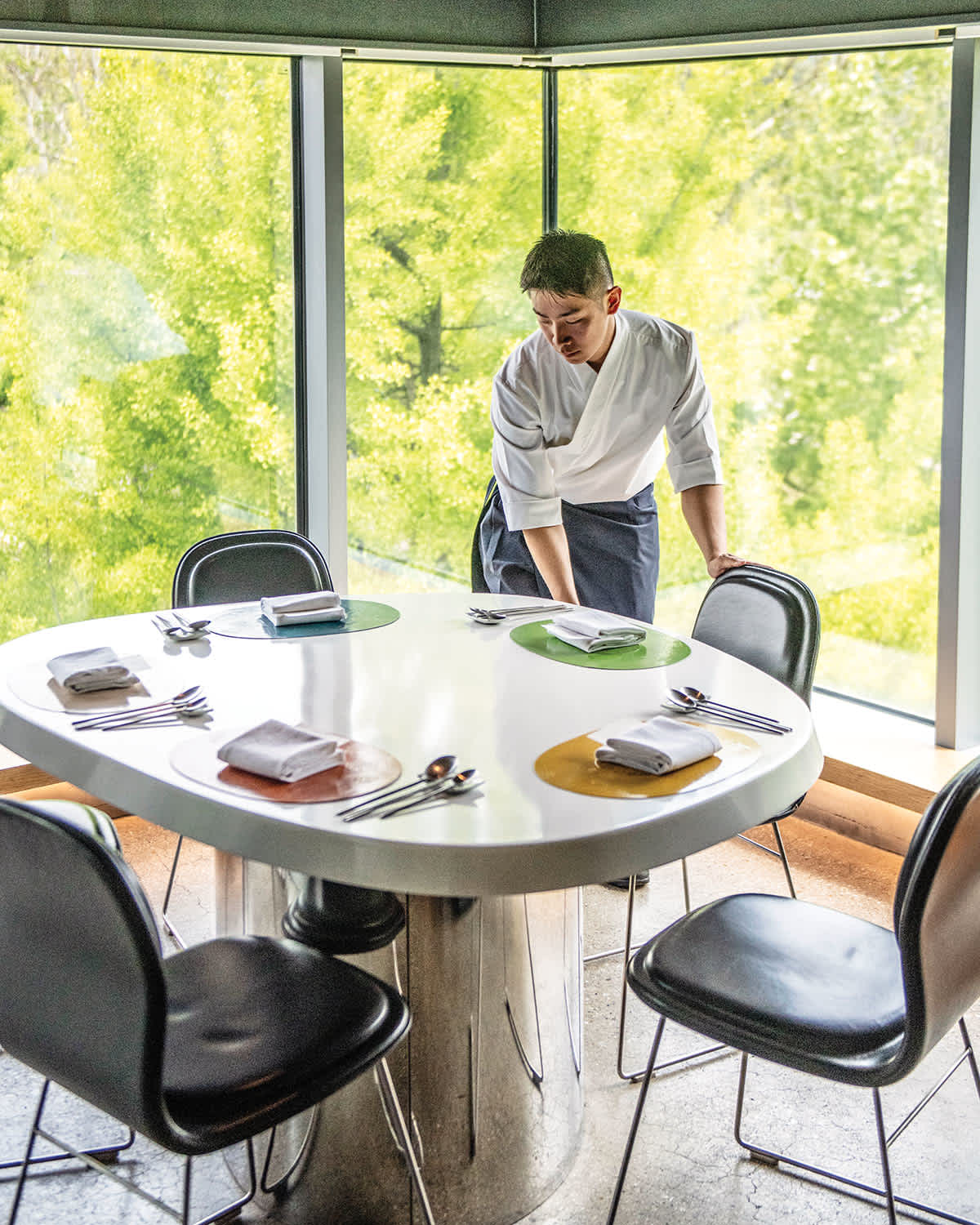
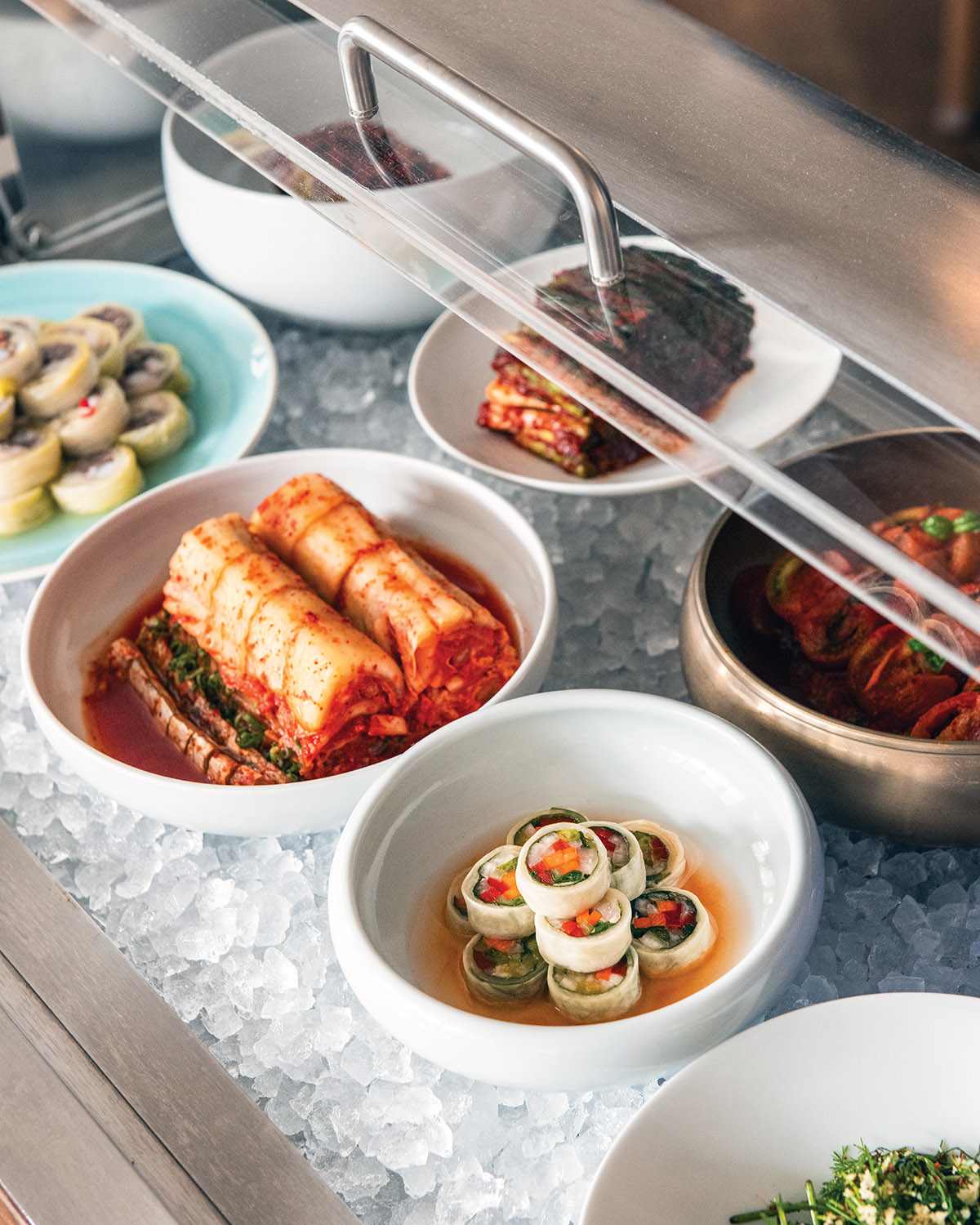
I see it coming from the other side of the elegant, pared-back dining room — a wooden cart topped with a dome cover, silver on one side, clear on the other, so diners can view the contents inside. Its wheels come to a halt as it reaches my table. The server slides open the lid, revealing eight ceramic dishes on ice, each filled with pristine piles of fermented ingredients in colors ranging from white to green to fiery red. The French have cheese trolleys; servers at Chinese restaurants roll dim sum from table to table; and at Kwonsooksoo, a two-Michelin-starred restaurant in Seoul’s central Gangnam district, it’s the kimchi that’s presented with ceremony, gliding around the room so diners can select the perfect ferment to pair with their beef tenderloin and goatsbeard pot rice. Up to 14 regional or rarely seen varieties rotate daily, from cutlass fish to bitter godeulppaegi, a historically high-end kimchi made from narrowleaf hawksbeard, an edible invasive dandelion-like plant. “Kimchi deserves its own spotlight,” says executive chef and owner Woo-joong Kwon, the mastermind behind the kimchi cart — and here it shines. The abundant kimchi offering is just one of the ways chef Kwon and his team elevate classic, home-cooked Korean dishes. Hyper-seasonal ingredients, such as deodeok (Korean bellflower root), are coaxed into the most refined, delicious versions of themselves, and Korean pantry staples are made entirely from scratch. Jang (fermented soy-based sauces and pastes), jeotgal (salt-fermented seafood) and jangajji (pickled vegetables) — I’m tasting it all from a dok-sang, an individual tray table that nods to Korea’s floor-sitting dining tradition. Tender abalone crowned with caviar is finished tableside with drops of 45-year-aged soy; drizzled with perilla oil, a plump rice cake beneath wafer-thin rice chips hides a black garlic core that gives the monochrome bite an earthy depth.
My meal at Kwonsooksoo is one of my first experiences of hansik (Korean cuisine) since touching down in Seoul, and it’s dismantling everything I thought I knew about the food I grew up enjoying in North America, where Korean culture has exploded in recent years. The craze for everything from K-pop and K-dramas to K-beauty has fueled international interest in the vibrant, layered flavors of Korean cuisine. Jjapaguri’s cameo in Parasite turned the local comfort snack — a mashup of black bean- and spicy seafood-flavored instant noodles — into a mainstream talking point. In 2025, New York City’s Atomix, from Korean chef Jung-hyun “JP” Park, took the number-one spot on North America’s 50 Best Restaurants list, underscoring the growing influence Korean flavors have on the world stage. There are multiple reasons behind the cuisine’s appeal, says Jung-yoon Choi, a chef-researcher in hansik and chairperson of the Nanro Foundation, a nonprofit initiative focused on researching Korean food culture and supporting its future. Besides delivering “bold, complex flavors with acidity, spice, umami and texture,” it offers an interactive and social way of eating, she says. “Pop culture has made hansik visible, health has made it relevant and flavor plus experience make it memorable.” I want to go beyond the KFC (Korean fried chicken), H Mart snacks and street-food corn dogs (gamja) that are becoming ubiquitous in cities around the world, and experience Korean cuisine in its home. Over a week in Seoul, I become a student of hansik, tracing its history and meeting the chefs leading the city’s burgeoning fine-dining scene who pair their Korean roots with international training — rethinking fermentation, applying Western techniques with coursed service and incorporating non-traditional ingredients — to inform where it goes next.
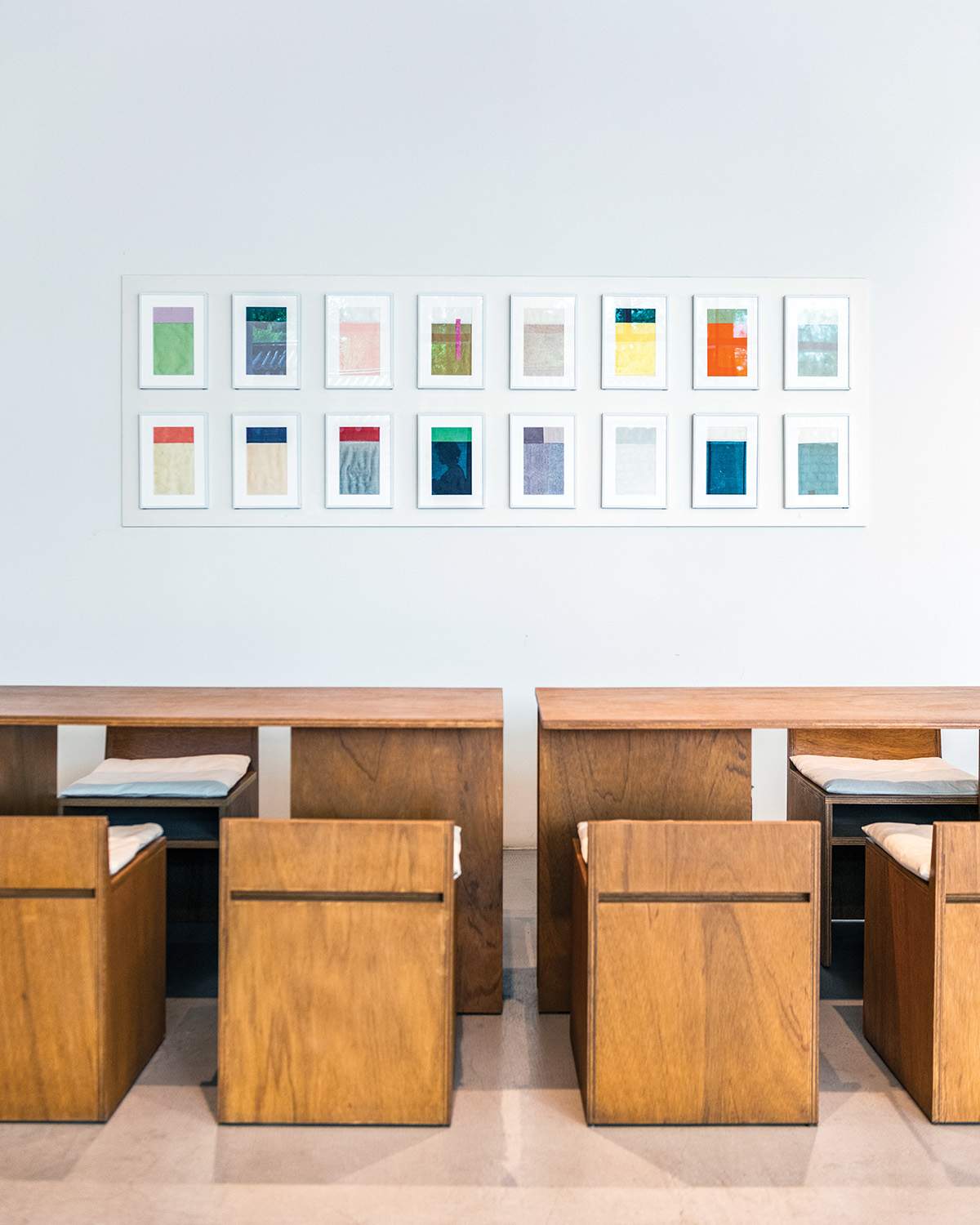
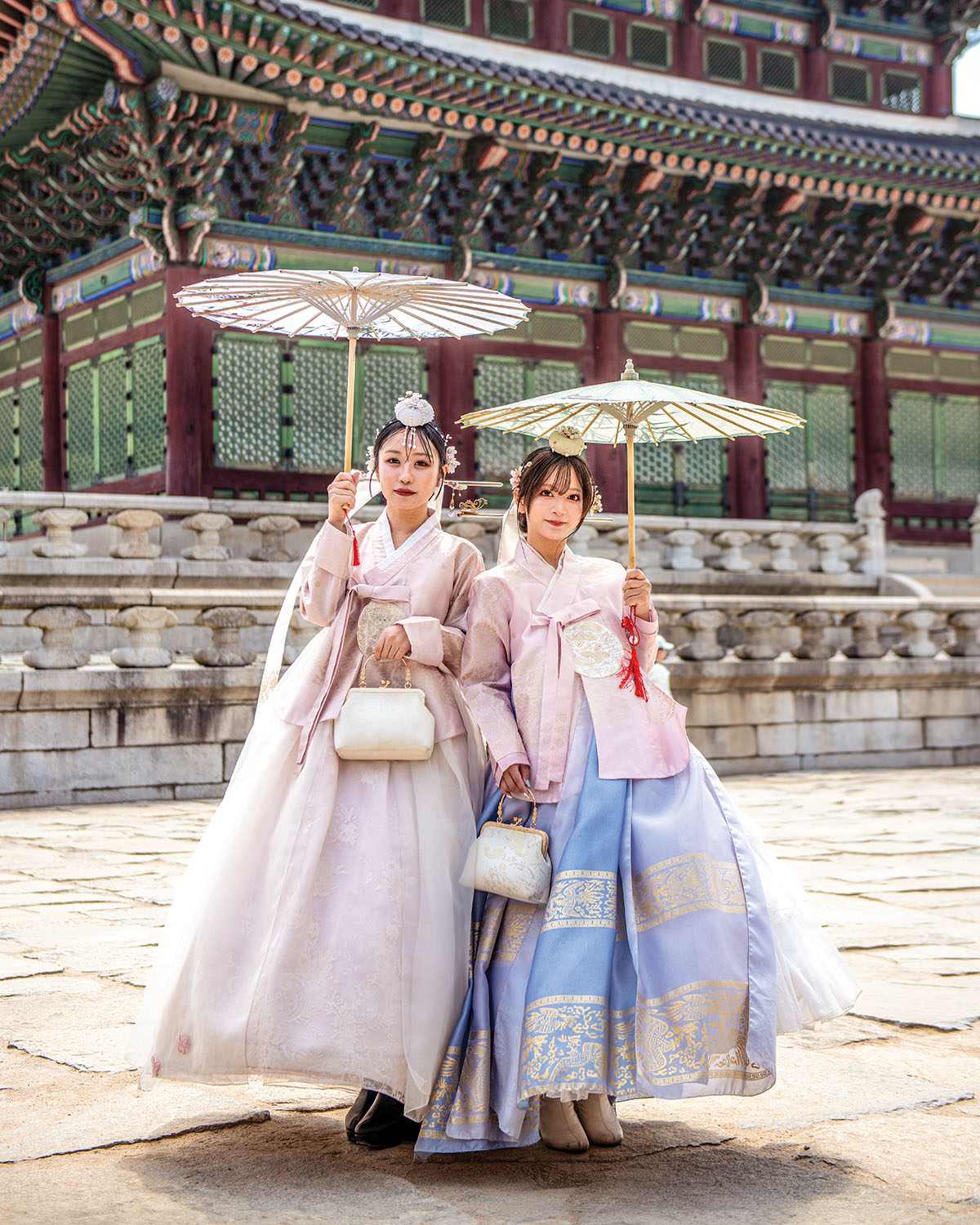
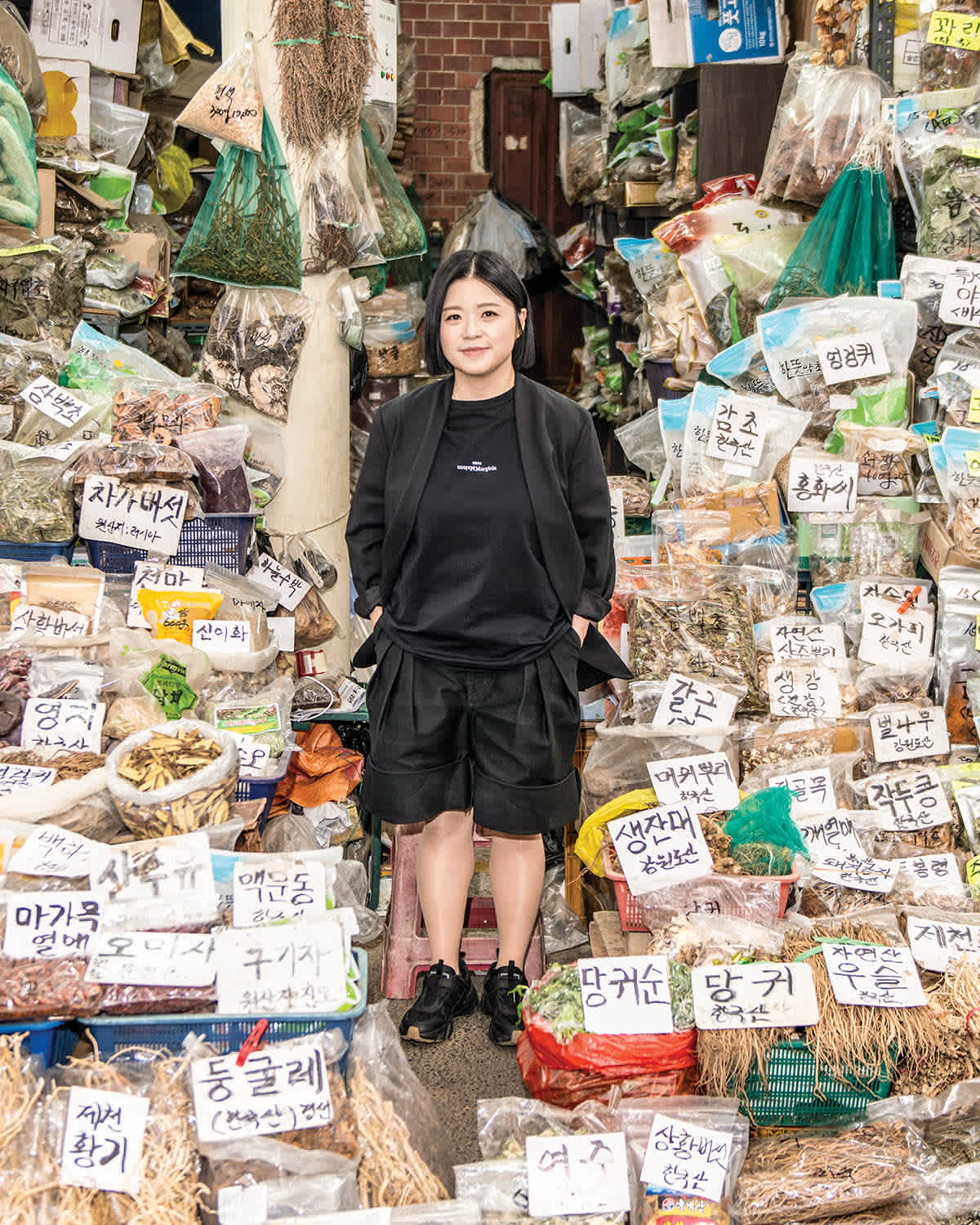
I begin my immersion at Korea House, a cultural complex where visitors can dine on a multi-course hanjeongsik (feast) and see music and dance performances. An abbreviation of Hanguk eumsik, hansik has evolved from royal court feasts once reserved for nobility into the practical, nutritionally balanced home-cooking style that spread with Korea’s postwar modernization in the 1960s and ’70s and continues to define how Koreans eat today. Over a 17-dish hanjeongsik, I learn how early Korean meals relied on whatever the land allowed — especially during the Japanese occupation of Korea (1910–1945), the Korean War (1950–1953) and the lean postwar years, when scarcity made bap (rice) central to the meal and fermentation essential for survival before refrigeration. Banchan (side dishes), which are mostly plant-based and add color, variety and nutrition, might feature spring herbs and winter roots, but were created with whatever could be grown, foraged or stored across Korea’s mountainous terrain and four distinct seasons. The meal was rounded out with guk (soup) or jjigae (stew), and the occasional protein. Armed with this background, I join chef Sung-bae Park of Michelin-starred Onjium on a shopping trip to Gyeongdong Market, a maze almost five times the size of Seoul World Cup Stadium. My senses go into overdrive as we wander the sections filled with pristine produce, piles of roots and mushrooms, pouches of medicinal teas, pans glistening with kimchi and sacks of beondegi (silkworm pupae), a classic snack. Fall is persimmon season, and I’m entranced by the jewel-like towers of ripe fruit, but it’s the intoxicating perfume of cold-pressed perilla oil that leads me to pull out my wallet.
Plan your culinary adventure.
Our Ensemble travel advisors will design a one-of-a-kind vacation - just for you.
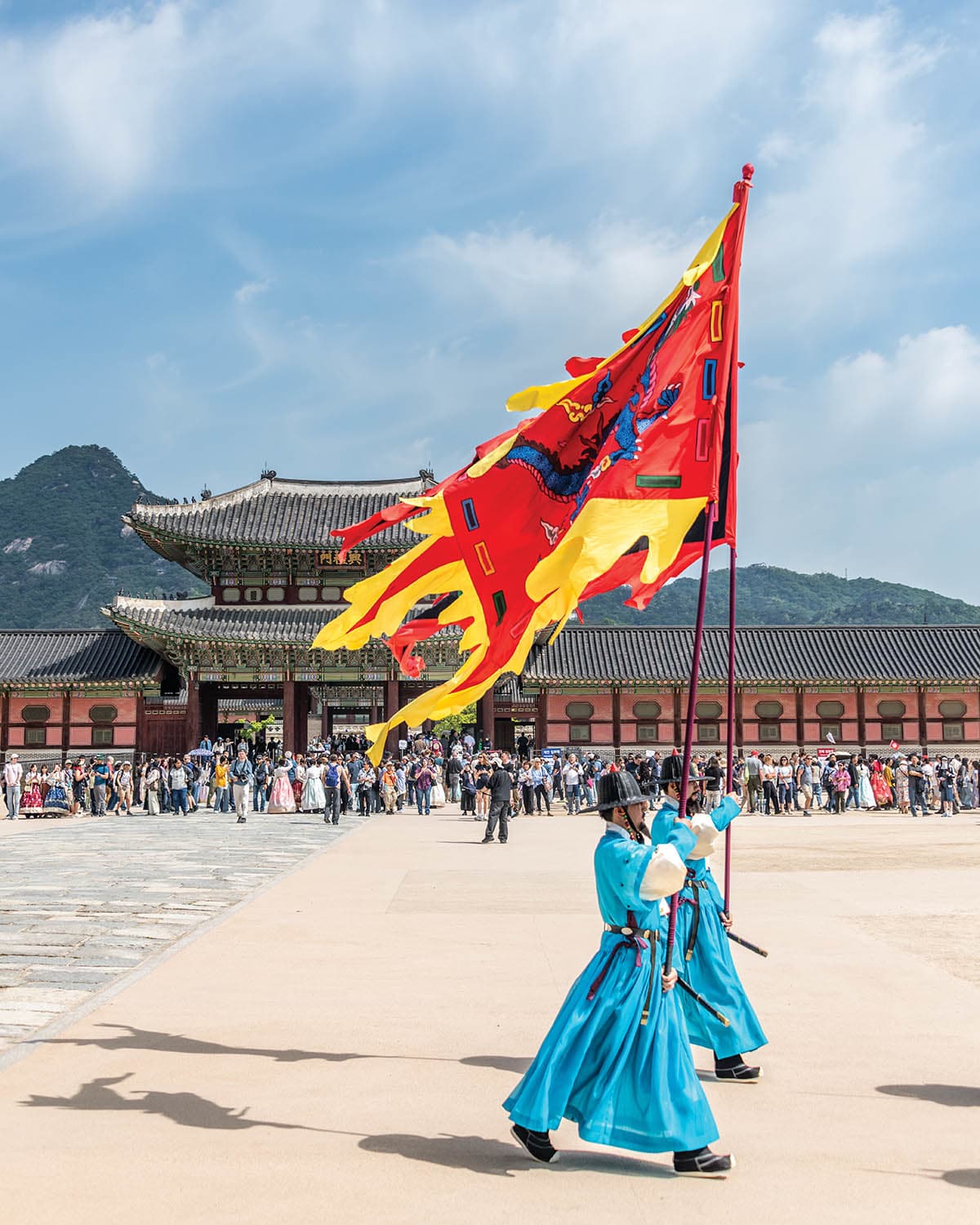
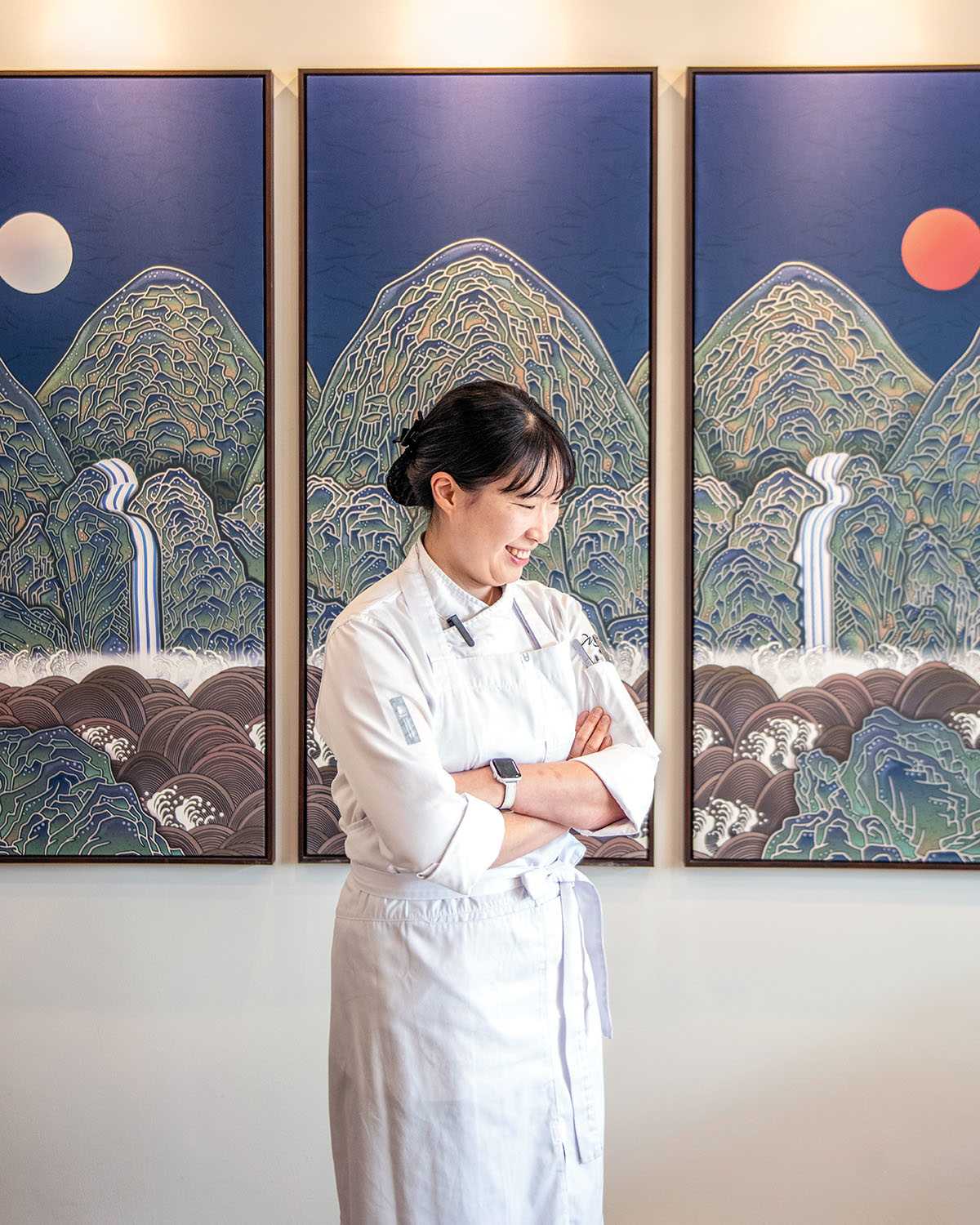
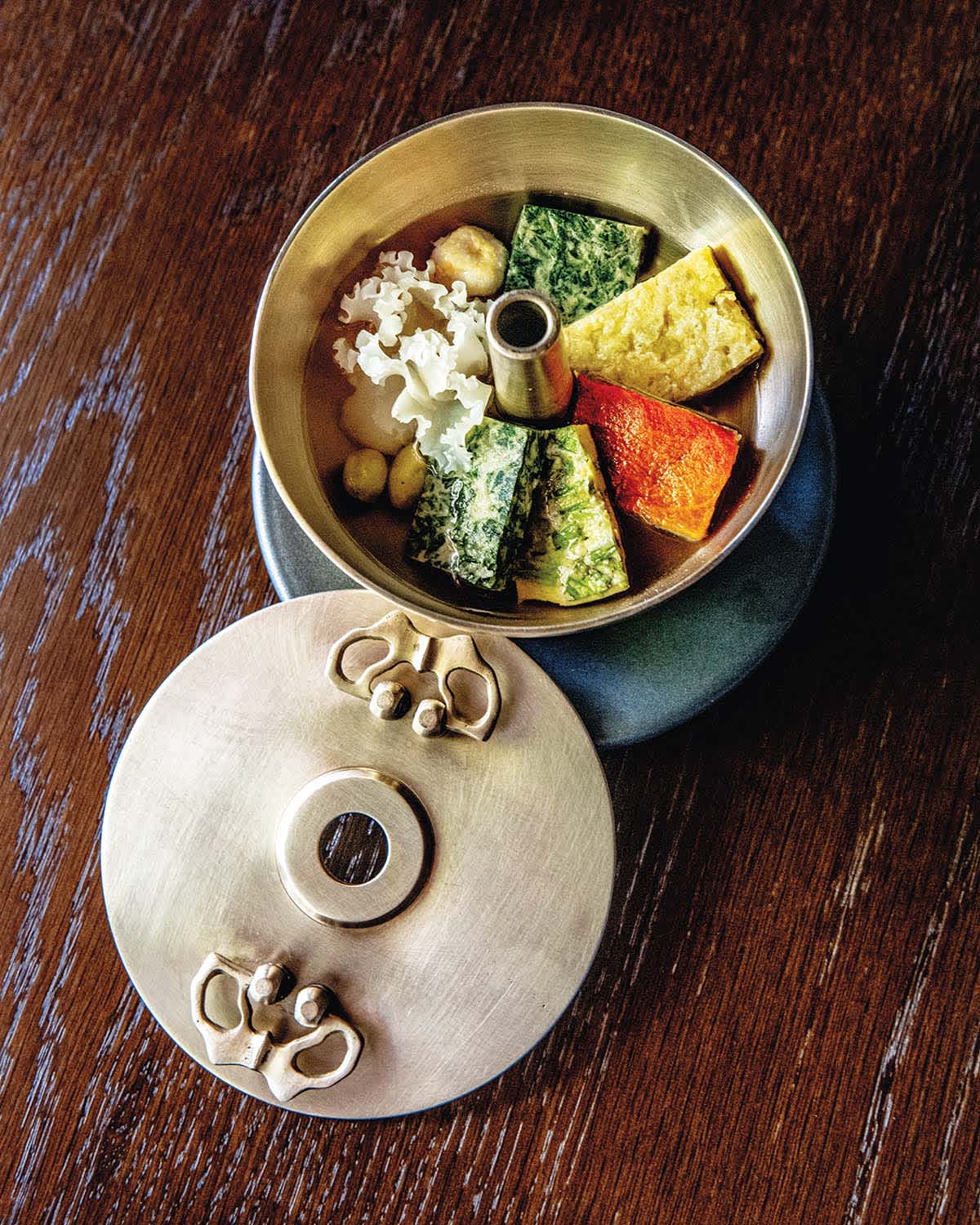
We return to Onjium together, where I see these ingredients come to life and discover just how deep hansik’s roots run. In their restaurant, located directly across from Gyeongbokgung Palace, one of five grand palaces of the Joseon era, Park and his co-owner and co-chef, Eun-hee Cho — an educator and certified practitioner of Korean royal court cuisine — reinterpret Joseon-era royal and noble family dishes for the modern diner. The restaurant is also committed to preserving Korean history and culture, offering regular classes. I learn that hansik traces back 5,000 years to Gojoseon, Korea’s first recorded kingdom, though most surviving records come from the Joseon dynasty, when Confucian order shaped the table, dishes were refined as expressions of status, preservation techniques were perfected and the bap-centered meal structure took form. Prized for delicate flavor balance, Joseon-era royal cuisine was designated by the South Korean government as an Important Intangible Cultural Property in 1970. On the roof deck, rows of earthenware jars brim with aged ferments: doenjang (soybean paste), gochujang (red chili paste), ganjang (soybean sauce), seasonal kimchi and a new umami-rich, cod-based jang the team is developing. Cho, who was named Asia’s Best Female Chef 2026 at the Asia’s 50 Best Restaurants awards in Hong Kong earlier this year, sees fermentation as the foundation of Korean cooking, its taste developed by yangnyeom (seasoning) like soy sauce, soybean paste, chili paste and vinegar. “We make our own soy sauce, soybean paste and chili paste, which allows us to build flavors infused with both craftsmanship and sincerity, creating a taste unique to Onjium,” she says. Onjium’s tasting menu follows the Korean aesthetic principle of balance: Geom i bul lu, Hwa i bul chi, which translates to “frugal but not shabby, splendid but not extravagant.” In the light-filled dining room, I’m served jeonbok jimm, a delightful autumn-only steamed abalone dish that’s concealed by a tangle of shredded mushrooms, followed by a pale, blossom-like baekhwa (white flower) bibimbap — which, in old records, was called hwaban (flower rice) because its colorful toppings resembled a bloom — that’s adorned with seasonal white vegetables and served with doenjang. “Fermentation is both the beginning and the flowering of Korean culinary culture,” says Cho. “It’s a heritage we must continue to preserve, study and carry forward.”
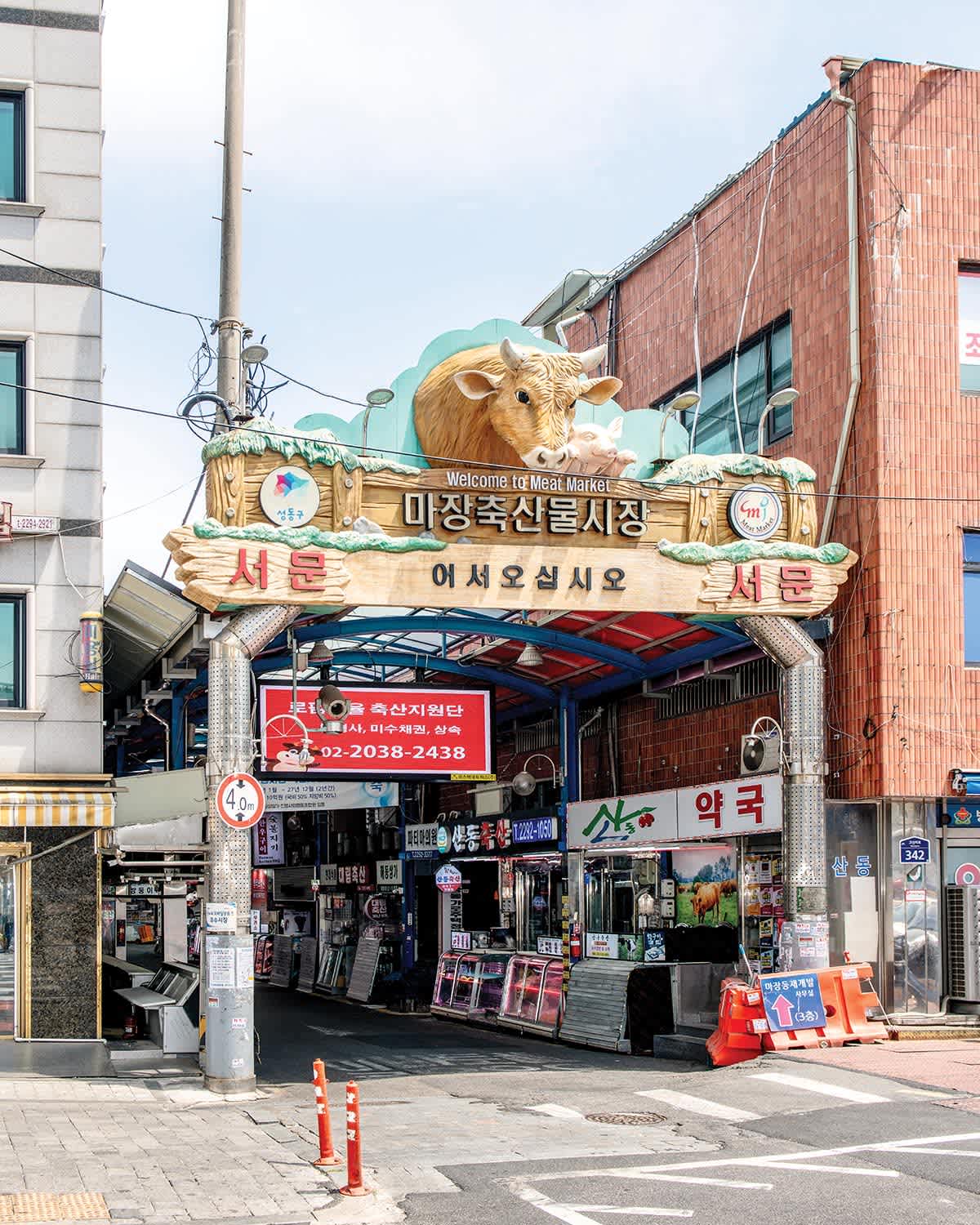
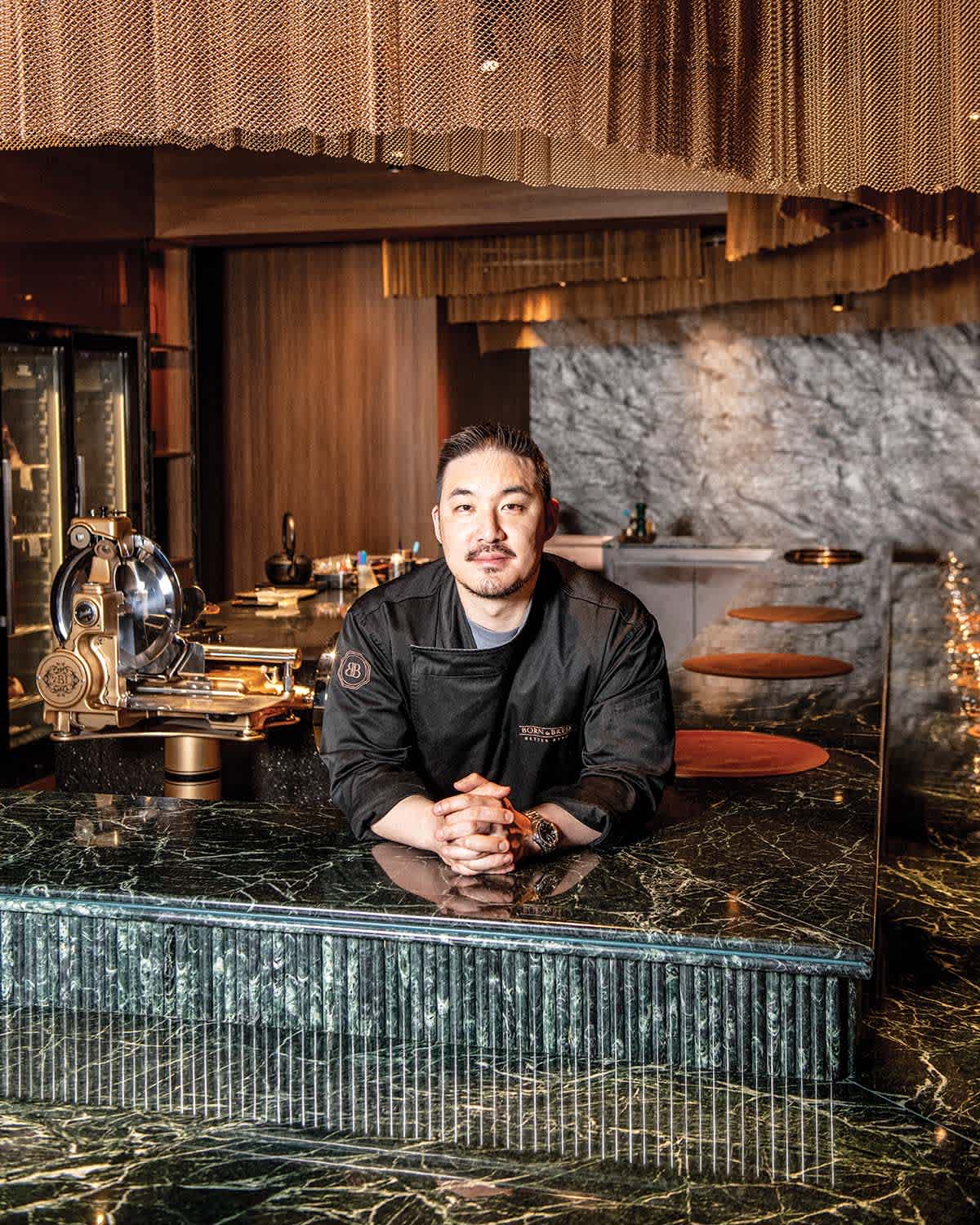
While Onjium honors the history of hansik, Korean barbecue (K-BBQ) represents its values of balance and communal dining. Technology and commercialization aided the evolution of ancient neobiani (marinated beef slices) into today’s bulgogi (barbecued beef) and samgyeopsal (grilled pork belly). My first K-BBQ experience is at the boisterous Geumdwaeji Sikdang (Gold Pig Restaurant), where pork belly sizzles to perfection before it’s eaten as ssam (wrapped in leafy greens). At the legendary Byeokje Galbi, chef Won-suk Yoon continues the restaurant’s legacy of using the Haeundae Cut — a diamond cutting technique — on short ribs from Hanwoo cattle sourced daily at auction. But it’s in an intimate restaurant in the middle of Korea’s largest meat market where I understand that savoring beef is a cultural experience. I meet up with Choi again to roam the lofty corridors of Majang Meat Market, pausing to peer at glass cases displaying premium Hanwoo beef, the vendors presenting their marbled treasures like luxury goods. Standing out from the market stalls is the sophisticated brick facade of Born and Bred Original, located just steps away from the butcher shop that founder Sang-won Jeong’s father still operates. Inside, executive chef Kyung-hwan Min explains that K-BBQ is more than tabletop grilling: “It’s a culinary culture built on cuts, aging, marinades, grilling techniques and banchan,” he tells us. Unlike American barbecue’s low-and-slow methods with big cuts, K-BBQ is fast, high-heat grilling of thin slices, typically tableside, to preserve the meat’s natural aroma, texture and the nuances of fat distribution.
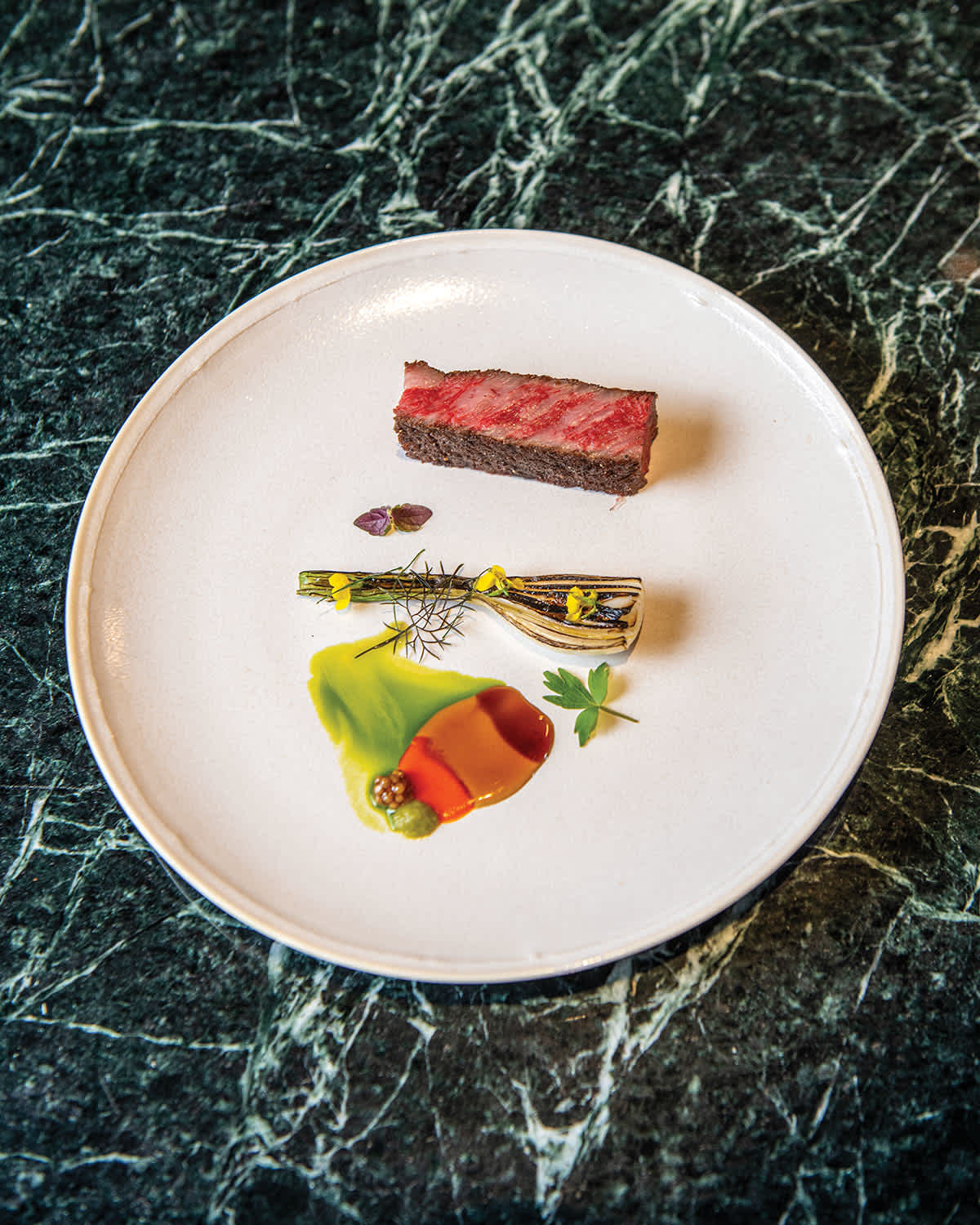
On Born and Bred Original’s intimate second floor, the tasting-menu experience takes diners from lean, mild cuts toward richly marbled ones from the highest grade of Hanwoo beef, each prepared on grills at the open-kitchen counter. “Hanwoo pairs exceptionally well with Korean sauces,” Min says, explaining how he calibrates soy, doenjang and gochujang to each cut’s fat content and aroma to create a well-balanced dish. Hanwoo’s beefier profile — unlike buttery-rich Wagyu — makes Min believe that K-BBQ can become its own global category. “Just as sushi represents a high-end branch of Japanese cuisine, Korean BBQ is evolving to be recognized as high-end Korean cuisine.” As Choi and I step back into the crisp night air, surrounded by dimmed storefronts in Majang-dong, she tells me she hopes hansik is more than a fleeting trend on the world stage. “Fashion passes,” she says. “I want hansik to become permanent.” After my week in Seoul, I can see how a cuisine once shaped by scarcity now permeates global pop culture not by chance, but because it’s inherently dynamic. Park spoke of hansik’s harmony with nature, time and human intention, while Cho shared how its future is in rediscovering Korea’s deeply flavorful past. Still, it’s the idea that hansik spans the past, present and future that continues to ferment in my mind.
In Korean culture, especially at the hansik table, how you eat is just as important as what you eat. Here are a few tips. Spoon and Chopsticks Only Use spoons for rice and soup, chopsticks for side dishes. Only use one type of tool at a time, setting one down before picking up the other. Place Cutlery on a Napkin Most Koreans will rest utensils, parallel to one another, on a napkin instead of directly on the table, for both cleanliness and convenience. Bowls Stay on the Table Bowl lifting is a no-no, so be sure you’re using your spoon for rice and soup. Two Hands Always Using both hands shows respect when accepting a bowl or drink, especially from an elder or someone in a senior position. ✦