At-home DNA tests, online access to public records and expert-led tours are stoking a heritage tourism boom.
At-home DNA tests, online access to public records and expert-led tours are stoking a heritage tourism boom.
By Dave Lank | November 25, 2025
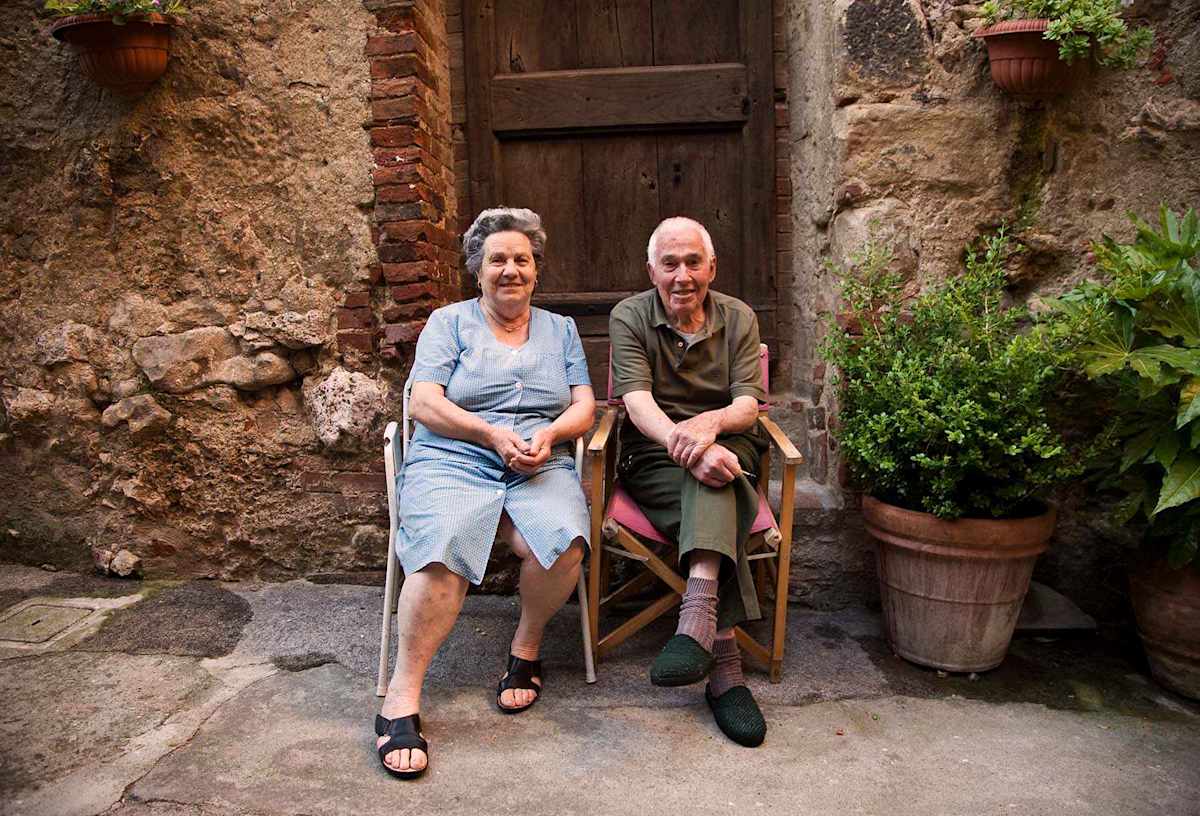
Maybe it arrived as a Christmas gift from a well-meaning sibling. Or you saw a pop-up ad and clicked. But when that DNA kit ended up in your hands, you probably didn’t expect it to turn into a plane ticket. More than 40 million people worldwide have taken DNA tests from companies like Ancestry and 23andMe, and many are converting results into trip plans — fueling a heritage-travel boom. A 2019 survey of Airbnb users found heritage travel had increased 500 percent since 2014. Governments and the travel industry have caught on. Ghana launched its “Year of Return” in 2019, Italy invested $20 million in a diaspora portal called Italea and Kenya introduced its “One Tourist, One Diaspora” initiative in 2024. Tour operators are now offering specialized heritage trips, some even in partnership with genealogy companies to create customized ancestral itineraries. For those making the journey, the most meaningful discoveries happen away from tourist maps — in rental cars on back roads, in conversations with elderly villagers and in moments when strangers turn out to be family.


Siobhan Byrne, founder and CEO of Dublin-based travel agency Adams & Butler, which specializes in cultural experiences across the U.K., Ireland and Africa, thinks heritage travel meets a basic human need. “It’s about identity and self-awareness,” she says. “People are asking, ‘Who am I?’ ‘Who do I belong to?’ ‘Who is like me?’ This quest to find out who you are and where you came from — it’s become a new kind of religion.” Byrne hears from clients who feel strangely at home in places they’ve never seen before. “It’s almost like déjà vu,” she says. She describes visitors tracing their Irish or Scottish heritage, surprised to find themselves knowing traditional dance steps or singing along to folk songs they’ve never heard before. “I actually believe memories live in our DNA — that we pull from previous generations,” she says.

Kensington Tours launched Personal Heritage Journeys in partnership with Ancestry in 2021, starting with a few experimental trips and growing to 21 custom heritage journeys by 2024. The partnership now offers itineraries covering everywhere from Ireland and Italy to Ghana and Japan, each trip built around the traveler’s family history. Before genetic testing and digitized historical records, tracing your ancestry meant relying on whatever had survived — faded photos, handwritten documents and passed-down stories. It meant crossing oceans to visit churches, cemeteries and city halls in search of paper trails. “Now, with DNA triangulation,” says Kimberly D’Aoust, destination lead for Kensington Tours, “we can get granular.” Technology allows people to go from saying “I’m Irish” to pinpointing exactly which village in County Cork their forebears called home. Kensington Tours’ process for these heritage trips kicks off months before anyone boards a plane. Professional genealogists dive into marriage, birth and death certificates, and sometimes scout locations in advance. Operators then build trips around those findings, even involving specialized ancestry guides who can navigate everything from local church records to family tombstones.
Plan the perfect family holiday.
Our Ensemble travel advisors will design a one-of-a-kind vacation - just for you.


For travelers, the greatest rewards often arrive when least expected. On one Kensington Tours trip in Puglia, Italy, a woman and her daughter hoped to find the church where her grandmother was married. Instead, their guide found living relatives. “One of their cousins threw them a party,” recalls D’Aoust. “They took them to their family’s olive orchard and set up a massive table adorned with olives, citrus and probably enough Aperol spritz to kill a horse. About 35 family members showed up.” Zbigniew “Ziggy” Pelczyk, a guide with Mazurkas Travel who specializes in Eastern Europe, recalls a recent trip he helped plan for three American relatives. Their grandmother had left Poland in 1908, entering the United States through New York’s Ellis Island and finally settling in Wisconsin. A local genealogist spent weeks preparing for their visit, even leaving his contact information at cemeteries containing graves with their family name, inviting connections to get in touch. The strategy worked. When distant relatives responded, he set up a meeting. The reunion was overwhelming, Pelczyk says, with people in tears, embracing relatives they’d just met for the first time.

“You need at least six months to plan a trip like this,” advises Byrne, and that’s after you have DNA results in hand. As you prepare, stay open to surprises. Your family might not be from where you expect. Names often changed when ancestors arrived in new countries, and family stories can shift over generations. Your ancestral village may now consist of two streets and a few cows in a field. Living relatives may no longer exist — or might not want to meet their long-lost kin. “What people tend to do is turn it into a kind of treasure hunt,” Byrne says. Wrong turns can lead to unexpected connections. She’s heard of people getting lost, knocking on doors and being invited to the pub to meet someone who knows the local history. Even when the hunt doesn’t lead where you expected, there’s something powerful about making the journey. As D’Aoust says, “It’s an opportunity to do something that our ancestors couldn’t: connect across generations, across seas and across lifetimes. That would’ve knocked their wool socks off.” ✦
Contact your Ensemble travel advisor to start planning your own roots tourism experience.
How Cruise Ships Are Making Accessibility a Priority: From one-on-one support to wheelchair-accessible balconies, cruise ships are delivering smooth sailing for travelers with disabilities. Why Swimming Is the Perfect Way to Dive Into a New Locale: Is swimming the ultimate introduction to a new place? Take the plunge and find out. How to Plan the Perfect European Vacation: From navigating the crowds to choosing transportation, here are our top tips for planning a European trip that’s low on stress and high on reward. Follow Range on Instagram, Facebook and Pinterest. Sign up for the Range newsletter to receive expert advice, award-winning stories and the latest travel trends in your inbox.