From MasterChef Australia finalist to this year’s World’s 50 Best Restaurants Champion of Change, Mindy Woods is shaping the future of Indigenous culinary tourism — one meal at a time.
From MasterChef Australia finalist to this year’s World’s 50 Best Restaurants Champion of Change, Mindy Woods is shaping the future of Indigenous culinary tourism — one meal at a time.
By Katie Sehl | September 30, 2025
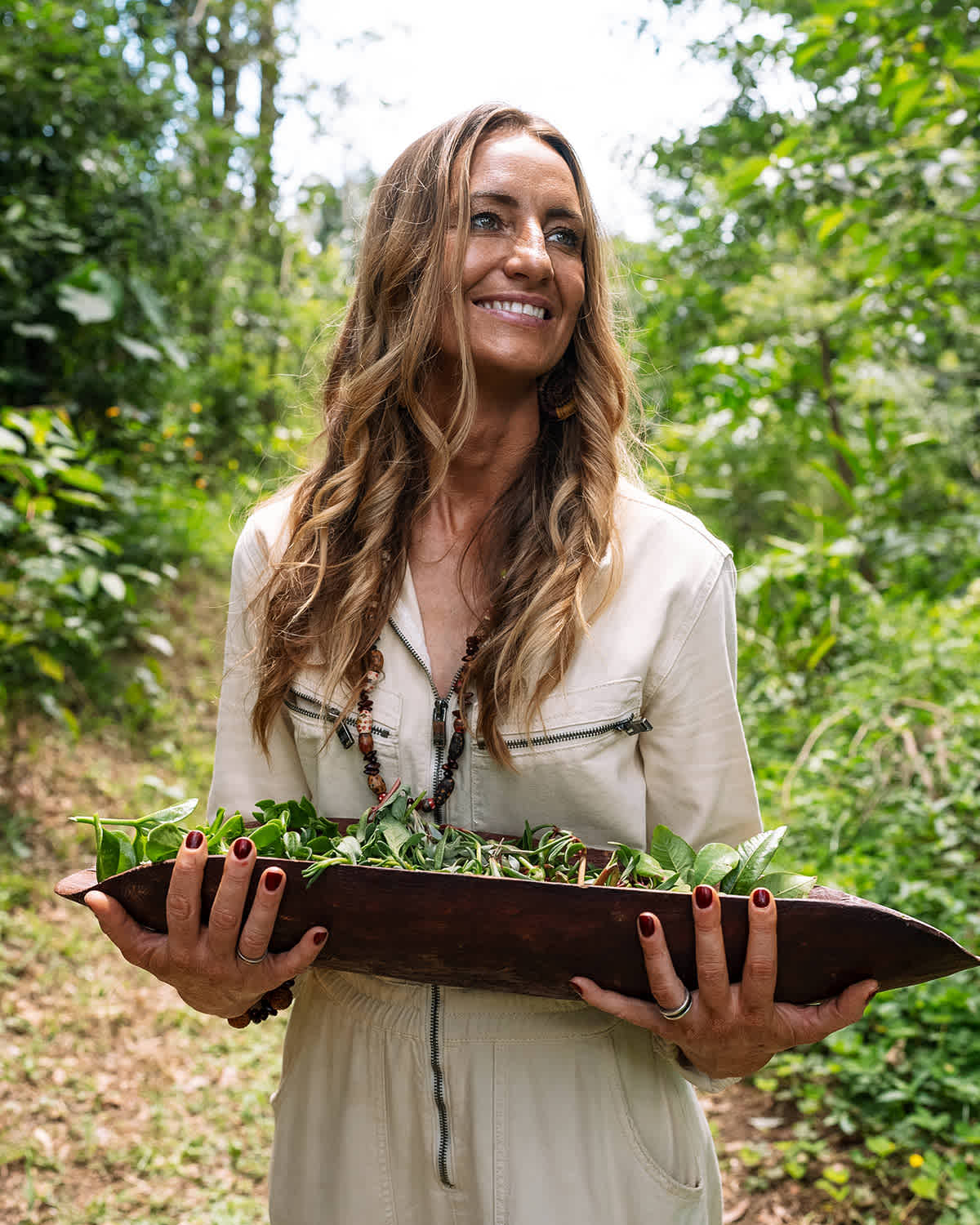
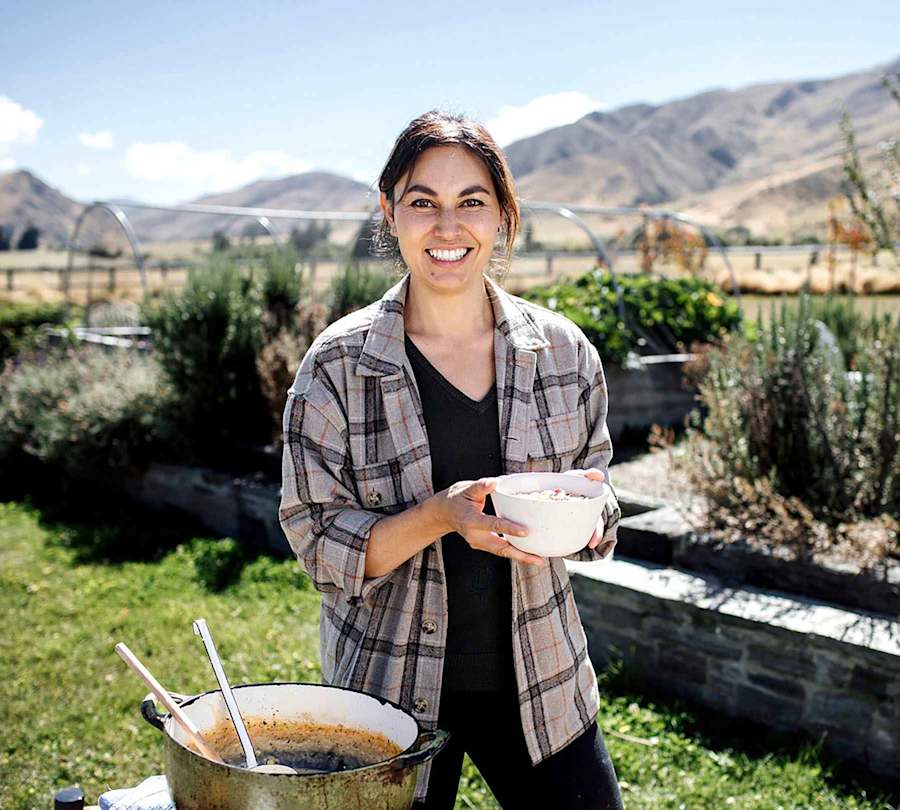
“Jingella, you mob! It’s Mindy Woods, your native food queen.” If you follow the sunny, spirited chef on Instagram, you already know what follows: something ancient, wild, delicious — and straight from Bundjalung Country, a land of six seasons that stretches from Australia’s east coast to the McPherson Range, between the Logan and Clarence rivers in northern New South Wales. “The region is famous for a trendy beach town called Byron Bay, but it’s not just a trendy beach town,” she says. “This is a place with cultural roots dating back 65,000 years.” For Woods, cultivating those roots is both a literal and ancestral calling. A proud member of the Widjabul Wia-bal clan and the first queer Indigenous woman on MasterChef Australia, the Bundjalung chef need only step out the front door of her beach house to harvest the finger limes (gulalung), lemon myrtle (dalagan), wattleseed (minga) and other bush foods that turn up in recipes like kangaroo massaman curry pot pie or dal with native tarka. She named her first restaurant Karkalla after the humble coastal succulent her nan once used to soothe sunburns. With her latest venture, an immersive culinary and cultural experience called Karkalla on Country, she invites guests deeper into the Bundjalung story. Range: How does your Bundjalung culture shape your identity and purpose? Mindy Woods: As a First Nations woman, my ancestry is interconnected with my identity. We are a matrilineal people, so we take our lineage from our mothers and grandmothers. We don’t own country: We belong to her like we belong to a mother. She looks after us and feeds us, and it’s our duty and responsibility to take care of her. Food is such a powerful and important part of that. We’re not just the oldest living civilization, we’re the oldest food culture in the world. We hold the history and knowledge of the oldest baking anywhere on the planet. It’s a story that’s largely untold, even in Australia. A lot of people don’t understand that Australian cuisine is not just meat pies, sausage rolls and barbecues on the weekend. Things like wattleseed, kangaroo grass and saltwater seafood, these are our original foods. I’m really passionate about sharing this knowledge handed down from my grandmother, my aunties, my mother. It’s not just an important part of our past, it’s essential for our future in terms of cultural identity, sustainability, food security, health and nutrition.
Plan your culinary adventure.
Our Ensemble travel advisors will design a one-of-a-kind vacation - just for you.
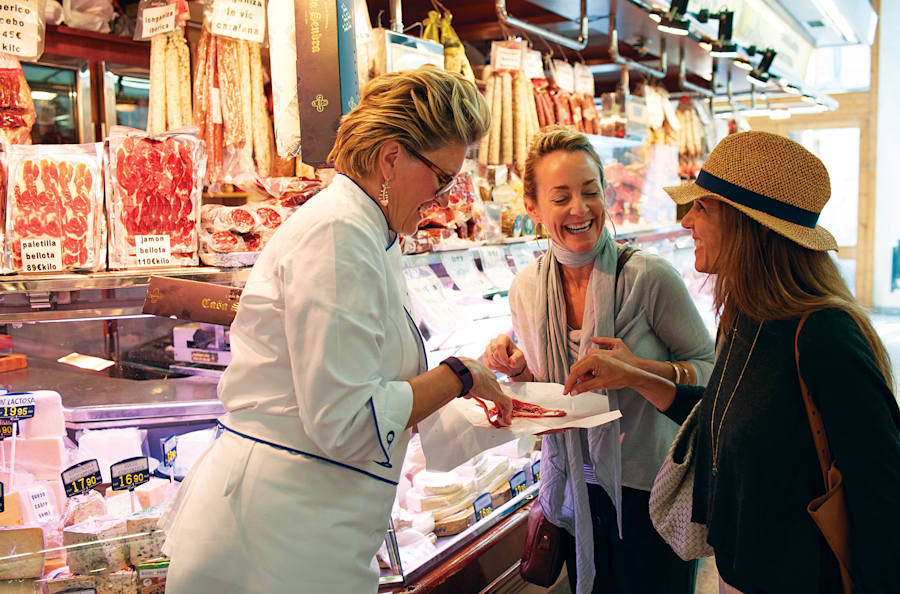
R: What sparked the shift from your restaurant to Karkalla on Country? MW: I realized I needed to go beyond a brick-and-mortar business, because my culture doesn’t exist within four walls. It lives and breathes on country. Karkalla on Country gives people an opportunity to walk through a native food forest — to be able to smell, taste and feel the native foods that grow here. I take the ingredients that guests learn about and we create an incredible dining experience. I call it ancient food, but modern cuisine. My clan and elders come along and we talk through art, song, language and food. It’s complete cultural immersion. R: When you travel, how do you get to know a place through its food? MW: Food and travel are just inseparable for me. I go to eat. The first place I visit is always a local market. I like to get a sense of the food, the people and their reverence and respect for local seasonal ingredients. I’m very open-spirited and open-minded about cuisine, because we can often be clouded by perceptions of what we think we know, and there is so much diversity within food cultures. R: With demand rising for First Nations experiences in Australia, how should the tourism industry evolve? MW: It's important that the market be Indigenous led. A lot of people don't realize the uniqueness of our 250 Aboriginal nations. Many, including Australians, have the perception that First Nations people in the country are one homogeneous group — but of course we’re not. Across the continent, we are as rich and diverse as all the countries that form the European Union. So it's important to make sure that each individual tribal group has representation. Our elders say when you come into a new place, you should be quiet and open your eyes, ears and spirit to learning from the first peoples, because they’re the true custodians of that place. An important part of traveling is making sure that we’re not bringing in our own preconceived ideas and stereotypes, and instead we’re opening our hearts to experiencing a place through its people. R: How can tourists be better guests when engaging with living traditions and sacred spaces? MW: Travel with an open heart and spirit. Be curious, but also be a conscious traveler. Try to leave any preconceived notions or stereotypes that you may have developed at home — don’t pack them in your suitcase. Walk gently and make sure you’re mindful of where you place your feet: You should leave only footprints and nothing else behind. R: Beyond Karkalla on Country, are there other meaningful ways to connect with the land and culture when visiting Byron Bay? MW: Put your bare feet on country and get the sand between your toes. It’s essential to understanding the gravity of the ancient knowledge that exists in this place we now call Australia. When you step out onto Clarkes Beach, you can see three sites of high cultural significance to Aboriginal people of Bundjalung Country. You can see Wollumbin, the highest mountain peak in the area, which we now call Mount Warning. It’s an immense ceremonial area and initiation site. When you look out to the coastline, you can see Julian Rocks, now renamed Nguthungulli, which is the resting place of our creator, the grandfather. Where the lighthouse now stands, that’s Cape Byron, which we call Walgun, or “shoulder.” It’s the most easterly point of the continent, where we have our first contact with sunlight. R: What’s a good next step for people who want to explore this history off the tourist trail? MW: I would also encourage everyone to go on an Explore Byron Bay tour. It’s run by one of our traditional owners, our elder Aunty Delta Kay. She will show you the rich ancient history that exists here, including shell middens, where our ancestors were eating more than 20,000 years ago. You’ll be able to eat, smell and taste the beautiful Bundjalung food, learn some lingo and have a cup of bush tucker morning tea with Aunty Delta. It’s an absolutely essential experience. R: How can travel help us connect more deeply — not just with place, but with each other? MW: Travel is all about the experience. I think we all have it in our DNA to walk across this world, paddle across the oceans, and now, fly through the skies. It’s part of our DNA as human beings to travel, and it’s an essential way to realize that we are all part of the global family. Despite the divisions we see happening in a very challenging world, we are all in it together. When we walk together, we realize that we have more in common than we do differences. R: Has your recognition as a Champion of Change by World’s 50 Best Restaurants opened up any new projects or partnerships you can share? MW: The beautiful thing about traveling to Turin for the World's 50 Best Restaurants ceremony was that I became connected with a network of global chefs. I can’t mention too much now, but keep an eye out for Top 50 chefs coming to cook with me on Bundjalung Country. I think it’s a really important part of reconciliation — as a country and as a global food family — to walk forward together, united through food. It’s really powerful to be able to do that.
One item you never travel without “This may sound crazy, but it’s my chef’s knife. It was given to me by one of my chefs as a gift with “karkalla” inscribed on it. I love to cook when I travel. After hitting those farmers markets, the first thing I want to do is cut, cook and eat beautiful fruit. It’s a well-traveled knife. It’s been all through Europe, Asia and down to New Zealand. I take it everywhere with me.” A place that is still on your bucket list “Greece. I look at the beautiful clean waters, the food culture, the food history and the connection through community, and I would absolutely love to go.” Most treasured souvenir “A beautiful, hand-carved coolamon from my travels in central desert country. It’s a traditional serving vessel that First Nations women would use to gather and harvest food. It was also used as a crib for their little jahdjams, their babies. I take it everywhere with me. I love to serve people from it.” Most unexpected place discovered while traveling “I think I left a piece of my heart in Oaxaca. I was traveling to another destination and happened to go through. It was so captivating, I ended up stopping and staying. The food, the people, the colors of that community: I left completely inspired and in love with Mexican cuisine.” Most memorable travel mishap “I have left my passport in hotels many times. On a road trip in Italy, I didn’t realize for two days that I’d left it back in the locker. It was absolutely diabolical at the time. I always get so excited about where I’m going next, I forget to look after what I’m doing in the moment.” Best way to be a better traveler Get off the beaten track — forget the tourist traps. They’re fun and exciting, but they’re not going to give you a true expression or experience of the place you’re visiting. Try to see a place through a rich cultural lens. Meet locals, eat with locals, hear their stories and connect with them. ✦
11 Immersive Ways to Experience Caribbean Culture: Craft, farm and cook your way to the heart of cultural traditions — and pick up a few skills to take home with you. 9 New and Notable UNESCO Global Geoparks to Visit in 2025: Add these stunning parks to your travel wish list. Lanzarote, an Island Shaped by Wind, Fire and Art: While the artist and activist César Manrique is less known off the island, his legacy stretches far beyond its shores. Follow Range on Instagram, Facebook and Pinterest. Sign up for the Range newsletter to receive expert advice, award-winning stories and the latest travel trends in your inbox.