Add these stunning new UNESCO Global Geoparks to your travel wish list.
9 New and Notable UNESCO Global Geoparks to Visit in 2025
By Renée Morrison and Katie Sehl | May 28, 2025
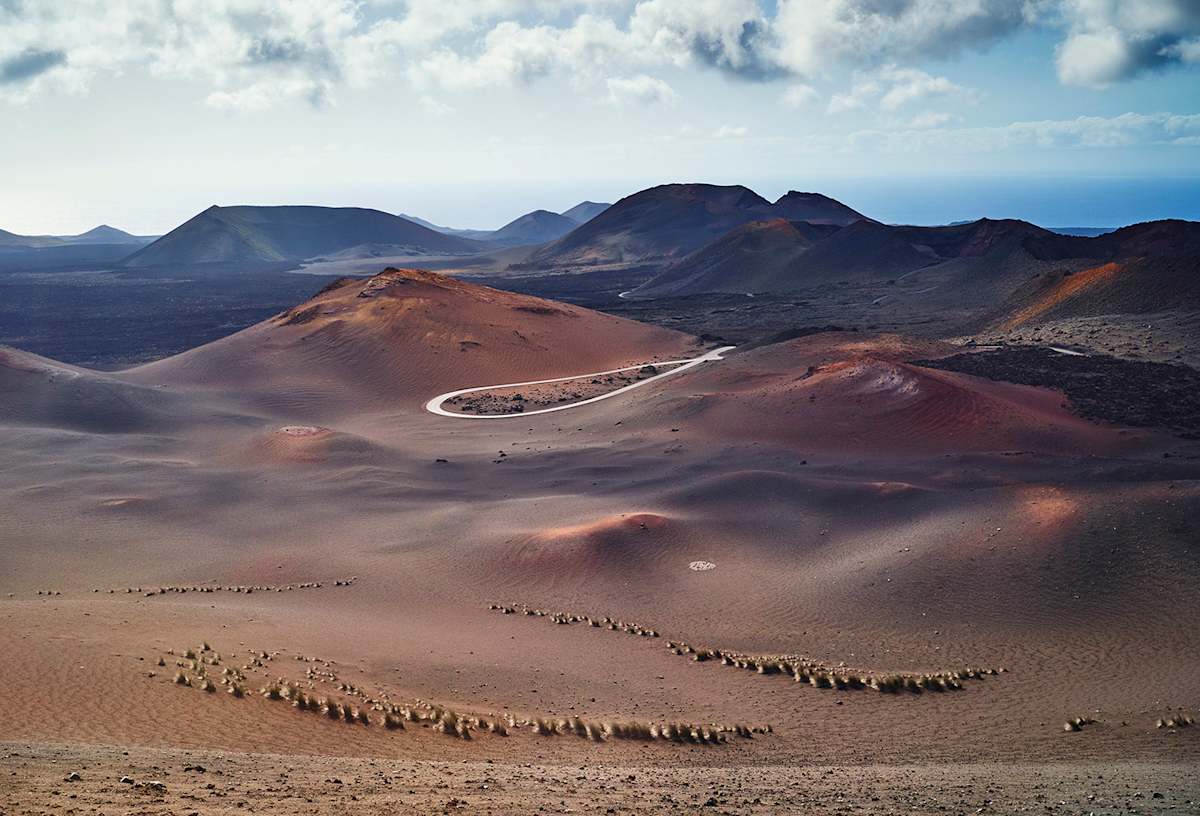
Timanfaya National Park in Lanzarote, Canary Islands, Spain, holds triple distinction as a national park, UNESCO World Biosphere Reserve and UNESCO Global Geopark.
Gary Yeowell/Getty Images
UNESCO Global Geoparks are far more than impressive landscapes — they’re places where nature, culture and conservation converge. To earn this prestigious designation, each site must not only demonstrate geological significance but also commit to sustainable development and meaningful community engagement. In April 2025, 16 new geoparks were added to the global network, which now spans 229 sites across 50 countries — and marks its 10th anniversary this year. From soaring stone pinnacles crowned with centuries-old monasteries to volcanic islands and glacier-carved ridges, here are nine new and notable geoparks to spark your next adventure.
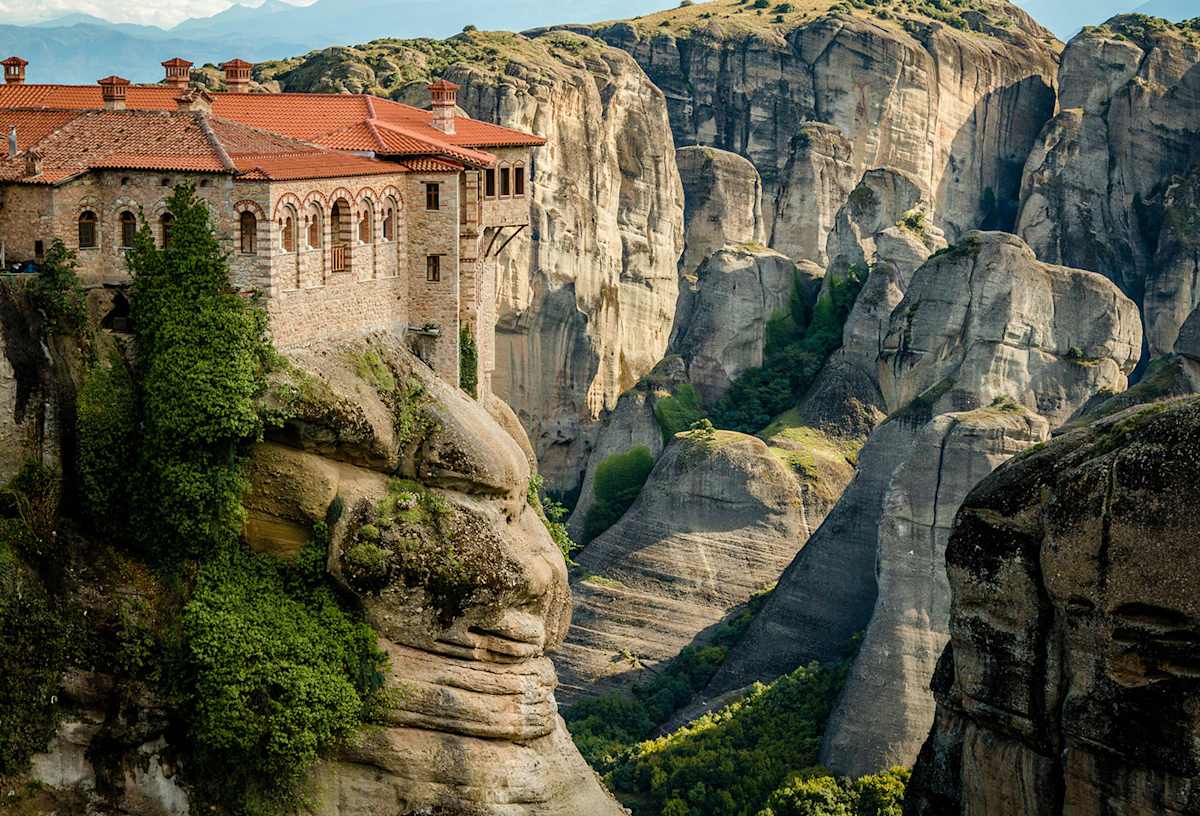
Meteora Geopark’s iconic sandstone pillars, shaped by millions of years of weathering, support several Byzantine-era monasteries.
Sorin Cicos/Unsplash
Greece
Meteora–Pyli UNESCO Global Geopark Designated in 2024, the Meteora–Pyli Geopark in western Thessaly is instantly familiar to James Bond fans as the villain’s lair in the 1981 film For Your Eyes Only. Towering nearly 1,000 feet high, these dramatic sandstone pillars once served as a refuge for Byzantine monks, whose Eastern Orthodox monastery complex is now considered one of the most significant in the world. The surrounding region is just as remarkable, with trails that weave through the foothills of the Pindos Mountains and the Portaikos River, leading to caves, fossil beds and terracotta-roofed mountain villages.
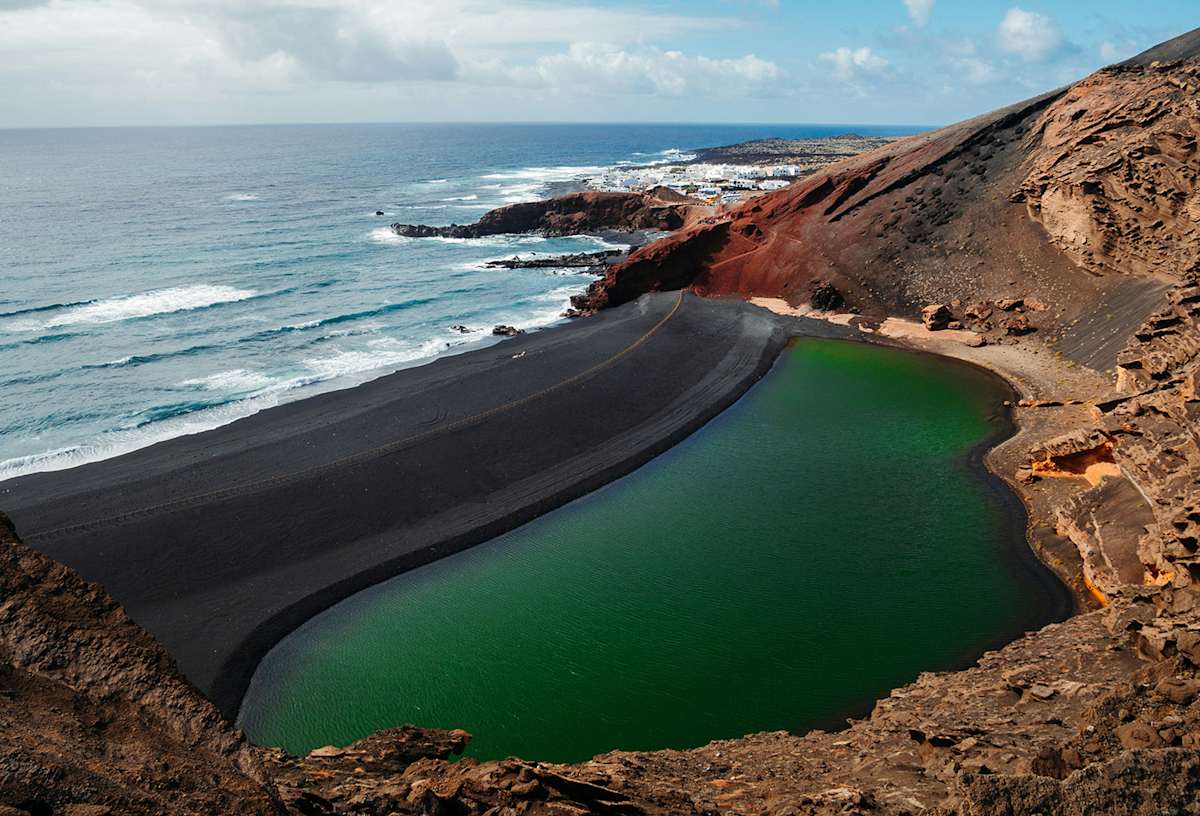
In addition to its UNESCO Geopark status, Lanzarote is also the first place to receive the Biosphere Responsible Tourism certification.
JP Files/Unsplash
Spain
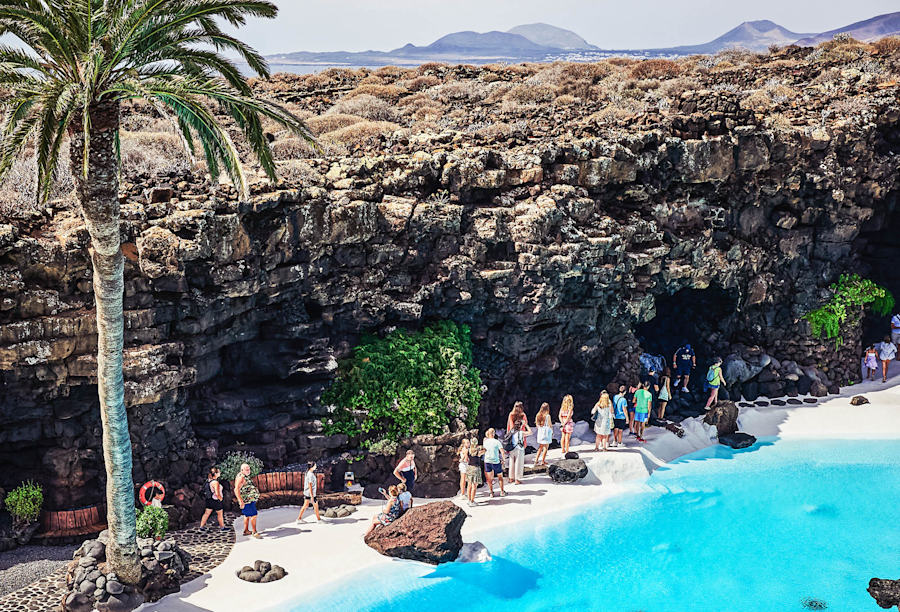
Lanzarote and Chinijo Islands UNESCO Global Geopark Covering the easternmost of Spain’s Canary Islands, the Lanzarote and Chinijo Islands Geopark reveals the dramatic power of volcanic activity, both above and below sea level. From lunar-like lava fields to the geysers and craters of Timanfaya National Park, the landscape serves as a living exhibit of plate tectonics. The geopark includes more than 60 officially recognized geosites, locations noted for their geological significance. Among them is the Túnel de la Atlántida, the world’s longest known submarine lava tube, stretching about one mile underwater. While the submerged section is inaccessible, visitors can explore the dry portions of the system and discover how islanders have adapted to the arid environment by cultivating crops in volcanic ash, or lapilli.
Plan your ultimate adventure.
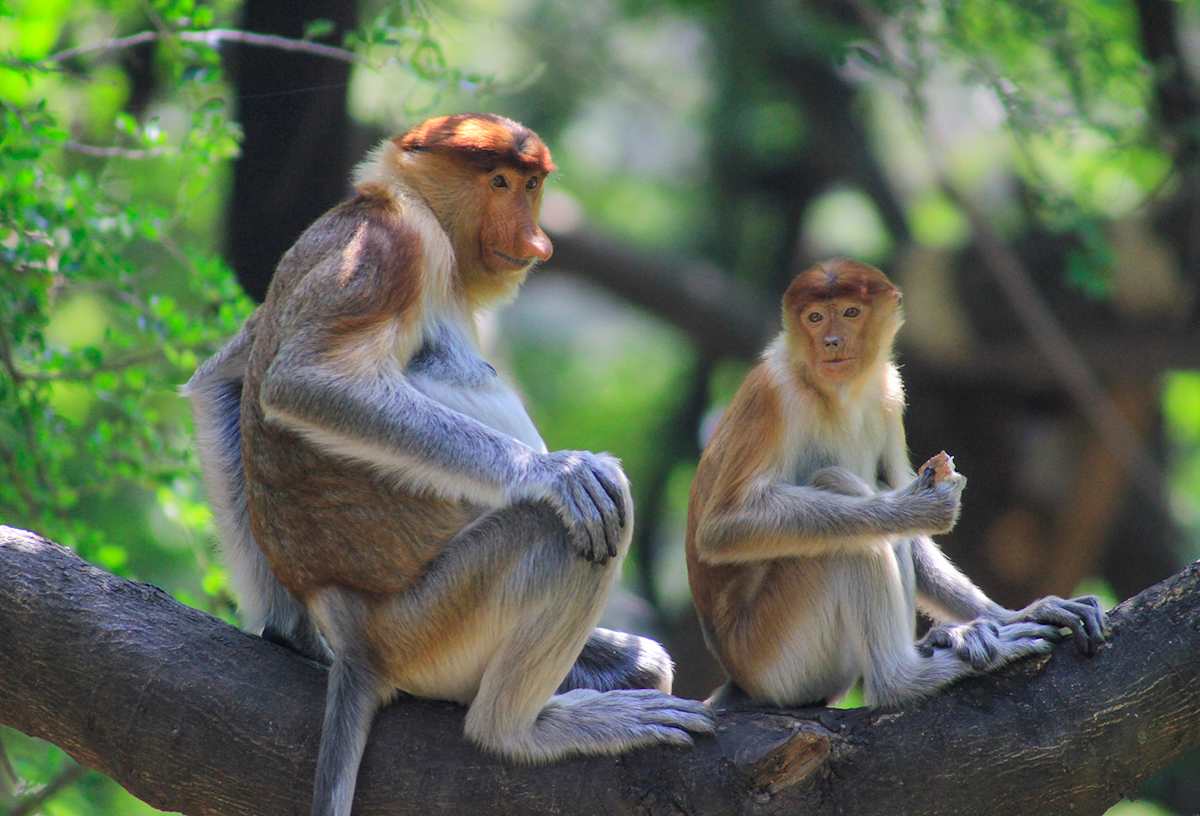
Proboscis monkeys in Meratus UNESCO Global Geopark, Indonesia.
Meratus Geopark Management Board/Indonesia Proboscis Monkey Friends Foundation
Indonesia
Meratus UNESCO Global Geopark Tucked into the emerald highlands of South Kalimantan, Indonesia’s Meratus Geopark blends rare biodiversity with vibrant Indigenous culture. Its rugged ridges hold one of Southeast Asia’s oldest ophiolite sequences — ancient oceanic crust pushed above sea level. The surrounding rainforest teems with life, from endemic species like the long-nosed proboscis monkey and exotic jungle fowl such as kukulai owls and buburak birds. Beyond the wildlife, the Dayak Meratus people graciously share their heritage through traditional dance and music, including the kurung-kurung, a bamboo percussion instrument. At sunrise, glide by canoe through the bustling Lok Baintan Floating Market, where traders swap produce, snacks and stories along the Martapura River.
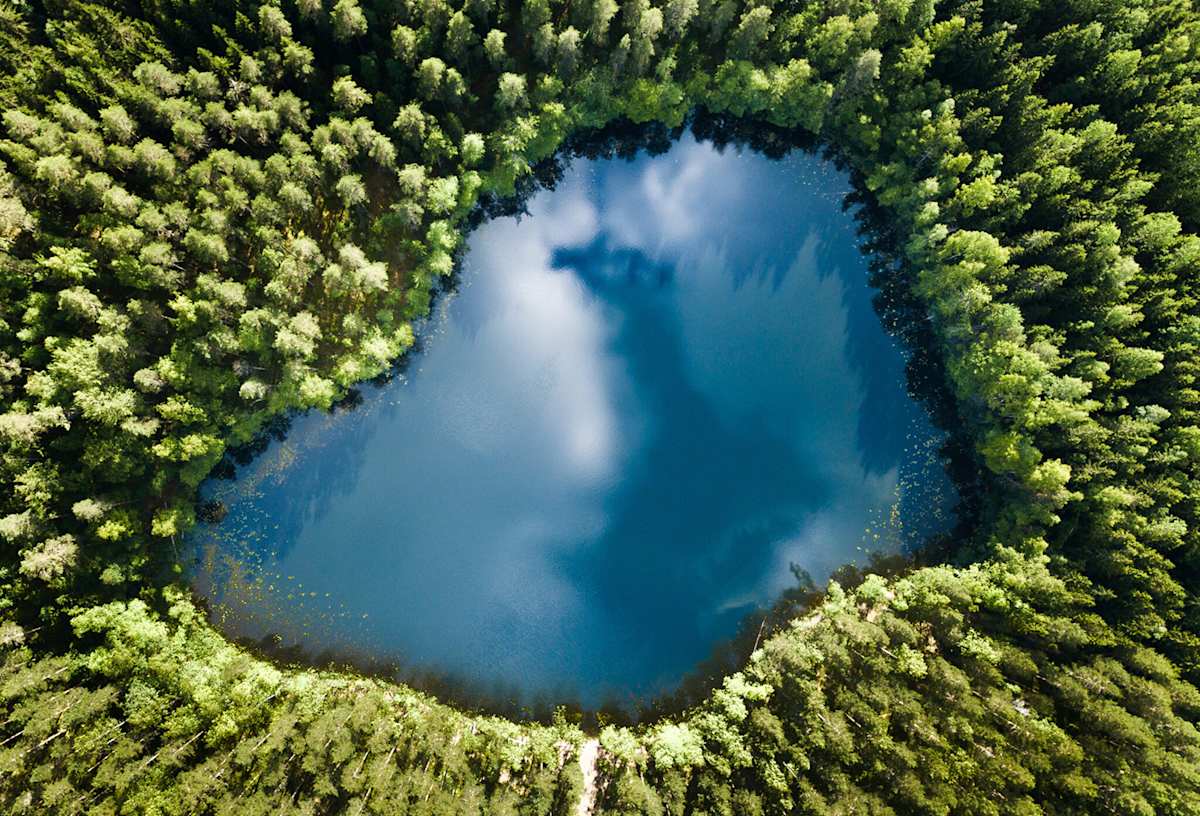
A kettle pond in Päijänne National Park, Salpausselkä UNESCO Global Geopark, Finland.
Johannes Sipponen/Salpausselkä Geopark
Finland
Salpausselkä UNESCO Global Geopark Formed at the end of the last Ice Age, the Salpausselkä Geopark in southern Finland stretches across a landscape shaped by glacial meltwater more than 10,000 years ago. The geopark is defined by massive ridges and kettle lakes — deep, round basins formed as ice blocks melted. The First and Second Salpausselkä ridges act as natural dams for Finnish Lakeland, which includes Lake Päijänne, the country’s second largest. Outdoor enthusiasts can hike, bike or ski along the dramatic ridgelines or paddle through esker islands like Kelvenne — long, narrow glacial landforms made of sand and gravel. For a cultural detour, visit the Lahti Museum of Visual Arts Malva or explore the historic Hollola Church Village, home to one of Finland’s best-preserved medieval stone churches.
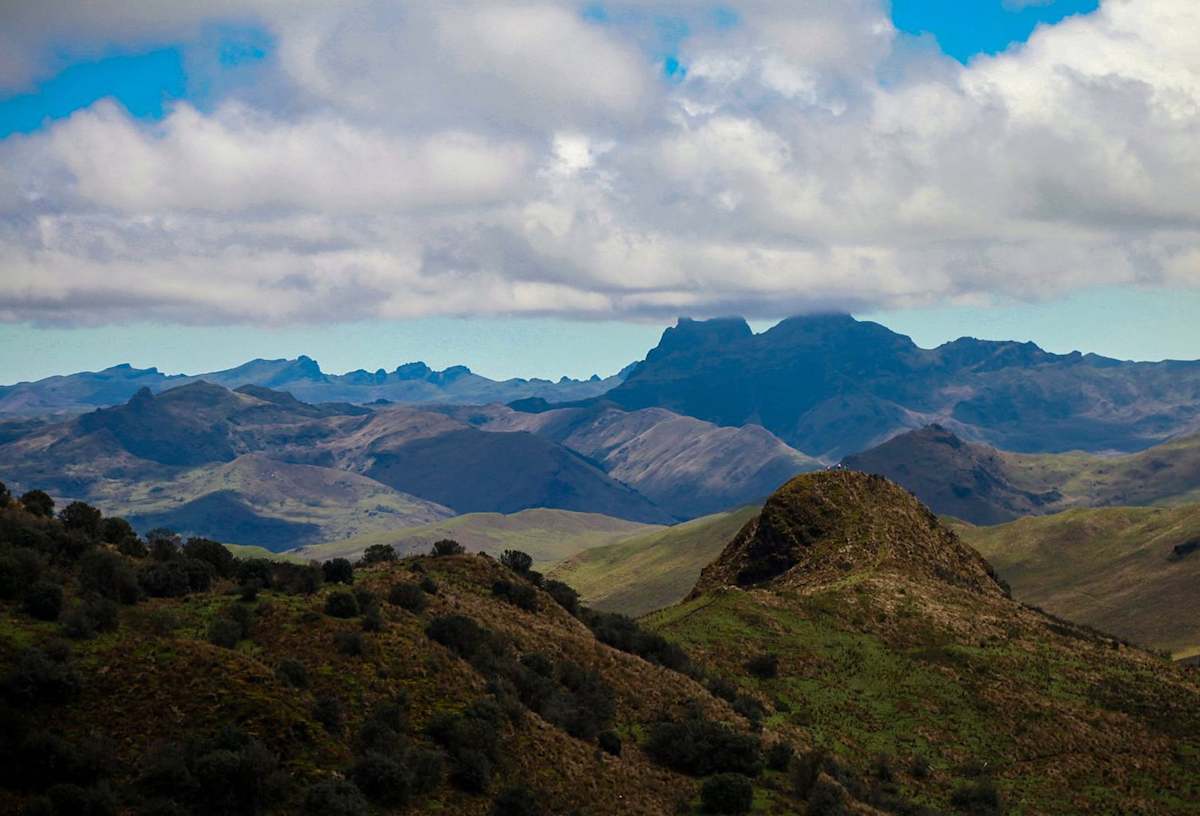
Tungurahua in Ecuador.
William Tibán/Geoparque Volcán Tungurahua
Ecuador
Tungurahua Volcano UNESCO Global Geopark Nestled in Ecuador’s central Andes, the Tungurahua Volcano Geopark is a living tapestry of nature’s power and human resilience. The region is dominated by the closely monitored 16,480-foot-high Tungurahua (which means “Throat of Fire” in Quichua) — a stratovolcano that has shaped the landscape through thousands of years of eruptions. Base yourself in the spa town of Baños de Agua Santa to soak in geothermal hot springs, hike scenic routes like the Ruta de las Cascadas, or ride the famous “swing at the end of the world” at La Casa del Árbol for panoramic views of the valley.
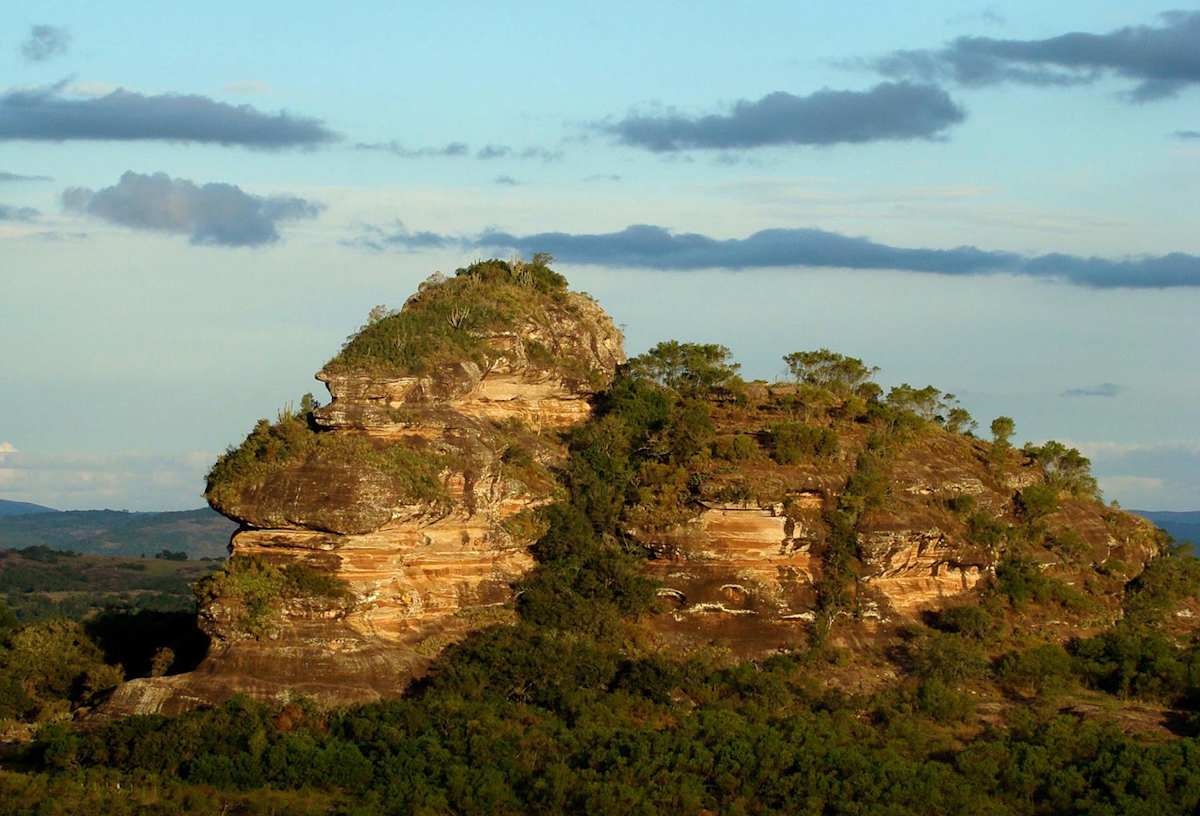
Caçapava do Sul in Brazil.
Tatiane Noviski Fornel/Getty Images
Brazil
Caçapava UNESCO Global Geopark In the southern state of Rio Grande do Sul, Caçapava do Sul sits atop some of the oldest exposed rock formations in South America — ancient granite domes and mineral-rich soils shaped more than 600 million years ago. This newly designated geopark is deeply rooted in gaucho traditions and gemstone mining, particularly of amethyst and agate, which have long influenced the region’s cultural identity. Here, you can hike to the summit of Cerro do Jarau, a prominent geological feature linked to Indigenous legends, or search for rare native orchids hidden among the rocky terrain.
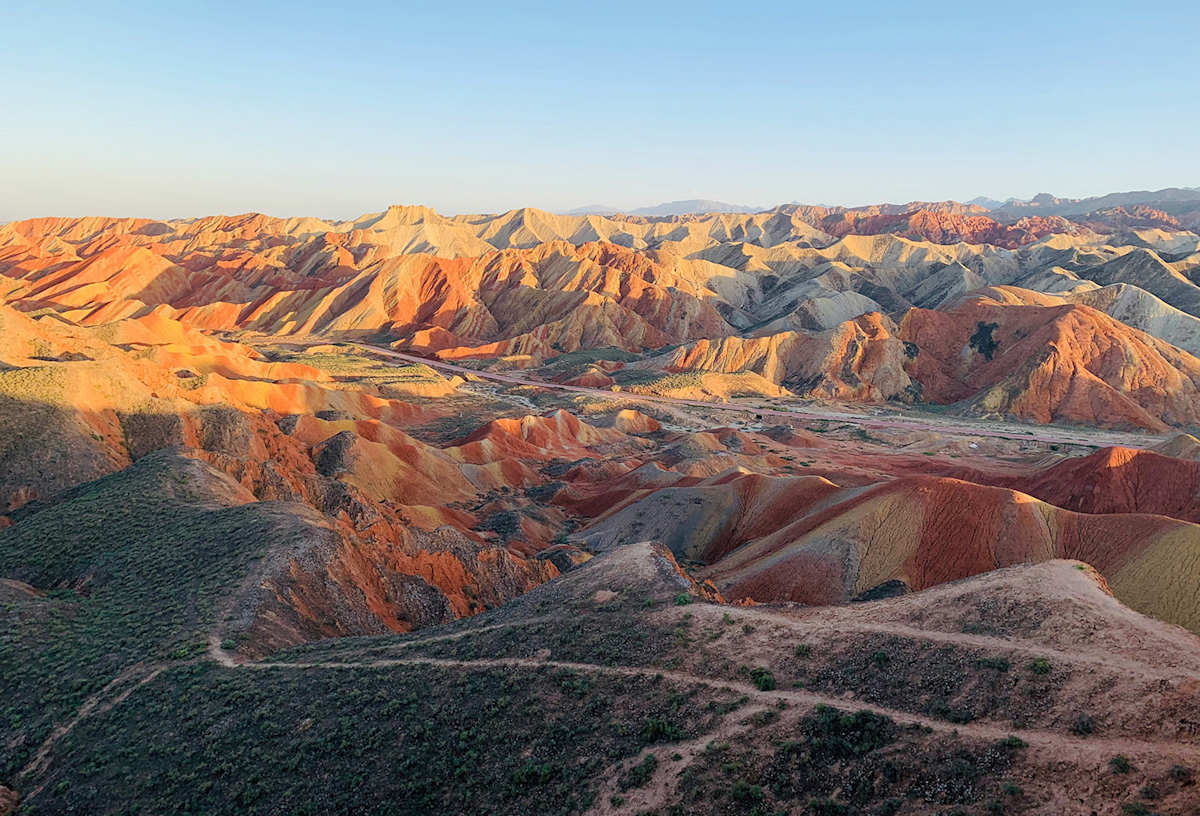
The Rainbow Mountains of Zhangye National Geopark in Gansu Province, China, display striking bands of color formed over 24 million years.
Evenson Calder/Unsplash
China
Zhangye UNESCO Global Geopark Nicknamed the “Rainbow Mountains” for its kaleidoscopic slopes, Zhangye Geopark is so otherworldly that one of the top questions Googled about the site is, “Is it real?” Indeed, the protected park is a place where Instagram filters pale in comparison to reality: a rolling 124 square mile landscape streaked with terracotta, pink, yellow and white mineral bands. A hop-on, hop-off tourist bus takes visitors to five observation points, where wooden stairs and walkways guide them through the trippy topography.
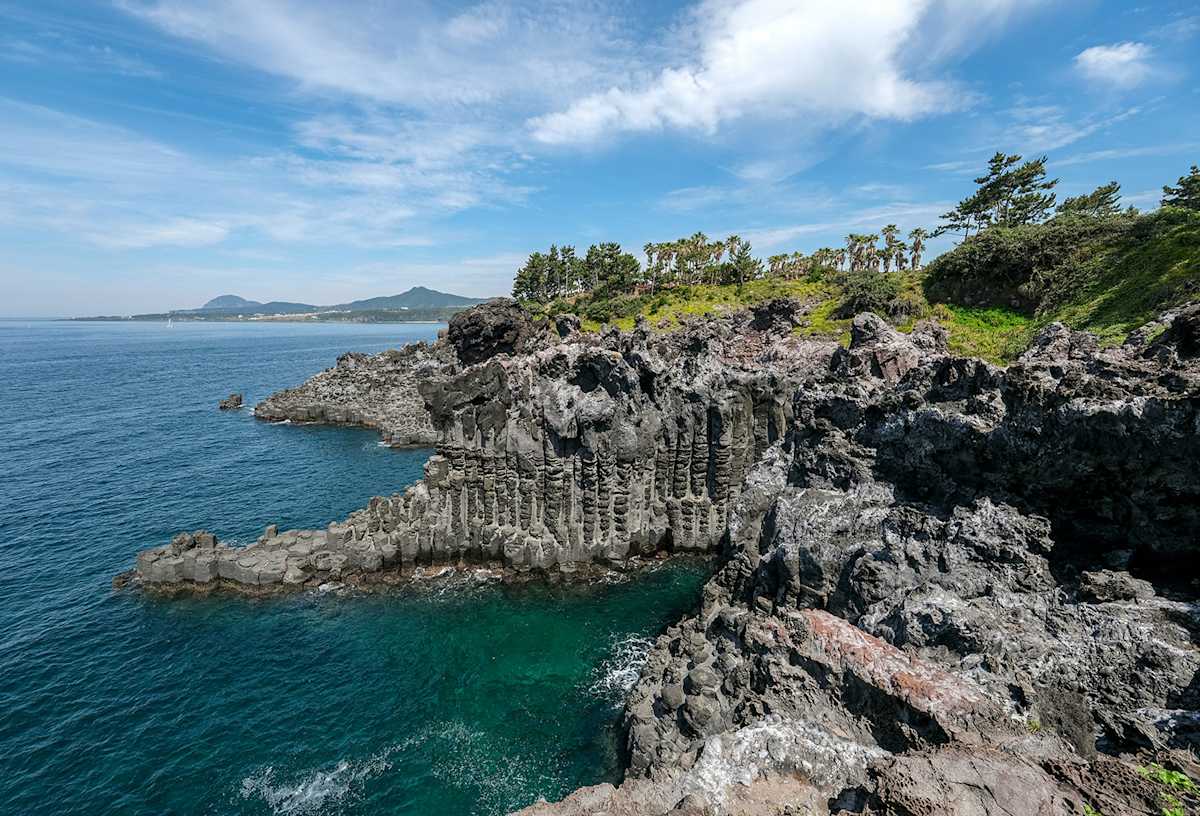
The Jusangjeoli Rocks at Jeju Island, South Korea.
Lightscape/Unsplash
South Korea
Jeju Island UNESCO Global Geopark Follow any trail on Jeju, South Korea’s walkable isle, and you’re in designated geopark territory. All of Jeju retains UNESCO Global Geopark status, along with Biosphere Reserve and World Natural Heritage designations — making the island UNESCO’s first “triple crown” holder in the world. The island, produced by volcanic activity some two million years ago, is home to numerous geological wonders, from the carved-like columns of the Daepo Jusangjeolli Cliff on the southern coast to the underground Manjanggul Lave Tube system — replete with lava shelves, stalagmites and stalactites — in the north.
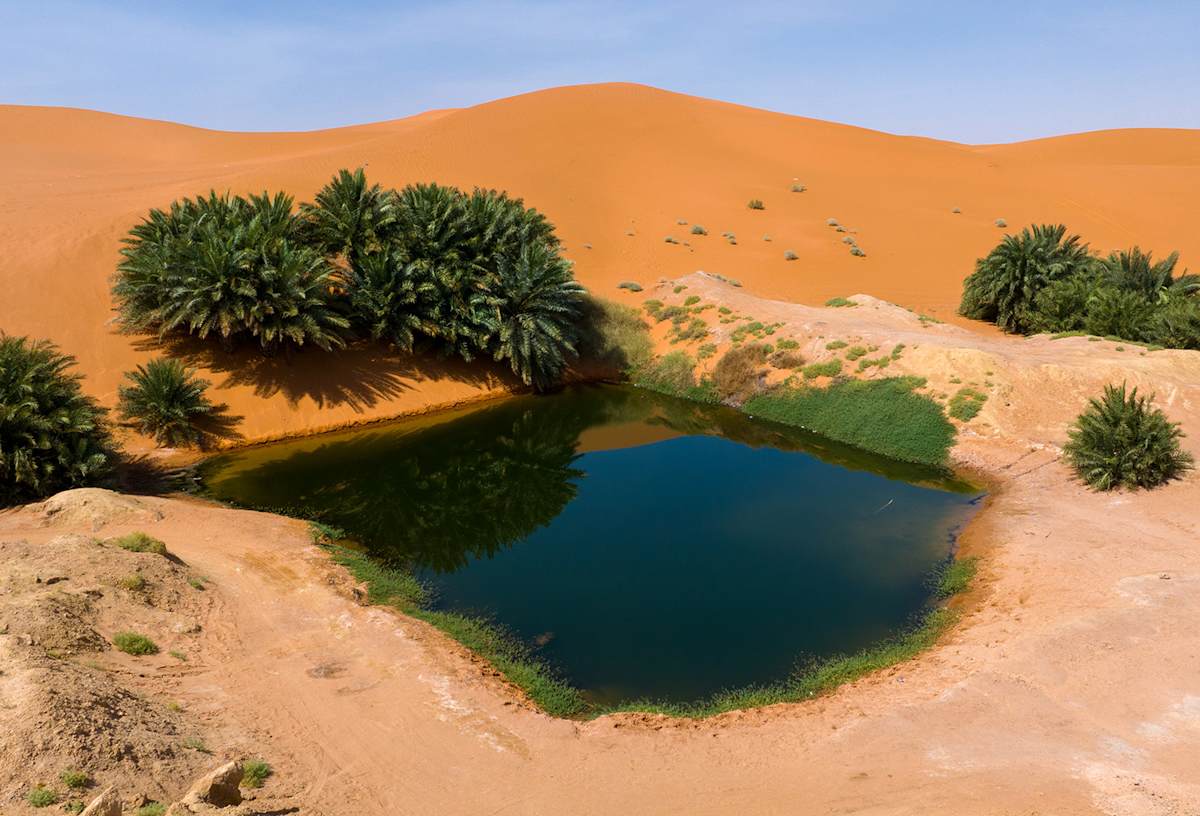
North Riyadh UNESCO Global Geopark, Saudi Arabia.
Abduleilah Alrawdhan/National Center for Vegetation Cover & Combating Desertification
Saudi Arabia
North Riyadh UNESCO Global Geopark North Riyadh Geopark is one of two sites in Saudi Arabia, along with Salma UNESCO Global Geopark, to receive the designation this year. Located in the Tuwaiq Mountain range escarpment that cuts through central Arabia, the desert site is home to dramatic geological wonders: the Edge of the World cliffs, which loom 1,000 feet over an ancient ocean bed; the Abu Shaddad Cave; and the Obaitharan Valley, an oasis that supplies much of the region’s water. Villages within and near the park, including Thadiq and Ghamra, support local tourism with activities like hiking, stargazing, bonfires and folklore performances. ✦
Explore More
Lanzarote’s Force of Nature: From volcanic rock houses to otherworldly cactus gardens, the works of Spanish artist and activist César Manrique are deeply embedded in the landscape of his home island. 7 Natural Wonders You Can Do in a Day: From exploring Norway’s famous fjords to chasing waterfalls in Croatia, here’s how to amp up a stay in port. Why an Arctic Cruise Should Be on Your Bucket List: Icebergs, polar bears, the Northern Lights and many more reasons to embark on a polar expedition. Follow Range on Instagram, Facebook and Pinterest. Sign up for the Range newsletter to receive expert advice, award-winning stories and the latest travel trends in your inbox.