From choosing the right gear to knowing how to prepare for the elements, learn how to take better photos on your next adventure with this simple guide.
8 Wildlife Photography Tips from National Geographic Photographer Michael George
By Renée Morrison | June 12, 2025
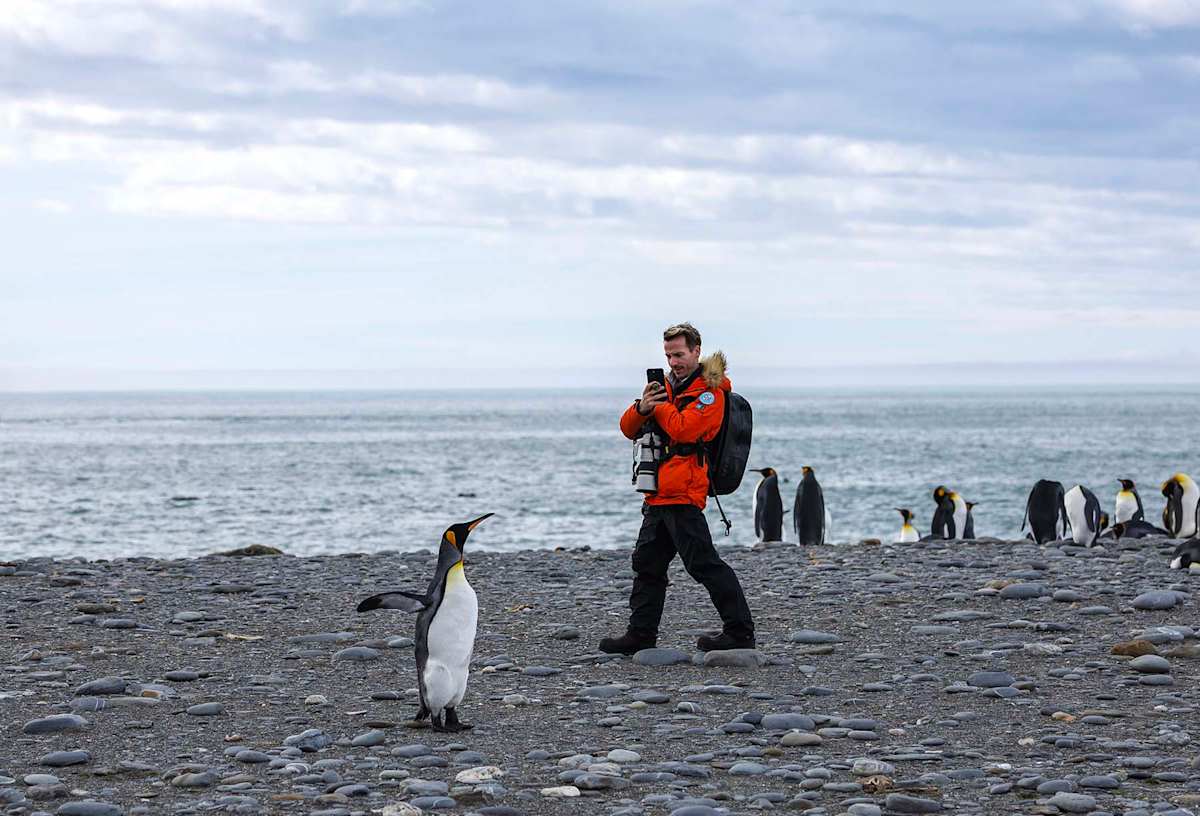
National Geographic photographer Michael George embarked on a 12-day voyage to Antarctica with Lindblad Expeditions.
Michael George
New York-based photographer Michael George has traveled the world documenting animals in their natural habitats, from squabbling penguins in Antarctica to humpback whales breaching off the coast of Bermuda. Naturally, he’s learned a thing or two about turning wildlife encounters into lasting images. Looking to elevate your own travel shots? This seasoned National Geographic photographer shares eight practical wildlife photography tips for aspiring nature shutterbugs.
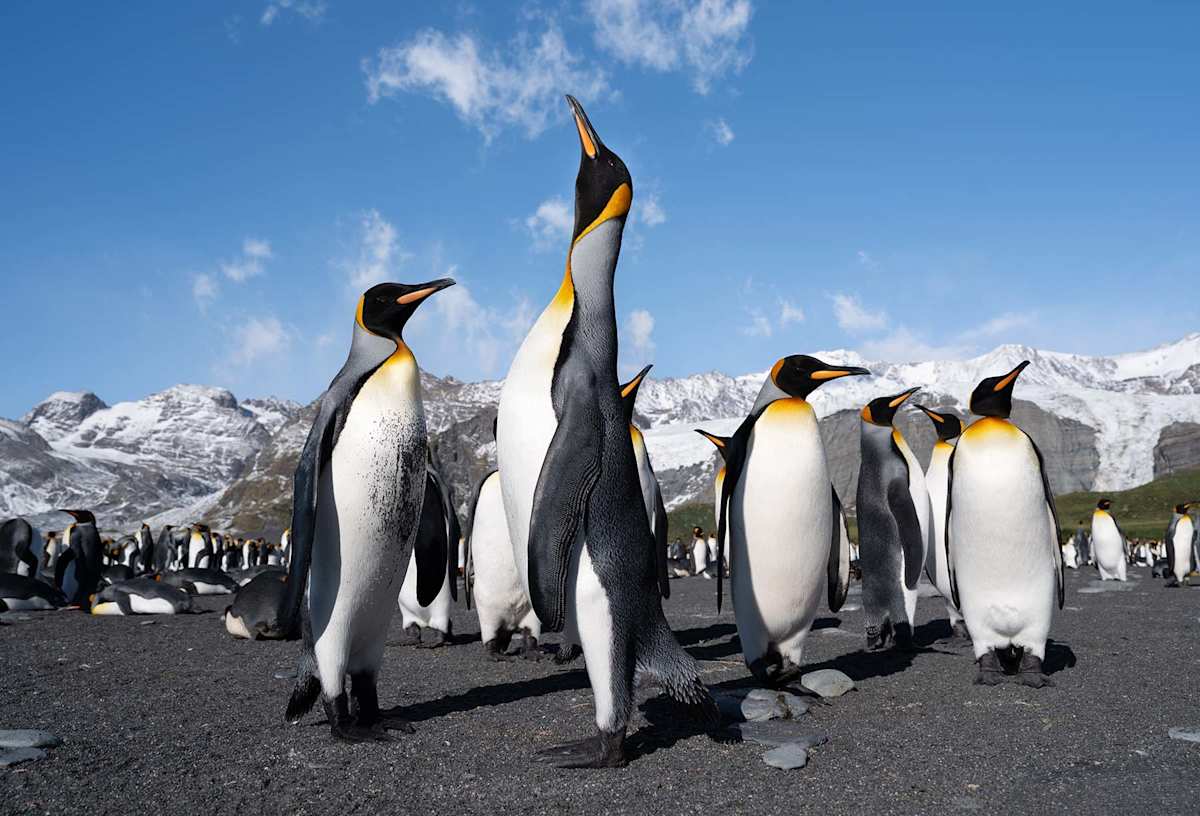
In Antarctica, George captured breathtaking images of various animals — king penguins among them.
Michael George
1. Get the Gear
While the phrase “it’s the photographer, not the camera” may hold up in many scenarios, wildlife photography is an exception. “With wildlife, the equipment does matter,” says George. “If you’re expecting to get great photos with an iPhone, you’re probably going to be disappointed — you really do need a telephoto lens.” For those not ready to invest in professional gear, he suggests Moment add-on lenses for smartphones, which can help with zoom and clarity. “They’re small enough that you can pop them in your jacket pocket,” George adds. They won’t match DSLR quality, but they offer a discernible upgrade.
2. Embrace the Wait
With nature photography, patience isn’t a virtue — it’s essential. “Animals are actually really boring,” George admits. “Especially big cats — they spend 80 percent of the day sleeping or eating.” Great shots rarely ever happen the moment you arrive, and the most striking images often come after hours of waiting for the right light, movement or interaction. “I actually find it fun,” he says. “You start to make a connection with the animal, and once you know what to look for and how it moves, you can anticipate those special moments.”
Plan your dream trip.
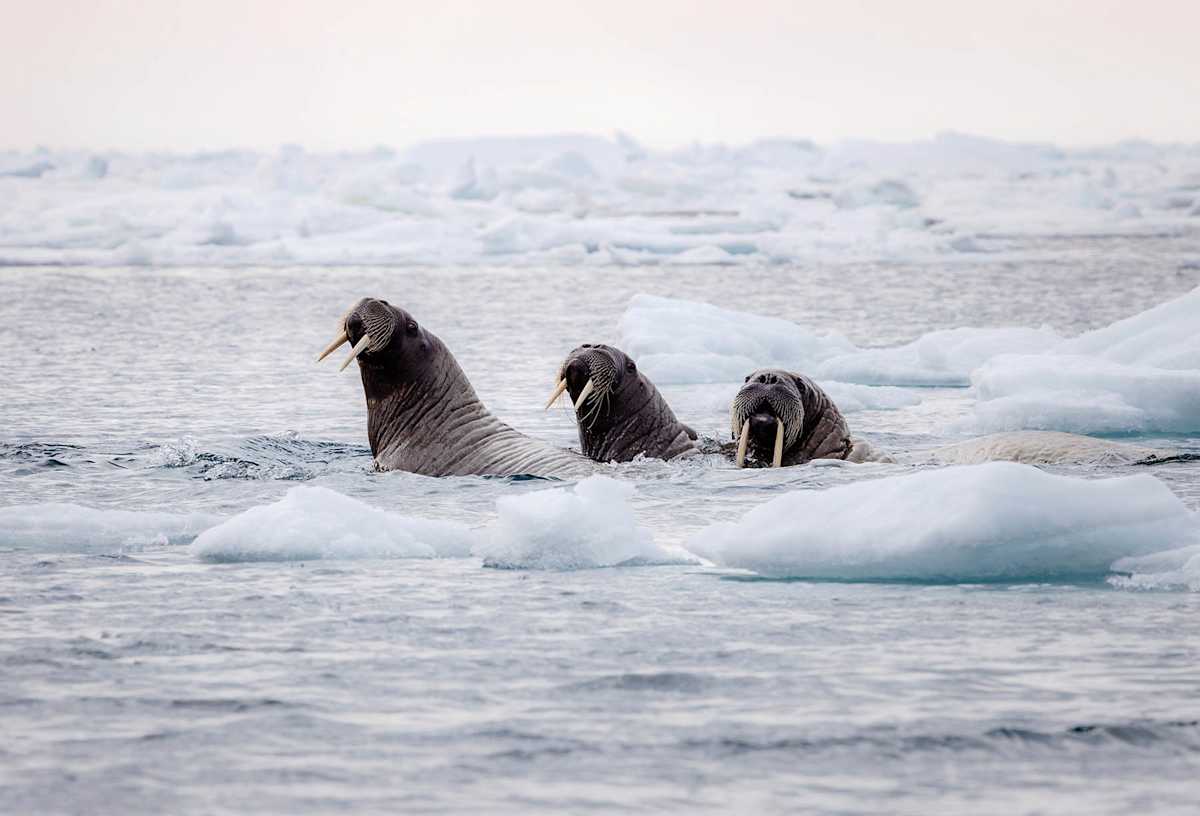
One of George’s top wildlife photography tips: give your subject room to breathe in the frame.
Michael George
3. Think Twice Before Zooming In
Just because you’re packing a 350mm telephoto lens doesn’t mean you should use it for every shot. “Don’t get the encyclopedia image — everyone already knows what a cheetah looks like,” says George. “What we want to see is the cheetah you saw, what it was doing and what kind of environment it was in.” Instead of cropping tightly on your subject, pull back to include the landscape, light and action. Whether it’s a lion lounging beneath a lone acacia or a monkey mid-swing through jungle vines, aim to capture the scene — not just the species.
4. Learn the Cast of Characters
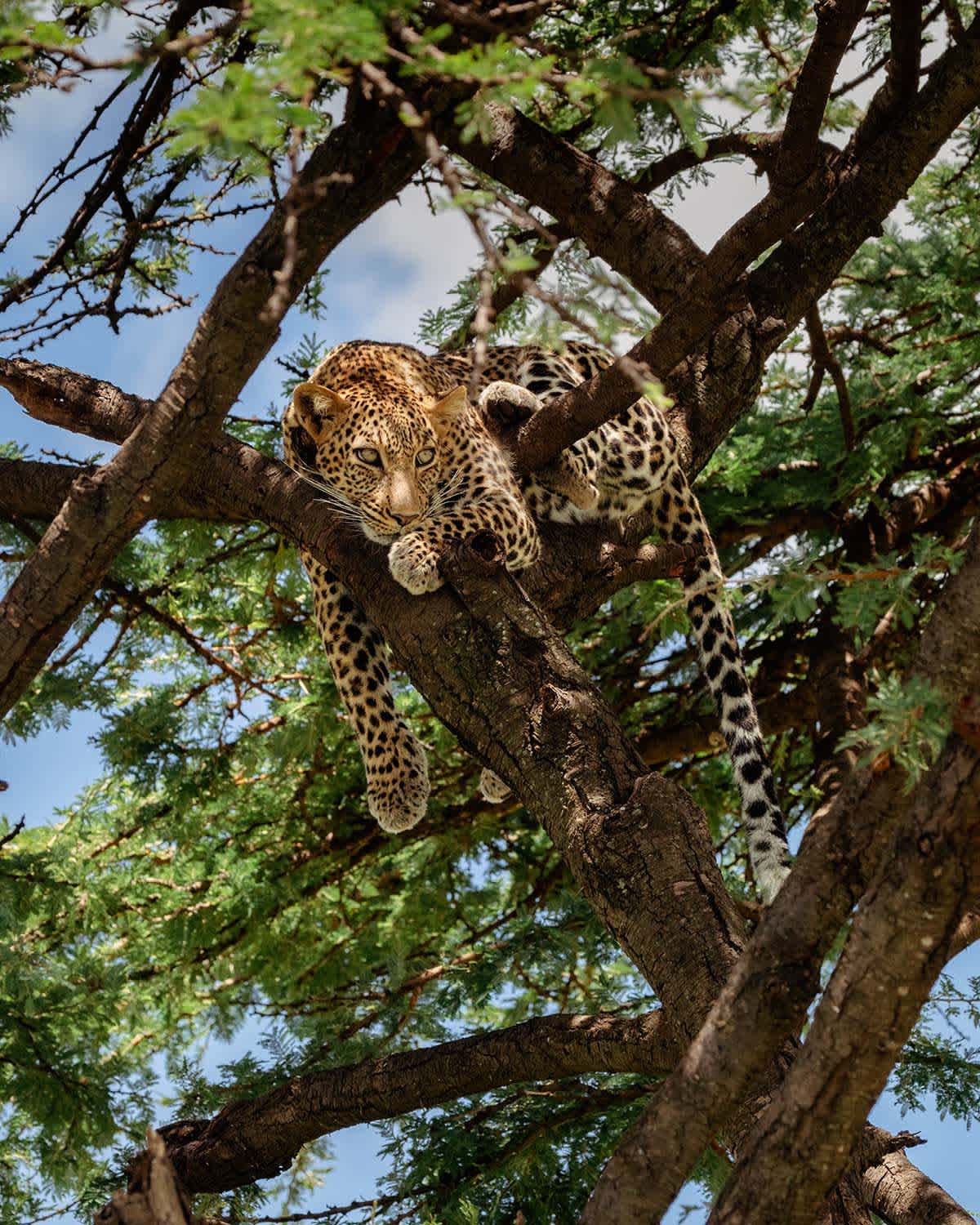
Animals are creatures of habit, especially birds. “If you observe long enough, you’ll notice repetitive behaviors, like preening in a certain direction or returning to the same perch,” he says. Spending time with the same group of animals helps you get to know their quirks. “With penguins, for instance, there’s often a bully in the group who stirs up all the drama, chasing the others around and creating action. Focus on that one, and chances are you’ll end up with your best shots.” Pre-trip research is also key to knowing when and where you’re most likely to spot your subject. Don’t make the mistake of showing up in the wrong season for something like a bird migration or whale sighting.
Michael George
Michael George
5. Respect the Wildlife
One of George’s top wildlife photography tips is to let nature unfold without interference. He recently witnessed tourists on a boat in San Diego yelling to get seals to look their way for a photo. “Not only does that ruin the experience for everyone else, but it stresses out the animals,” he says. “Please don’t intervene to ‘get the shot.’ Be patient.” Quiet observation often makes for the most compelling images, he adds. And more importantly, it helps maintain ethical wildlife tourism practices.
6. Prepare for the Elements
If you’re heading to the poles, bring a waterproof bag. “Weather is chaotic in polar regions,” says George. “You’re often riding small Zodiac boats to shore, and rogue waves or sudden snow can soak your gear.” He also suggests keeping spare batteries close to your body to keep them warm and prevent them from dying in the cold. Another polar-specific tip: Slightly overexpose your shots. “Cameras tend to grey out white scenes. Overexposing brings back the true whites of snow and ice.”
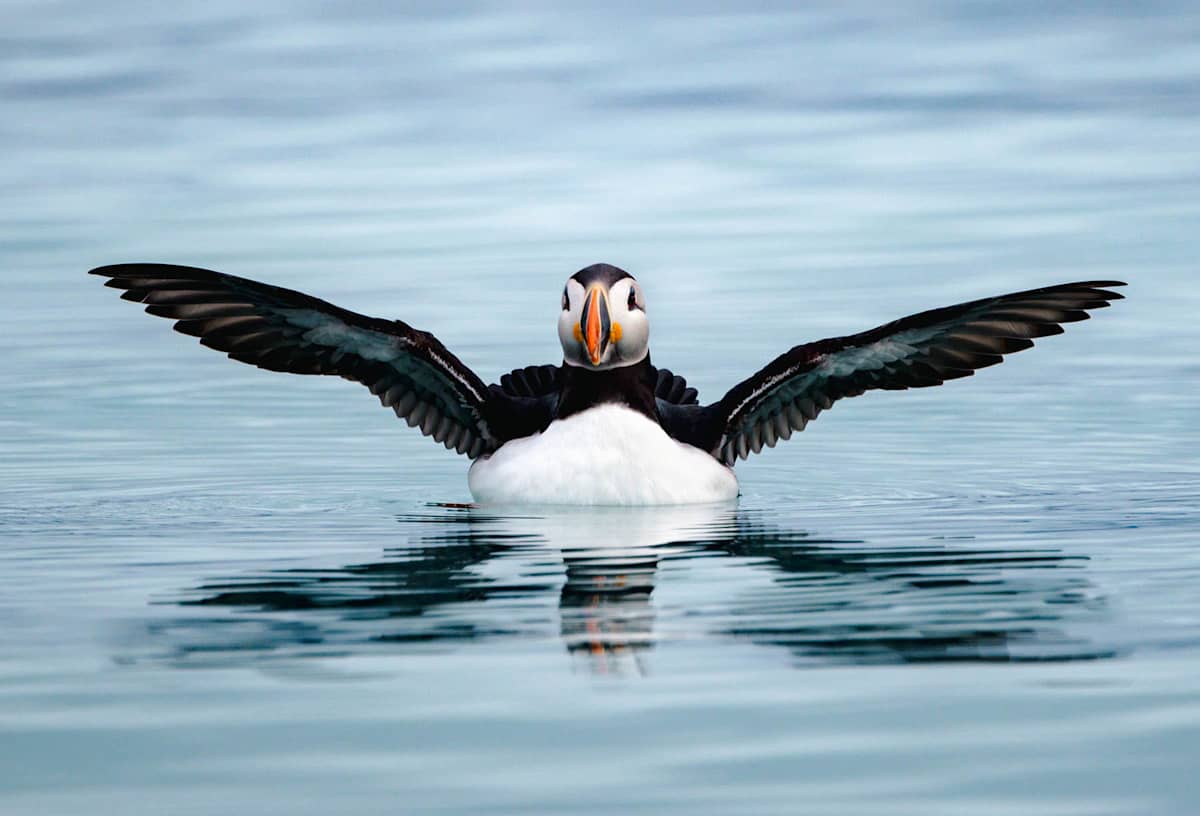
To capture birds in flight, George recommends setting your camera to shutter speed priority mode, with a speed of at least 1/1000 of a second.
Michael George
7. Aim for Variety
One of the best things you can do when shooting nature, says George, is to mix up your perspectives. “So much of coming home from a trip is wanting to share variety,” he explains. “You want a mix: a wide shot of the environment, a medium shot of the animal doing something and a close-up if possible.” Even with a smartphone, switching between different focal lengths (like 0.5x, 1x, 2x, or 5x) can help you tell a more complete story. “I also love using the Slo-mo video feature on iPhone for birds,” he adds.
8. Adjust Your Settings
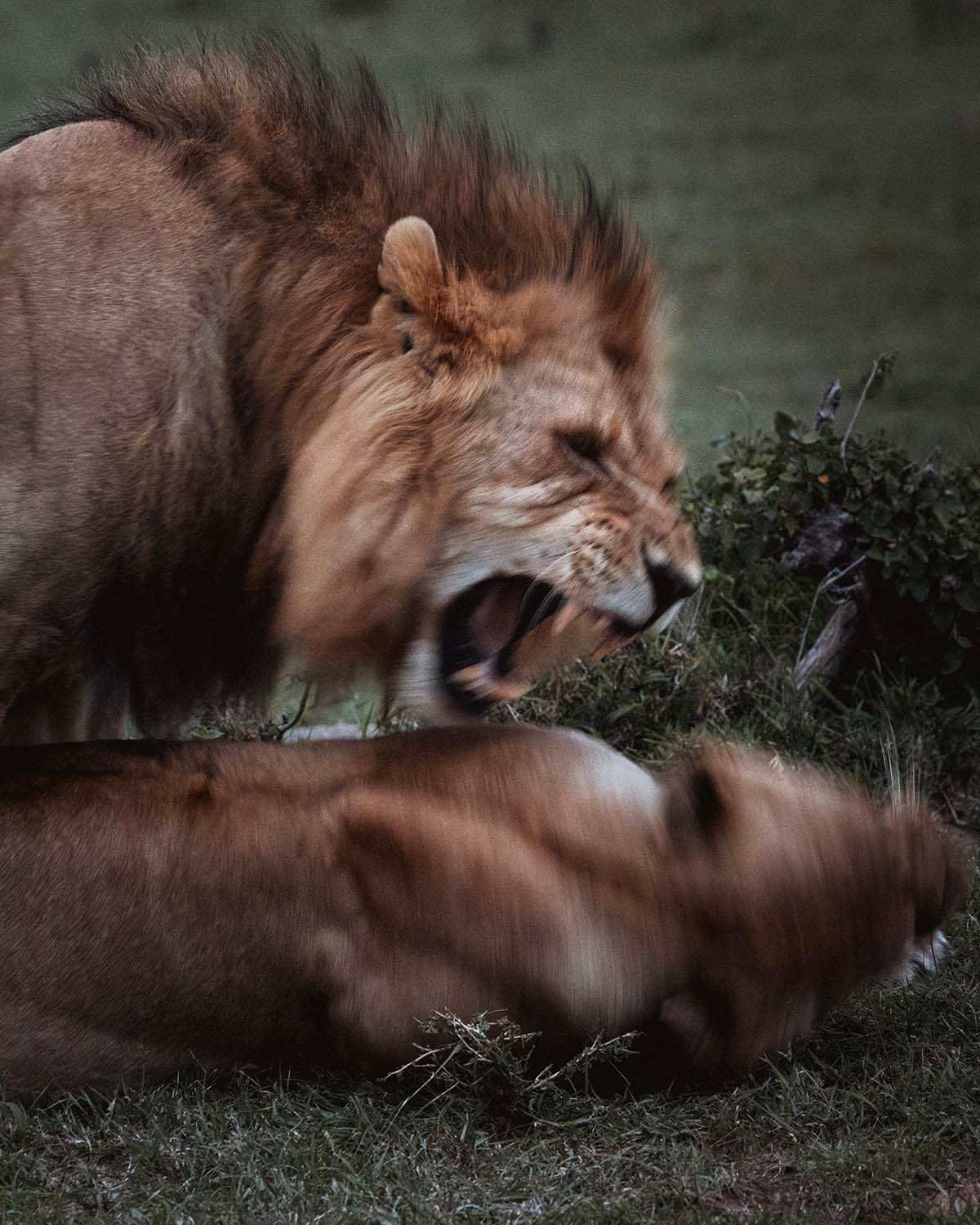
If you’re using a traditional camera, George recommends setting it to shutter speed priority mode, with a speed of at least 1/1000 of a second — especially for birds in flight. “Having a lower shutter speed is one of the biggest reasons people get blurry images,” he says. Make sure to tap into your camera’s full potential, too: “A lot of newer cameras have animal auto-detect autofocus, which is kind of mind-blowing. It locks onto the animal in frame and keeps it in focus as it moves.” And finally, ensure your camera’s autofocus mode is set to servo, which keeps the focus on a subject even if it moves. “That way, if the animal jumps or flies off, your camera keeps tracking it and you won’t miss the shot.” ✦
Explore More
Journeying to Antarctica’s Wildest Reaches by Icebreaker: Photographer Michael George sets sail on a 12-day cruise to Antarctica, where shifting ice, unpredictable weather and penguins create a voyage unlike any other. The Best Adventure Gear for Any Kind of Trip: Whether you're trekking through the desert or dodging downpours on the coast, these versatile adventure gear picks have you covered. 5 Key Benefits of Booking with a Travel Advisor: Five Ensemble experts share how booking with a travel advisor saves you time, money and stress. Follow Range on Instagram, Facebook and Pinterest. Sign up for the Range newsletter to receive expert advice, award-winning stories and the latest travel trends in your inbox.