From choosing the perfect angle to selecting the right equipment, food photographer Simon Bajada serves up his top tips for making every plate look like a masterpiece.
8 Food Photography Tips That Instantly Improve Your Photos
By Robert Liwanag | November 26, 2025
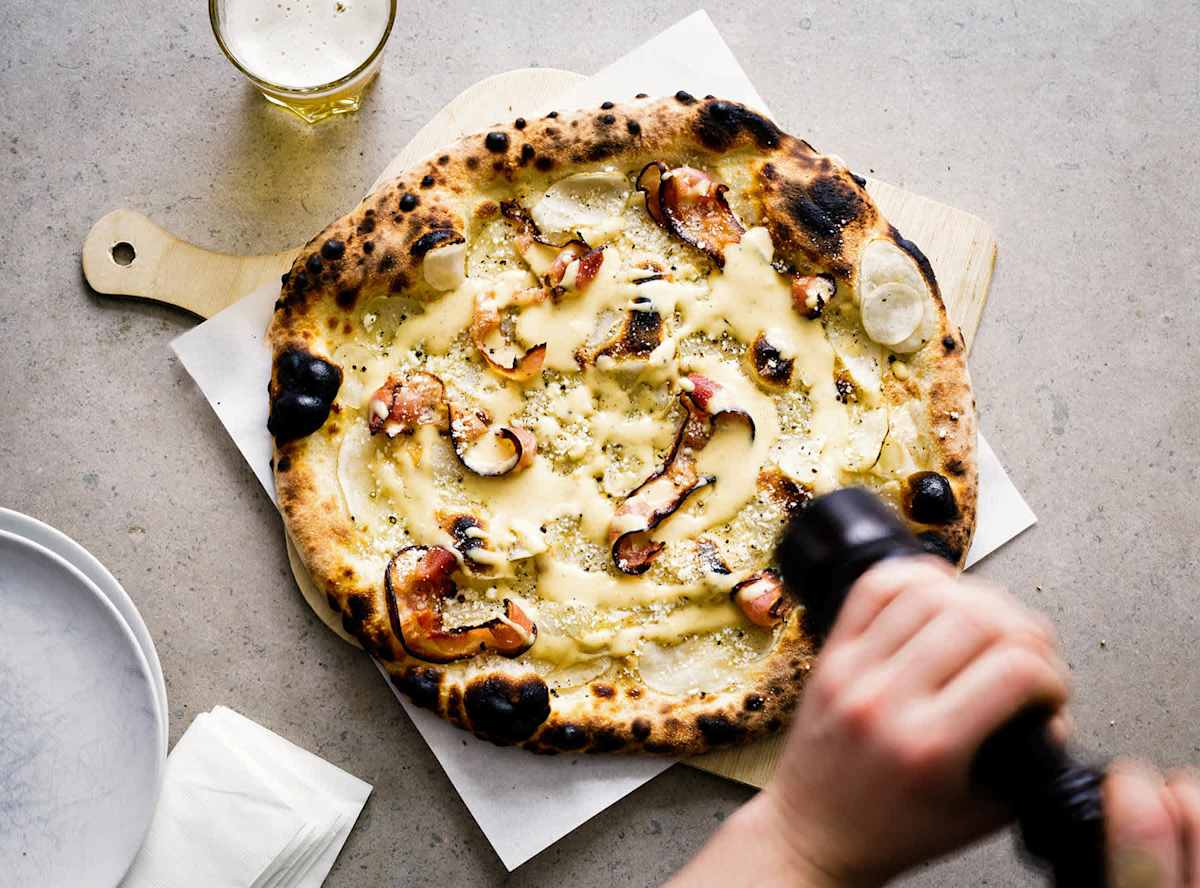
“Food looks best in daylight,” says Stockholm-based photographer Simon Bajada.
Simon Bajada
Australian-born and Stockholm-based Simon Bajada has spent years exploring food from every angle. He began his career as a chef before moving into food styling, eventually finding his place behind the camera as a food photographer and cookbook author. Over time, he’s learned how to make almost any dish — whether from a three-Michelin-starred dining room or a tiny hole in the wall — look its best. If you’re hoping to elevate your own food photography, here are eight tips from someone who truly knows the craft.
1. Daylight Is Your Friend
If you’re getting into food photography, avoid shooting in a restaurant in the evening — at least at first. “Food looks best in daylight,” says Bajada. Natural light is soft and flattering, revealing textures like moisture and glaze. In contrast, dimly lit restaurants often utilize different light sources, creating a “chaotic” mix of colors and shadows. The fix? Keep things simple. “It’s best to have a single light source, which is generally a big window,” he explains. Pro tip: when you’re booking a table, ask for a window seat, and if you’re walking in, casually request one. (Your photos will thank you.)
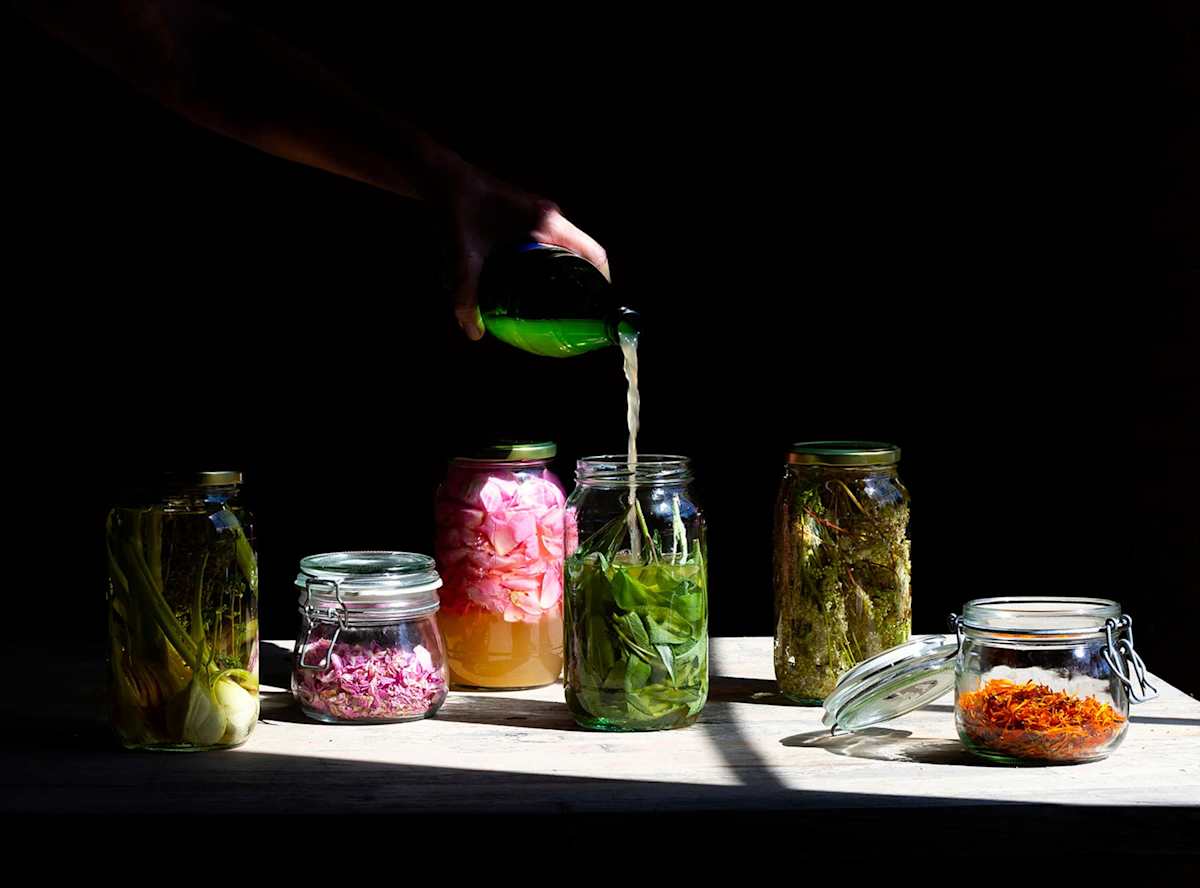
“If I had used a wide-angle lens here, the jars on the edge of the table would be distorted and bend out of frame,” says Bajada.
Simon Bajada
2. Skip the Wide-Angle Lens
You don’t need every lens in the book to shoot beautiful food. Bajada leans toward prime lenses but occasionally uses a 24–70mm zoom for flexibility when traveling. No matter what you use, the sweet spot is 50mm. Why? Wide-angle lenses distort objects near the edges. “Background items like glasses or bottles can sometimes look like they’re falling over,” says Bajada. Great food photography means being close to the food without having to get too close. A 50mm lens keeps proportions natural and balanced.
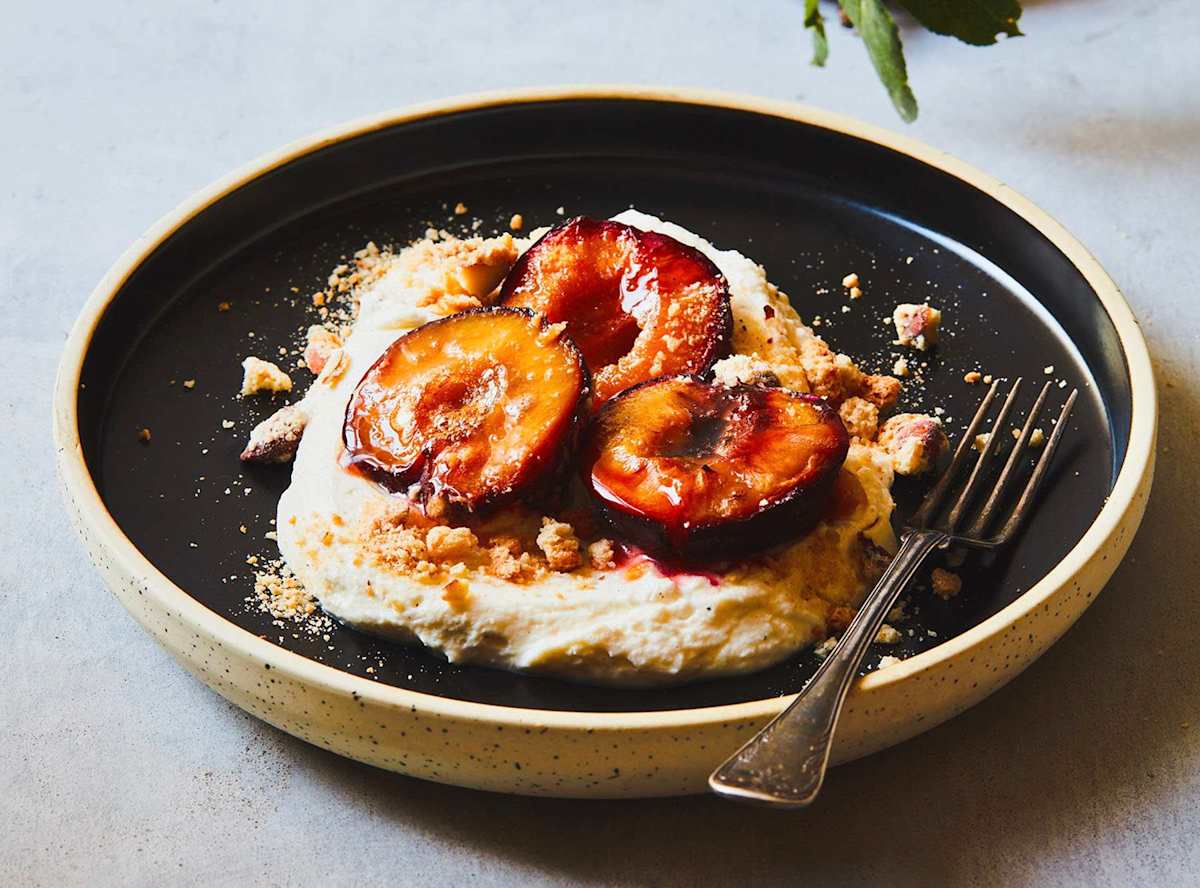
Bajada says the highlights on these plums can’t be captured from above.
Simon Bajada
3. Overheard Shots Aren’t Always Best
We all know the scene: friends or family hovering over a table, trying to capture the perfect geometric arrangement. Overhead photos are popular for a reason, but Bajada encourages photographers to look beyond them. Smartphone cameras have wide-angle lenses that can exaggerate distortion from above, and more importantly, shooting straight down makes you miss the magic of an angle. “One thing I love about shooting at an angle, especially in daylight, is the beautiful highlights,” says Bajada. Oils and textures pop, and herbs become translucent — effects that are less pronounced when you shoot straight down. Mix overheads with angled views, side shots and low perspectives.
Plan your dream trip.
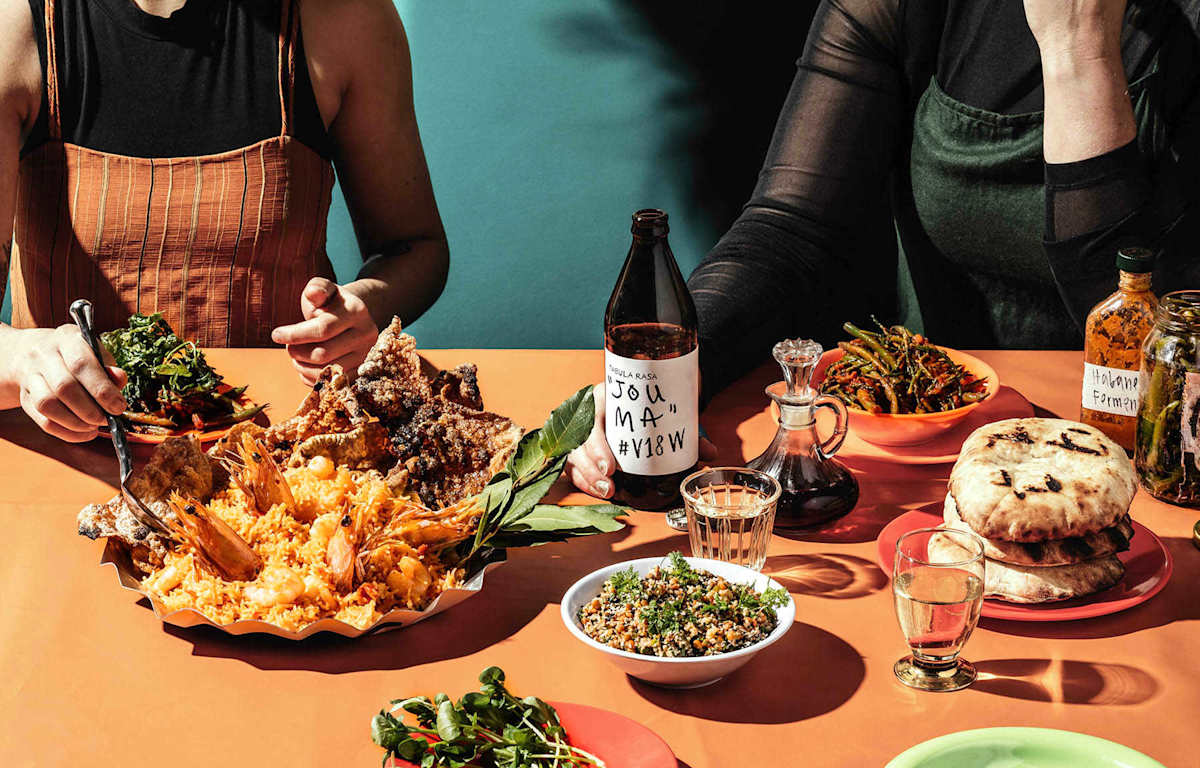
Always ask for permission before taking a person’s photo, Bajada notes.
Simon Bajada
4. Respect the Space (and Its People)
Food photography shouldn’t disrupt the dining experience. After all, your companions want to eat, and the chef doesn’t want their dish cold by the time you taste it. And other diners? They probably don’t want you climbing onto chairs with your camera — something Bajada has actually witnessed in real life. “People taking photos in restaurants is so common now, that you forget it sometimes bothers people,” he notes. Keep it low-key: Stay in your seat, turn off your flash, shoot quickly and keep the focus on the food.
5. Don’t Be Afraid to Move the Food
While chefs often plate dishes beautifully, they can shift on the journey from kitchen to table. And sometimes, light hits at an angle, creating distracting shadows or a dark spot on the plate. Bajada’s first move: “I always spin the plate in both directions and see how it looks, because quite often the light source changes what you’re seeing.” A simple turn might be all you need, too. And if an herb fell off or a garnish looks askew? “Just pick it up and move it,” he says. You’re not changing the chef’s work — just helping it shine.
6. Learn Some Basic Post-Production
A little editing goes a long way. Photos too dark? Increase the exposure. Colors looking muted? Boost saturation. Too warm? Cool the temperature. “These basic skills are good to learn because with high-quality images, you can transform them afterwards,” he says. He recommends using Lightroom, an Adobe program available in free and paid versions. If you want to step it up, Bajada points to Capture One, a best-in-class tool that you’ll have to pay for.
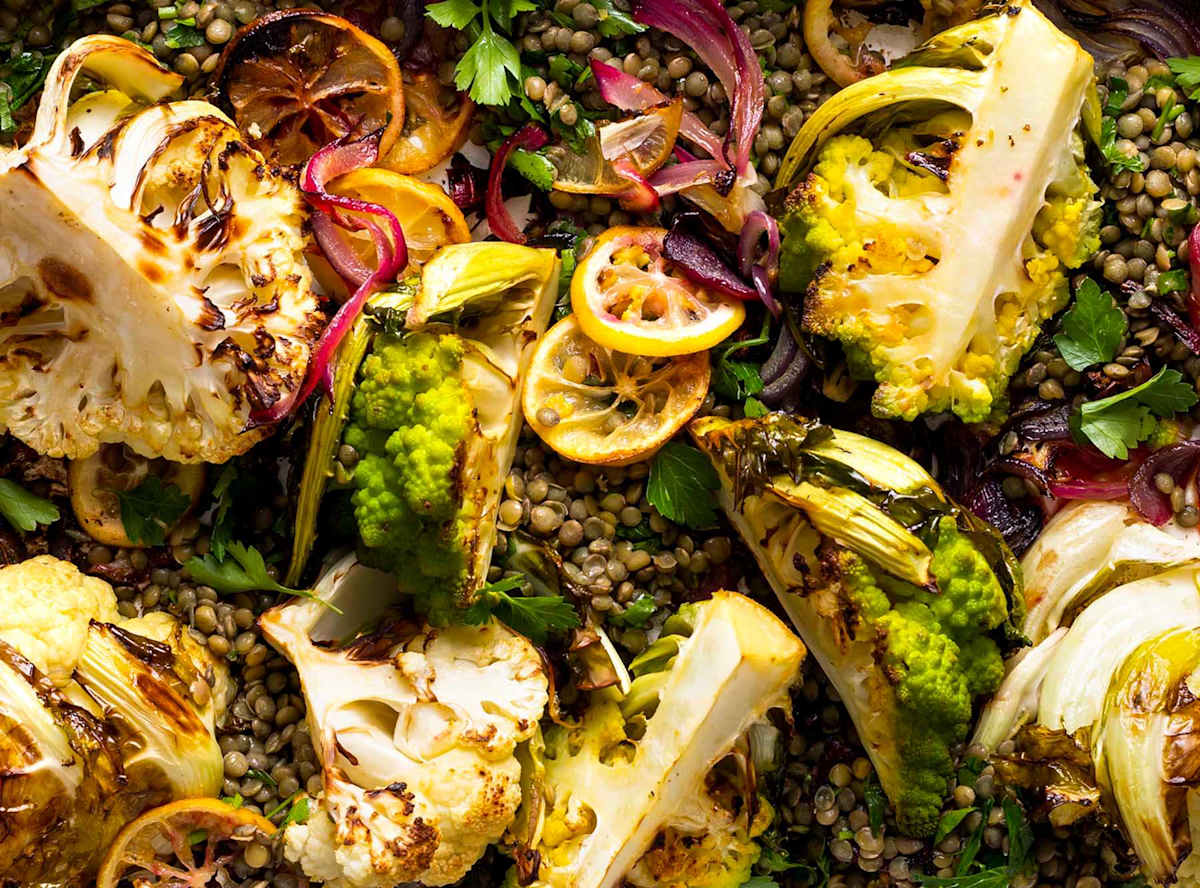
Contemporary digital cameras range from 24 to 61 megapixels, with some models even featuring 100-megapixel sensors.
Simon Bajada
7. Invest in a High-Resolution Camera
Here’s a truth many shutterbugs overlook: resolution buys you options. “When you have a high-resolution camera, the images are much bigger, which means you can alter them more,” says Bajada. Once you’ve picked up some editing skills, that extra space lets you crop tighter, reframe or highlight small details without losing image quality. He recommends starting with at least 26 megapixels. And don’t forget to shoot in the RAW image format — these files capture a wider range of brightness and color than JPEGs, essential for editing.
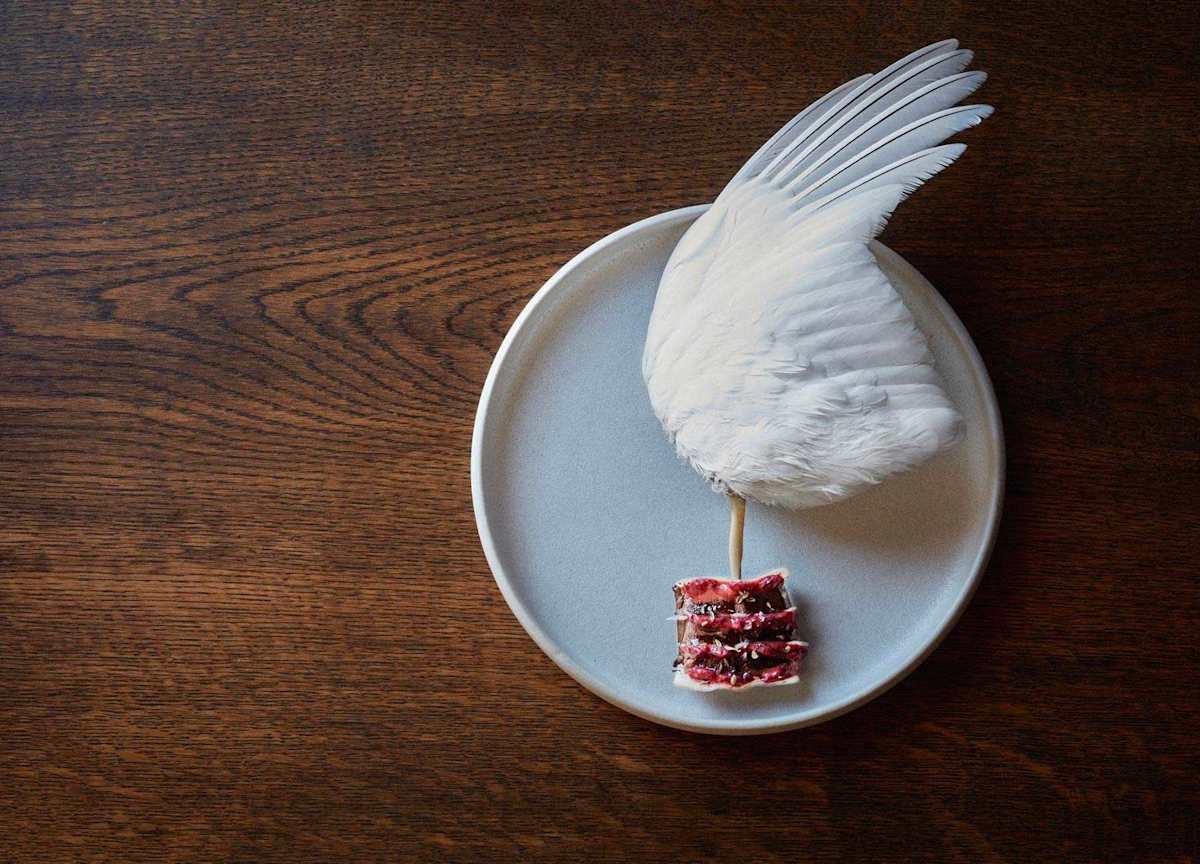
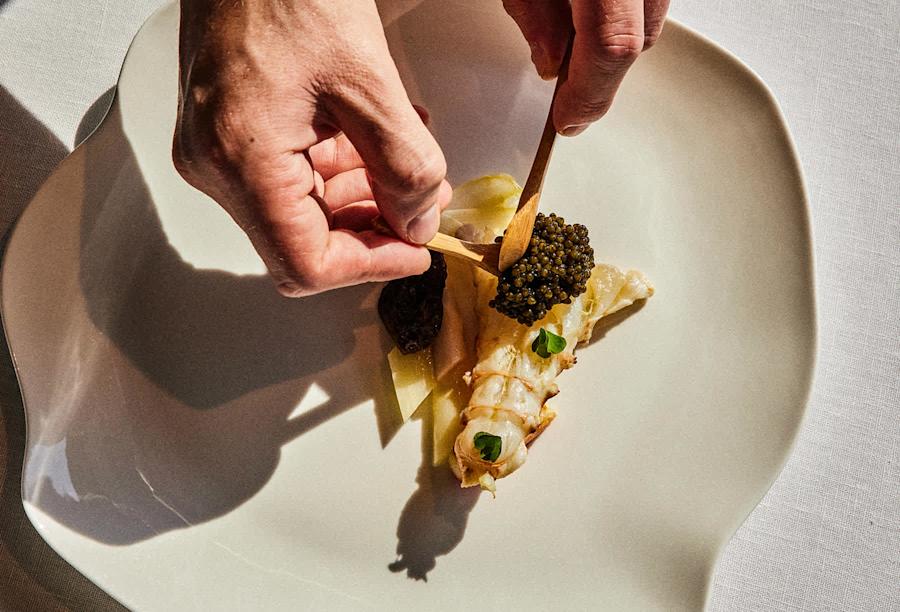
Ptarmigan, a local bird, served at the two-Michelin-starred KOKS in the Faroe Islands.
Simon Bajada
8. Consider Your End Goal
Before you shoot, ask yourself: Are you trying to capture the vibe, the food or both? “If I go to a beautiful old bistro where the interior hasn’t changed in 50 years, then I’d want to capture that ambiance along with the food,” says Bajada. He might frame the booth in the background or move the plate to the corner of the table to include some vintage floor tiles. In contemporary spaces, he might do the opposite. “If it’s a modern fine dining restaurant and you want to capture the minimalism, then you may want to shoot further away so you emphasize the negative space of the white linen,” he says. “Always consider how you want the restaurant to be portrayed in the image.” ✦
Explore More
8 Wildlife Photography Tips from a National Geographic Photographer: From choosing the right gear to knowing how to prepare for the elements, learn how to take better photos on your next adventure with this simple guide. Taste the World Through These Cookbooks: Recipes become roadmaps in these cookbooks, guiding you through kitchens and cultures across the globe. Where to Eat in the World’s Top Cruise Ports: Before setting sail, fill your restaurant passport in cities like Vienna and Budapest. Follow Range on Instagram, Facebook and Pinterest. Sign up for the Range newsletter to receive expert advice, award-winning stories and the latest travel trends in your inbox.