Peru’s Ica region is one of the driest places on the planet — and it makes some of the country’s finest wine and pisco.
A Journey Through Ica, Peru’s Hidden Wine Capital
By Elizabeth Chorney-Booth | October 6, 2025
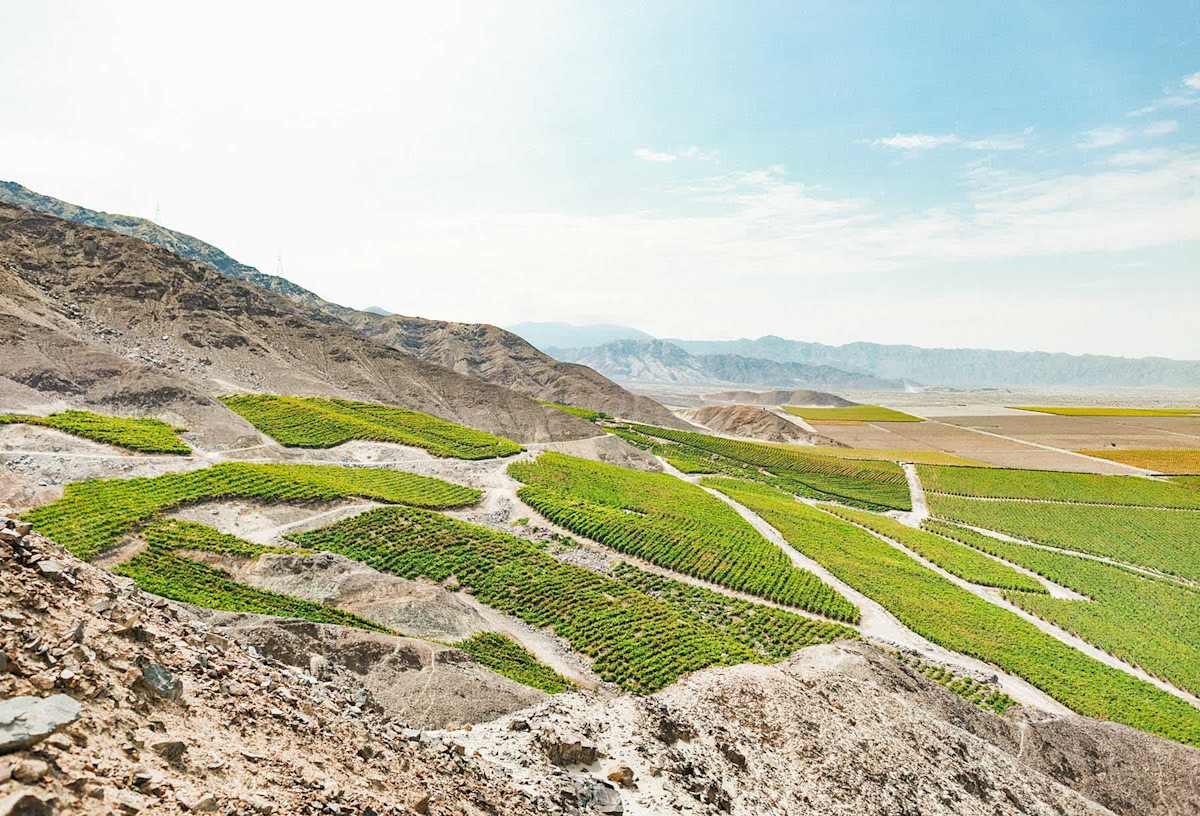
The grapes from these Ica Valley vineyards go into Viñas Queirolo’s Intipalka wines.
Courtesy of Viñas Queirolo
“Viva la vida!” The words gleefully ring out from the passenger behind me as the dune buggy I’m strapped into careens over the crest of a sand dune in Peru’s Paracas National Reserve, on the coast about 165 miles south of Lima. The driver takes a sharp turn, races up another wall of sand (the dunes can grow five storeys tall) and we come back down even faster. It’s like being on a roller coaster without a track — I feel equal parts terrified and absolutely free. The man behind me is my guide, Richard Gilberto Ccahua Gutierrez of Sun Gate Tours, a (usually) calm native Peruvian who has seen these hills countless times. Yet even he can’t contain his joy. While the thrill of the ride is undeniable, it’s the landscape that leaves me breathless. The Ica region is one of the driest places on Earth: Towering mounds of pale beige, ultra-fine sand ripple as far as the eye can see. There are no other people around, no animals — even the tracks of our dune buggy vanish instantly on these drifting tan hills.

The Paracas National Reserve spans nearly 1,300 square miles of desert and marine ecosystem on Peru’s Pacific coast.
Wirestock/Getty Images
It’s hard to imagine how anything, animal or vegetable, could survive in this environment. But plants don’t just grow in Ica, they thrive and even explode with bounty — grapes, asparagus, blueberries, avocados and more — thanks to the Ica-Villacurí aquifer, one of the largest natural subterranean reservoirs in the country. Add in an irrigation canal that diverts water from the nearby Ica River and Laguna de Choclococha, the ever-present sunshine (340 days per year) and sandy, fertile soils with excellent drainage, and you’ve got all a region needs to flourish. Peru’s wine country, where vast vineyards and groves of pecan trees provide a different kind of vista, is just a short drive away. I witness an expression of Ica’s dual nature as the sun sets and the stars rise high in the sky over the desert. We’ve come to a luxe tent set up with a bar, disco lights and an impeccably set table where we dine on Peruvian specialties like causa (a sort of mashed-potato casserole topped with seafood) and golden roast chicken seasoned with aji amarillo peppers and garlic. We wash it all down with local wines and Peru’s national drink, the pisco sour.
Plan your culinary adventure.

The Paracas Candelabra, a prehistoric geoglyph 560 feet tall and 200 feet wide, is best viewed from offshore.
DOF/Getty Images
Though it’s far less traveled to than glamorous Lima — a global culinary destination — or Machu Picchu — for the spiritual highs — tourists often dip into the Ica region for a day trip to fly over the Nazca Lines, a series of mysterious geoglyphs etched into the desert landscape farther south. And while Peru’s wine industry doesn’t have the reach of those in Argentina or Chile, visitors find in Ica an unsung viticultural region where the number of wineries and the quality of their product are enough to suit any palate — and wine enthusiasts are paying increasing attention. The bounty of the Ica Valley can be fully experienced at Hotel Viñas Queirolo just outside the city of Ica, about an hour’s drive from the coast. It’s a luxurious resort hotel with a full restaurant, three photogenic pools, serene rooms with balconies looking over endless rows of vines, and a winery producing the wines of both the Santiago Queirolo and Intipalka labels, which are distributed widely across Peru. The Peruvian market favors sweeter wines (Queirolo’s eponymous label focuses on this traditional style), but the Intipalka bottlings are dry, with a refreshing acidity. Ica’s sandy soil forces the vines to dig deeper into the earth in search of nutrients and moisture. That, combined with ample sun and cool winds coming off the ocean, makes for impressively complex wines with bold fruit and mineral flavors. At lunch in the hotel’s restaurant, El Intipalka, our server opens a bottle of the estate’s refined Gran Reserva No. 1 red — a blend of malbec, tannat and cabernet sauvignon grapes. The wine’s ripe fruit and firm tannins are a perfect expression of Intipalka — “the valley of the sun.”
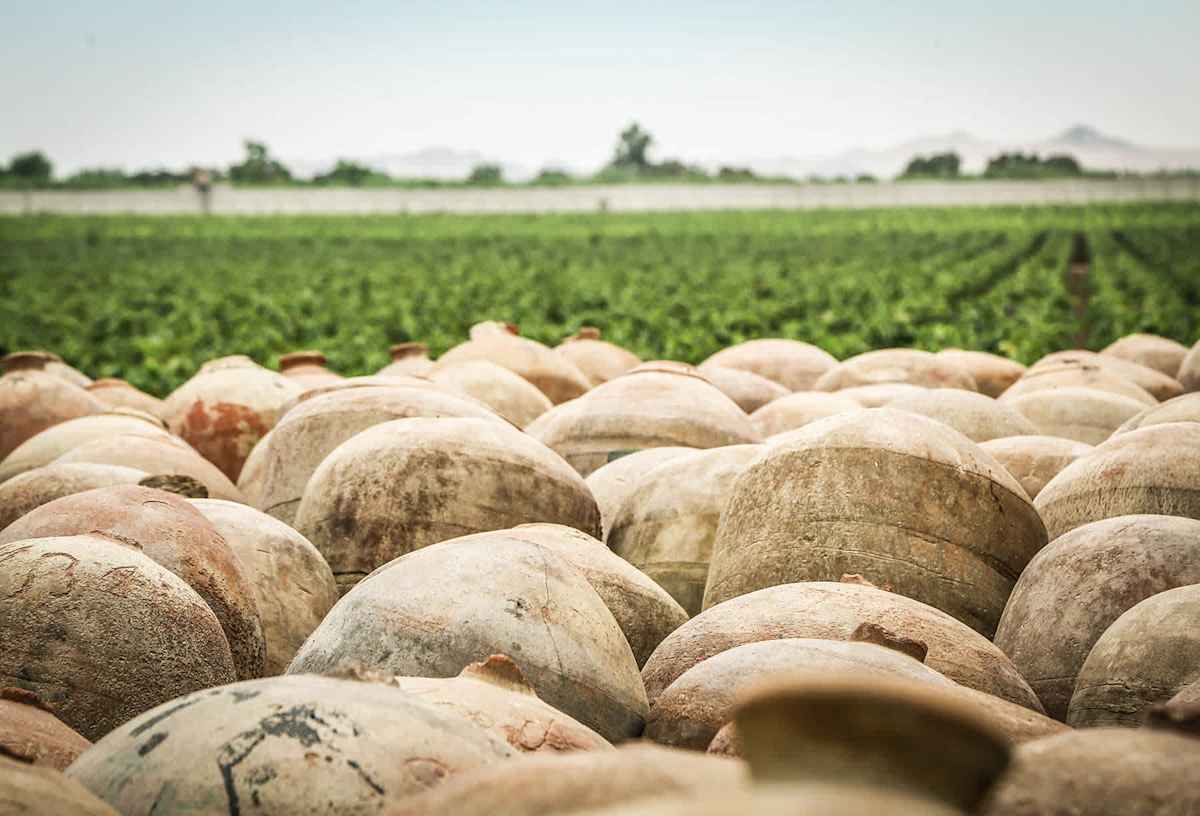
The Ica region’s best-known product is pisco, which is aged in terracotta jars to enhance its flavor and aroma.
Courtesy of Viñas Queirolo
“Winemaking in South America began when the first Spaniard conquerors arrived in the 1500s. They needed wine for their Catholic ceremonies,” Erick Figueroa, Viñas Queirolo’s export manager, tells me. “Right now, Peru is not well known as a wine-making region — that’s what we’re trying to change.” Though Peruvian wines still fly under the radar both internationally and within Peru itself, Ica claims South America’s oldest vineyard, Viña Tacama, established in the 1540s. And Ica is the beating heart of Peru’s wine scene, with more than 100 wineries calling the region home — one-third of the nation’s winemakers. Ica’s other grape product, pisco, has a much higher profile. All over Peru, from Ica’s sandy vineyards to the wilds of the Amazon rainforest, I’m offered (and gladly accept) a pisco sour. A brandy made from distilled wine, pisco is serious business in Peru and Ica is ground zero for its production. (It’s also home to the city of Pisco). Four distinct qualities of the spirit — puro, aromáticas, acholado and mosto verde — are defined by the grape varieties and methods used in its production. Pisco can be served neat but is often blended with simple syrup, lime juice, egg white and bitters for a regional take on a classic cocktail.
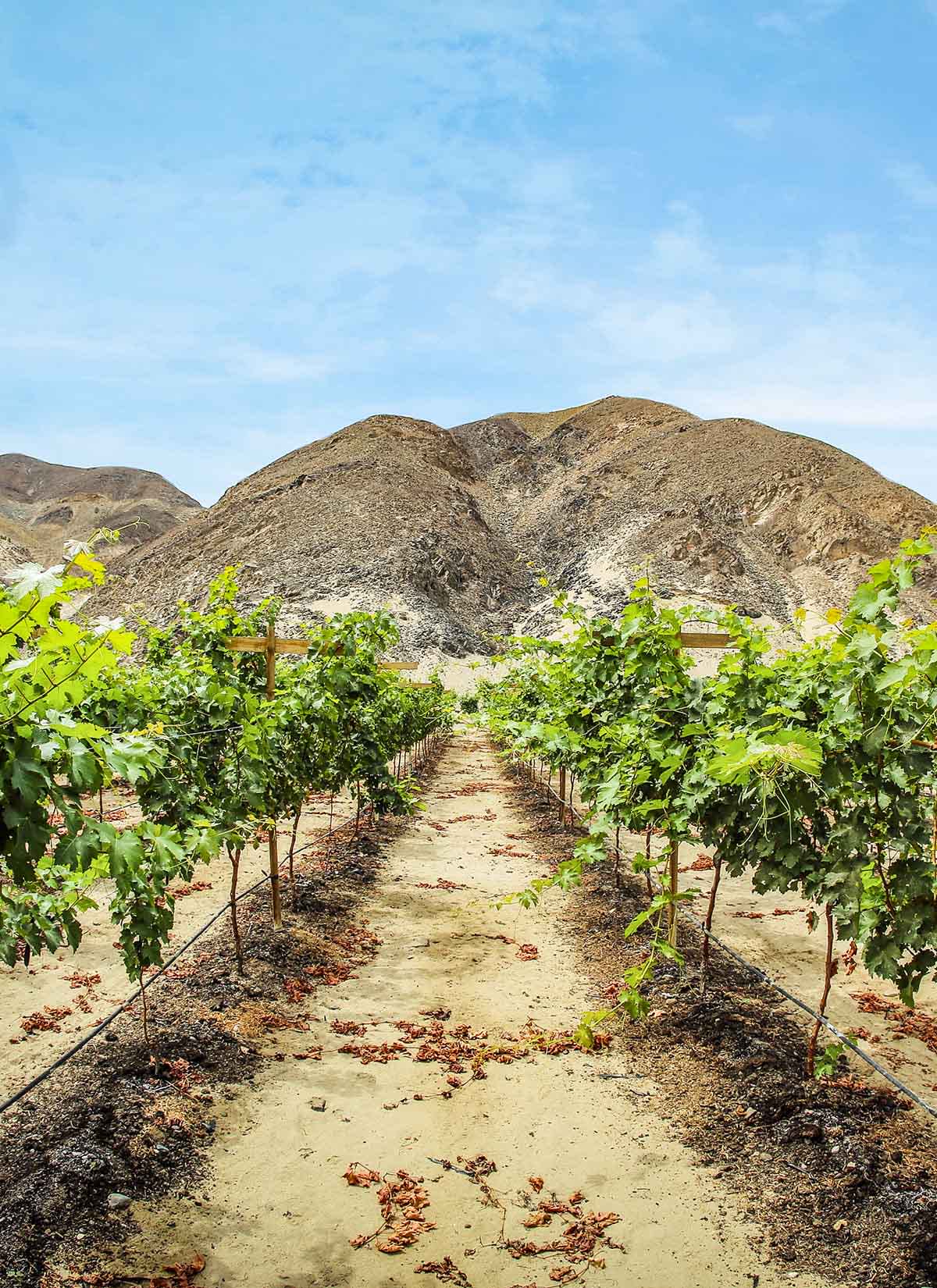
Viñas Queirolo tends more than 1,700 acres of vineyards for wine and pisco production in the rugged, arid terrain of the Ica Valley.
Courtesy of Viñas Queirolo
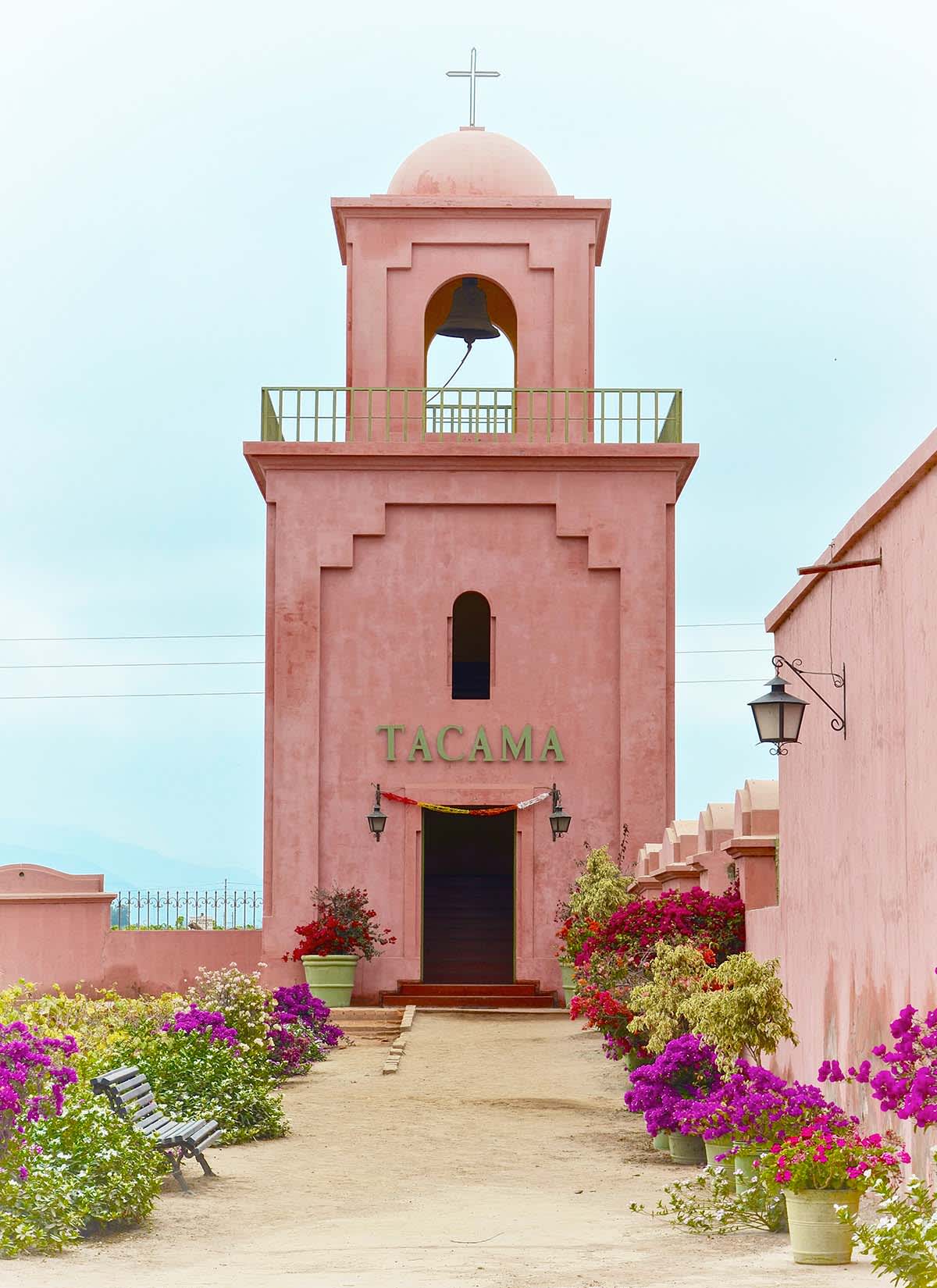
Viñas Tacama sits on the site where the first grapevines in South America were planted in 1540, and its bell tower dates back to the property’s time as a 19th-century convent.
Mark/Adobe Stock
There is a Pisco Trail in Ica for tourists who want to go all-in, but most wineries also make a pisco. As I make my way through a tasting on Viña Tacama’s vine-canopied patio, I learn how to appreciate differences between pisco puro (made from a single grape variety), pisco acholado (blended from more than one grape variety) and pisco mosto verde (premium pisco created through a complex distilling method), and pick out the wine-like aromatic notes normally obscured by the lime in the cocktail. Paired with chocotejas — bonbons filled with nuts, dulce de leche or guava — from Helena Chocolatier, a popular Ica chocolate maker, and a piece of pie packed with locally grown pecans, the taste of place becomes clear. As I sip contentedly, my mind wanders back to the nearby dunes and the sand that pelted my face. Under a cloudless sky in one of the driest places on Earth, the flavors of Ica taste that much sweeter. ✦
Explore More
The Best Things to Do in Lima: Come for the ceviche, stay for the rooftop cocktails, street snacks and cooking lessons you can take home with you. Inside Peru’s Trailblazing Mil: At this restaurant in the country’s Sacred Valley, the revival of traditional practices is driven by preservation and innovation. The Adventurers of Ecuador: Three guides lead our writer up mountains, down rivers and through jungles in one of the most diverse countries in the world. Follow Range on Instagram, Facebook and Pinterest. Sign up for the Range newsletter to receive expert advice, award-winning stories and the latest travel trends in your inbox.