China’s largest municipality is home to nearly 32 million people and, covering 32,000 square miles, is roughly the size of Austria. Yet you’ve probably never heard of it. Long overshadowed by the Great Wall and Shanghai’s skyline, this maze of neon towers, hotpot dens and ancient towns is emerging as one of China’s most compelling destinations. Here’s why.
Is Chongqing Having a Moment? Inside China’s Biggest City
By Robert Liwanag | August 30, 2026
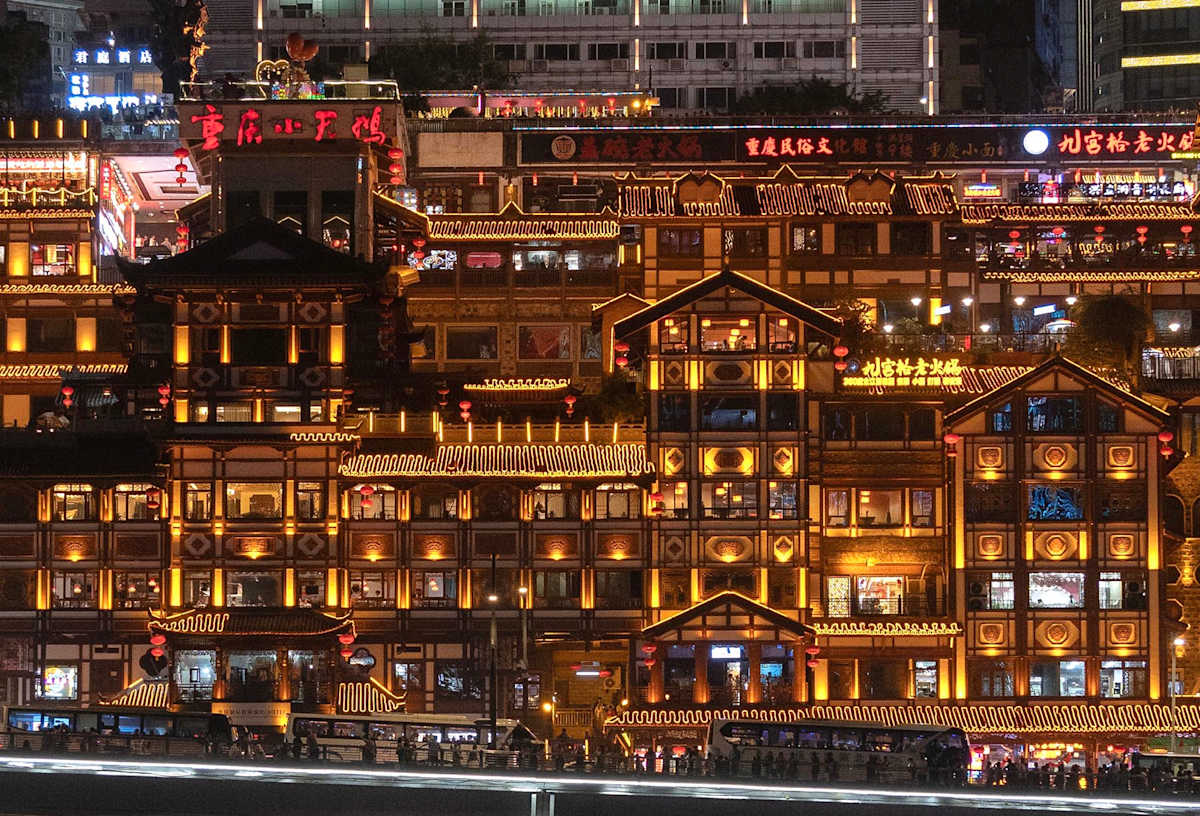
The illuminated tiers of Hongyadong, as seen from the Century Voyage.
Robert Liwanag
This article was created by Range for Chongqing Municipal Commission of Culture and Tourism Development. “Are you afraid of heights?” asks my guide, Daniel Liu, as he checks that my camera strap is securely fastened around my wrist. I assure him that I’m not. It’s a beautiful, warm spring day in Chongqing City, and we’re standing in Kuixing Square. The spacious plaza is filled with street vendors and food stalls — yet it sits atop a 22-storey building, high above the city. “But we’re only on the first floor,” Liu says with a laugh. We walk onto a small footbridge that connects to the building next door, and I gaze down in awe at the taxis below. I’ve never experienced anything quite like this — and I like it. The labyrinthine urban core of Chongqing, a sprawling municipality in southwestern China, is full of these idiosyncratic features: endless staircases, suspended walkways, cramped alleyways that open up to spectacular vistas of the Jialing River, even a monorail train piercing through a 19-storey high-rise — a sight that’s become a major attraction in its own right. Walk into a nondescript building, take the elevator to the 13th floor, step out and find yourself on the first floor of a completely different building. Geography has a lot to do with it. Chongqing is built on rugged, mountainous terrain — you can still see a mix of shale and red sandstone jutting up alongside highways and even on some streets. This is why locals, visitors and government officials love to describe Chongqing as “8D” — the usual three dimensions not being nearly enough to capture the municipality. For me, one thing is clear: without Liu, I’d be lost within an hour. If you’ve spent time on Instagram or TikTok lately, you’ve likely seen reels touting the wonders of present-day China, from futuristic skylines to stunning natural landscapes, or watched videos of mouthwatering delicacies and even seniors enjoying a unique — and sometimes wonderfully absurd — brand of calisthenics in public parks. Together, they point to something bigger: now is the time to visit China. In 2025, more than 68 million international travelers visited the Middle Kingdom — a 15 percent increase from 2024, bringing the total close to pre-pandemic figures. For years, a handful of familiar destinations dominated the country’s international tourist circuit, namely the Great Wall, the Terracotta Army and Shanghai’s neon skyline. Now, travelers are looking beyond these established icons. Enter Chongqing. So, what should you actually do when you visit? My advice is to embrace the very feeling that I was afraid of: getting lost.
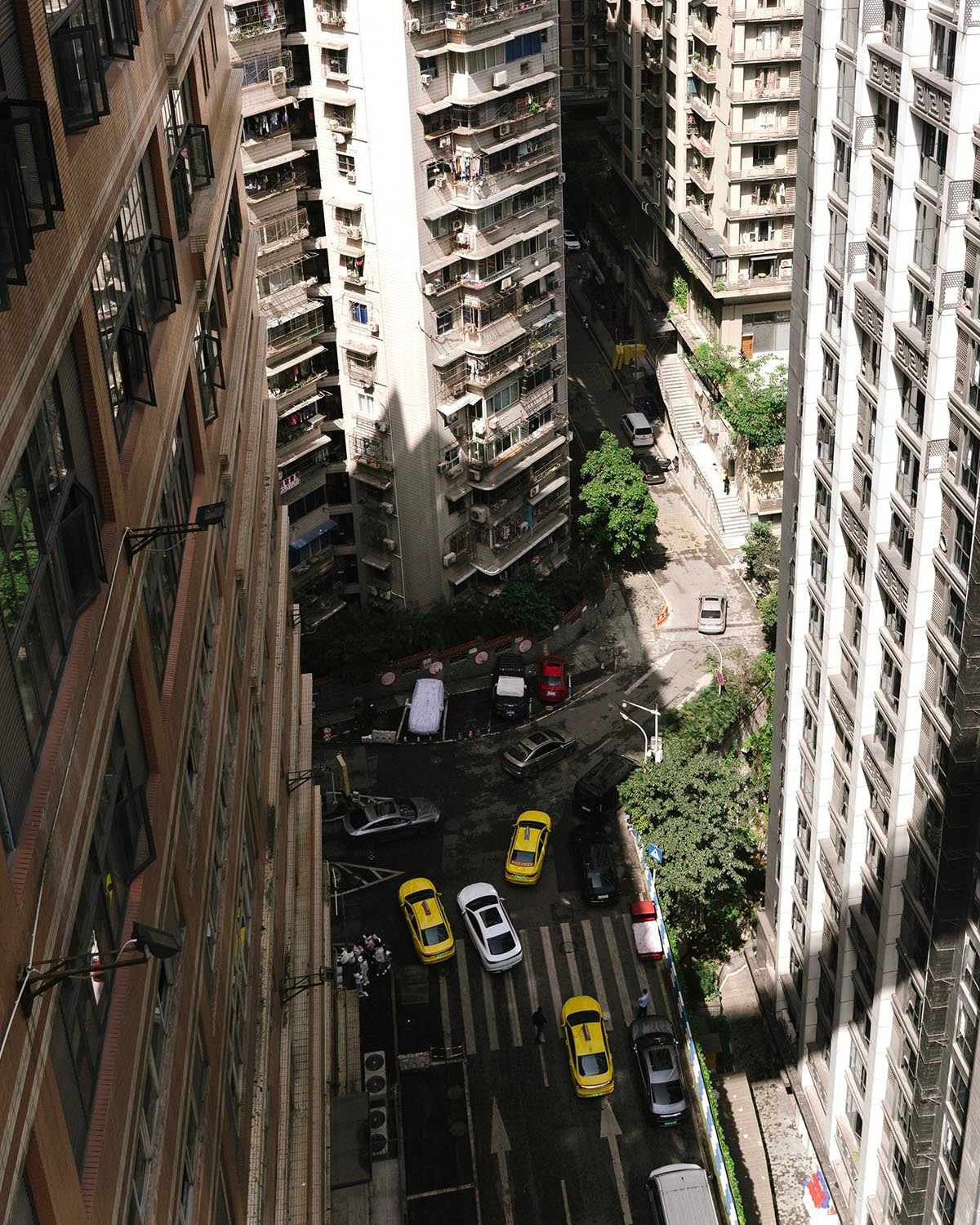
The view below, from the footbridge at Kuixing Square.
Robert Liwanag
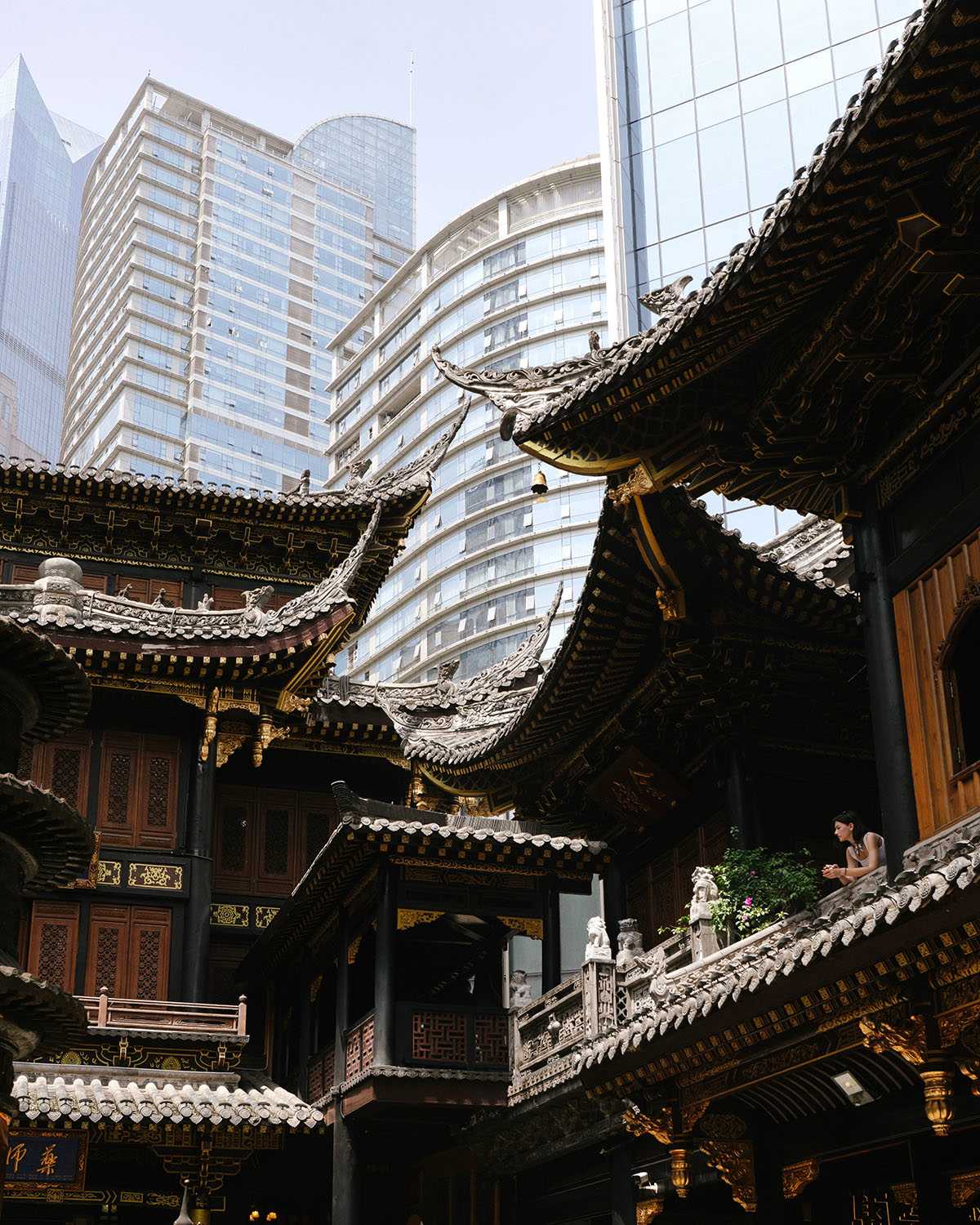
In Chongqing, temples and skyscrapers seem to stack on top of one another.
Robert Liwanag
Where to Go
In the Jiefangbei district stands the dreamlike Hongyadong, an 11-storey complex that’s home to shops and restaurants, built to resemble a giant wooden castle on stilts. It’s best seen illuminated in brilliant yellow from the Jialing River at night. For families, the Chongqing Zoo is a great way to see giant pandas if you’re not making the trip to Chengdu. After that, make time to wander. My favorite district is Shapingba, a massive commercial, tourist and residential hub that covers an astounding 152 square miles. Visitors often flock here for Ciqikou Ancient Town and Gele Mountain, but as I wander its streets, my eyes can’t resist one color: green. The sheer amount of greenery in Chongqing is irresistible. In 2024, Chongqing upgraded 100 parks for children and the elderly and then added 100 more — not bad for a city that often feels like a cyberpunk novel come to life.
Plan your dream trip.
What to Eat
Hotpot is the Chongqing specialty, renowned for its communal nature, the inclusion of affordable offal such as beef tripe and pork intestines, and its purported health benefits (in a place as humid as Chongqing, its spiciness is said to help locals sweat out excess moisture). Hotpot establishments are everywhere, including many tucked inside what look like caves, but are actually repurposed air-raid shelters from World War II. However, it helps to be discerning. According to Liu, the further a hotpot restaurant sits from the urban core, the more likely locals are to dine there — and the better the hotpot tends to be. The fiery Chongqing version, with its red broth and unmistakable Sichuan pepper, might be too much for some. It is for me. One particularly spicy hotpot lunch in Shapingba earns me a teasing “three out of 10” for heat from my dining companion, Mark Wu, a Chongqing local. For a taste of the dish (before you actually dive in), visit the Zhoujunji Hotpot Seasoning History and Culture Museum in the Jiulongpo district. The museum is dedicated to all things hotpot, from the history of the peppercorn to hotpot variations found around the world.
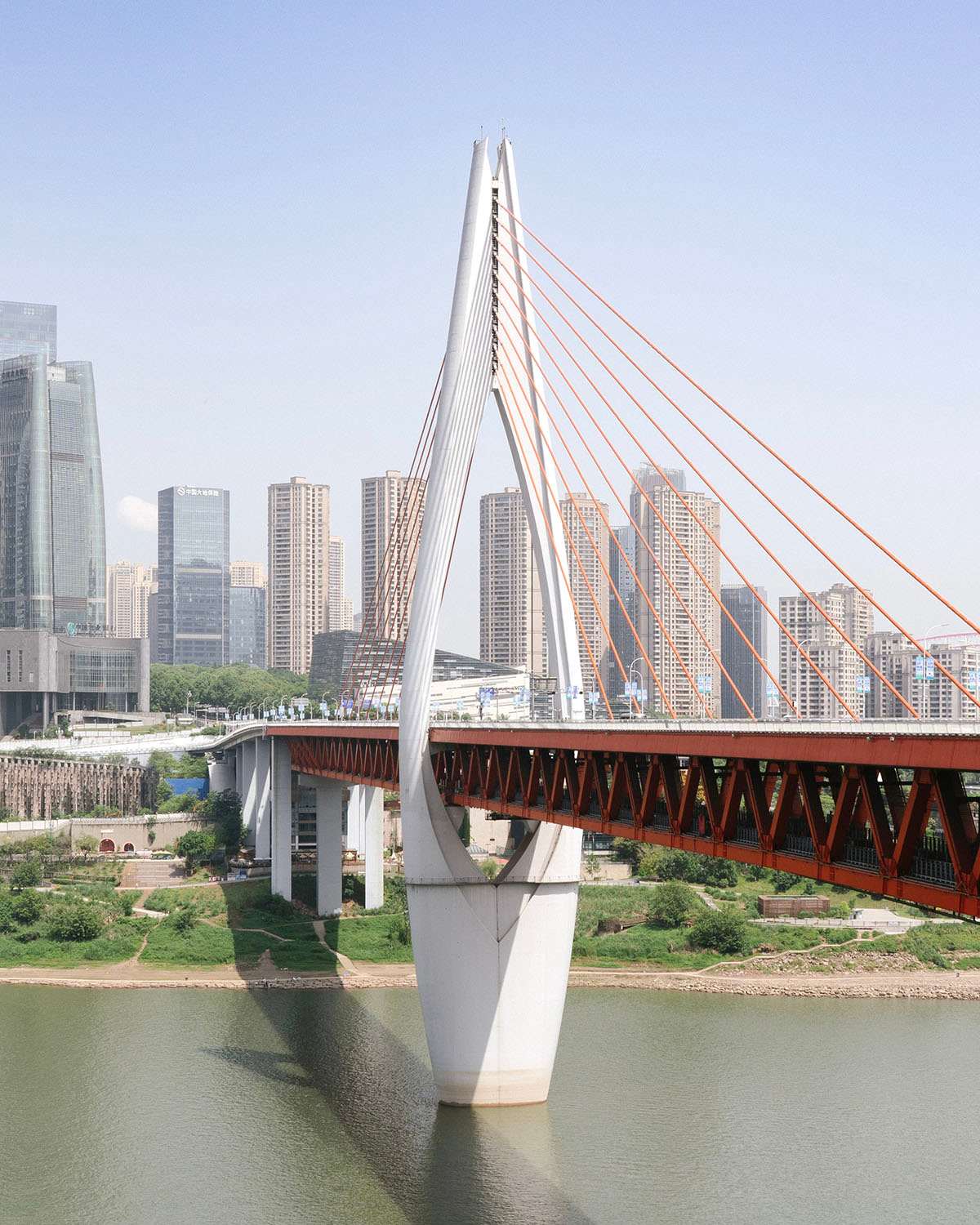
The Qiansimen Bridge spans the Jialing River and is a certified Chongqing landmark.
Robert Liwanag
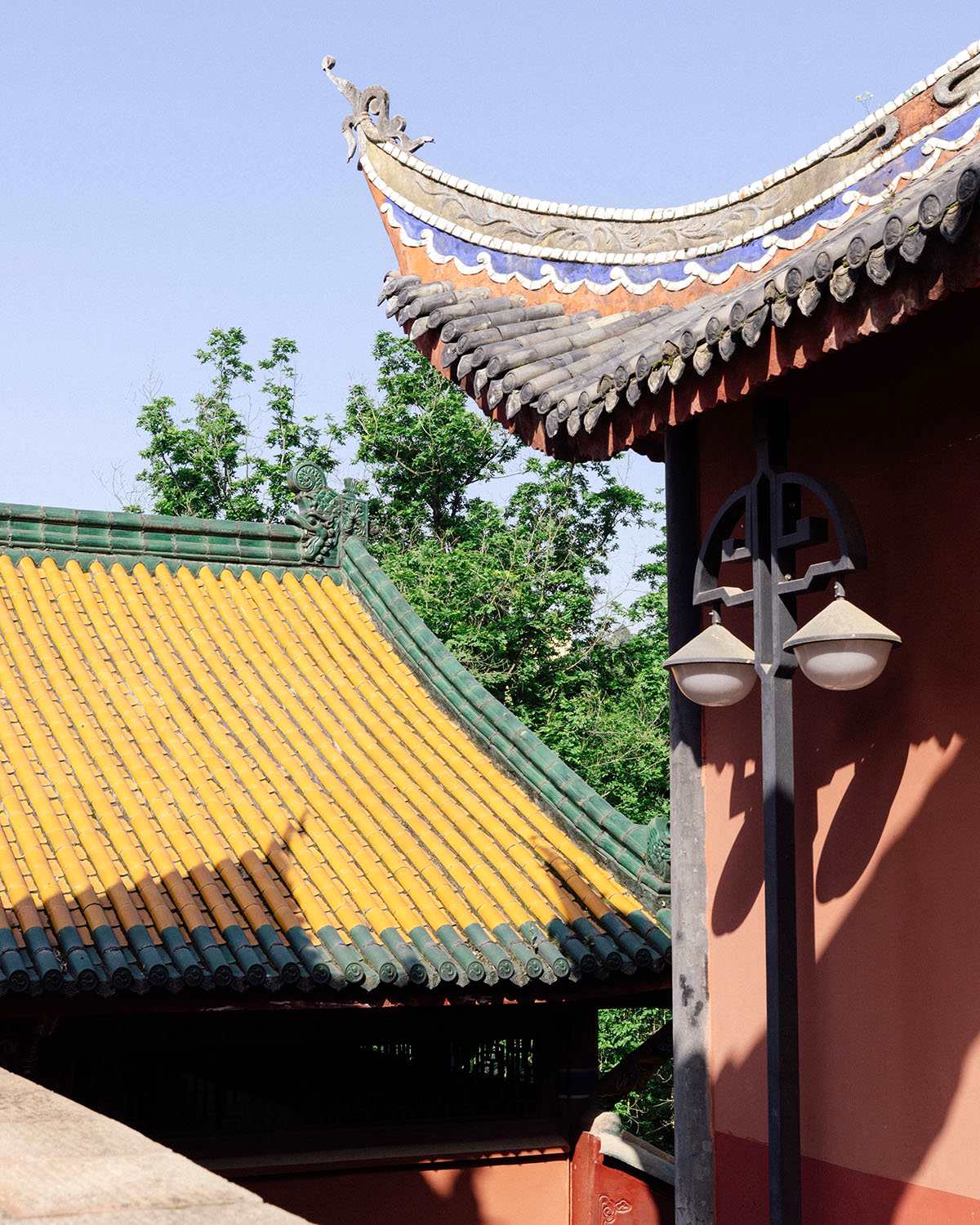
Fengdu Ghost City dates to the Han dynasty, which ran from 206 BCE to 220 CE.
Robert Liwanag
Another Way to See It
More than almost any other global city I’ve encountered, Chongqing seems built for taking in from the water. In addition to the Jialing River, the Yangtze, China’s longest river, cuts through the city, with the two waterways meeting at Chaotianmen in the downtown core — a confluence that makes a river cruise here feel as unmissable as hotpot. One of Chongqing’s longstanding claims to fame is its neon skyline. It can stop even the most jaded visitor in their tracks. Aboard the MS Century Voyage with Century Cruises, I get a completely different view of this vertical city. Liu — a former cruise manager for the Chongqing-based company — gives me a tour of the ship, which first launched in 2024 and can comfortably accommodate 650 guests. This is my first-ever cruise, and even though I’m only aboard for the night, I’m charmed by what I see. First, there’s an open-space observation deck that practically spans the entire length of the Voyage itself. Second, the ship’s design, featuring 236 cabins with balconies and a two-level lounge, is so intuitive, it’s impossible to get lost. I wake up the next morning for the tour’s first stop: Fengdu Ghost City, 110 miles from downtown. Here, I’m met with dense forests, a cool breeze and a quiet waterfront — a far cry from the 8D core — and we still haven’t left Chongqing. These quieter sides of Chongqing, out in the far reaches of the municipality, are precisely what many visitors miss. The city proper is extraordinary, but some of the most memorable experiences lie beyond it. A collection of shrines, temples and monasteries dedicated to the afterlife, Fengdu Ghost City blends preserved and reconstructed structures, some rebuilt after the originals were destroyed during Mao’s Cultural Revolution. The popular Yangtze River stop lives up to its reputation; to go deeper into the destination, take the serene trek up and down Ming Mountain where Fengdu rests.
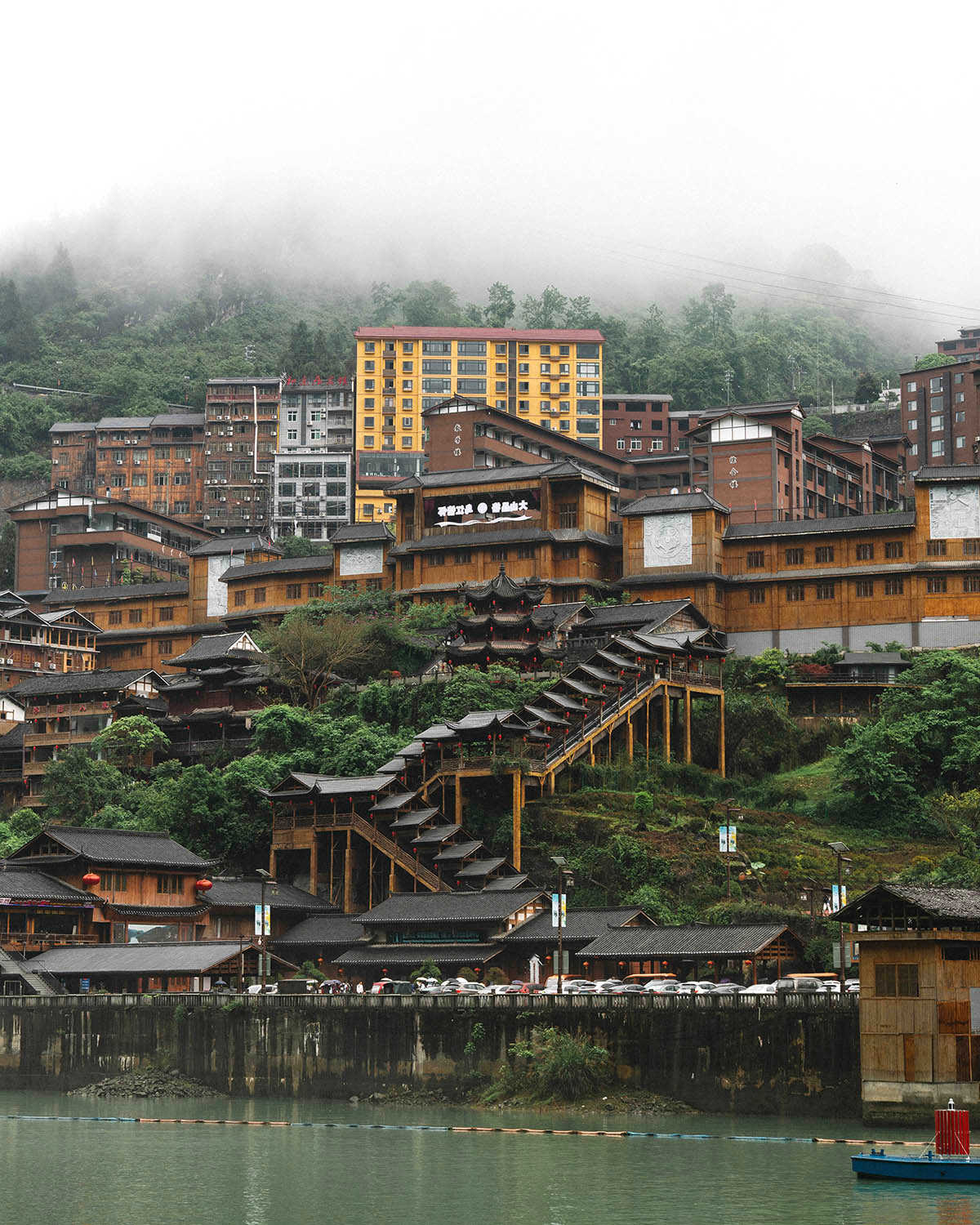
Gongtan Ancient Town in Youyang Autonomous County.
Robert Liwanag
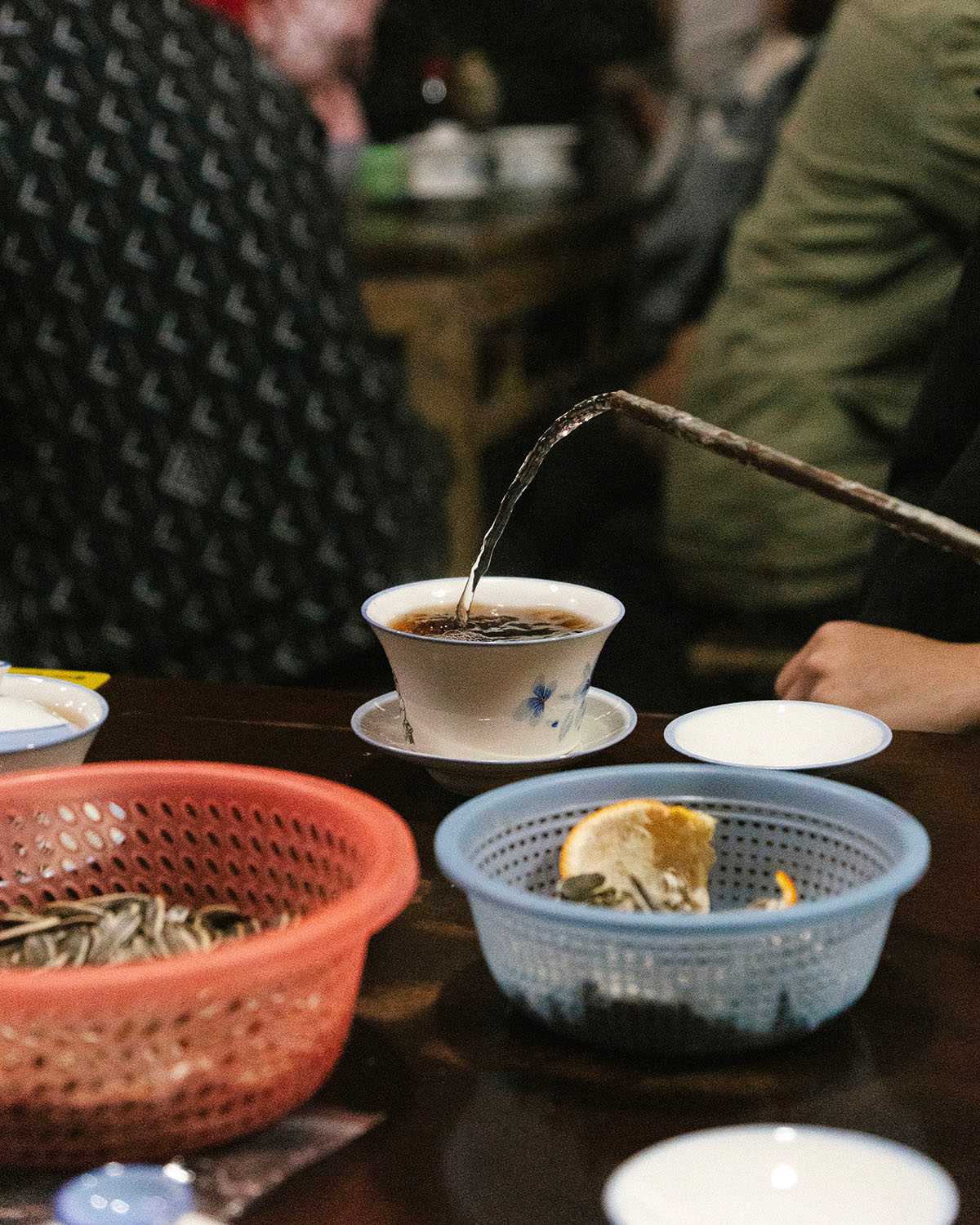
Jiaotong Teahouse serves up Gongfu black tea.
Robert Liwanag
Far less frequented by international travelers is Youyang, an autonomous county bordering Hunan province in the Wuling Mountains — and a stop once I’m back on land. Spanning nearly 2,000 square miles, it’s a home to China’s Tujia and Miao minority communities. One of its treasures is Gongtan Ancient Town, which, like Hongyadong, comprises diaojiaolou (traditional stilt houses) rising along the Wujiang River. Walking through it on a rainy morning feels like stepping straight into the Qing dynasty. So, where does Chongqing go from here? For starters, the wider, rural regions have enormous potential. Once travelers realize that Chongqing isn’t simply a hyper charged Hong Kong or a trendier Shanghai, but a gateway to mountains, rivers, villages and some of southwestern China’s most dramatic scenery, the possibilities feel endless. Suddenly, a week doesn’t seem like enough time. When I settle back in the downtown core at Jiaotong Teahouse in the Huangjueping neighborhood — a beloved spot that hasn’t changed its walls, kitchen, tables or earthenware since 1987 — Chongqing feels a little less bewildering. I still can’t tell you how to navigate its maze of streets, staircases and levels without a knowledgeable guide like Liu, and there’s plenty I haven’t seen: more neighborhoods tucked beneath towers, more impossible staircases to climb, more of the Yangtze to explore. But that, I suspect, is part of Chongqing’s appeal. I leave wanting more and, somehow, I’m no longer worried about getting lost. ✦